
Themes in This Book
Click a theme to find more books with similar topics
What to expect ahead
What follows is a compact summary of each chapter in the book, designed to help you quickly grasp the core ideas while inviting you to continue into the full original text. Even when chapter text is presented here, these summaries are meant as a gateway to understanding, so your eventual reading of the complete book feels richer, deeper, and more fully appreciated.
The Brothers Karamazov
A Brief Description
Three brothers—Dmitri, Ivan, and Alyosha—are bound together by their father Fyodor Pavlovich Karamazov, a debauched buffoon whose cruelty toward his sons ranges from neglect to active malice. He treats Dmitri's inheritance as his own, mocks Ivan's atheistic intellectualism, and sends Alyosha to a monastery as if disposing of an inconvenient object. Yet all three brothers remain entangled with him, unable to fully escape despite knowing he destroys everything he touches. When Fyodor is murdered, all three are implicated—not necessarily by action, but by desire. Each wanted him dead. The question isn't just who killed him, but who is morally responsible.
Dmitri is passionate, impulsive, torn between honor and degradation. He's engaged to Katerina Ivanovna out of duty but obsessed with Grushenka, a woman his father also desires. His relationship with his father is openly hostile—he publicly threatens to kill him, and when Fyodor is murdered, Dmitri becomes the obvious suspect. He's innocent of the act but guilty of the desire, and Dostoevsky makes you feel both his innocence and his complicity.
Ivan is the intellectual—brilliant, tortured by the problem of evil. His famous "rebellion" against God isn't simple atheism; it's a moral refusal to accept a universe where children suffer. "If the suffering of children is required to complete the sum of suffering necessary for the acquisition of truth, then I don't want that truth," he declares. But his intellectual rejection of God has consequences he didn't foresee. His half-brother Smerdyakov, the illegitimate son Fyodor keeps as a servant, takes Ivan's ideas literally: if God doesn't exist, everything is permitted. Smerdyakov murders Fyodor, but Ivan's philosophy provided the justification. Ivan is innocent of action but guilty of providing the intellectual framework for murder.
Alyosha is the youngest, gentle and spiritual, a novice in the monastery under the elder Father Zosima. He's trying to live by faith in a world that seems to refute it at every turn. Unlike his brothers, he loves his father despite knowing what he is. He becomes the novel's moral center—not by being perfect or preaching, but by practicing "active love" even when it's difficult and unrewarded. He's the novel's answer to Ivan's rebellion: not intellectual arguments, but lived compassion.
Through Intelligence Amplifier™ analysis, you'll see patterns that explain modern dilemmas: how intellectual rejection of meaning leads to moral paralysis (Ivan's fate), how trying to live ethically in an unethical world requires both wisdom and compassion (Alyosha's path), how family dysfunction perpetuates itself across generations unless consciously interrupted (the Karamazov curse), and how we're all responsible not just for what we do but for the ideas we release into the world (Ivan's guilt). The novel asks: Are you responsible for consequences you didn't intend but should have foreseen? Can you rebel against suffering without becoming complicit in new forms of cruelty? Can love exist in action, or is it always just dreams?
Essential Life Skills Deep Dive
Explore chapter-by-chapter breakdowns of the essential life skills taught in this classic novel.
The Grand Inquisitor's Challenge
Understand Ivan's rebellion: why freedom and suffering are inseparable—and whether humanity actually wants the freedom it claims to desire.
When Doubt Becomes Identity
See how intellectual rebellion can lead to moral paralysis—Ivan's ideas enable murder while his guilt destroys him from within.
Love in Action vs Love in Dreams
Learn Father Zosima's teaching: why love requires sustained action, not just beautiful feelings—and how to practice active love daily.
Essential Skills
Life skills and patterns this book helps you develop—drawn from its themes and characters.
Understanding the Limits of Reason
Recognize when intellectual frameworks lead to moral paralysis—and why pure rationality without compassion creates dangerous justifications for cruelty
Distinguishing Love from Ideas About Love
See the difference between Father Zosima's 'active love' (difficult, unglamorous, sustained) and 'love in dreams' (easy, romantic, useless)—and why the first is rare while the second is everywhere
Recognizing Intellectual Responsibility
Understand how ideas have consequences in the real world—Ivan's abstract philosophy becomes Smerdyakov's justification for murder, teaching you that intellectual rebellion without wisdom creates collateral damage
Living With Doubt Without Moral Collapse
Learn how to navigate profound uncertainty about meaning, God, and morality without descending into nihilism or cynicism—Alyosha's path between Ivan's rebellion and blind faith
Breaking Generational Dysfunction
See how the sins of the fathers echo through children unless consciously interrupted—the Karamazov curse can be broken, but only through awareness and deliberate choice
Facing the Problem of Suffering
Engage honestly with Ivan's rebellion: why does suffering exist, especially of innocents? The novel won't give you easy answers but will show you how to live with the question
Practicing Active Love vs Passive Sentiment
Master the difference between feeling compassion and practicing it—Zosima's teaching that love requires sustained action, not just beautiful feelings or good intentions
Understanding Vicarious Guilt
Recognize how you can be morally responsible without being criminally guilty—all three brothers wanted their father dead, making them complicit even if only one acted
Table of Contents
Meet the Karamazov Patriarch
When Parents Abandon Their Children
The Second Marriage's Dark Pattern
The Heart That Trusts Everyone
The Power of Spiritual Authority
First Impressions at the Monastery
The Old Buffoon's Performance
The Healing Power of Being Heard
Faith, Love, and Self-Deception
Church vs State Power Debate
Family Scandal Erupts
The Mentor's Final Blessing
The Scandalous Scene
The Loyal Servants and Their Burdens
The Town's Holy Fool
About Fyodor Dostoevsky
Published 1880
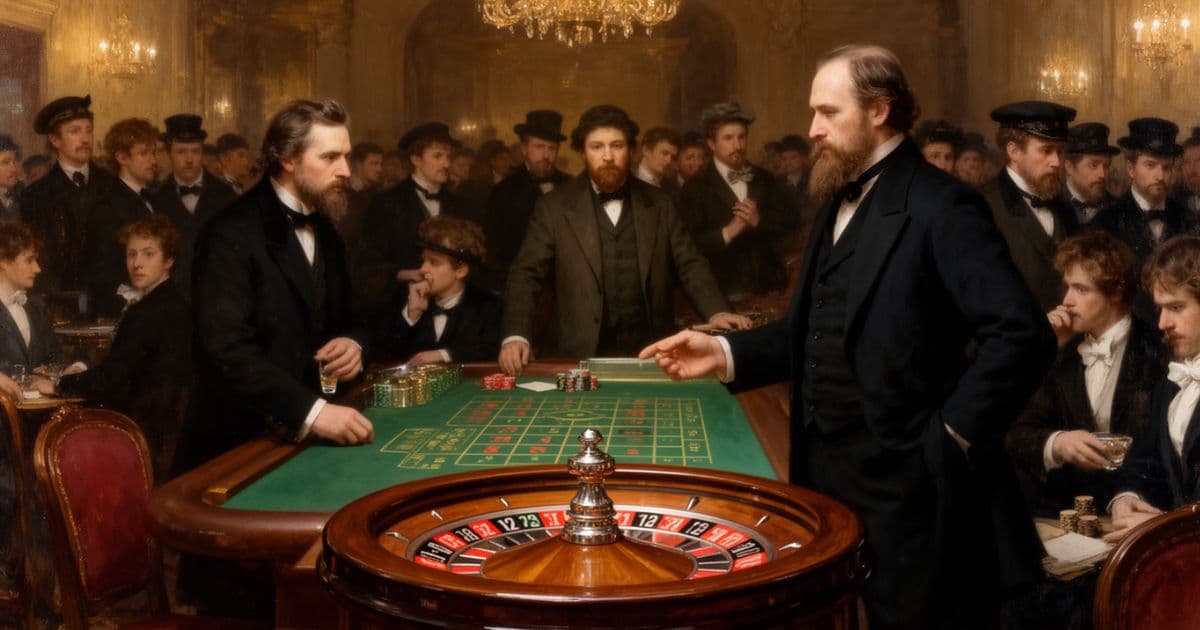
Fyodor Dostoevsky wrote The Brothers Karamazov in 1879-80, the final years of his life. He was 58, had survived Siberian imprisonment, epilepsy, gambling addiction, and the death of his three-year-old son Alexei from an epileptic seizure (the same age as the child Ivan describes suffering in his rebellion against God). He conceived the novel as his definitive statement on faith, doubt, morality, and Russian society—the culmination of everything he'd learned about human psychology and the problem of evil.
The novel emerged from Dostoevsky's own spiritual journey. As a young man, he'd been a radical socialist, arrested and sentenced to death for his political activities. He stood before a firing squad, was given a last-minute reprieve, and instead spent four years in a Siberian labor camp followed by years of forced military service. This confrontation with death and suffering shattered his youthful idealism but didn't lead him to simple faith. Instead, he spent the rest of his life wrestling with doubt—not the comfortable doubt of someone who's never believed, but the agonized doubt of someone who desperately wants to believe but can't ignore suffering and injustice.
The Brothers Karamazov is that wrestling match made concrete. Ivan represents Dostoevsky's doubt—his moral horror at a universe that permits children's suffering. Alyosha represents his faith—not triumphant certainty, but lived compassion in the face of doubt. The novel doesn't resolve the tension; it makes you feel both positions so intensely that you understand why people destroy themselves over these questions. Dostoevsky died four months after the novel was published, making it his final word on the questions that haunted him his entire life. It's considered his masterpiece and one of the greatest novels ever written—not because it provides answers, but because it forces you to live with the questions that matter most.
Why This Author Matters Today
Fyodor Dostoevsky's insights into human nature, social constraints, and the search for authenticity remain powerfully relevant. Their work helps us understand the timeless tensions between individual desire and social expectation, making them an essential guide for navigating modern life's complexities.
More by Fyodor Dostoevsky in Our Library


Amplified Classics is different.
not a sparknotes, nor a cliffnotes
This is a retelling. The story is still told—completely. You walk with the characters, feel what they feel, discover what they discover. The meaning arrives because you experienced it, not because someone explained a summary.
Read this, then read the original. The prose will illuminate—you'll notice what makes the author that author, because you're no longer fighting to follow the story.
Read the original first, then read this. Something will click. You'll want to go back.
Either way, the door opens inward.
Get the Full Book
Purchase the complete book to access all chapters and support classic literature
As an Amazon Associate, we earn a small commission from qualifying purchases at no additional cost to you.
Available in paperback, hardcover, and e-book formats
You Might Also Like

Free to read • No account required