

Themes in This Book
Click a theme to find more books with similar topics
What to expect ahead
What follows is a compact summary of each chapter in the book, designed to help you quickly grasp the core ideas while inviting you to continue into the full original text. Even when chapter text is presented here, these summaries are meant as a gateway to understanding, so your eventual reading of the complete book feels richer, deeper, and more fully appreciated.
Crime and Punishment
A Brief Description
Crime and Punishment follows Rodion Raskolnikov, a brilliant former law student living in crushing poverty in St. Petersburg, who convinces himself he's extraordinary enough to commit murder without moral consequence. He kills an elderly pawnbroker, believing himself above ordinary ethics—a "Napoleon" who can transcend conventional morality for a greater purpose. Then he discovers his intellectual theories collapse the moment they meet reality. What follows isn't a detective story but a psychological descent into guilt, paranoia, and the desperate search for redemption.
This isn't just about murder—it's about the dangerous seduction of believing you're special enough that rules don't apply to you. Raskolnikov represents anyone who's ever rationalized harmful behavior with clever reasoning, convinced themselves their intelligence excuses their ethics, or discovered too late that thinking about consequences and experiencing them are entirely different things. Dostoevsky shows how we construct elaborate philosophical justifications for what we want to do anyway, how isolation amplifies dangerous thinking, and how suffering—not logic—ultimately breaks through self-deception.
The novel explores the psychology of guilt with surgical precision. Raskolnikov's mental unraveling reveals how conscience operates not through abstract principles but through the unbearable weight of what we've actually done. His interactions with the detective Porfiry Petrovich become a cat-and-mouse game where the real battle isn't about evidence—it's about whether Raskolnikov can continue lying to himself. Meanwhile, Sonya, a young woman forced into prostitution, offers him a path toward redemption through love and suffering.
What's really going on, you'll recognize these patterns everywhere: in corporate fraud scandals, political justifications, personal betrayals, and your own moral compromises. You'll learn to identify rationalization before it becomes action, understand why intellectual brilliance without moral grounding becomes dangerous, and see how authentic redemption requires confronting truth, not constructing better excuses. Dostoevsky's genius is showing that crime's real punishment isn't external—it's the prison you build inside yourself.
Essential Life Skills Deep Dive
Explore chapter-by-chapter breakdowns of the essential life skills taught in this classic novel.
Recognizing Dangerous Rationalization
Learn to identify when you're using intellectual brilliance to justify harmful behavior—before thought becomes action.
Understanding Guilt and Conscience
See how conscience operates through lived experience, not intellectual principles—and why you can't think your way out of what you've done.
The Path to Redemption Through Truth
Discover why authentic transformation requires confronting reality and confessing truth—not constructing better excuses.
Essential Skills
Life skills and patterns this book helps you develop—drawn from its themes and characters.
Recognizing Rationalization Before It Becomes Action
Identify when you're using intellectual justifications to excuse harmful behavior
Understanding the Psychology of Guilt
See how conscience operates through lived experience, not abstract principles
Detecting Moral Blindspots in Intelligence
Recognize when brilliance without ethics becomes dangerous to yourself and others
Navigating Redemption Through Truth
Learn that authentic transformation requires confronting reality, not constructing better excuses
Reading the Warning Signs of Isolation
Understand how disconnection from community amplifies dangerous thinking patterns
Confronting Consequences vs. Theorizing Them
Distinguish between imagining outcomes and experiencing their full weight
Recognizing When Pride Prevents Confession
Understand how ego keeps you trapped in lies that are destroying you from within
Finding the Path to Authentic Redemption
Learn the difference between true transformation through suffering and false redemption through more intellectual gymnastics
Table of Contents
The Garret
Marmeladov's Confession
The Letter
Dunya's Sacrifice
The Dream of the Mare
Overhearing Fate
The Deed
Fever and Flight
The Summons
At the Police Station
Return to the Scene
Razumikhin's Care
The Visitors
Luzhin's Proposal
Porfiry's Game Begins
About Fyodor Dostoevsky
Published 1866
Fyodor Dostoevsky (1821-1881) was a Russian novelist, philosopher, and journalist whose exploration of human psychology, morality, and suffering revolutionized literature. Born in Moscow to a strict military doctor father, he experienced extreme swings between privilege and poverty throughout his life. His father's murder by serfs when Dostoevsky was eighteen profoundly shaped his thinking about violence, guilt, and justice.
In 1849, Dostoevsky was arrested for participating in a progressive literary circle and sentenced to death by firing squad. He stood before the execution wall, facing his final moments, when a last-minute reprieve arrived—the execution was a staged psychological torture designed to terrify political prisoners. This mock execution, followed by four years of brutal hard labor in Siberian prison camps, transformed his worldview. He emerged with deep insights into human suffering, redemption, and the psychology of criminals that would inform Crime and Punishment.
Crime and Punishment, published in 1866 during a desperate period when Dostoevsky was fleeing creditors and gambling away his money, was written in intense bursts under crushing financial pressure. This urgency infuses the novel with raw psychological power. The book established him as a master of psychological realism—the ability to depict consciousness in crisis with unprecedented depth and honesty. His influence extends beyond literature into psychology, philosophy, and existentialism, making him essential reading for understanding the darker corners of human nature.
Why This Author Matters Today
Fyodor Dostoevsky's insights into human nature, social constraints, and the search for authenticity remain powerfully relevant. Their work helps us understand the timeless tensions between individual desire and social expectation, making them an essential guide for navigating modern life's complexities.
More by Fyodor Dostoevsky in Our Library
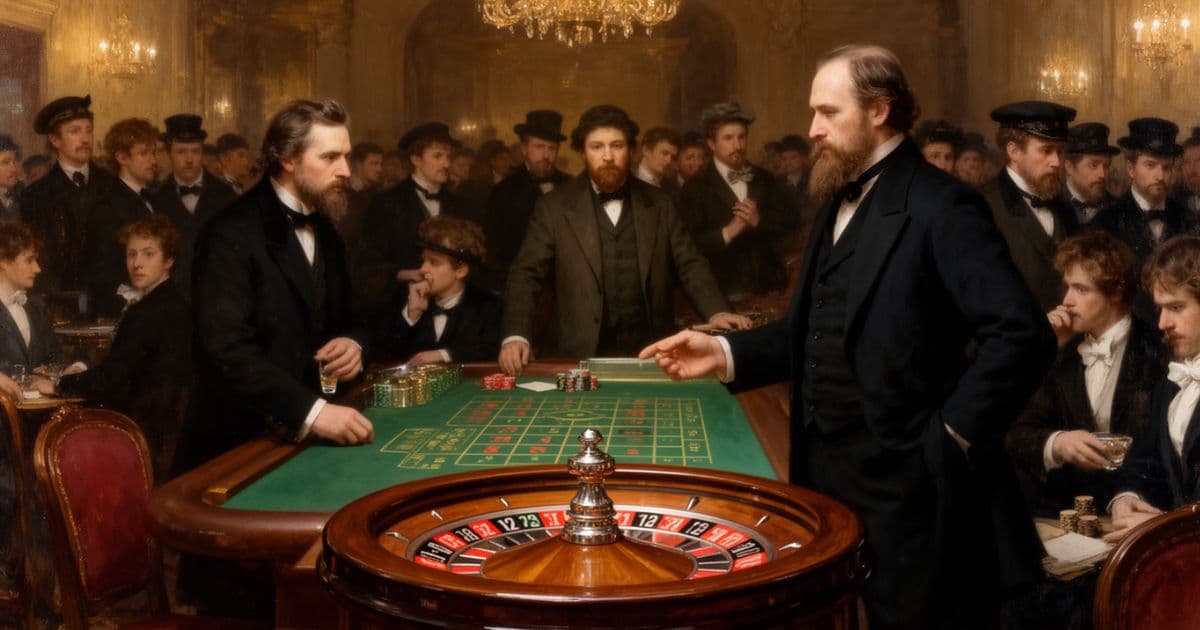


Amplified Classics is different.
not a sparknotes, nor a cliffnotes
This is a retelling. The story is still told—completely. You walk with the characters, feel what they feel, discover what they discover. The meaning arrives because you experienced it, not because someone explained a summary.
Read this, then read the original. The prose will illuminate—you'll notice what makes the author that author, because you're no longer fighting to follow the story.
Read the original first, then read this. Something will click. You'll want to go back.
Either way, the door opens inward.
Get the Full Book
Purchase the complete book to access all chapters and support classic literature
As an Amazon Associate, we earn a small commission from qualifying purchases at no additional cost to you.
Available in paperback, hardcover, and e-book formats
You Might Also Like


Free to read • No account required