

What to expect ahead
What follows is a compact summary of each chapter in the book, designed to help you quickly grasp the core ideas while inviting you to continue into the full original text. Even when chapter text is presented here, these summaries are meant as a gateway to understanding, so your eventual reading of the complete book feels richer, deeper, and more fully appreciated.
The Idiot
A Brief Description
Prince Lev Myshkin returns to Russia after years in a Swiss sanatorium, treated for epilepsy and sheltered from the world. He's genuinely good—not morally superior or self-righteous, but actually kind, truthful, and compassionate in a way that seems almost childlike. Society immediately labels him an "idiot" because his goodness doesn't compute in their cynical world. How can someone be kind without ulterior motives? How can someone be truthful without social calculation? His very existence challenges their assumptions about human nature.
Myshkin becomes entangled with two women and the men who orbit them. Nastasya Filippovna is devastatingly beautiful and psychologically destroyed—raised as a kept woman, she's internalized her exploitation as her identity. She punishes herself through self-destructive choices while also weaponizing her beauty to hurt others. Parfyon Rogozhin loves her with violent, possessive obsession—the kind of "love" that's actually about ownership and control. Myshkin offers her something different: compassionate understanding without possession. But his goodness can't save her from herself.
Aglaya Epanchin is young, brilliant, and trapped by social expectations. She's drawn to Myshkin's authenticity but also contemptuous of his naivety. She wants genuine love but can't escape performing for society. The novel builds to a devastating climax where Myshkin must choose between the woman who needs him (Nastasya) and the woman who could build a life with him (Aglaya)—but his goodness makes the choice impossible. He can't abandon someone in need, even when that compassion destroys his own happiness.
Through Intelligence Amplifier™ analysis, you'll see patterns that explain modern dilemmas: how genuine kindness is mistaken for weakness or manipulation, how traumatized people often destroy those trying to help them, how passionate intensity (Rogozhin) differs from compassionate depth (Myshkin), and how trying to be genuinely good in a cynical world can lead to your own destruction. The novel's tragic ending proves Myshkin right about human nature while also showing why righteousness alone can't survive contact with real human brokenness.
Essential Life Skills Deep Dive
Explore chapter-by-chapter breakdowns of the essential life skills taught in this classic novel.
Maintaining Goodness in a Cynical World
Learn how Prince Myshkin stays genuinely kind without being destroyed—and why cynical society labels goodness as idiocy.
Recognizing Destructive Love
See the difference between Rogozhin's violent obsession and Myshkin's compassion—and why trauma-wounded beauty destroys those trying to help.
The Cost of Compassion
Understand why trying to save everyone can destroy you—and when compassion becomes enabling that perpetuates suffering.
Setting Boundaries With Compassion
Learn why Myshkin's inability to set boundaries destroys everyone he loves—and how to protect others without hardening your heart.
Essential Skills
Life skills and patterns this book helps you develop—drawn from its themes and characters.
Maintaining Goodness Without Naivety
Learn how to be genuinely kind and compassionate without being exploited or destroyed by those who misinterpret or weaponize your goodness
Recognizing Destructive Beauty and Charisma
Understand how trauma-wounded people can be magnetic and destructive simultaneously, and why you can't save everyone no matter how much you care
Distinguishing Passionate Intensity from Depth
See the difference between Rogozhin's violent obsession and Myshkin's compassionate love—and why intensity often masquerades as depth
Reading Authenticity vs. Social Performance
Identify when people are being genuine versus performing for social approval, and understand the costs of each approach
Navigating Cynicism Without Becoming Cynical
Operate in environments where everyone assumes ulterior motives without adopting their defensive cynicism yourself
Understanding Compassion's Limits
Recognize when your desire to help is actually enabling self-destruction, and why love alone can't heal trauma that requires professional intervention
Protecting Yourself While Staying Open
Learn to maintain vulnerability and authenticity while developing boundaries that prevent your goodness from being weaponized against you
Seeing Beauty's Shadow Side
Understand how beauty, charisma, and magnetism can mask profound dysfunction—and why we're drawn to broken people we can't fix
Table of Contents
The Prince Meets His Future
The General's Household
An Awkward Introduction and Hidden Motives
Family Dynamics and Hidden Agendas
First Impressions and Hidden Depths
The Prince's Story of Marie
The Portrait's Power
Living Arrangements and Family Tensions
When Worlds Collide at Home
When Money Meets Pride
The Art of Sincere Apology
A Drunken Guide's False Promises
The Dangerous Game Begins
The Truth Game Explodes
The Hundred Thousand Ruble Gamble
About Fyodor Dostoevsky
Published 1869
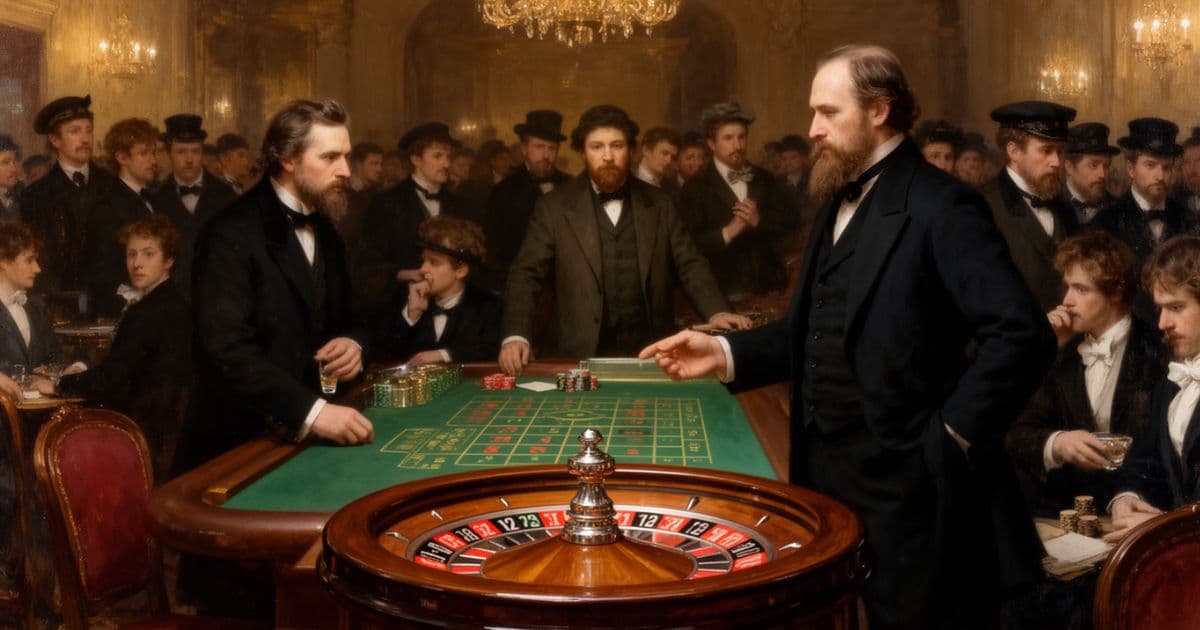
Fyodor Dostoevsky wrote The Idiot in 1868-69, during one of the most turbulent periods of his life. He was living in self-imposed exile in Switzerland and Italy, fleeing creditors and consumed by gambling addiction. His epilepsy was worsening, his financial situation desperate, and his young daughter had just died. In the midst of this chaos, he conceived an audacious literary experiment: to create a "positively good man" and see what would happen to genuine goodness in the real world.
Dostoevsky based Prince Myshkin partially on himself—both suffered from epilepsy, both experienced profound spiritual visions during seizures, both wrestled with Christian ideals in a cynical age. But he also drew on Don Quixote and even Christ as models for someone whose goodness is so radical it seems like madness to practical people. The novel asks: what if someone actually lived by Christian principles of compassion, forgiveness, and self-sacrifice? Not as performance or moral superiority, but as genuine nature?
The Idiot was initially misunderstood by critics who expected either a traditional hero or a clear moral message. But Dostoevsky was doing something more complex: showing how goodness is both necessary and insufficient. Myshkin is right about almost everything—he reads people accurately, understands their suffering, offers genuine wisdom. But his rightness doesn't protect him, and in fact makes him vulnerable to exploitation and destruction. The novel established Dostoevsky as literature's greatest psychologist of moral complexity, someone who could honor goodness while also showing its tragic limitations.
Why This Author Matters Today
Fyodor Dostoevsky's insights into human nature, social constraints, and the search for authenticity remain powerfully relevant. Their work helps us understand the timeless tensions between individual desire and social expectation, making them an essential guide for navigating modern life's complexities.
More by Fyodor Dostoevsky in Our Library


Amplified Classics is different.
not a sparknotes, nor a cliffnotes
This is a retelling. The story is still told—completely. You walk with the characters, feel what they feel, discover what they discover. The meaning arrives because you experienced it, not because someone explained a summary.
Read this, then read the original. The prose will illuminate—you'll notice what makes the author that author, because you're no longer fighting to follow the story.
Read the original first, then read this. Something will click. You'll want to go back.
Either way, the door opens inward.
Get the Full Book
Purchase the complete book to access all chapters and support classic literature
As an Amazon Associate, we earn a small commission from qualifying purchases at no additional cost to you.
Available in paperback, hardcover, and e-book formats
You Might Also Like


Free to read • No account required