
Themes in This Book
Click a theme to find more books with similar topics
What to expect ahead
What follows is a compact summary of each chapter in the book, designed to help you quickly grasp the core ideas while inviting you to continue into the full original text. Even when chapter text is presented here, these summaries are meant as a gateway to understanding, so your eventual reading of the complete book feels richer, deeper, and more fully appreciated.
A Christmas Carol
A Brief Description
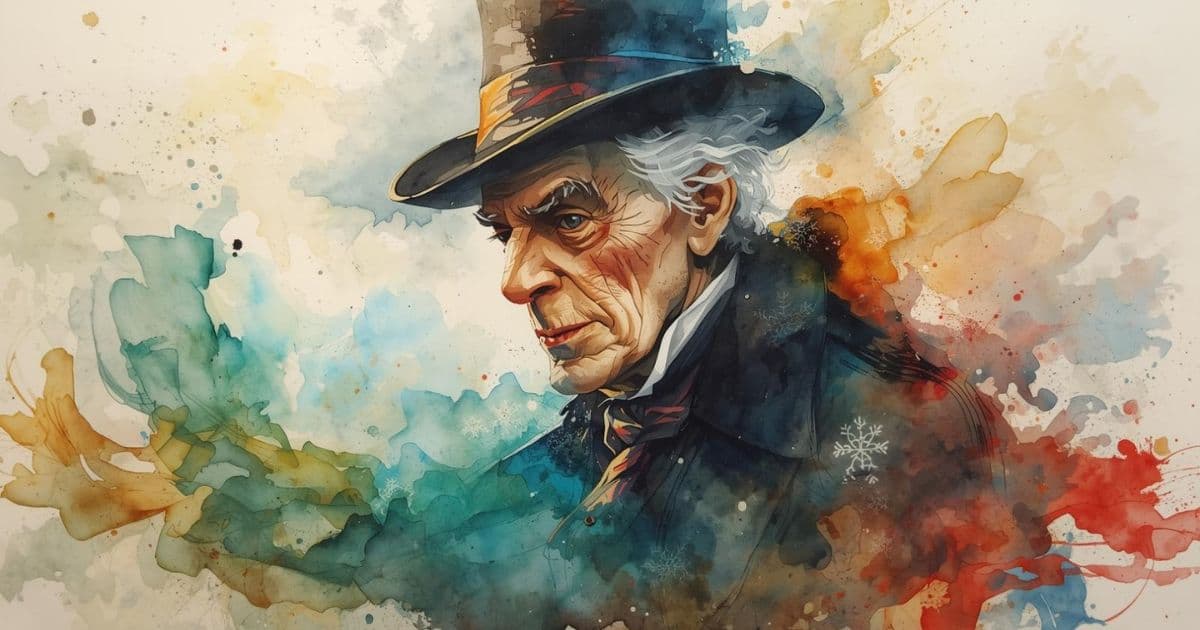
A Christmas Carol follows Ebenezer Scrooge, a bitter miser whose heart has frozen as cold as the London winter surrounding him. On Christmas Eve, seven years after his business partner Jacob Marley's death, Scrooge dismisses everyone seeking connection—his cheerful nephew, charity collectors, even his underpaid clerk Bob Cratchit who can barely afford to heat his home. Scrooge coldly sees Christmas as "humbug" and the poor as "surplus population" better off dead to decrease costs.
That night, Marley's ghost appears wrapped in heavy chains forged from cash boxes, keys, and ledgers—the spiritual weight of a life spent caring only about profit. He warns Scrooge that an even heavier chain awaits him unless he changes. Three spirits will visit over the next three nights, offering one final chance at redemption.
The Ghost of Christmas Past reveals Scrooge's transformation from a hopeful young man into an isolated miser, showing how fear of loss hardened him against all love. The Ghost of Christmas Present exposes the joy and struggle of families like the Cratchits, whose disabled son Tiny Tim faces death due to poverty Scrooge could easily alleviate but chooses to ignore. The Ghost of Christmas Yet to Come delivers the devastating vision: Scrooge's lonely death, unmourned and unremembered, his possessions scavenged by strangers who feel nothing but relief at his passing.
Confronted with the terrible future he's creating, Scrooge awakens Christmas morning transformed and desperate to change his life. What's really going on, we explore how isolation becomes self-reinforcing, whether redemption is possible after years of cruelty, how our daily choices forge invisible chains that bind us, and what it means to truly live before facing mortality. This isn't just a Victorian ghost story—it's a profound psychological examination of how we lose ourselves and discover how we might find our way back again.
Essential Life Skills Deep Dive
Explore chapter-by-chapter breakdowns of the essential life skills taught in this classic novel.
When Greed Becomes Prison
10 moments showing how Scrooge's wealth imprisoned him—and how Marley's chains literalize what obsession with money does to the soul.
Understanding How Redemption Works
10 steps mapping Scrooge's transformation from bitter miser to generous benefactor—showing that real change requires confronting past, present, and future.
The Cost of Emotional Isolation
10 stages showing how Scrooge's self-protection became self-imprisonment—and how cutting off connection destroys the things it's meant to protect.
Essential Skills
Life skills and patterns this book helps you develop—drawn from its themes and characters.
Confronting Your Past
Face the experiences that made you who you are, for better or worse
Recognizing What Truly Matters
See through the illusion that wealth equals happiness
Breaking Patterns of Isolation
Reconnect with others after years of pushing people away
Facing Mortality
Let the reality of death motivate meaningful change
Practicing Generosity
Discover how giving transforms both the giver and receiver
Believing in Second Chances
Accept that it's never too late to become a better person
Table of Contents
Marley's Ghost Brings a Warning
We meet Ebenezer Scrooge on Christmas Eve, seven years after his business partner Jacob Marley died....
Facing the Ghost of Christmas Past
Scrooge awakens to find time behaving strangely, setting the stage for his first supernatural visito...
The Spirit of Christmas Present
Scrooge meets the Ghost of Christmas Present, a jolly giant who shows him how Christmas joy spreads ...
Facing Your Own Mortality
The Ghost of Christmas Yet to Come shows Scrooge the harsh reality of dying unloved and unmourned. I...
The Transformation Complete
Scrooge awakens on Christmas morning transformed, realizing the spirits have given him his life back...
About Charles Dickens
Published 1843
Charles Dickens (1812-1870) wrote A Christmas Carol in just six weeks, driven by outrage over child poverty in England and his own financial pressures. The novella was an instant sensation that helped revive Christmas traditions and established the template for redemption stories. Dickens performed public readings of the story for 25 years, reportedly moving audiences to both tears and laughter.
Why This Author Matters Today
Charles Dickens's insights into human nature, social constraints, and the search for authenticity remain powerfully relevant. Their work helps us understand the timeless tensions between individual desire and social expectation, making them an essential guide for navigating modern life's complexities.
More by Charles Dickens in Our Library
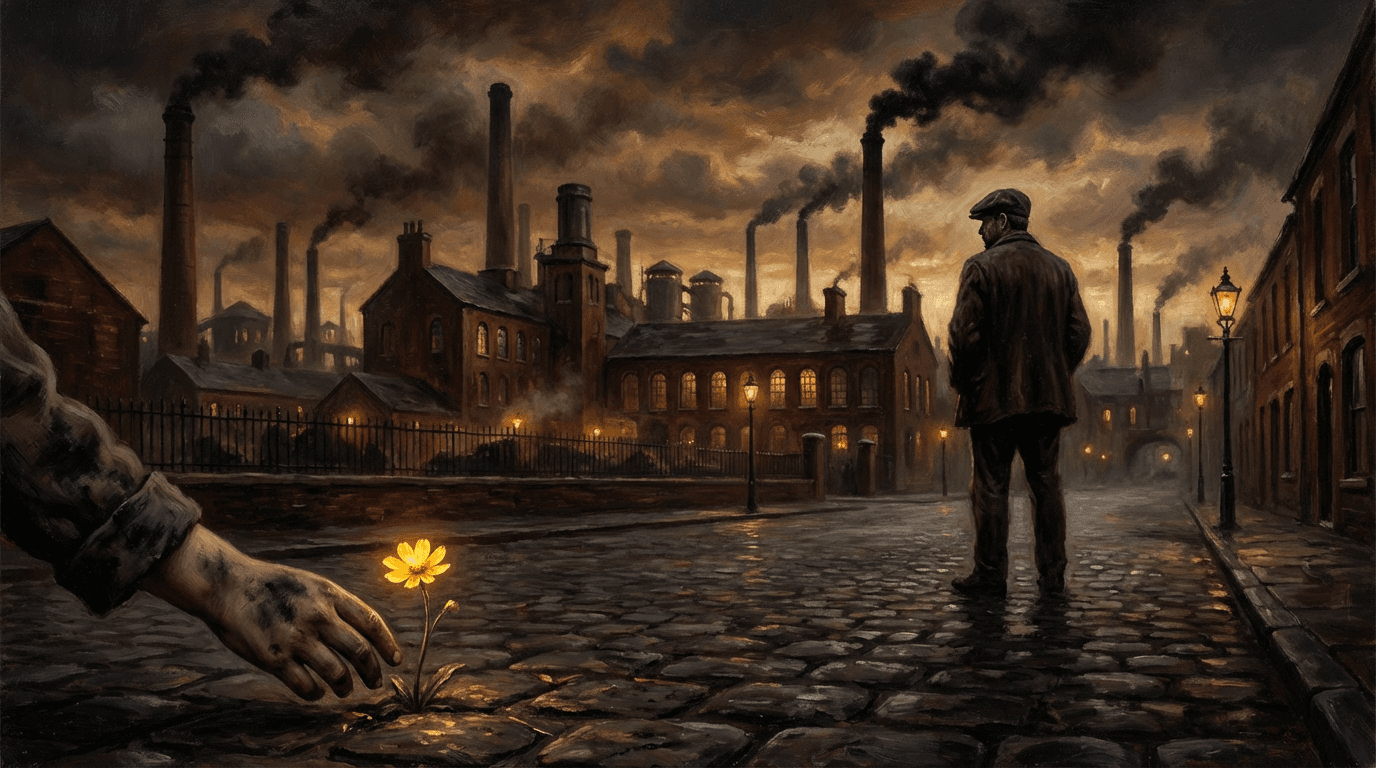


Amplified Classics is different.
not a sparknotes, nor a cliffnotes
This is a retelling. The story is still told—completely. You walk with the characters, feel what they feel, discover what they discover. The meaning arrives because you experienced it, not because someone explained a summary.
Read this, then read the original. The prose will illuminate—you'll notice what makes the author that author, because you're no longer fighting to follow the story.
Read the original first, then read this. Something will click. You'll want to go back.
Either way, the door opens inward.
Get the Full Book
Purchase the complete book to access all chapters and support classic literature
As an Amazon Associate, we earn a small commission from qualifying purchases at no additional cost to you.
Available in paperback, hardcover, and e-book formats
You Might Also Like



Free to read • No account required