

Themes in This Book
Click a theme to find more books with similar topics
What to expect ahead
What follows is a compact summary of each chapter in the book, designed to help you quickly grasp the core ideas while inviting you to continue into the full original text. Even when chapter text is presented here, these summaries are meant as a gateway to understanding, so your eventual reading of the complete book feels richer, deeper, and more fully appreciated.
A Tale of Two Cities
A Brief Description
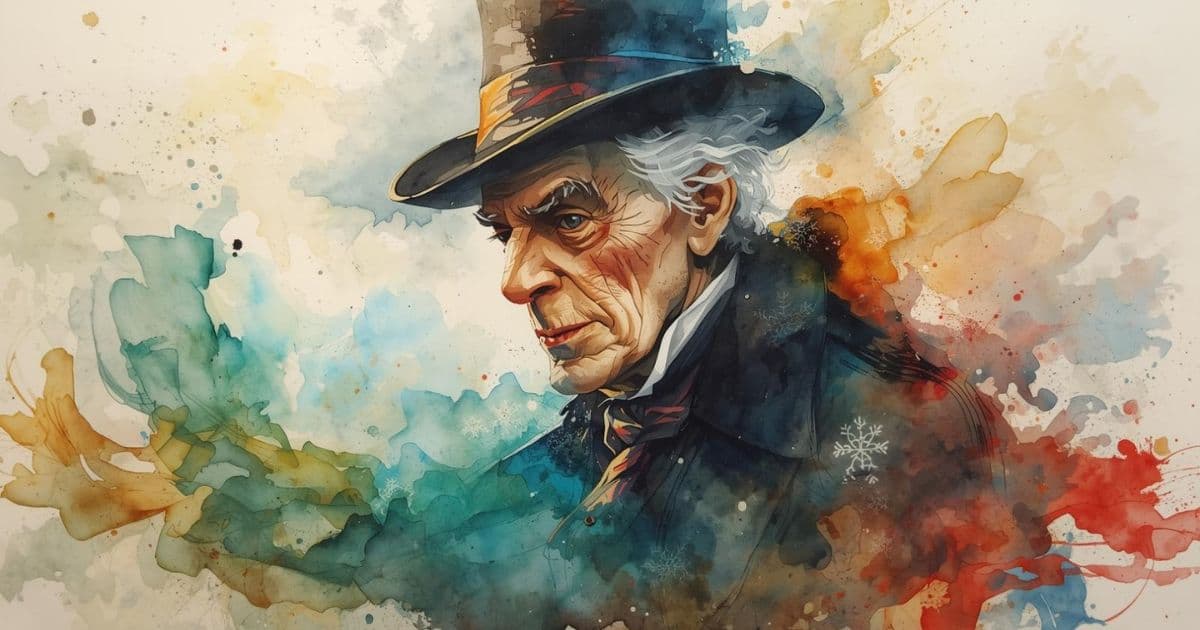
A Tale of Two Cities is Charles Dickens’s most carefully constructed novel — a story of revolution, resurrection, and the cost of remaining neutral while the world burns. Published in 1859, it unfolds across London and Paris in the years leading up to and through the French Revolution, and it remains one of the best-selling novels ever written.
At the center is Sydney Carton: a brilliant, alcoholic English lawyer who has wasted every advantage he was given. He loves Lucie Manette, a young woman of extraordinary warmth whose father was imprisoned in the Bastille for eighteen years and released a shattered man. When Lucie marries Charles Darnay — a French aristocrat who has renounced his family name and its legacy of cruelty — Carton watches from the margins, still dissipated, still purposeless, still certain he is beyond saving.
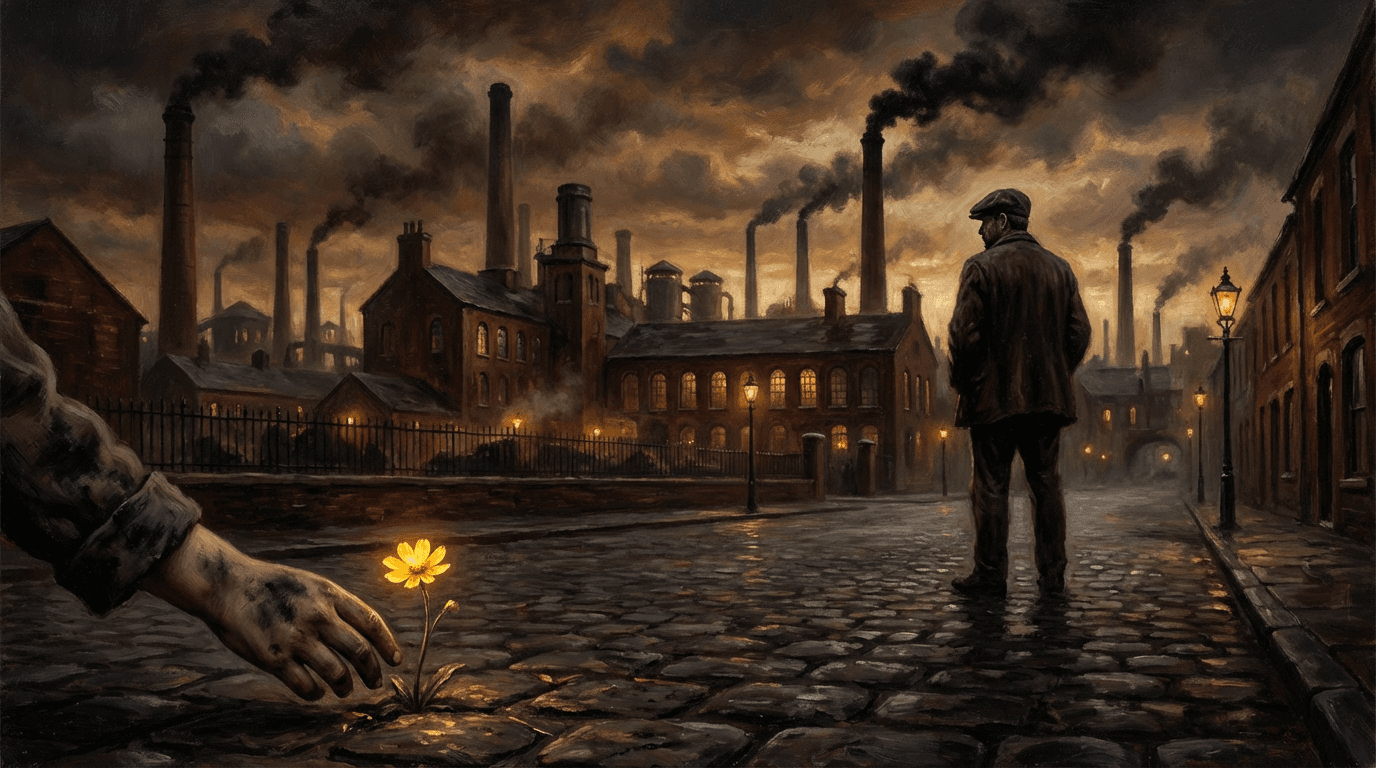
Meanwhile, Paris is approaching its breaking point. The aristocracy’s contempt for the poor has been grinding for generations. When the revolution finally comes, it arrives with a ferocity that shocks even those who wished for it. Dickens does not flinch from showing both sides: the genuine horror of aristocratic oppression and the terror that follows liberation. The guillotine does not discriminate. Justice and revenge begin to look identical.
What makes the novel endure is Dickens’s insight that history is never impersonal. Revolutions are made by people who were pushed too far for too long, and the violence that follows belongs to everyone who looked away. And redemption — real redemption — requires a specific kind of courage: the willingness to give everything for something that matters more than yourself.
Sydney Carton’s final act is one of the most famous endings in English literature. It opens with waste and closes with grace — and earns every word of both.
Essential Life Skills Deep Dive
Explore chapter-by-chapter breakdowns of the essential life skills taught in this classic novel.
Sacrifice and Meaning
8 chapters revealing how Sydney Carton transforms from wasted potential to redemptive sacrifice—and what Dickens believed gives a human life its ultimate weight.
Understanding How Oppression Breeds Violence
8 chapters tracing the predictable path from contempt to catastrophe—and why Dickens believed understanding this pattern is a moral obligation.
Finding Purpose After Wasting Years
8 chapters tracing Carton's full arc from brilliant dissipation to deliberate action—and what Dickens reveals about it never being too late to make your life mean something.
Loving Without Possession
8 chapters showing how Carton, Lucie, and Dr. Manette each practice love that wants the other person's happiness more than it wants them near.
Recognizing Mob Mentality
8 chapters showing how righteous anger becomes as cruel as the oppression it fights—and the warning signs Dickens embedded at every stage of the process.
Breaking Cycles of Revenge
8 chapters tracing a full revenge cycle from its founding ideology to its endpoint—and what Dickens believed it actually costs to stop one.
Essential Skills
Life skills and patterns this book helps you develop—drawn from its themes and characters.
Understanding How Oppression Breeds Violence
See how injustice, left unaddressed, eventually explodes
Finding Purpose After Wasting Years
Discover it's never too late to make your life mean something
Loving Without Possession
Learn to love someone and want their happiness even if it's not with you
Recognizing Mob Mentality
See how righteous anger can become as cruel as the oppression it fights
Breaking Cycles of Revenge
Understand why vengeance perpetuates suffering rather than ending it
Sacrifice and Meaning
Explore what makes a life—or death—meaningful
Table of Contents
The Best and Worst of Times
The Dover Mail
The Mystery of Hidden Lives
Crossing Thresholds of Truth
The Wine-Shop
The Broken Man
The Honest Tradesman's Secret
Inside the Courtroom of Death
Justice on Trial
After the Storm
The Lion and the Jackal
The Calm Before the Storm
The Aristocrat's Chocolate and a Child's Death
The Marquis Meets His People
The Gorgon's Head
About Charles Dickens
Published 1859
Charles Dickens (1812-1870) wrote A Tale of Two Cities as a warning about the consequences of ignoring poverty and injustice. The novel's famous opening—'It was the best of times, it was the worst of times'—reflected Dickens's fear that England could follow France into revolution if the wealthy continued to ignore the suffering of the poor. It remains his best-selling novel.
Why This Author Matters Today
Charles Dickens's insights into human nature, social constraints, and the search for authenticity remain powerfully relevant. Their work helps us understand the timeless tensions between individual desire and social expectation, making them an essential guide for navigating modern life's complexities.
More by Charles Dickens in Our Library

Amplified Classics is different.
not a sparknotes, nor a cliffnotes
This is a retelling. The story is still told—completely. You walk with the characters, feel what they feel, discover what they discover. The meaning arrives because you experienced it, not because someone explained a summary.
Read this, then read the original. The prose will illuminate—you'll notice what makes the author that author, because you're no longer fighting to follow the story.
Read the original first, then read this. Something will click. You'll want to go back.
Either way, the door opens inward.
Get the Full Book
Purchase the complete book to access all chapters and support classic literature
As an Amazon Associate, we earn a small commission from qualifying purchases at no additional cost to you.
Available in paperback, hardcover, and e-book formats
You Might Also Like



Free to read • No account required