A chapter overview excerpt.(~305 words)
hy, so: now have I done a good day's work.
You peers, continue this united league:
I every day expect an embassage
From my Redeemer to redeem me hence;
And more in peace my soul shall part to heaven,
Since I have made my friends at peace on earth.
Rivers and Hastings, take each other's hand;
Dissemble not your hatred, swear your love.
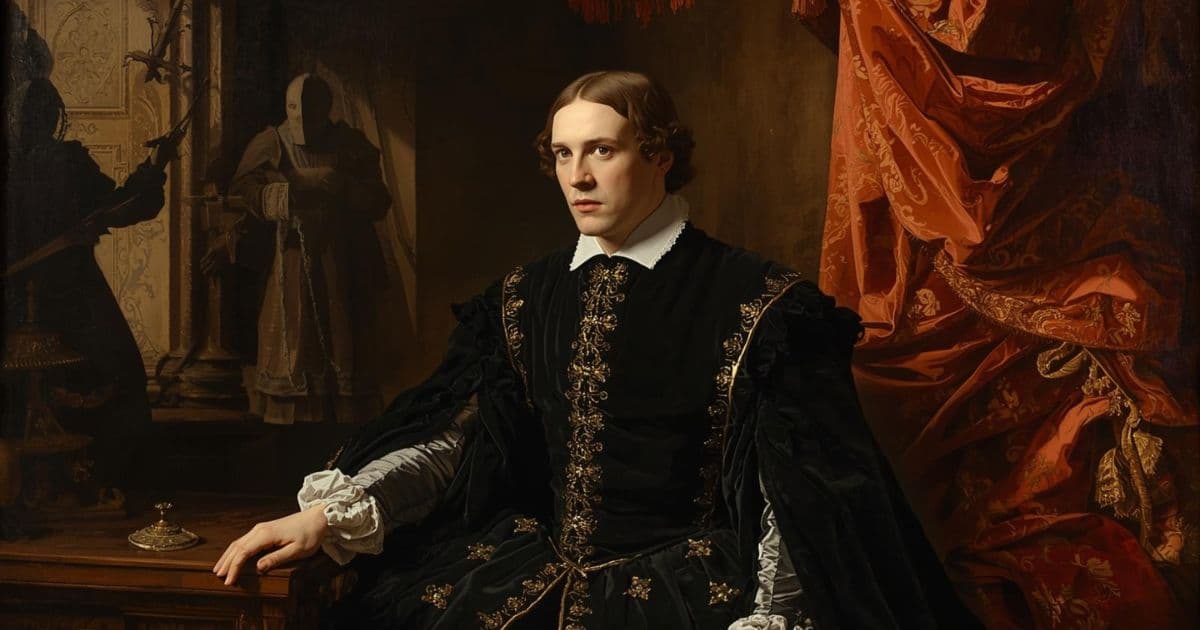
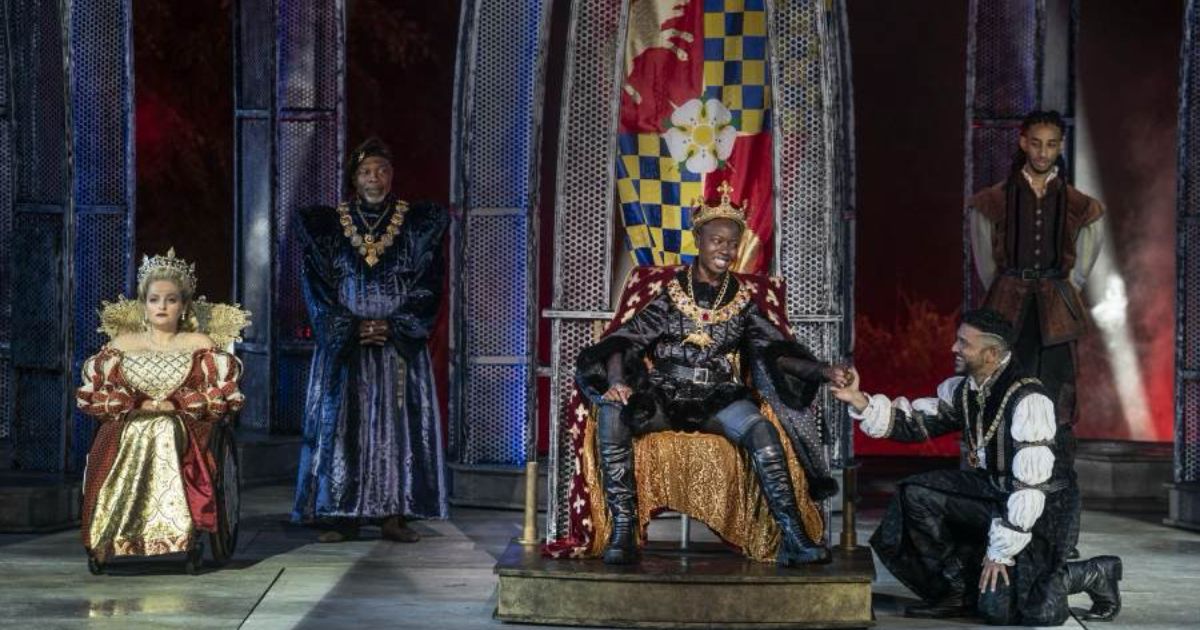
King Edward IV, gravely ill and knowing death approaches—'I every day expect an embassage from my Redeemer to redeem me hence'—desperately tries to reconcile the warring factions at court before he dies. He forces Rivers and Hastings to shake hands and 'swear your love,' makes the Queen embrace Hastings, and secures Buckingham's oath of loyalty. Richard enters and delivers a masterful performance of false humility, claiming he holds no grudge against anyone 'more than the infant that is born tonight' and thanking God for his humility. The reconciliation seems complete—Edward believes he's achieved peace. Then the Queen innocently asks Edward to pardon Clarence. Richard drops his bombshell: 'Who knows not that the gentle Duke is dead?' The court freezes in shock. Edward reveals he had sent a countermand to save Clarence, but 'some tardy cripple bore the countermand, that came too lag to see him buried.' Edward is devastated, realizing no one—including himself—pleaded for his brother's life. He laments Clarence's loyalty and sacrifice, remembering how Clarence rescued him in battle and kept him warm in freezing nights. 'O God, I fear thy justice will take hold on me, and you, and mine, and yours for this.' He exits in anguish. Richard immediately pivots, blaming the Queen's family in whispered asides: 'they did urge it still unto the King.' Edward's genuine desire for peace contrasts starkly with Richard's calculated performance—positioning himself as humble and forgiving while everyone else appears guilty of Clarence's death.
Master this chapter. Complete your experience
Purchase the complete book to access all chapters and support classic literature
As an Amazon Associate, we earn a small commission from qualifying purchases at no additional cost to you.
Available in paperback, hardcover, and e-book formats
Let's Analyse the Pattern
Pretending cooperation while waiting for the right moment to strike, positioning yourself during transitions
Why This Matters
Connect literature to life
Some manipulators don't act immediately - they position themselves during transitions, waiting for the right moment.
Practice This Today
Watch for people who appear supportive during leadership changes but are actually positioning themselves. Practice identifying strategic waiting versus genuine support.
Now let's explore the literary elements.
Key Quotes & Analysis
"Dissemble not your hatred, swear your love"
Context: Edward trying to force reconciliation
Edward wants genuine peace, but Richard will only pretend. This shows the difference between a good leader and a manipulator.
In Today's Words:
Don't fake it - actually make peace with each other
"Why, so: now have I done a good day's work."
Context: Edward feeling he's achieved reconciliation
Edward believes he's created peace, but Richard's false reconciliation means the peace is illusory. Edward dies thinking he's succeeded.
In Today's Words:
I've accomplished something good today
Thematic Threads
Power
In This Chapter
Richard positions himself during the king's death, waiting for his moment
Development
Power transitions become opportunities for manipulation
In Your Life:
Watch for people who position themselves during leadership changes or transitions
You now have the context. Time to form your own thoughts.
Discussion Questions
- 1
Why does Richard pretend to reconcile? What is he waiting for?
analysis • medium
Critical Thinking Exercise
The Waiting Strategy
Richard positions himself during the king's death. Think of someone who appeared supportive during a transition but was actually positioning themselves.
Consider:
- •How do you distinguish between genuine support and strategic positioning?
- •What are the signs of someone waiting for their moment?
Coming Up Next...
Chapter 6: Act II, Scene 2: The Princes' Arrival
With the king dead, Richard moves to seize control, using his position as protector to manipulate the young princes.