A chapter overview excerpt.(~316 words)
h, that deceit should steal such gentle shape
And with a virtuous visor hide deep vice!
He is my son—ay, and therein my shame;
Yet from my dugs he drew not this deceit.
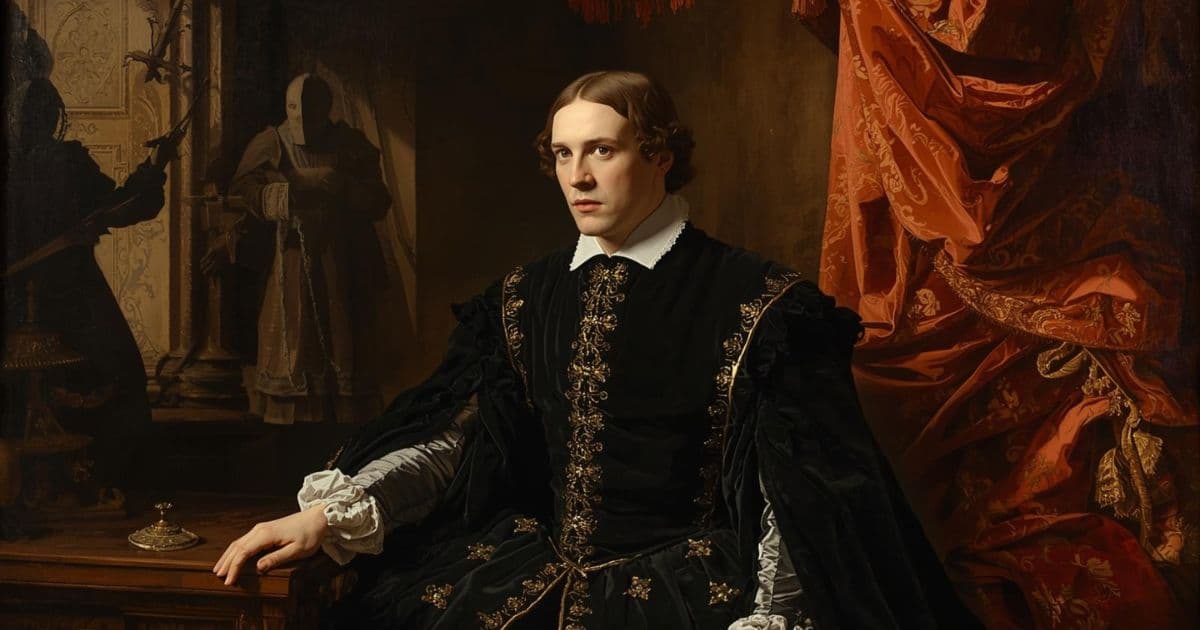
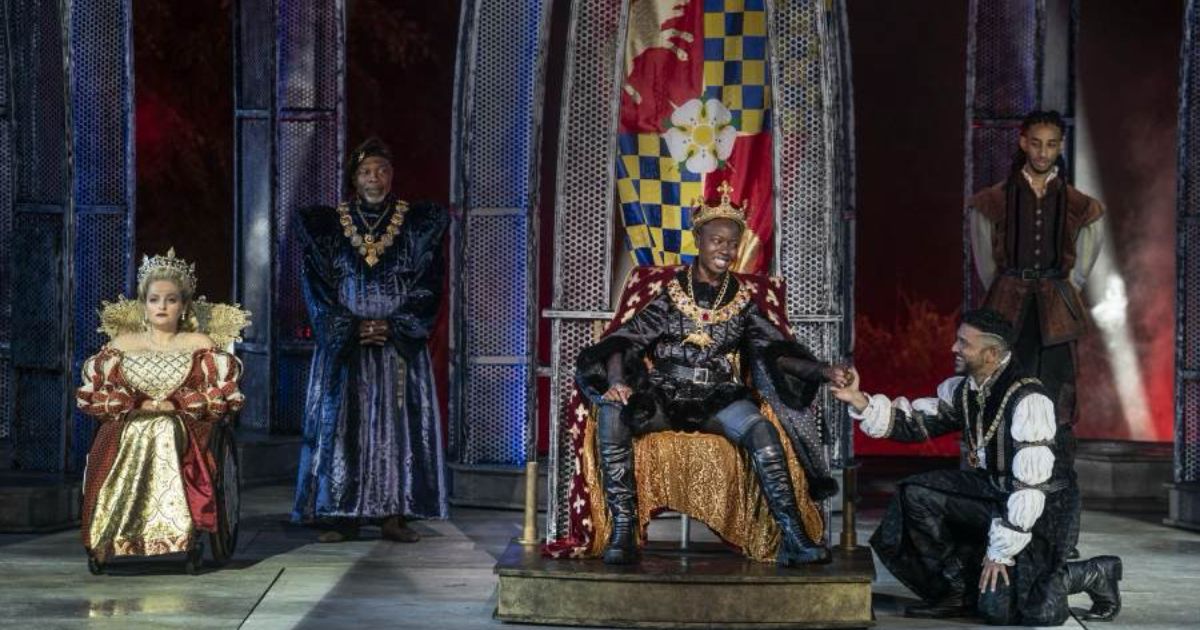
The Duchess of York comforts Clarence's orphaned children, who sense their father is dead. Clarence's young son innocently reveals Richard's manipulation: 'My good Uncle Gloucester told me the King, provoked to it by the Queen, devised impeachments to imprison him; and when my Uncle told me so, he wept, and pitied me, and kindly kissed my cheek. Bade me rely on him, as on my father, and he would love me dearly as a child.' The Duchess recognizes the horror—her own son using false tears to manipulate orphaned children: 'Ah! that Deceit should steal such gentle shape, and with a virtuous visor hide deep vice. He is my son, I, and therein my shame, yet from my dugs, he drew not this deceit.' Queen Elizabeth enters in wild grief—King Edward has died. The scene becomes a chorus of mourning: the Queen for her husband, the children for their father Clarence, the Duchess for both her sons. 'I am the mother of these griefs,' she laments. Rivers urges focusing on crowning young Prince Edward. Richard enters with Buckingham, performing sympathy. He kneels to his mother asking her blessing—she gives it with pointed irony: 'God bless thee, and put meekness in thy breast, Love Charity, Obedience, and true Duty.' Richard dryly notes she forgot to wish him long life. Buckingham suggests bringing the young prince to London with only a small escort—ostensibly to prevent conflict, actually to isolate him. After everyone leaves, Richard and Buckingham reveal their true plan: 'to part the Queen's proud kindred from the prince.' Richard calls Buckingham 'My other self, my counsel's consistory, my oracle, my prophet' and agrees to go separate the prince from his protectors. The trap is set.
Master this chapter. Complete your experience
Purchase the complete book to access all chapters and support classic literature
As an Amazon Associate, we earn a small commission from qualifying purchases at no additional cost to you.
Available in paperback, hardcover, and e-book formats
Let's Analyse the Pattern
Using the appearance of protection to gain control over vulnerable people
Why This Matters
Connect literature to life
Some people use protection as a form of control. When someone positions themselves as your guardian, examine whether they're actually protecting you or controlling you.
Practice This Today
Watch for people who offer protection. Examine whether they're actually helping you or making themselves necessary to you.
Now let's explore the literary elements.
Key Quotes & Analysis
"Ah, that deceit should steal such gentle shape And with a virtuous visor hide deep vice!"
Context: The Duchess lamenting Richard's evil
The Duchess recognizes that Richard's evil is hidden behind a 'virtuous visor' - he appears good but is deeply corrupt.
In Today's Words:
How can evil hide behind such a good appearance?
"He is my son—ay, and therein my shame; Yet from my dugs he drew not this deceit."
Context: The Duchess acknowledging Richard is her son but not her fault
Even Richard's own mother recognizes his evil and feels shame. She knows she didn't create this - Richard's evil is his own.
In Today's Words:
He's my son, and that's my shame, but I didn't teach him this evil
Thematic Threads
Manipulation
In This Chapter
Richard uses protection as a form of control
Development
The manipulation becomes more sophisticated
In Your Life:
Watch for people who position themselves as protectors - they may be seeking control
You now have the context. Time to form your own thoughts.
Discussion Questions
- 1
How does Richard use protection as manipulation?
analysis • medium
Critical Thinking Exercise
The Protection Trap
Richard positions himself as protector. Think of someone who offered protection but actually sought control.
Consider:
- •What's the difference between protection and control?
- •How can you tell when someone is using protection to manipulate?
Coming Up Next...
Chapter 7: Act II, Scene 3: The Citizens' Fears
Richard's manipulation of the princes continues as he isolates them and removes their protectors.