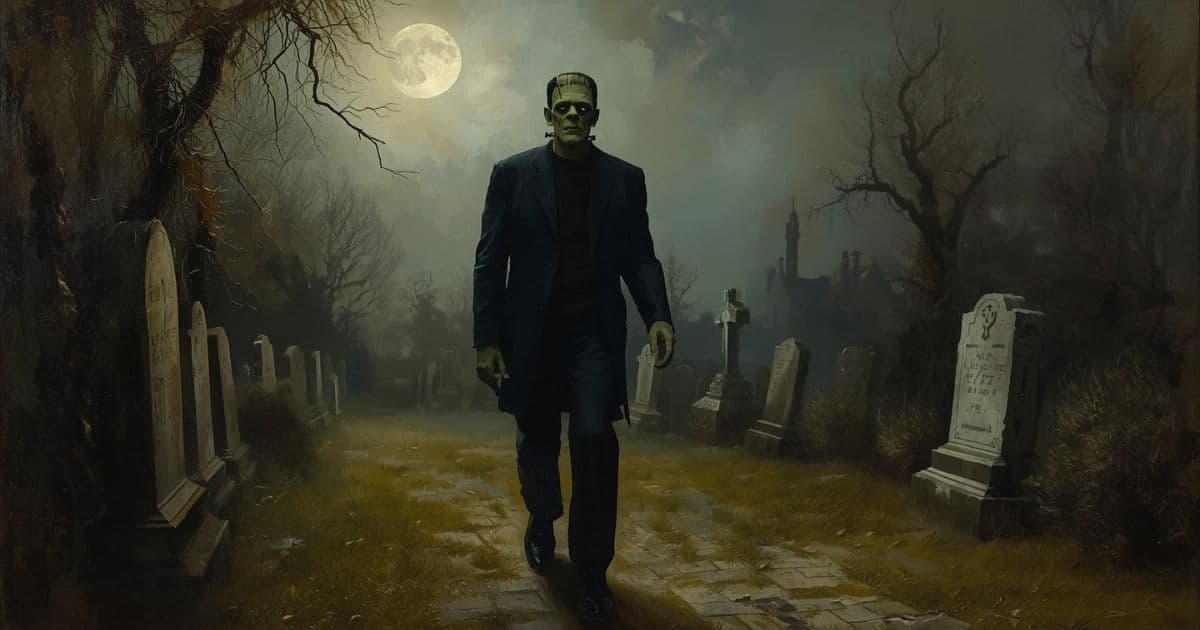
The Strange Case of Dr Jekyll and Mr Hyde
by Robert Louis Stevenson (1886)
📚 Quick Summary
Main Themes
Best For
High school and college students studying gothic fiction, book clubs, and readers interested in identity & self and morality & ethics
Complete Guide: 10 chapter summaries • Character analysis • Key quotes • Discussion questions • Modern applications • 100% free
How to Use This Study Guide
Review themes and key characters to know what to watch for
Follow along chapter-by-chapter with summaries and analysis
Use discussion questions and quotes for essays and deeper understanding
Book Overview
What happens when a brilliant doctor discovers how to separate his respectable self from his hidden desires? The Strange Case of Dr Jekyll and Mr Hyde by Robert Louis Stevenson (1886) explores one of humanity's most enduring questions: Can we truly divide ourselves into good and evil, public and private, acceptable and forbidden? Dr. Henry Jekyll is everything Victorian society demands—cultured, charitable, restrained. But beneath this polished exterior lurks a desperate need for freedom from relentless moral expectations. Through groundbreaking science, Jekyll creates a potion that transforms him into Edward Hyde, a smaller, younger being who embodies every impulse he's spent a lifetime suppressing. As Hyde, Jekyll experiences intoxicating liberation—no consequences, no judgment, pure uninhibited existence. But liberation becomes addiction. Hyde grows stronger with each transformation, his actions escalating from indulgence to cruelty to violence. The man who thought he could control his darkness discovers it was always stronger than his civilized facade. Jekyll's fatal mistake wasn't creating Hyde—it was believing he could compartmentalize his nature without consequences. This masterwork speaks powerfully to our modern struggle with authenticity and integration. We curate our social media selves while hiding our messiness. We present professional personas while suppressing our frustrations. We split our lives into acceptable public displays and private realities no one sees. We maintain work selves and home selves, online identities and offline truths. Jekyll's tragedy shows us that denying parts of ourselves doesn't make them disappear—it makes them dangerous. What's really going on, discover how this Gothic thriller illuminates timeless truths about psychological integration, the cost of perfectionism, and why suppressing your shadow self always backfires. Jekyll and Hyde aren't two people—they're the war we all fight between who we are and who we think we should be.
Why Read The Strange Case of Dr Jekyll and Mr Hyde Today?
Classic literature like The Strange Case of Dr Jekyll and Mr Hyde offers more than historical insight—it provides roadmaps for navigating modern challenges. What's really going on, each chapter reveals practical wisdom applicable to contemporary life, from career decisions to personal relationships.
Skills You'll Develop Reading This Book
Beyond literary analysis, The Strange Case of Dr Jekyll and Mr Hyde helps readers develop critical real-world skills:
Critical Thinking
Analyze complex characters, motivations, and moral dilemmas that mirror real-life decisions.
Emotional Intelligence
Understand human behavior, relationships, and the consequences of choices through character studies.
Cultural Literacy
Gain historical context and understand timeless themes that shaped and continue to influence society.
Communication Skills
Articulate complex ideas and engage in meaningful discussions about themes, ethics, and human nature.
Major Themes
Key Characters
Mr. Utterson
Protagonist
Featured in 7 chapters
Dr. Jekyll
Friend in denial
Featured in 5 chapters
Mr. Hyde
Antagonist
Featured in 4 chapters
Dr. Lanyon
Former friend and potential ally
Featured in 4 chapters
Poole
Loyal servant and information source
Featured in 4 chapters
Edward Hyde
Mysterious antagonist
Featured in 3 chapters
Mr. Enfield
Narrator/witness
Featured in 2 chapters
Sir Danvers Carew
Victim
Featured in 2 chapters
The child
Victim
Featured in 1 chapter
The maid
Witness
Featured in 1 chapter
Key Quotes
"I incline to Cain's heresy: I let my brother go to the devil in his own way."
"He was perfectly cool and made no resistance, but gave me one look, so ugly that it brought out the sweat on me like running."
"If he be Mr. Hyde, I shall be Mr. Seek"
"There is something wrong with his appearance; something displeasing, something downright detestable"
"I never saw a man so distressed as you were by my will"
"The moment I choose, I can be rid of Mr. Hyde"
"Never had she felt more at peace with all men or thought more kindly of the world."
"The older man bowed and accosted the other with a very pretty manner of politeness."
"I have buried one friend today and I cannot afford to lose another through any act of mine."
"No sir, nothing. Only once a circular came from a chemist's shop."
"The death of Sir Danvers was, to his way of thinking, more than paid for by the disappearance of Mr. Hyde."
"His face seemed to open and brighten, as if with an inward consciousness of service."
Discussion Questions
1. Why do both Utterson and Enfield choose not to ask more questions about Hyde, even though they're clearly disturbed by what they know?
From Chapter 1 →2. What does Enfield mean when he says that asking questions can start stones rolling that 'crush innocent people'? How does this connect to Utterson's philosophy of helping people society has written off?
From Chapter 1 →3. What specific actions does Utterson take to investigate Hyde, and how does he justify each step to himself?
From Chapter 2 →4. Why does Utterson's concern for Jekyll lead him to surveillance rather than direct conversation? What does this reveal about his assumptions?
From Chapter 2 →5. Why does Jekyll become so defensive when Utterson brings up Hyde, and what does his physical reaction (pale face, dark eyes) tell us?
From Chapter 3 →6. Jekyll says he can 'be rid of Mr. Hyde' whenever he chooses, but then begs Utterson to protect Hyde. What does this contradiction reveal about Jekyll's mental state?
From Chapter 3 →7. What specific details make Hyde's attack on Carew so shocking, and how does the community react to this crime?
From Chapter 4 →8. Why do you think Hyde chose Carew as his victim, and what does the extreme violence tell us about what's been building inside Hyde?
From Chapter 4 →9. What does Utterson discover about the letter supposedly written by Hyde, and how does he react to this discovery?
From Chapter 5 →10. Why do you think Utterson chooses to lock away the evidence rather than confront Jekyll directly about the forged letter?
From Chapter 5 →11. Why does Jekyll suddenly become happy and social again after Hyde disappears, and what breaks this peaceful period?
From Chapter 6 →12. What does Lanyon's physical deterioration and refusal to hear Jekyll's name tell us about the power of secrets to destroy relationships?
From Chapter 6 →13. What physical signs show that Jekyll has become a prisoner in his own home?
From Chapter 7 →14. Why do you think Jekyll says he 'dare not' leave his house, even though he clearly wants to join his friends?
From Chapter 7 →15. Why does Poole risk his job and reputation to tell Utterson that something is wrong with Jekyll?
From Chapter 8 →For Educators
Looking for teaching resources? Each chapter includes tiered discussion questions, critical thinking exercises, and modern relevance connections.
View Educator Resources →All Chapters
Chapter 1: The Mysterious Door and Mr. Hyde
We meet Mr. Utterson, a reserved lawyer who embodies quiet integrity - he judges no one but helps everyone, especially those society has written off. ...
Chapter 2: The Lawyer's Obsession
Utterson returns home deeply troubled by what he learned about Hyde. He retrieves Jekyll's will from his safe, rereading the disturbing clause that gi...
Chapter 3: The Friend's Intervention
Utterson finally gets his chance to confront Jekyll about Hyde during a private dinner conversation. What starts as a pleasant evening between old fri...
Chapter 4: The Murder of Sir Danvers Carew
A brutal murder shatters London's sense of safety when Mr. Hyde savagely beats Sir Danvers Carew to death with a walking stick. A maid witnesses the e...
Chapter 5: The Forged Letter's Secret
Utterson visits Jekyll in his laboratory after the Carew murder, finding his friend looking deathly ill and terrified. Jekyll swears he's done with Hy...
Chapter 6: When Friends Fall Apart
After Hyde's disappearance following the murder, Jekyll seems to transform back into his old self - social, charitable, and genuinely happy. For two m...
Chapter 7: The Window and the Horror
Utterson and Enfield take their usual Sunday walk and find themselves back at the mysterious door that connects to Jekyll's house. They decide to chec...
Chapter 8: Breaking Down the Door
Poole, Jekyll's loyal butler, arrives at Utterson's home in a state of terror. For a week, he's been afraid of whatever is locked in Jekyll's cabinet,...
Chapter 9: The Midnight Revelation
Dr. Lanyon receives a frantic letter from his old colleague Jekyll, begging him to retrieve a mysterious drawer from Jekyll's cabinet and give it to a...
Chapter 10: Jekyll's Final Confession
In his final written confession, Jekyll reveals the full story of his transformation into Hyde. Born into privilege with high moral standards, Jekyll ...
Frequently Asked Questions
What is The Strange Case of Dr Jekyll and Mr Hyde about?
What happens when a brilliant doctor discovers how to separate his respectable self from his hidden desires? The Strange Case of Dr Jekyll and Mr Hyde by Robert Louis Stevenson (1886) explores one of humanity's most enduring questions: Can we truly divide ourselves into good and evil, public and private, acceptable and forbidden? Dr. Henry Jekyll is everything Victorian society demands—cultured, charitable, restrained. But beneath this polished exterior lurks a desperate need for freedom from relentless moral expectations. Through groundbreaking science, Jekyll creates a potion that transforms him into Edward Hyde, a smaller, younger being who embodies every impulse he's spent a lifetime suppressing. As Hyde, Jekyll experiences intoxicating liberation—no consequences, no judgment, pure uninhibited existence. But liberation becomes addiction. Hyde grows stronger with each transformation, his actions escalating from indulgence to cruelty to violence. The man who thought he could control his darkness discovers it was always stronger than his civilized facade. Jekyll's fatal mistake wasn't creating Hyde—it was believing he could compartmentalize his nature without consequences. This masterwork speaks powerfully to our modern struggle with authenticity and integration. We curate our social media selves while hiding our messiness. We present professional personas while suppressing our frustrations. We split our lives into acceptable public displays and private realities no one sees. We maintain work selves and home selves, online identities and offline truths. Jekyll's tragedy shows us that denying parts of ourselves doesn't make them disappear—it makes them dangerous. What's really going on, discover how this Gothic thriller illuminates timeless truths about psychological integration, the cost of perfectionism, and why suppressing your shadow self always backfires. Jekyll and Hyde aren't two people—they're the war we all fight between who we are and who we think we should be.
What are the main themes in The Strange Case of Dr Jekyll and Mr Hyde?
The major themes in The Strange Case of Dr Jekyll and Mr Hyde include Class, Identity, Control, Social Expectations, Loyalty. These themes are explored throughout the book's 10 chapters, offering insights into human nature and society that remain relevant today.
Why is The Strange Case of Dr Jekyll and Mr Hyde considered a classic?
The Strange Case of Dr Jekyll and Mr Hyde by Robert Louis Stevenson is considered a classic because it offers timeless insights into identity & self and morality & ethics. Written in 1886, the book continues to be studied in schools and universities for its literary merit and enduring relevance to modern readers.
How long does it take to read The Strange Case of Dr Jekyll and Mr Hyde?
The Strange Case of Dr Jekyll and Mr Hyde contains 10 chapters with an estimated total reading time of approximately 2 hours. Individual chapters range from 5-15 minutes each, making it manageable to read in shorter sessions.
Who should read The Strange Case of Dr Jekyll and Mr Hyde?
The Strange Case of Dr Jekyll and Mr Hyde is ideal for students studying gothic fiction, book club members, and anyone interested in identity & self or morality & ethics. The book is rated intermediate difficulty and is commonly assigned in high school and college literature courses.
Is The Strange Case of Dr Jekyll and Mr Hyde hard to read?
The Strange Case of Dr Jekyll and Mr Hyde is rated intermediate difficulty. Our chapter-by-chapter analysis breaks down complex passages, explains historical context, and highlights key themes to make the text more accessible. Each chapter includes summaries, character analysis, and discussion questions to deepen your understanding.
Can I use this study guide for essays and homework?
Yes! Our study guide is designed to supplement your reading of The Strange Case of Dr Jekyll and Mr Hyde. Use it to understand themes, analyze characters, and find relevant quotes for your essays. However, always read the original text—this guide enhances but doesn't replace reading Robert Louis Stevenson's work.
What makes this different from SparkNotes or CliffsNotes?
Unlike traditional study guides, Amplified Classics shows you why The Strange Case of Dr Jekyll and Mr Hyde still matters today. Every chapter includes modern applications, life skills connections, and practical wisdom—not just plot summaries. Plus, it's 100% free with no ads or paywalls.
Ready to Dive Deeper?
Each chapter includes our Intelligence Amplifier™ analysis, showing how The Strange Case of Dr Jekyll and Mr Hyde's insights apply to modern challenges in career, relationships, and personal growth.
Start Reading Chapter 1Explore Life Skills in This Book
Discover the essential life skills readers develop through The Strange Case of Dr Jekyll and Mr Hydein our Essential Life Index.
View in Essential Life IndexThemes in This Book
Click a theme to find more books with similar topics