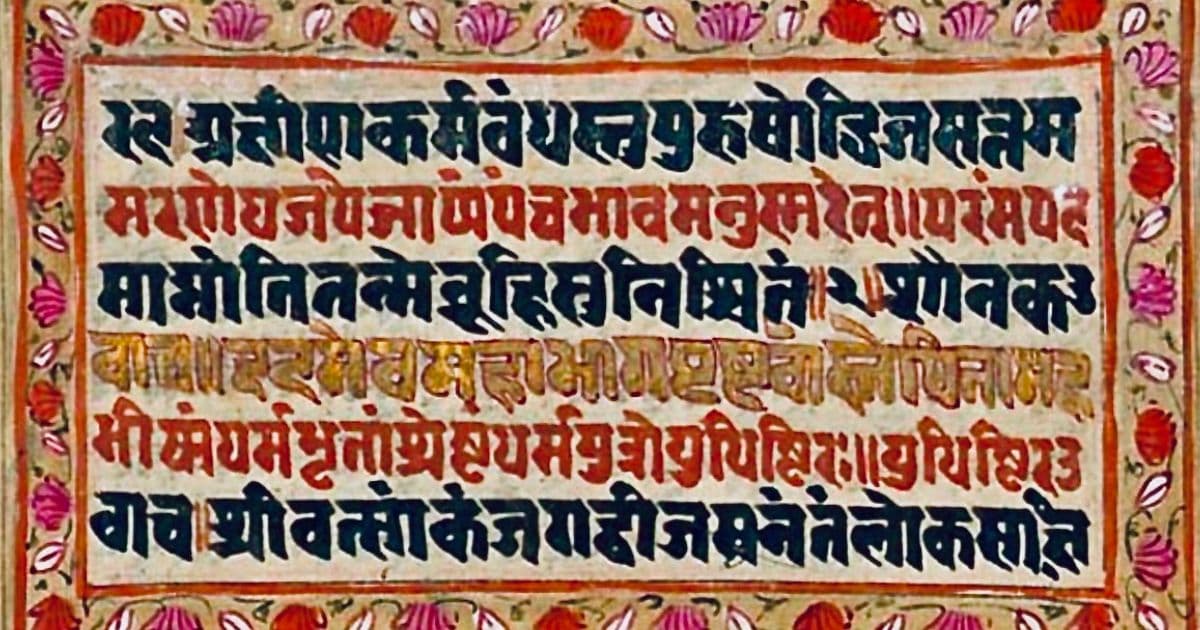
An excerpt from the original text.(complete · 528 words)
20:020:001 ine is a mocker, strong drink is raging: and whosoever is
deceived thereby is not wise.
20:020:002 The fear of a king is as the roaring of a lion: whoso
provoketh him to anger sinneth against his own soul.
20:020:003 It is an honour for a man to cease from strife: but every fool
will be meddling.
20:020:004 The sluggard will not plow by reason of the cold; therefore
shall he beg in harvest, and have nothing.
20:020:005 Counsel in the heart of man is like deep water; but a man of
understanding will draw it out.
20:020:006 Most men will proclaim every one his own goodness: but a
faithful man who can find?
20:020:007 The just man walketh in his integrity: his children are
blessed after him.
20:020:008 A king that sitteth in the throne of judgment scattereth away
all evil with his eyes.
20:020:009 Who can say, I have made my heart clean, I am pure from my
sin?
20:020:010 Divers weights, and divers measures, both of them are alike
abomination to the LORD.
20:020:011 Even a child is known by his doings, whether his work be pure,
and whether it be right.
20:020:012 The hearing ear, and the seeing eye, the LORD hath made even
both of them.
20:020:013 Love not sleep, lest thou come to poverty; open thine eyes,
and thou shalt be satisfied with bread.
20:020:014 It is naught, it is naught, saith the buyer: but when he is
gone his way, then he boasteth.
20:020:015 There is gold, and a multitude of rubies: but the lips of
knowledge are a precious jewel.
20:020:016 Take his garment that is surety for a stranger: and take a
pledge of him for a strange woman.
20:020:017 Bread of deceit is sweet to a man; but afterwards his mouth
shall be filled with gravel.
20:020:018 Every purpose is established by counsel: and with good advice
make war.
20:020:019 He that goeth about as a talebearer revealeth secrets:
therefore meddle not with him that flattereth with his lips.
20:020:020 Whoso curseth his father or his mother, his lamp shall be put
out in obscure darkness.
20:020:021 An inheritance may be gotten hastily at the beginning; but the
end thereof shall not be blessed.
20:020:022 Say not thou, I will recompense evil; but wait on the LORD,
and he shall save thee.
20:020:023 Divers weights are an abomination unto the LORD; and a false
balance is not good.
20:020:024 Man's goings are of the LORD; how can a man then understand
his own way?
20:020:025 It is a snare to the man who devoureth that which is holy, and
after vows to make enquiry.
20:020:026 A wise king scattereth the wicked, and bringeth the wheel over
them.
20:020:027 The spirit of man is the candle of the LORD, searching all the
inward parts of the belly.
20:020:028 Mercy and truth preserve the king: and his throne is upholden
by mercy.
20:020:029 The glory of young men is their strength: and the beauty of
old men is the grey head.
20:020:030 The blueness of a wound cleanseth away evil: so do stripes the
inward parts of the belly.
Master this chapter. Complete your experience
Purchase the complete book to access all chapters and support classic literature
As an Amazon Associate, we earn a small commission from qualifying purchases at no additional cost to you.
Available in paperback, hardcover, and e-book formats
Let's Analyse the Pattern
The wider the gap between what we claim about ourselves and what we actually do, the more vulnerable we become to exposure and failure.
Why This Matters
Connect literature to life
This chapter teaches how to distinguish between people who talk about their qualities versus those who demonstrate them through consistent actions.
Practice This Today
This week, notice when someone feels the need to tell you what kind of person they are - then watch whether their actions over the next month match their self-description.
Now let's explore the literary elements.
Key Quotes & Analysis
"Wine is a mocker, strong drink is raging: and whosoever is deceived thereby is not wise"
Context: Opening the chapter with a warning about substances that impair judgment
This isn't about prohibition but about recognizing that alcohol can make you act foolishly and make decisions you'll regret. The focus is on being 'deceived' - not seeing clearly what's really happening.
In Today's Words:
Alcohol makes you think you're funnier and smarter than you are, and if you fall for that, you're setting yourself up.
"The sluggard will not plow by reason of the cold; therefore shall he beg in harvest, and have nothing"
Context: Describing someone who makes excuses to avoid necessary work
Perfect conditions never come, so people who wait for them miss their opportunities entirely. The consequence isn't immediate - it comes later when everyone else is enjoying the results of their labor.
In Today's Words:
The person who won't start because the timing isn't perfect ends up watching everyone else succeed.
"Most men will proclaim every one his own goodness: but a faithful man who can find?"
Context: Contrasting self-promotion with actual reliability
Everyone talks about how great they are, but actually dependable people are rare. This highlights the gap between what people claim about themselves and what they actually deliver.
In Today's Words:
Everybody's got a story about how awesome they are, but finding someone who actually shows up when you need them? Good luck with that.
"It is naught, it is naught, saith the buyer: but when he is gone his way, then he boasteth"
Context: Describing deceptive negotiation tactics
This captures the dishonesty in everyday transactions - people who pretend something is worthless to get a better price, then brag about their 'great deal.' It shows how common deception is in daily life.
In Today's Words:
They'll trash-talk what you're selling to knock down the price, then turn around and brag about what a steal they got.
Thematic Threads
Authenticity
In This Chapter
Solomon contrasts people who proclaim their goodness versus those whose character speaks through consistent actions
Development
Building on earlier wisdom about integrity, now focusing specifically on self-promotion versus genuine virtue
In Your Life:
You might notice yourself explaining your good intentions more than demonstrating them through actions
Deception
In This Chapter
Buyers who complain about prices then brag about deals, people who profit from dishonest practices while maintaining good reputations
Development
Expanding from personal lies to systemic deception in business and social interactions
In Your Life:
You might recognize times when you've justified small dishonest acts by focusing on the benefits rather than the character cost
Work Ethic
In This Chapter
The person who won't work when conditions aren't perfect ends up with nothing when opportunity comes
Development
Introduced here as a practical application of wisdom about preparation and character
In Your Life:
You might catch yourself waiting for perfect conditions instead of starting with what you have available now
Justice
In This Chapter
Warning against personal revenge, trusting that justice will eventually prevail through proper channels
Development
Building on themes of patience and divine justice from earlier chapters
In Your Life:
You might struggle with wanting to 'get back' at someone rather than letting consequences unfold naturally
Legacy
In This Chapter
Children benefit from parents with genuine integrity, while inherited wealth without character leads to emptiness
Development
Introduced here as connection between personal character and generational impact
In Your Life:
You might realize that what you model daily matters more for your children than what you provide materially
You now have the context. Time to form your own thoughts.
Discussion Questions
- 1
Solomon warns about people who brag about their own goodness versus those who actually live with integrity. What specific behaviors does he point to as red flags?
analysis • surface - 2
Why does Solomon connect laziness with making excuses about conditions not being perfect? What's the deeper pattern he's revealing about human nature?
analysis • medium - 3
Where do you see the 'performance versus reality' gap in your workplace, family, or social media? What are the signs someone is managing their image rather than building character?
application • medium - 4
When you feel tempted to explain or justify what kind of person you are instead of just showing it, how could you redirect that energy into actual character building?
application • deep - 5
Solomon suggests that seeking revenge backfires while trusting in justice works better long-term. What does this reveal about the difference between immediate satisfaction and lasting outcomes?
reflection • deep
Critical Thinking Exercise
Track Your Follow-Through Rate
For the next week, keep a simple tally of promises you make versus promises you keep - both to others and to yourself. Include everything from 'I'll call you back' to 'I'll exercise tomorrow.' At the end of the week, calculate your percentage. This isn't about judgment, it's about awareness of the gap between your intentions and your actions.
Consider:
- •Notice which types of commitments you're most likely to break
- •Pay attention to how you feel when you break small promises to yourself
- •Observe whether people treat you differently when your follow-through improves
Journaling Prompt
Write about a time when someone's actions completely contradicted their words about their character. How did that experience change how you evaluate people? What patterns do you now watch for?
Coming Up Next...
Chapter 21: Power, Pride, and Practical Wisdom
The next chapter opens with a powerful image: even kings' hearts are like rivers that can be redirected. Solomon will explore how influence really works and what it means when even the most powerful people aren't fully in control of their own destinies.