A chapter overview excerpt.(~413 words)
nne's journey continues as she navigates declaration and resolution. This chapter explores themes of vulnerability, courage, second chances.
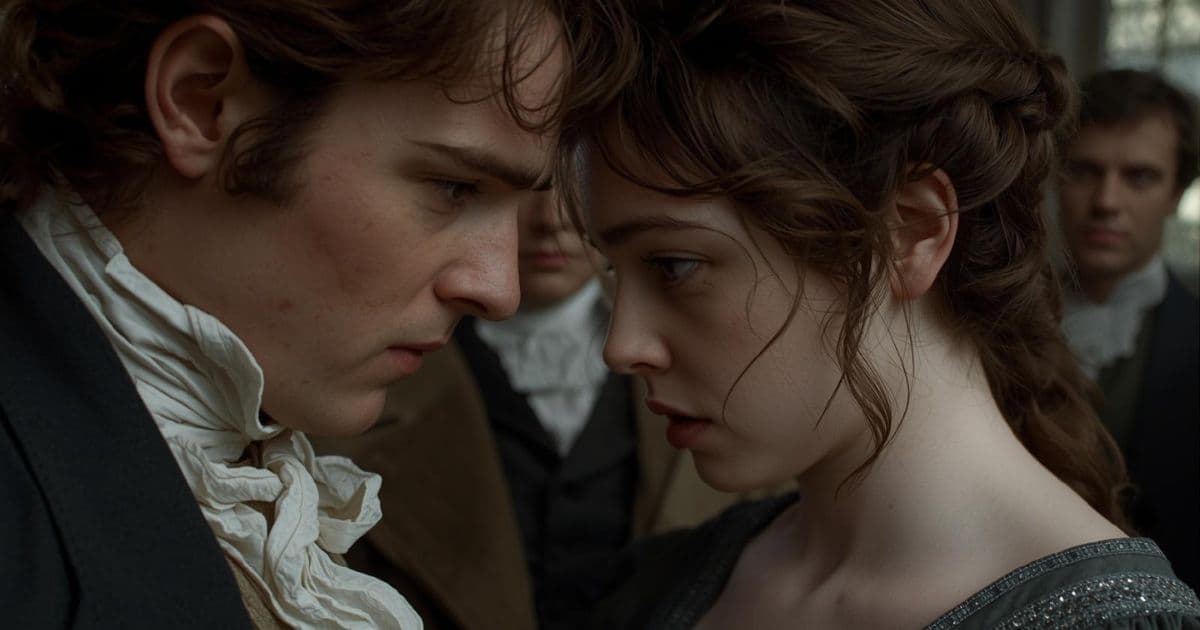
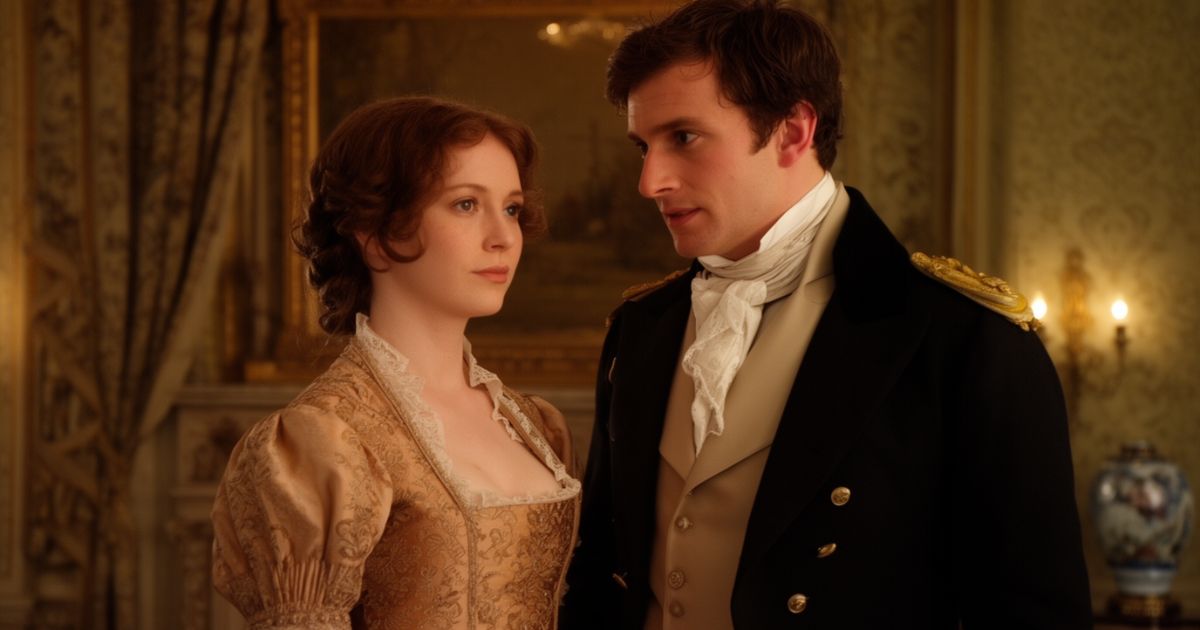
Anne returns to the White Hart the next morning. In the room: Mrs. Musgrove talking with Mrs. Croft, Captain Harville speaking with Wentworth. The conversation turns to long engagements. Mrs. Croft and Mrs. Musgrove agree they're terrible—better to marry on a small income than endure uncertain waiting. Anne feels it deeply, knows it applies to her and Wentworth's broken engagement. At the distant table, Wentworth's pen suddenly stops. He's listening.
Captain Harville draws Anne aside, shows her a miniature portrait of Benwick—painted for Fanny Harville, now to be reset for Louisa. "Poor Fanny! she would not have forgotten him so soon!" Anne replies quietly: "That would not be the nature of any woman who truly loved." They begin debating whether men or women are more constant in love. Harville claims men's feelings are strongest. Anne counters: "Your feelings may be the strongest, but the same spirit of analogy will authorize me to assert that ours are the most tender." Men have profession, exertion, occupation to distract them. Women live confined, feelings preying on them. She concludes, voice breaking: "All the privilege I claim for my own sex is that of loving longest, when existence or when hope is gone."
Across the room, Wentworth has been writing—supposedly a letter to Benwick, but actually writing to Anne, listening to every word she says. When the Crofts prepare to leave, he hastily seals his letter and rushes out without a glance at Anne. She's devastated. Then he returns: "I forgot my gloves." He crosses to the writing table, draws out a letter from under the papers, places it before Anne with glowing, entreating eyes, and vanishes. The letter: "I can listen no longer in silence. You pierce my soul. I am half agony, half hope... I have loved none but you... You alone have brought me to Bath. For you alone, I think and plan... I must go, uncertain of my fate; but I shall return hither, or follow your party, as soon as possible. A word, a look, will be enough to decide whether I enter your father's house this evening or never."
Anne is overcome. She claims illness, rushes out, refusing a chair because she knows she'll meet him on the street. On Union Street, he appears. Charles, obliging and oblivious, asks Wentworth to escort Anne home. They walk together alone, finally, and everything is said.
Master this chapter. Complete your experience
Purchase the complete book to access all chapters and support classic literature
As an Amazon Associate, we earn a small commission from qualifying purchases at no additional cost to you.
Available in paperback, hardcover, and e-book formats
Let's Analyse the Pattern
Recognizing and navigating vulnerability, courage, second chances
Why This Matters
Connect literature to life
Declaration and resolution
Practice This Today
Observe how vulnerability, courage, second chances operate in your own relationships and social settings.
Now let's explore the literary elements.
Key Quotes & Analysis
"Anne reflected on the events unfolding before her, seeing clearly what others could not."
Context: Reflecting on the letter
Austen uses Anne's perception to illuminate vulnerability, courage, second chances.
In Today's Words:
Sometimes the quiet observer sees most clearly, especially regarding vulnerability.
Thematic Threads
The Letter
In This Chapter
Anne experiences declaration and resolution
Development
This connects to the broader themes of constancy and second chances
In Your Life:
Consider how vulnerability, courage, second chances appear in your own relationships
You now have the context. Time to form your own thoughts.
Discussion Questions
- 1
How does Anne handle declaration and resolution? What can we learn from her approach?
analysis • medium - 2
Think of a time when you experienced vulnerability. How did you navigate it?
reflection • deep
Critical Thinking Exercise
Understanding The Letter
Reflect on a situation in your life involving vulnerability, courage, second chances. How did you handle it, and what would you do differently now?
Consider:
- •How did vulnerability affect your decisions?
- •What did you learn from the experience?
Journaling Prompt
Write about how understanding vulnerability, courage, second chances has changed your approach to relationships.
Coming Up Next...
Chapter 24: Resolution
Anne's journey continues as new revelations and challenges emerge...