A chapter overview excerpt.(~436 words)
nne's journey continues as she navigates claiming your happiness. This chapter explores themes of reconciliation, growth, earned joy.
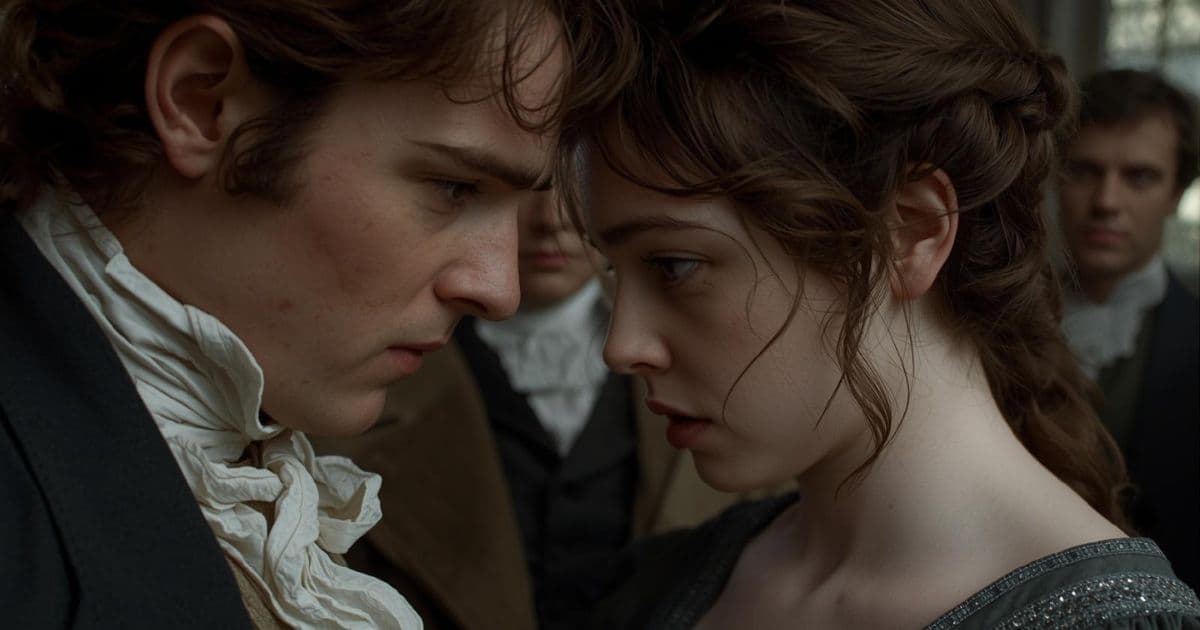
They're engaged. Sir Walter makes no objection—Wentworth, with twenty-five thousand pounds and high rank in his profession, "was no longer nobody." Elizabeth offers only cold indifference. Lady Russell must acknowledge she was completely wrong about both men—wrong to suspect Wentworth of dangerous impetuosity, wrong to trust Mr. Elliot's polished correctness. But she loves Anne better than her own judgment, and when the awkwardness passes, she attaches herself warmly to "the man who was securing the happiness of her other child."
The evening party arrives. Anne has never found an evening shorter. She's "glowing and lovely in sensibility and happiness," more admired than she knows or cares. She can pity Mr. Elliot now, understand the Wallises' absurdity, tolerate the boring Dalrymples. With the Musgroves there's perfect ease, with Captain Harville the warmth of siblings, with the Crofts fervent interest barely concealed, and with Wentworth—moments of communication continually occurring, "always the hope of more, and always the knowledge of his being there."
They piece together what happened. Wentworth admits he tried to fall in love with Louisa out of angry pride, but never could. At Lyme he learned the difference between Anne's steadiness of principle and Louisa's obstinacy of self-will, between heedless daring and true resolution. The crisis revealed Anne's excellence—her composure, wisdom, strength. He realized he'd been unjust, but felt honor-bound to Louisa if she wanted him. Only when her engagement to Benwick freed him did he race to Bath. He came for Anne alone. But seeing her with Mr. Elliot, with Lady Russell promoting the match, believing everyone wanted it—jealousy tormented him. Then he heard Anne's words about women loving longest "when hope is gone," and couldn't stay silent.
Wentworth asks: if he'd written to her in 1808 when he'd made his fortune, would she have renewed their engagement? "Would I!" Anne says, accent decisive. He's staggered: six years of suffering could have been avoided. His pride kept him from trying to regain her. "I must learn to brook being happier than I deserve." Anne insists she was right to be guided by Lady Russell then—she'd have suffered more in her conscience by defying someone in a parent's place. But she adds she'd never give the same advice to anyone else. They were both right and both wrong. The resolution is hard-won, mature, real. Anne becomes a sailor's wife, accepting the quick alarm of loving someone whose profession means danger. But she glories in it. Tenderness itself, she has the full worth of it in Wentworth's unchanging affection.
Master this chapter. Complete your experience
Purchase the complete book to access all chapters and support classic literature
As an Amazon Associate, we earn a small commission from qualifying purchases at no additional cost to you.
Available in paperback, hardcover, and e-book formats
Let's Analyse the Pattern
Recognizing and navigating reconciliation, growth, earned joy
Why This Matters
Connect literature to life
Claiming your happiness
Practice This Today
Observe how reconciliation, growth, earned joy operate in your own relationships and social settings.
Now let's explore the literary elements.
Key Quotes & Analysis
"Anne reflected on the events unfolding before her, seeing clearly what others could not."
Context: Reflecting on resolution
Austen uses Anne's perception to illuminate reconciliation, growth, earned joy.
In Today's Words:
Sometimes the quiet observer sees most clearly, especially regarding reconciliation.
Thematic Threads
Resolution
In This Chapter
Anne experiences claiming your happiness
Development
This connects to the broader themes of constancy and second chances
In Your Life:
Consider how reconciliation, growth, earned joy appear in your own relationships
You now have the context. Time to form your own thoughts.
Discussion Questions
- 1
How does Anne handle claiming your happiness? What can we learn from her approach?
analysis • medium - 2
Think of a time when you experienced reconciliation. How did you navigate it?
reflection • deep
Critical Thinking Exercise
Understanding Resolution
Reflect on a situation in your life involving reconciliation, growth, earned joy. How did you handle it, and what would you do differently now?
Consider:
- •How did reconciliation affect your decisions?
- •What did you learn from the experience?
Journaling Prompt
Write about how understanding reconciliation, growth, earned joy has changed your approach to relationships.