

Amplified ClassicsAmplified Classics
Literature MattersLife IndexEducators
Sign inSign up
Persuasion - Captain Harville's Argument

Jane Austen

Persuasion

Captain Harville's Argument

Home›Books›Persuasion›Chapter 22
Previous
22 of 24
Next

Summary

Captain Harville's Argument

Persuasion by Jane Austen

0:000:00
Listen to Next Chapter

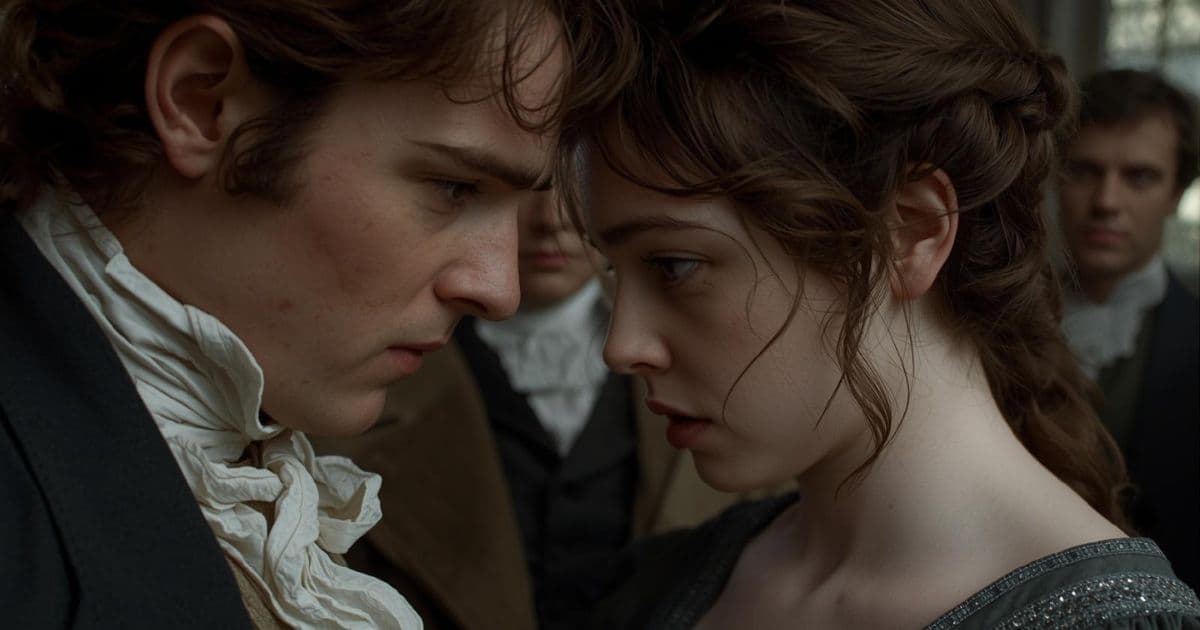
Anne escapes seeing Mr. Elliot in the morning, but he's coming again in the evening. Now that she knows his true character—the calculating selfishness, the cruelty to Mrs. Smith, the mercenary scheming—she can barely stand to be in his presence. When he arrives, she's icily civil, "decidedly cool," retracting "the few steps of unnecessary intimacy she had been gradually led along." She sees insincerity in everything now: his attentive deference to her father (whom he privately mocked), his artificial good sentiments, his polished lies. Mr. Elliot senses something has changed but doesn't understand what. The charm is broken. Then Mary and Charles Musgrove arrive unexpectedly, bringing Mrs. Musgrove and Henrietta to Bath. They're staying at the White Hart inn. Henrietta is shopping for wedding clothes—she and Charles Hayter will marry soon. And Captain Harville is here on business. Anne hurries to visit them at the inn, and there—suddenly, shockingly—Wentworth walks in with Charles. They're in the same room again, with their mutual friends, in circumstances that feel both promising and dangerous. Anne can barely think clearly. Charles wants everyone to go to the theatre, but Mary reminds him they're engaged to Camden Place tomorrow evening—Elizabeth's party to meet the Dalrymples and Mr. Elliot. Charles dismisses it: "What's an evening party? Never worth remembering." The discussion becomes heated. Charles asks what Mr. Elliot is to him—"What is Mr. Elliot to me?"—and Anne sees that "Captain Wentworth was all attention, looking and listening with his whole soul." Later, Wentworth approaches Anne and they have a brief, charged conversation. He mentions their eight-and-a-half-year separation: "It is a period, indeed!" Then Sir Walter and Elizabeth arrive, bringing their cold formality into the warm room. "The comfort, the freedom, the gaiety of the room was over, hushed into cold composure." Elizabeth extends an invitation to everyone for tomorrow's party, pointedly including Wentworth. But Anne can't tell if his acknowledgment is acceptance or contempt. That evening, she agonizes: will he come to Camden Place, or not?

Coming Up in Chapter 23

Anne's journey continues as new revelations and challenges emerge...

Share it with friends

Previous ChapterNext Chapter
GO ADS FREE — JOIN US

A chapter overview excerpt.(~348 words)

A

nne's journey continues as she navigates defending your truth. This chapter explores themes of constancy, gender, emotional honesty.

Anne escapes seeing Mr. Elliot in the morning, but he's coming again in the evening. Now that she knows his true character—the calculating selfishness, the cruelty to Mrs. Smith, the mercenary scheming—she can barely stand to be in his presence. When he arrives, she's icily civil, "decidedly cool," retracting "the few steps of unnecessary intimacy she had been gradually led along." She sees insincerity in everything now: his attentive deference to her father (whom he privately mocked), his artificial good sentiments, his polished lies. Mr. Elliot senses something has changed but doesn't understand what. The charm is broken.

Then Mary and Charles Musgrove arrive unexpectedly, bringing Mrs. Musgrove and Henrietta to Bath. They're staying at the White Hart inn. Henrietta is shopping for wedding clothes—she and Charles Hayter will marry soon. And Captain Harville is here on business. Anne hurries to visit them at the inn, and there—suddenly, shockingly—Wentworth walks in with Charles. They're in the same room again, with their mutual friends, in circumstances that feel both promising and dangerous. Anne can barely think clearly.

Charles wants everyone to go to the theatre, but Mary reminds him they're engaged to Camden Place tomorrow evening—Elizabeth's party to meet the Dalrymples and Mr. Elliot. Charles dismisses it: "What's an evening party? Never worth remembering." The discussion becomes heated. Charles asks what Mr. Elliot is to him—"What is Mr. Elliot to me?"—and Anne sees that "Captain Wentworth was all attention, looking and listening with his whole soul." Later, Wentworth approaches Anne and they have a brief, charged conversation. He mentions their eight-and-a-half-year separation: "It is a period, indeed!"

Then Sir Walter and Elizabeth arrive, bringing their cold formality into the warm room. "The comfort, the freedom, the gaiety of the room was over, hushed into cold composure." Elizabeth extends an invitation to everyone for tomorrow's party, pointedly including Wentworth. But Anne can't tell if his acknowledgment is acceptance or contempt. That evening, she agonizes: will he come to Camden Place, or not?

Master this chapter. Complete your experience

Purchase the complete book to access all chapters and support classic literature

Read Free on GutenbergBuy at Powell'sBuy on Amazon

As an Amazon Associate, we earn a small commission from qualifying purchases at no additional cost to you.

Available in paperback, hardcover, and e-book formats

GO ADS FREE — JOIN US

Let's Analyse the Pattern

Pattern: The Captain Pattern
Austen's exploration of defending your truth speaks to anyone who has experienced constancy, gender, emotional honesty. Anne's situation illuminates how we navigate these challenges in our own lives. Her quiet strength and clear perception offer a model for facing similar difficulties. Understanding constancy, gender, emotional honesty is essential for navigating relationships and personal growth.

Recognizing and navigating constancy, gender, emotional honesty

Why This Matters

Connect literature to life

Skill: Captain Harville Argument

Defending your truth

Practice This Today

Observe how constancy, gender, emotional honesty operate in your own relationships and social settings.

Now let's explore the literary elements.

Key Quotes & Analysis

"Anne reflected on the events unfolding before her, seeing clearly what others could not."

— Narrator

Context: Reflecting on captain harville's argument

Austen uses Anne's perception to illuminate constancy, gender, emotional honesty.

In Today's Words:

Sometimes the quiet observer sees most clearly, especially regarding constancy.

Thematic Threads

Captain Harville's Argument

In This Chapter

Anne experiences defending your truth

Development

This connects to the broader themes of constancy and second chances

In Your Life:

Consider how constancy, gender, emotional honesty appear in your own relationships

You now have the context. Time to form your own thoughts.

Discussion Questions

  1. 1

    How does Anne handle defending your truth? What can we learn from her approach?

    analysis • medium
  2. 2

    Think of a time when you experienced constancy. How did you navigate it?

    reflection • deep

Critical Thinking Exercise

10 minutes

Understanding Captain Harville's Argument

Reflect on a situation in your life involving constancy, gender, emotional honesty. How did you handle it, and what would you do differently now?

Consider:

  • •How did constancy affect your decisions?
  • •What did you learn from the experience?

Journaling Prompt

Write about how understanding constancy, gender, emotional honesty has changed your approach to relationships.

Coming Up Next...

Chapter 23: The Letter

Anne's journey continues as new revelations and challenges emerge...
Continue to Chapter 23
Previous
Wentworth's Jealousy
Contents
Next
The Letter

Continue Exploring

Persuasion Study GuideTeaching ResourcesEssential Life IndexBrowse by ThemeAll Books
Love & RelationshipsSocial Class & StatusIdentity & Self-Discovery

You Might Also Like

Pride and Prejudice cover

Pride and Prejudice

Jane Austen

Also by Jane Austen

Jane Eyre cover

Jane Eyre

Charlotte Brontë

Explores personal growth

Great Expectations cover

Great Expectations

Charles Dickens

Explores personal growth

The Strange Case of Dr Jekyll and Mr Hyde cover

The Strange Case of Dr Jekyll and Mr Hyde

Robert Louis Stevenson

Explores personal growth

Browse all 47+ books

Share This Chapter

Know someone who'd enjoy this? Spread the wisdom!

TwitterFacebookLinkedInEmail

Read ad-free with Prestige

Get rid of ads, unlock study guides and downloads, and support free access for everyone.

Subscribe to PrestigeCreate free account
Intelligence Amplifier
Intelligence Amplifier™Powering Amplified Classics

Exploring human-AI collaboration through books, essays, and philosophical dialogues. Classic literature transformed into navigational maps for modern life.

2025 Books

→ The Amplified Human Spirit→ The Alarming Rise of Stupidity Amplified→ San Francisco: The AI Capital of the World
Visit intelligenceamplifier.org
hello@amplifiedclassics.com

AC Originals

→ The Last Chapter First→ You Are Not Lost→ The Lit of Love→ The Wealth Paradox
Arvintech
arvintechAmplify your Mind
Visit at arvintech.com

Navigate

  • Home
  • Library
  • Essential Life Index
  • How It Works
  • Subscribe
  • Account
  • About
  • Contact
  • Authors
  • Suggest a Book
  • Landings

Made For You

  • Students
  • Educators
  • Families
  • Readers
  • Literary Analysis
  • Finding Purpose
  • Letting Go
  • Recovering from a Breakup
  • Corruption
  • Gaslighting in the Classics

Newsletter

Weekly insights from the classics. Amplify Your Mind.

Legal

  • Privacy Policy
  • Terms of Service
  • Cookie Policy
  • Accessibility

Why Public Domain?

We focus on public domain classics because these timeless works belong to everyone. No paywalls, no restrictions—just wisdom that has stood the test of centuries, freely accessible to all readers.

Public domain books have shaped humanity's understanding of love, justice, ambition, and the human condition. By amplifying these works, we help preserve and share literature that truly belongs to the world.

© 2025 Amplified Classics™. All Rights Reserved.

Intelligence Amplifier™ and Amplified Classics™ are proprietary trademarks of Arvin Lioanag.

Copyright Protection: All original content, analyses, discussion questions, pedagogical frameworks, and methodology are protected by U.S. and international copyright law. Unauthorized reproduction, distribution, web scraping, or use for AI training is strictly prohibited. See our Copyright Notice for details.

Disclaimer: The information provided on this website is for general informational and educational purposes only and does not constitute professional, legal, financial, or technical advice. While we strive to ensure accuracy and relevance, we make no warranties regarding completeness, reliability, or suitability. Any reliance on such information is at your own risk. We are not liable for any losses or damages arising from use of this site. By using this site, you agree to these terms.


