A chapter overview excerpt.(~338 words)
r. Shepherd, a civil, cautious lawyer, had conducted the negotiation, and a tenant had been found, an Admiral Croft, whose wife happened to be the sister of a gentleman who had been known to them all eight years ago.
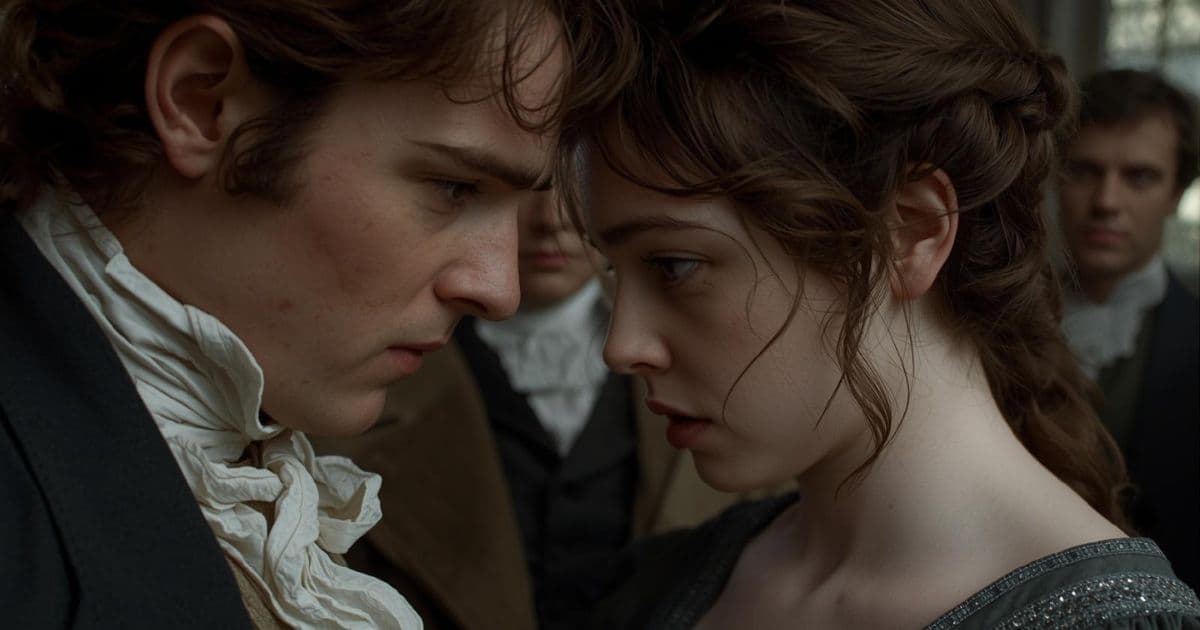
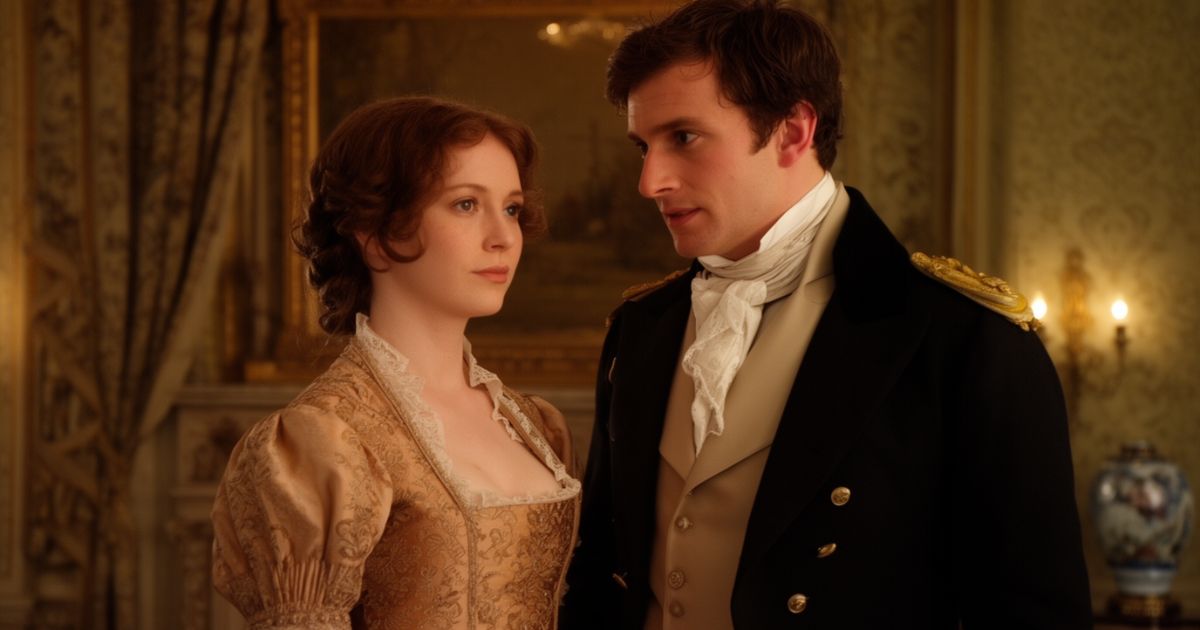
Fate has a cruel sense of timing. The Elliots must rent Kellynch Hall to escape financial ruin, and their new tenants turn out to be Admiral and Mrs. Croft. Mrs. Croft is the sister of Frederick Wentworth—the man Anne rejected eight years ago on the advice of people who considered him unsuitable. The irony is exquisite and painful: Anne's family home will now be occupied by the family of the man she was told wasn't good enough for her. Every time she thinks of Kellynch, she'll be forced to remember both what she lost and who convinced her to lose it.
The twist deepens when Anne learns that Wentworth has prospered spectacularly during the naval wars. Through prize money from captured enemy ships, he's accumulated a fortune that would have made him eminently suitable by the very standards her advisors used to reject him. Everything Lady Russell predicted—that Wentworth lacked prospects, that Anne would struggle in poverty, that the match was imprudent—has been proven categorically wrong. The man with 'no future' built exactly the future he promised he would. Anne followed sensible advice from people she trusted, and it destroyed her chance at happiness with a man who succeeded precisely as he said he would.
The chapter forces Anne to confront an agonizing question: if she'd trusted her own judgment at nineteen instead of deferring to others, she'd now be living the life she wanted rather than watching someone else occupy the home she lost. Sir Walter, characteristically, notices none of this. He's too busy worrying whether Admiral Croft is respectable enough to rent his estate. Anne sees everything—the vindication of Wentworth's worth, the bankruptcy of her family's values, the cost of her obedience. The past isn't past. It's circling back, and there's no way to avoid the reckoning.
Master this chapter. Complete your experience
Purchase the complete book to access all chapters and support classic literature
As an Amazon Associate, we earn a small commission from qualifying purchases at no additional cost to you.
Available in paperback, hardcover, and e-book formats
Let's Analyse the Pattern
When the 'uncertain' path someone rejected proves to be the successful one
Why This Matters
Connect literature to life
The ability to encounter reminders of past decisions without being destroyed by regret
Practice This Today
When confronted with evidence that a past choice was 'wrong,' ask: What did I know at the time? What pressures was I under? Can I have compassion for my past self?
Now let's explore the literary elements.
Key Quotes & Analysis
"He had distinguished himself, and early gained the other step in rank, and must now, by successive captures, have made a handsome fortune."
Context: Describing Wentworth's success
Everything Lady Russell predicted—that Wentworth would fail—has proven wrong. He succeeded precisely as he promised he would. This is the cost of Anne's 'prudent' choice.
In Today's Words:
The person everyone said was 'not good enough' has proven them all wrong. And you have to live with having listened to them.
Thematic Threads
Constancy
In This Chapter
Anne's unchanged feelings for Wentworth after eight years
Development
The novel will test whether constancy is virtue or foolishness
In Your Life:
Are there feelings or values you've held constant despite time and circumstance? Are they strengths or limitations?
You now have the context. Time to form your own thoughts.
Discussion Questions
- 1
Is it fair to judge a past decision based on how things turned out? Anne couldn't know Wentworth would succeed.
analysis • deep - 2
How would you prepare to encounter someone from your past whose success makes your choices look foolish?
application • medium
Critical Thinking Exercise
The Hindsight Trap
Think of a decision you made that looked different in hindsight. Separate what you knew then from what you know now. Was it really a 'mistake,' or did circumstances change unpredictably?
Consider:
- •What information did you have at the time?
- •What pressures influenced you?
- •Is hindsight judgment fair to your past self?
Journaling Prompt
Write about a choice you regret. Now write a defense of that choice from the perspective of who you were when you made it.
Coming Up Next...
Chapter 3: The Meeting at Kellynch
The Crofts take possession of Kellynch, bringing Captain Wentworth ever closer to Anne's world.