
Amplified ClassicsAmplified Classics
Literature MattersLife IndexEducators
Sign inSign up
Persuasion - The Elliots of Kellynch Hall

Jane Austen

Persuasion

The Elliots of Kellynch Hall

Home›Books›Persuasion›Chapter 1
Back to Persuasion
8 min•Persuasion•Chapter 1 of 24

What You'll Learn

How vanity can blind us to our own declining circumstances

The cost of living beyond your means

Why some people value status over substance

1 of 24
Next

Summary

The Elliots of Kellynch Hall

Persuasion by Jane Austen

0:000:00

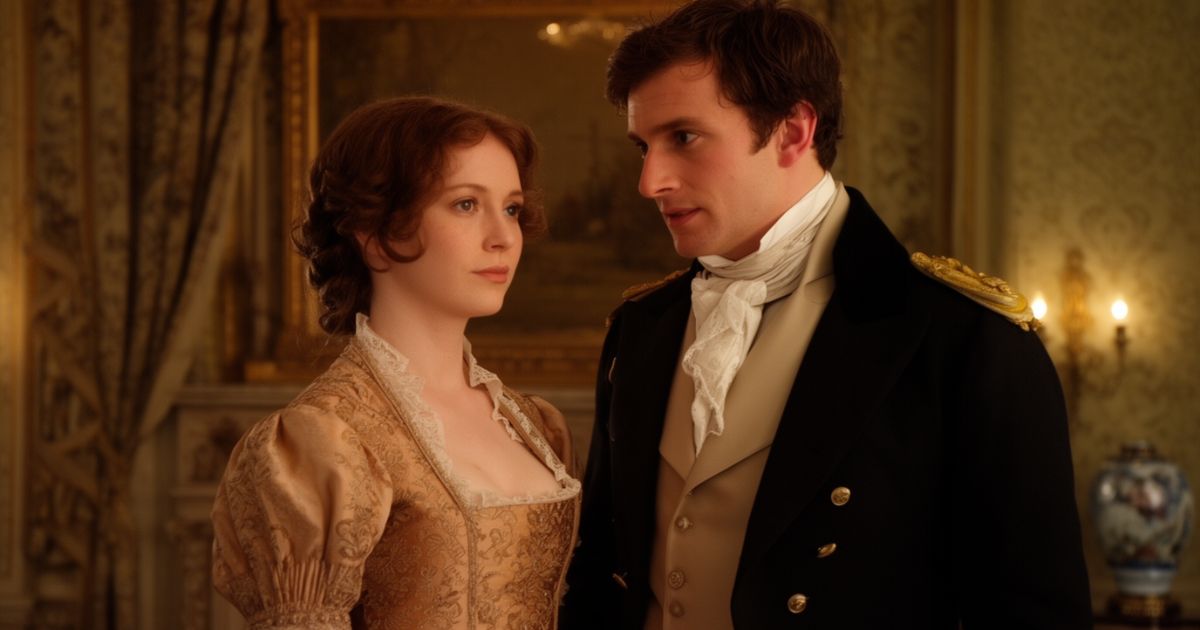
Austen opens with surgical precision, diagnosing Sir Walter Elliot in a single sentence: vanity is the beginning and end of his character. This isn't gentle mockery—it's a portrait of a man whose obsession with rank and appearance has blinded him to financial catastrophe. He spends his days reading the Baronetage, the reference book listing Britain's hereditary titles, finding his own name endlessly fascinating. His extravagant lifestyle—maintaining a grand estate and aristocratic pretensions on a baronet's limited income—has finally caught up with him. He's deeply in debt and must face the unthinkable humiliation of renting out Kellynch Hall, the family estate that represents everything he values about himself. Into this portrait of vanity in crisis, Austen introduces Anne Elliot, the middle daughter nobody notices. While her elder sister Elizabeth mirrors their father's narcissism and her younger sister Mary has married and moved away, Anne remains at home, overlooked and undervalued. She's twenty-seven, past what Regency society considered prime marriageable age, and carries a quiet weight that her family never bothers to investigate. Eight years ago, when she was nineteen, Anne fell in love with Frederick Wentworth, a young naval officer with nothing but talent, courage, and uncertain prospects. Her family disapproved. Her beloved godmother Lady Russell—whose judgment Anne trusted more than her own—persuaded her that the match was imprudent, that Wentworth's lack of fortune made him unsuitable, that Anne was too young to know her own heart. Anne broke the engagement. Wentworth left. And Anne has spent eight years living in the shadow of that decision, watching her bloom fade while serving a family that doesn't see her value. The novel's central question is established immediately: can a choice made eight years ago ever be unmade? And if a second chance appears, will Anne have the courage to trust herself this time?

Coming Up in Chapter 2

The Elliots must face the humiliation of renting their ancestral home. Who will be their new tenants?

Share it with friends

Next Chapter
GO ADS FREE — JOIN US

An excerpt from the original text.(~339 words)

S

ir Walter Elliot, of Kellynch Hall, in Somersetshire, was a man who, for his own amusement, never took up any book but the Baronetage; there he found occupation for an idle hour, and consolation in a distressed one.

Austen opens with surgical precision, diagnosing Sir Walter Elliot in a single sentence: vanity is the beginning and end of his character. This isn't gentle mockery—it's a portrait of a man whose obsession with rank and appearance has blinded him to financial catastrophe. He spends his days reading the Baronetage, the reference book listing Britain's hereditary titles, finding his own name endlessly fascinating. His extravagant lifestyle—maintaining a grand estate and aristocratic pretensions on a baronet's limited income—has finally caught up with him. He's deeply in debt and must face the unthinkable humiliation of renting out Kellynch Hall, the family estate that represents everything he values about himself.

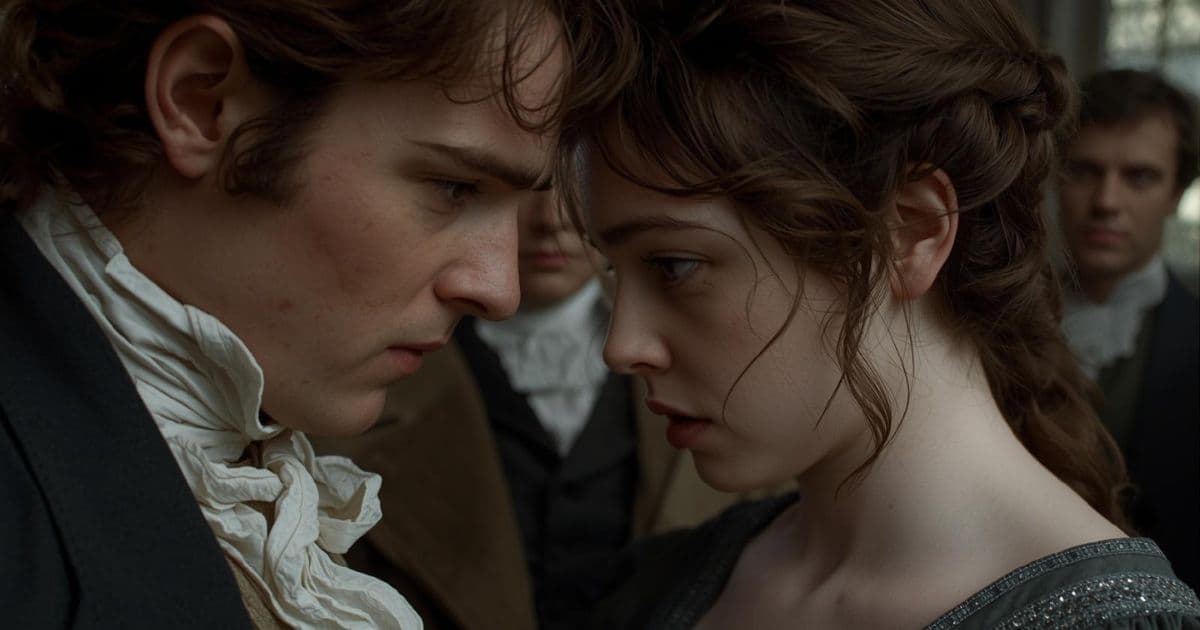
Into this portrait of vanity in crisis, Austen introduces Anne Elliot, the middle daughter nobody notices. While her elder sister Elizabeth mirrors their father's narcissism and her younger sister Mary has married and moved away, Anne remains at home, overlooked and undervalued. She's twenty-seven, past what Regency society considered prime marriageable age, and carries a quiet weight that her family never bothers to investigate. Eight years ago, when she was nineteen, Anne fell in love with Frederick Wentworth, a young naval officer with nothing but talent, courage, and uncertain prospects. Her family disapproved. Her beloved godmother Lady Russell—whose judgment Anne trusted more than her own—persuaded her that the match was imprudent, that Wentworth's lack of fortune made him unsuitable, that Anne was too young to know her own heart. Anne broke the engagement. Wentworth left. And Anne has spent eight years living in the shadow of that decision, watching her bloom fade while serving a family that doesn't see her value. The novel's central question is established immediately: can a choice made eight years ago ever be unmade? And if a second chance appears, will Anne have the courage to trust herself this time?

Master this chapter. Complete your experience

Purchase the complete book to access all chapters and support classic literature

Read Free on GutenbergBuy at Powell'sBuy on Amazon

As an Amazon Associate, we earn a small commission from qualifying purchases at no additional cost to you.

Available in paperback, hardcover, and e-book formats

GO ADS FREE — JOIN US

Intelligence Amplifier™ Analysis

Pattern: The Prudence Trap

The Road of Lost Opportunity

Anne Elliot's situation speaks to anyone who has made a 'sensible' choice they later regretted. Eight years ago, she was persuaded to reject the man she loved because he lacked fortune and prospects. Now, at 27, she lives in the shadow of that decision. Austen is asking a question that still resonates: When should we listen to others' advice, and when should we trust ourselves? Anne's regret isn't simply about a lost love—it's about surrendering her judgment to someone else's. Lady Russell meant well, but she was wrong. And Anne has had to live with the consequences of following 'prudent' advice that went against her heart. The Intelligence Amplifier™ insight: The most painful regrets often come not from bold mistakes, but from playing it safe when our instincts said otherwise. 'Sensible' choices can be the most costly of all.

When well-meaning advice leads us away from what we truly want, leaving lasting regret

Why This Matters

Connect literature to life

Skill: Distinguishing Wisdom from Caution

The ability to tell the difference between genuinely wise advice and advice that's merely 'safe'

Practice This Today

When someone gives you advice, ask: Is this person speaking from wisdom or from fear? Are they protecting me, or protecting themselves from having to see me take a risk?

Now let's explore the literary elements.

Terms to Know

Baronetage

A reference book listing all baronets (hereditary knights) in Britain

Modern Usage:

Think of it as obsessively checking your LinkedIn profile or family genealogy—a fixation on status and pedigree

Retrenchment

Cutting back on expenses to live within reduced means

Modern Usage:

Downsizing, budget cuts, 'tightening the belt'—the painful process of adjusting to financial reality

Characters in This Chapter

Sir Walter Elliot

Anne's father, a vain baronet

Represents the dangers of vanity and living beyond one's means

Modern Equivalent:

A middle manager who spends beyond his salary to maintain appearances, obsessed with his LinkedIn connections and social status

Anne Elliot

Protagonist, the overlooked middle daughter

Quiet wisdom and suppressed emotion—she carries the weight of past decisions

Modern Equivalent:

A competent professional who is undervalued at work and in her family, carrying regret about a relationship she ended

Lady Russell

Family friend and Anne's mentor

Well-meaning advisor whose counsel led to Anne's greatest regret

Modern Equivalent:

A trusted mentor or parent figure whose 'sensible' advice sometimes leads us astray

Key Quotes & Analysis

"Vanity was the beginning and the end of Sir Walter Elliot's character."

— Narrator

Context: Introducing Sir Walter

Austen wastes no time diagnosing Sir Walter's fatal flaw. Vanity isn't just a personality quirk—it's a comprehensive worldview that will cause real harm to his family.

In Today's Words:

Some people's entire identity is built on how they appear to others. This is both their motivation and their limitation.

"She had been forced into prudence in her youth, she learned romance as she grew older: the natural sequel of an unnatural beginning."

— Narrator

Context: Describing Anne's character arc

This is one of Austen's most profound observations. Anne's story inverts the typical coming-of-age narrative—she was too sensible when young and is now, with maturity, learning to trust her heart.

In Today's Words:

Some of us were forced to be 'responsible' too young. The older we get, the more we learn to honor our feelings.

Thematic Threads

Persuasion and Regret

In This Chapter

Anne's broken engagement haunts her eight years later

Development

The novel will explore whether past choices can ever be undone

In Your Life:

Think of a decision you made because someone 'sensible' told you to. Do you still stand by it?

Vanity vs. Substance

In This Chapter

Sir Walter's obsession with appearance blinds him to reality

Development

Characters throughout will be measured by this standard

In Your Life:

Where in your life do you prioritize how things look over how things are?

You now have the context. Time to form your own thoughts.

Discussion Questions

  1. 1

    Anne was persuaded to break off her engagement at 19. Was she too young to trust her own judgment, or should she have stood her ground?

    reflection • deep
  2. 2

    Sir Walter's vanity seems absurd, but in what ways do we all curate our image? Social media, job titles, neighborhoods?

    analysis • medium
  3. 3

    Lady Russell meant well but gave harmful advice. How do you evaluate advice from people who care about you?

    application • deep

Critical Thinking Exercise

10 minutes

The Advice Audit

Think of a major life decision where you followed someone else's advice. Was the advice driven by genuine wisdom about your situation, or by the advisor's own fears, values, or limitations?

Consider:

  • •Did the advisor understand your full situation?
  • •Were they projecting their own experiences onto you?
  • •What would have happened if you'd trusted your own instincts?

Journaling Prompt

Write about a time you were 'persuaded' against your instincts. How did it turn out? What did you learn about whose advice to trust?

Coming Up Next...

Chapter 2: New Tenants for Kellynch

The Elliots must face the humiliation of renting their ancestral home. Who will be their new tenants?

Continue to Chapter 2
Contents
Next
New Tenants for Kellynch

Continue Exploring

Persuasion Study GuideTeaching ResourcesEssential Life IndexBrowse by ThemeAll Books
Love & RelationshipsSocial Class & StatusIdentity & Self-Discovery

You Might Also Like

Pride and Prejudice cover

Pride and Prejudice

Jane Austen

Also by Jane Austen

Jane Eyre cover

Jane Eyre

Charlotte Brontë

Explores personal growth

Great Expectations cover

Great Expectations

Charles Dickens

Explores personal growth

The Strange Case of Dr Jekyll and Mr Hyde cover

The Strange Case of Dr Jekyll and Mr Hyde

Robert Louis Stevenson

Explores personal growth

Browse all 47+ books

Share This Chapter

Know someone who'd enjoy this? Spread the wisdom!

TwitterFacebookLinkedInEmail

Read ad-free with Prestige

Get rid of ads, unlock study guides and downloads, and support free access for everyone.

Subscribe to PrestigeCreate free account
Intelligence Amplifier
Intelligence Amplifier™Powering Amplified Classics

Exploring human-AI collaboration through books, essays, and philosophical dialogues. Classic literature transformed into navigational maps for modern life.

2025 Books

→ The Amplified Human Spirit→ The Alarming Rise of Stupidity Amplified→ San Francisco: The AI Capital of the World
Visit intelligenceamplifier.org
hello@amplifiedclassics.com

AC Originals

→ The Last Chapter First→ You Are Not Lost→ The Lit of Love→ The Wealth Paradox
Arvintech
arvintechAmplify your Mind
Visit at arvintech.com

Navigate

  • Home
  • Library
  • Essential Life Index
  • How It Works
  • Subscribe
  • Account
  • About
  • Contact
  • Authors
  • Suggest a Book

Made For You

  • Students
  • Educators
  • Families
  • Readers
  • Finding Purpose

Newsletter

Weekly insights from the classics.

Amplify Your Mind

Legal

  • Privacy Policy
  • Terms of Service
  • Cookie Policy
  • Accessibility

Why Public Domain?

We focus on public domain classics because these timeless works belong to everyone. No paywalls, no restrictions—just wisdom that has stood the test of centuries, freely accessible to all readers.

Public domain books have shaped humanity's understanding of love, justice, ambition, and the human condition. By amplifying these works, we help preserve and share literature that truly belongs to the world.

© 2025 Amplified Classics™. All Rights Reserved.

Intelligence Amplifier™ and Amplified Classics™ are proprietary trademarks of Arvin Lioanag.

Copyright Protection: All original content, analyses, discussion questions, pedagogical frameworks, and methodology are protected by U.S. and international copyright law. Unauthorized reproduction, distribution, web scraping, or use for AI training is strictly prohibited. See our Copyright Notice for details.

Disclaimer: The information provided on this website is for general informational and educational purposes only and does not constitute professional, legal, financial, or technical advice. While we strive to ensure accuracy and relevance, we make no warranties regarding completeness, reliability, or suitability. Any reliance on such information is at your own risk. We are not liable for any losses or damages arising from use of this site. By using this site, you agree to these terms.
