An excerpt from the original text.(complete · 588 words)
sat one evening in my laboratory; the sun had set, and the moon was just rising from the sea; I had not sufficient light for my employment, and I remained idle, in a pause of consideration of whether I should leave my labour for the night or hasten its conclusion by an unremitting attention to it. As I sat, a train of reflection occurred to me which led me to consider the effects of what I was now doing. Three years before, I was engaged in the same manner and had created a fiend whose unparalleled barbarity had desolated my heart and filled it forever with the bitterest remorse. I was now about to form another being of whose dispositions I was alike ignorant; she might become ten thousand times more malignant than her mate and delight, for its own sake, in murder and wretchedness. He had sworn to quit the neighbourhood of man and hide himself in deserts, but she had not; and she, who in all probability was to become a thinking and reasoning animal, might refuse to comply with a compact made before her creation. They might even hate each other; the creature who already lived loathed his own deformity, and might he not conceive a greater abhorrence for it when it came before his eyes in the female form? She also might turn with disgust from him to the superior beauty of man; she might quit him, and he be again alone, exasperated by the fresh provocation of being deserted by one of his own species.
Even if they were to leave Europe and inhabit the deserts of the new world, yet one of the first results of those sympathies for which the daemon thirsted would be children, and a race of devils would be propagated upon the earth who might make the very existence of the species of man a condition precarious and full of terror. Had I right, for my own benefit, to inflict this curse upon everlasting generations? I had before been moved by the sophisms of the being I had created; I had been struck senseless by his fiendish threats; but now, for the first time, the wickedness of my promise burst upon me; I shuddered to think that future ages might curse me as their pest, whose selfishness had not hesitated to buy its own peace at the price, perhaps, of the existence of the whole human race.
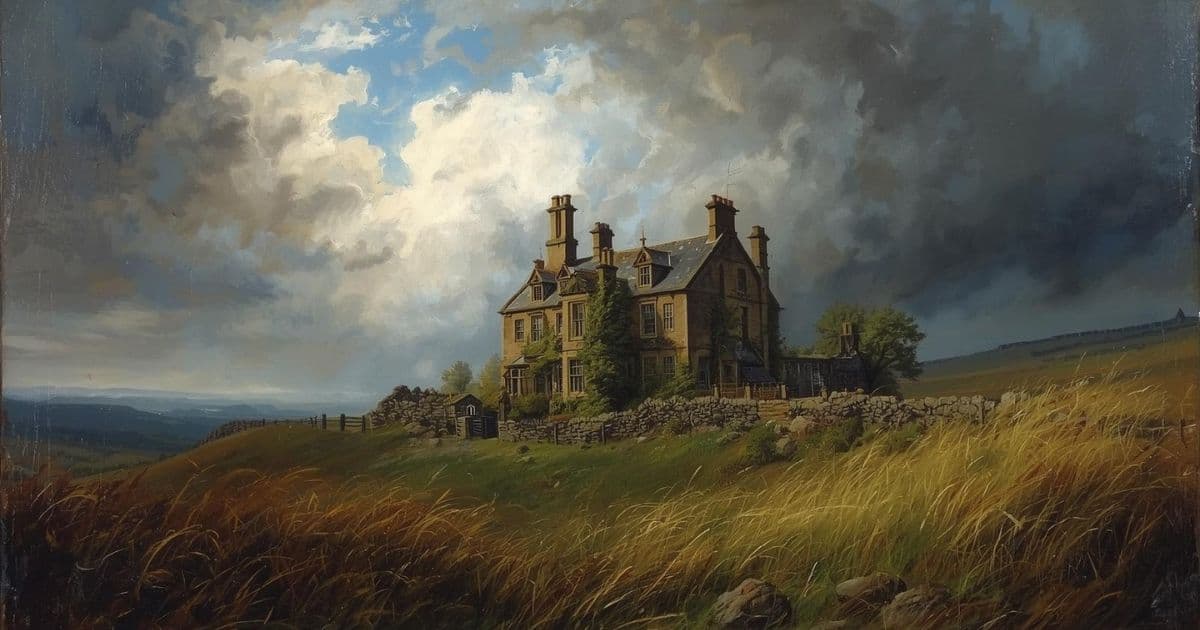
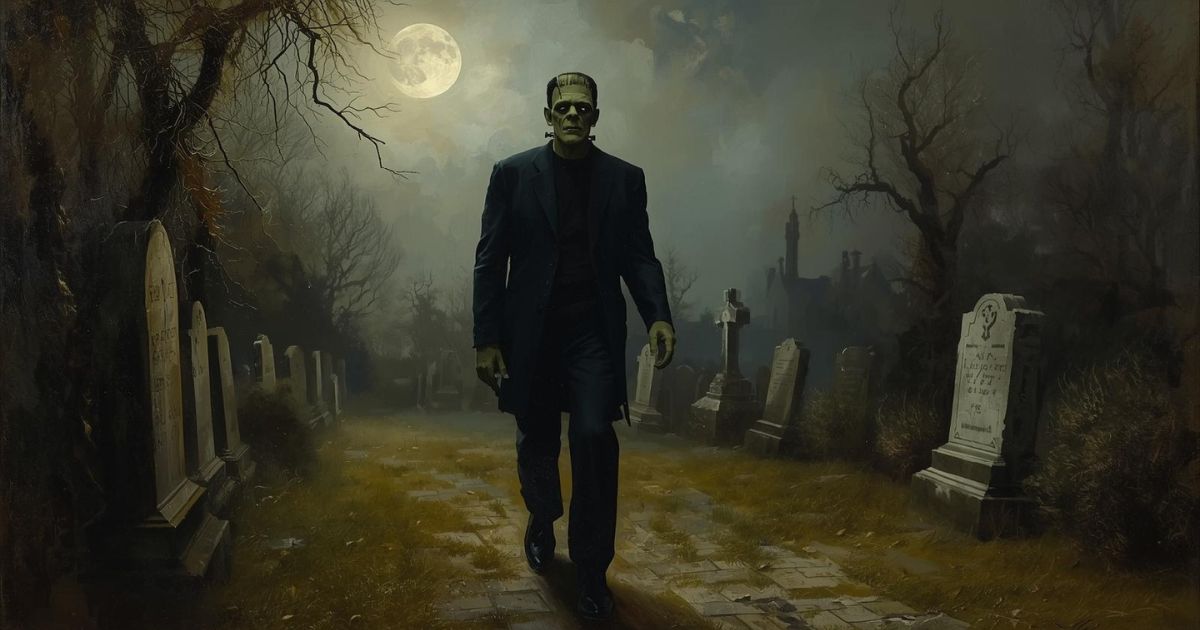
I trembled and my heart failed within me, when, on looking up, I saw by the light of the moon the daemon at the casement. A ghastly grin wrinkled his lips as he gazed on me, where I sat fulfilling the task which he had allotted to me. Yes, he had followed me in my travels; he had loitered in forests, hid himself in caves, or taken refuge in wide and desert heaths; and he now came to mark my progress and claim the fulfillment of my promise.
As I looked on him, his countenance expressed the utmost extent of malice and treachery. I thought with a sensation of madness on my promise of creating another like to him, and trembling with passion, tore to pieces the thing on which I was engaged. The wretch saw me destroy the creature on whose future existence he depended for happiness, and with a howl of devilish despair and revenge, withdrew.
[Chapter continues with Victor disposing of the creature parts at sea and being arrested for Clerval's murder when he lands in Ireland]
Master this chapter. Complete your experience
Purchase the complete book to access all chapters and support classic literature
As an Amazon Associate, we earn a small commission from qualifying purchases at no additional cost to you.
Available in paperback, hardcover, and e-book formats
Let's Analyse the Pattern
Using noble intentions to rationalize breaking commitments when keeping them becomes uncomfortable or inconvenient.
Why This Matters
Connect literature to life
This chapter teaches how to recognize when people (including ourselves) use moral reasoning to disguise self-serving betrayals.
Practice This Today
This week, notice when someone breaks a promise but wraps it in noble language—then ask what they're really protecting.
Now let's explore the literary elements.
Key Quotes & Analysis
"I thought with a sensation of madness on my promise of creating another like to him, and trembling with passion, tore to pieces the thing on which I was engaged."
Context: When Victor destroys the female creature he was creating
This shows Victor's horror at what he's doing and his impulsive decision to break his promise. The word 'madness' reveals how the moral weight of potentially creating two monsters overwhelms him completely.
In Today's Words:
The thought of making another monster like him drove me crazy, so I ripped apart what I was building.
"You have destroyed the work which you began; what is it that you intend? Do you dare to break your promise?"
Context: When the monster confronts Victor about destroying the female creature
The monster's questions show his rage and disbelief at Victor's betrayal. He's holding Victor accountable to their agreement and warning him of consequences.
In Today's Words:
You destroyed what you were making for me - are you seriously going back on your word?
"I will revenge my injuries; if I cannot inspire love, I will cause fear."
Context: The monster's threat after Victor breaks his promise
This reveals the monster's core motivation - if he can't have companionship and love, he'll settle for making others as miserable as he is. It's a chilling declaration of his intent to spread his suffering.
In Today's Words:
I'm going to make you pay for hurting me - if I can't be loved, I'll make sure everyone fears me.
Thematic Threads
Revenge
In This Chapter
The monster retaliates for Victor's broken promise by killing Clerval and framing Victor for murder
Development
Escalated from threats to systematic destruction of Victor's relationships
In Your Life:
When someone betrays you, the urge to hurt them back often destroys more than it satisfies
Isolation
In This Chapter
Victor becomes completely alone—imprisoned, friendless, consumed only by vengeance
Development
Progressed from self-imposed isolation during creation to total abandonment by circumstances
In Your Life:
Obsession with fixing or fighting one problem can strip away everything else that makes life meaningful
Class
In This Chapter
Victor's father's influence helps secure his release from prison, showing how social connections provide protection
Development
Consistent thread showing how family status shields Victor from consequences
In Your Life:
Having people who can make calls and pull strings often determines whether you survive crisis or get crushed by it
Identity
In This Chapter
Victor transforms from scientist to hunter, his entire sense of self now defined by destroying his creation
Development
Complete reversal from creator seeking knowledge to destroyer seeking revenge
In Your Life:
When trauma reshapes your identity around one mission, you can lose sight of who you were before the crisis
Consequences
In This Chapter
Victor's decision to break his promise sets off a chain reaction that destroys his remaining relationships
Development
Each choice has led to worse outcomes, showing how early decisions compound over time
In Your Life:
Breaking trust often creates enemies who know exactly how to hurt you most effectively
You now have the context. Time to form your own thoughts.
Discussion Questions
- 1
Victor breaks his promise to create a companion for the monster. What reasons does he give himself for this decision, and what do you think his real motivations are?
analysis • surface - 2
The monster retaliates by killing Clerval and framing Victor. How does this show the monster understands exactly how to hurt Victor most effectively?
analysis • medium - 3
Think about times when people break promises by claiming they're 'protecting' someone else. Where do you see this pattern in workplaces, families, or relationships today?
application • medium - 4
If you had to keep a difficult promise that might have negative consequences, how would you handle it differently than Victor did?
application • deep - 5
Victor and the monster are now locked in a cycle of revenge where each loss creates more anger. What does this teach us about how revenge actually works in real life?
reflection • deep
Critical Thinking Exercise
The Promise Audit
Think of a promise you've broken or been tempted to break recently. Write down the 'official' reason you gave (or would give) for breaking it, then write the real reason underneath. Look at the difference between these two explanations. Now imagine you're the person who was promised something - how would each explanation feel to receive?
Consider:
- •Notice how we dress uncomfortable truths in noble language
- •Consider whether the 'official' reason actually serves the other person or just makes us feel better
- •Think about how broken promises affect trust even when the reasons sound logical
Journaling Prompt
Write about a time when someone broke a promise to you using a 'good' reason. How did it feel, and what did it teach you about making and keeping your own commitments?
Coming Up Next...
Chapter 25: Trial, Father's Arrival, and Father's Death
Victor embarks on his final, obsessive hunt across the globe, pursuing his creation to the ends of the earth in a deadly game that will test who truly has more to lose.