
Amplified ClassicsAmplified Classics
Literature MattersLife IndexEducators
Sign inSign up
Wuthering Heights - Chapter 4

Emily Brontë

Wuthering Heights

Chapter 4

Home›Books›Wuthering Heights›Chapter 4
Back to Wuthering Heights
15-20 min•Wuthering Heights•Chapter 4 of 34

What You'll Learn

How isolation creates desperate need for human connection

The power of storytelling to reveal hidden truths about people

Why wealthy people often live below their means - and what it reveals about their character

Previous
4 of 34
Next

Summary

Chapter 4

Wuthering Heights by Emily Brontë

0:000:00

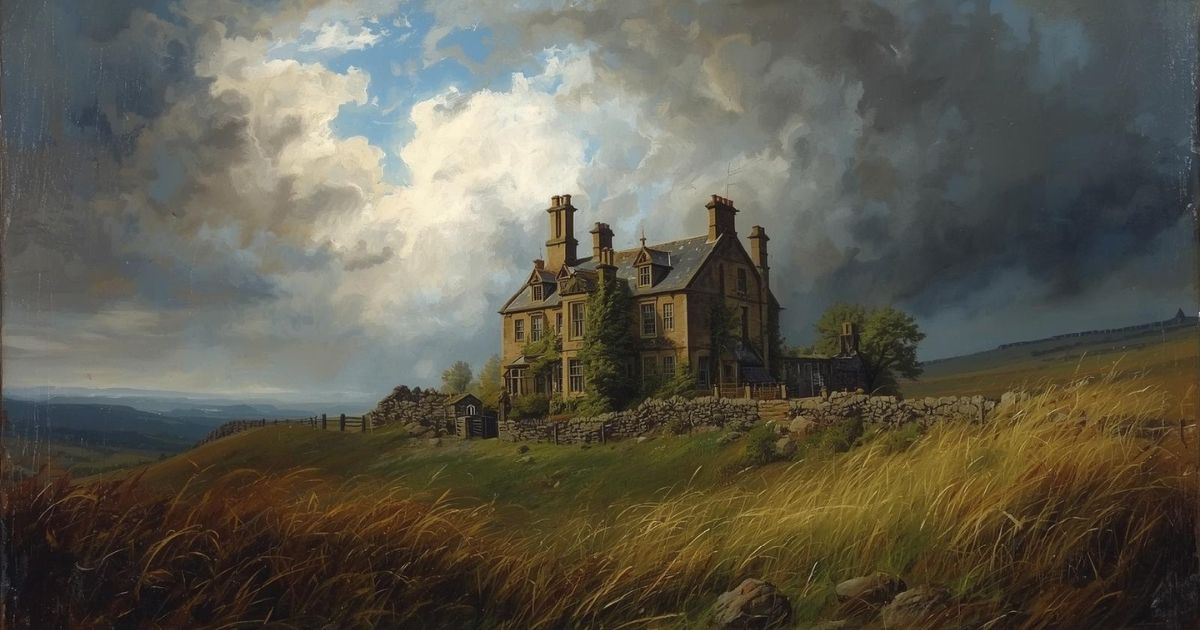
The next morning, Lockwood witnesses Heathcliff verbally abusing Catherine, threatening violence when she refuses his orders. Escaping at dawn, Lockwood gets lost in the snow-covered moors. Heathcliff guides him partway home, where his worried servants had assumed he died. Back at Thrushcross Grange, recovered and bored with isolation, Lockwood asks his housekeeper Nelly Dean to stay and chat. Desperate for human connection despite claiming to prefer solitude, he's curious about the strange household at Wuthering Heights. Nelly reveals shocking family connections: Catherine is Edgar Linton's daughter, Heathcliff's daughter-in-law and widow of his dead son. Hareton Earnshaw is Catherine's cousin, the last of the original family, now degraded to servant. Heathcliff, despite vast wealth, lives miserly at the Heights. When Lockwood mentions seeing Catherine Earnshaw's name carved everywhere, Nelly realizes he knows nothing of the tragic history. She begins telling the story from the beginning: how old Mr. Earnshaw found a starving gypsy child in Liverpool and brought him home, naming him Heathcliff, setting in motion decades of love, hatred, and revenge.

Coming Up in Chapter 5

Mr. Earnshaw begins to decline in health and becomes increasingly protective of his adopted son Heathcliff, growing angry whenever anyone treats the boy poorly. The family dynamics start to shift as the old man's favoritism creates deeper resentment among the household.


Share it with friends

Previous ChapterNext Chapter
GO ADS FREE — JOIN US

An excerpt from the original text.(~273 words)

W

hat vain weather-cocks we are! I, who had determined to hold myself independent of all social intercourse, and thanked my stars that, at length, I had lighted on a spot where it was next to impracticable—I, weak wretch, after maintaining till dusk a struggle with low spirits and solitude, was finally compelled to strike my colours; and under pretence of gaining information concerning the necessities of my establishment, I desired Mrs. Dean, when she brought in supper, to sit down while I ate it; hoping sincerely she would prove a regular gossip, and either rouse me to animation or lull me to sleep by her talk. “You have lived here a considerable time,” I commenced; “did you not say sixteen years?” “Eighteen, sir: I came when the mistress was married, to wait on her; after she died, the master retained me for his housekeeper.” “Indeed.” There ensued a pause. She was not a gossip, I feared; unless about her own affairs, and those could hardly interest me. However, having studied for an interval, with a fist on either knee, and a cloud of meditation over her ruddy countenance, she ejaculated—“Ah, times are greatly changed since then!” “Yes,” I remarked, “you’ve seen a good many alterations, I suppose?” “I have: and troubles too,” she said. “Oh, I’ll turn the talk on my landlord’s family!” I thought to myself. “A good subject to start! And that pretty girl-widow, I should like to know her history: whether she be a native of the country, or, as is more probable, an exotic that the surly indigenae will not recognise for kin.” With this intention I asked Mrs.

Master this chapter. Complete your experience

Purchase the complete book to access all chapters and support classic literature

Read Free on GutenbergBuy at Powell'sBuy on Amazon

As an Amazon Associate, we earn a small commission from qualifying purchases at no additional cost to you.

Available in paperback, hardcover, and e-book formats

GO ADS FREE — JOIN US

Intelligence Amplifier™ Analysis

Pattern: Isolation Rebound

The Loneliness Trap

Lockwood perfectly demonstrates how isolation backfires. He thought he wanted to be alone, but after one day of solitude, he's practically begging the housekeeper for company. This is classic human psychology - we're social creatures who need connection, even when we convince ourselves otherwise. Notice how he doesn't just want conversation; he wants gossip, drama, other people's stories. When we're lonely, we become hungry for any human connection, even secondhand through stories about strangers.

The harder you try to avoid people, the more desperately you'll crave human connection

Why This Matters

Connect literature to life

Skill: Reading People's Contradictions

Literature teaches you to notice when people's actions contradict their words - like Lockwood claiming he wants isolation while desperately seeking company, or Heathcliff having money but living like a miser

Practice This Today

Pay attention to the gap between what people say they want and what they actually do - it reveals their true needs and motivations

Now let's explore the literary elements.

Terms to Know

weather-cocks

People who change their minds or behavior frequently, like weathervanes that spin with the wind

Modern Usage:

Someone who's wishy-washy or can't stick to their decisions - like saying you'll eat healthy then ordering pizza an hour later

strike my colours

Naval term meaning to surrender by lowering your flag

Modern Usage:

Giving up on something you said you'd stick to - like admitting defeat when you said you wouldn't ask for help

close-handed

Extremely stingy with money, unwilling to spend

Modern Usage:

That person who has money but won't spend it on anything - splits every bill down to the penny, never tips well

indigenae

Native people of a place (Latin term)

Modern Usage:

The locals, people who've lived somewhere their whole lives and might not accept outsiders easily

Characters in This Chapter

Lockwood

Narrator and tenant of Thrushcross Grange

Despite claiming to want isolation, he craves human connection and gossip - showing how we often lie to ourselves about what we need

Modern Equivalent:

Someone who moves to a small town saying they want peace and quiet, then immediately starts asking neighbors about local drama

Mrs. Dean (Nelly)

Housekeeper and storyteller

The keeper of all family secrets, she's about to reveal the entire tragic history of Heathcliff and the Earnshaw family

Modern Equivalent:

That long-time employee who's seen everything at the company and knows where all the bodies are buried

Heathcliff

Wealthy but miserly landlord

Rich enough to live anywhere but chooses to stay in a deteriorating house - suggesting his wealth can't heal his emotional wounds

Modern Equivalent:

Someone who made it big but still lives like they're broke, either from trauma or spite

Key Quotes & Analysis

"What vain weather-cocks we are!"

— Lockwood

Context: Lockwood admits he's contradicting his earlier desire for solitude

Shows how we often don't know ourselves as well as we think - we make grand declarations about what we want, then immediately do the opposite

In Today's Words:

We're all hypocrites who change our minds constantly

"Rich, sir! He has nobody knows what money, and every year it increases."

— Mrs. Dean about Heathcliff

Context: Explaining why Heathcliff could afford better but chooses not to

Suggests that Heathcliff's relationship with money is complicated - he accumulates it but won't enjoy it, possibly as a form of self-punishment or control

In Today's Words:

He's loaded but won't spend a dime - there's definitely a story there

Thematic Threads

Isolation vs Connection

In This Chapter

Lockwood claims he wants solitude but immediately seeks out human company and gossip

Development

Sets up the contrast between chosen isolation (Lockwood's temporary retreat) and forced isolation (Heathcliff's emotional exile)

In Your Life:

Think about times you said you wanted to be alone but actually craved connection - recognizing this pattern helps you ask for what you really need

Social Class and Money

In This Chapter

Heathcliff has wealth but lives below his means, suggesting money alone doesn't bring happiness or healing

Development

Introduces the idea that Heathcliff's relationship with wealth is tied to his past trauma and current emotional state

In Your Life:

Notice how some people with money still act broke, or how financial behavior often reflects deeper emotional issues rather than actual resources

You now have the context. Time to form your own thoughts.

Discussion Questions

  1. 1

    Why do you think Lockwood convinced himself he wanted isolation when he clearly craved human connection?

    psychological • Explores self-deception and how we often don't understand our own needs
  2. 2

    What does Heathcliff's wealth combined with his cheap lifestyle suggest about his character?

    analytical • Examines how financial behavior reveals emotional state and past trauma
  3. 3

    Have you ever claimed you wanted something but then immediately acted in opposition to that claim?

    personal • Connects the text to personal experience with self-awareness and contradictory behavior
  4. 4

    Why might someone accumulate money but refuse to spend it on improving their living situation?

    psychological • Explores the complex relationship between wealth, self-worth, and emotional healing

Critical Thinking Exercise

10 minutes

The Money-Happiness Disconnect

Think of someone you know (or have observed) who has the resources to improve their life but chooses not to. What might be driving this behavior?

Consider:

  • •Past trauma or scarcity mindset
  • •Using money as control or power
  • •Fear of change or unworthiness
  • •Money as security rather than enjoyment

Journaling Prompt

Describe your own relationship with spending money on yourself. Do you easily invest in your comfort and happiness, or do you hold back even when you can afford it? What emotions come up when you think about 'treating yourself'?

Coming Up Next...

Chapter 5

Mr. Earnshaw begins to decline in health and becomes increasingly protective of his adopted son Heathcliff, growing angry whenever anyone treats the boy poorly. The family dynamics start to shift as the old man's favoritism creates deeper resentment among the household.
Continue to Chapter 5
Previous
Chapter 3
Contents
Next
Chapter 5

Continue Exploring

Wuthering Heights Study GuideTeaching ResourcesEssential Life IndexBrowse by ThemeAll Books
Love & RelationshipsIdentity & Self-DiscoverySocial Class & Status

You Might Also Like

Jane Eyre cover

Jane Eyre

Charlotte Brontë

Explores love & romance

Anna Karenina cover

Anna Karenina

Leo Tolstoy

Explores love & romance

Frankenstein cover

Frankenstein

Mary Shelley

Explores suffering & resilience

The Idiot cover

The Idiot

Fyodor Dostoevsky

Explores love & romance

Browse all 47+ books

Share This Chapter

Know someone who'd enjoy this? Spread the wisdom!

TwitterFacebookLinkedInEmail

Read ad-free with Prestige

Get rid of ads, unlock study guides and downloads, and support free access for everyone.

Subscribe to PrestigeCreate free account
Intelligence Amplifier
Intelligence Amplifier™Powering Amplified Classics

Exploring human-AI collaboration through books, essays, and philosophical dialogues. Classic literature transformed into navigational maps for modern life.

2025 Books

→ The Amplified Human Spirit→ The Alarming Rise of Stupidity Amplified→ San Francisco: The AI Capital of the World
Visit intelligenceamplifier.org
hello@amplifiedclassics.com

AC Originals

→ The Last Chapter First→ You Are Not Lost→ The Lit of Love→ The Wealth Paradox
Arvintech
arvintechAmplify your Mind
Visit at arvintech.com

Navigate

  • Home
  • Library
  • Essential Life Index
  • How It Works
  • Subscribe
  • Account
  • About
  • Contact
  • Authors
  • Suggest a Book

Made For You

  • Students
  • Educators
  • Families
  • Readers
  • Finding Purpose

Newsletter

Weekly insights from the classics.

Amplify Your Mind

Legal

  • Privacy Policy
  • Terms of Service
  • Cookie Policy
  • Accessibility

Why Public Domain?

We focus on public domain classics because these timeless works belong to everyone. No paywalls, no restrictions—just wisdom that has stood the test of centuries, freely accessible to all readers.

Public domain books have shaped humanity's understanding of love, justice, ambition, and the human condition. By amplifying these works, we help preserve and share literature that truly belongs to the world.

© 2025 Amplified Classics™. All Rights Reserved.

Intelligence Amplifier™ and Amplified Classics™ are proprietary trademarks of Arvin Lioanag.

Copyright Protection: All original content, analyses, discussion questions, pedagogical frameworks, and methodology are protected by U.S. and international copyright law. Unauthorized reproduction, distribution, web scraping, or use for AI training is strictly prohibited. See our Copyright Notice for details.

Disclaimer: The information provided on this website is for general informational and educational purposes only and does not constitute professional, legal, financial, or technical advice. While we strive to ensure accuracy and relevance, we make no warranties regarding completeness, reliability, or suitability. Any reliance on such information is at your own risk. We are not liable for any losses or damages arising from use of this site. By using this site, you agree to these terms.
