
Amplified ClassicsAmplified Classics
Literature MattersLife IndexEducators
Sign inSign up
Wuthering Heights - Chapter XI

Emily Brontë

Wuthering Heights

Chapter XI

Home›Books›Wuthering Heights›Chapter 11
Back to Wuthering Heights
12-15 min•Wuthering Heights•Chapter 11 of 34

What You'll Learn

How childhood memories can trigger powerful emotional responses in adulthood

The way guilt and duty battle with self-preservation in toxic relationships

How physical places become emotional anchors that pull us back to our past

Previous
11 of 34
Next

Summary

Chapter XI

Wuthering Heights by Emily Brontë

0:000:00

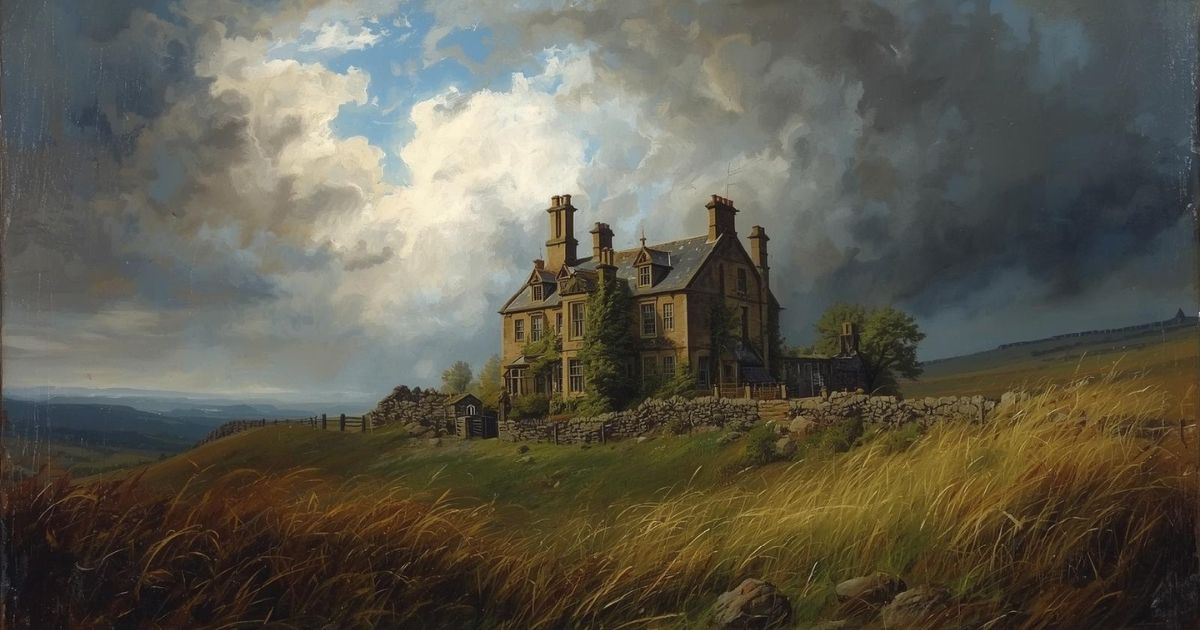
Nelly stops at a crossroads stone marked "W.H." (Wuthering Heights) and experiences a vivid childhood memory of playing there with Hindley twenty years ago. She even sees what appears to be Hindley's ghost, which compels her to visit the Heights. There she meets young Hareton, now completely corrupted—he throws a stone at her and curses fluently. When she asks who taught him such language, he says "Heathcliff," explaining that Heathcliff encourages him to curse his father and has forbidden any education. The curate is banned on pain of violence. Terrified, Nelly flees when Heathcliff appears. Meanwhile, back at Thrushcross Grange, Heathcliff begins systematically seducing Isabella Linton as part of his revenge scheme. Nelly catches him embracing Isabella in the courtyard. When she reports this to Catherine, Catherine furiously defends Heathcliff and warns Isabella that Heathcliff is a monster who will destroy her. But Isabella, infatuated and naive, refuses to listen. Catherine and Edgar have a massive fight over Heathcliff's continued visits. Catherine demands Edgar choose between banning Heathcliff or losing her. Edgar, finally showing backbone, says Heathcliff must go. Catherine throws a tantrum, slaps Edgar, and when Edgar won't back down, locks herself in her room, beginning a three-day hunger strike to punish them both.

Coming Up in Chapter 12

The emotional standoff continues at Thrushcross Grange as Catherine fasts in defiance while Edgar retreats into his books, both too proud to make the first move toward reconciliation.


Share it with friends

Previous ChapterNext Chapter
GO ADS FREE — JOIN US

An excerpt from the original text.(~287 words)

S

ometimes, while meditating on these things in solitude, I’ve got up in a sudden terror, and put on my bonnet to go see how all was at the farm. I’ve persuaded my conscience that it was a duty to warn him how people talked regarding his ways; and then I’ve recollected his confirmed bad habits, and, hopeless of benefiting him, have flinched from re-entering the dismal house, doubting if I could bear to be taken at my word. One time I passed the old gate, going out of my way, on a journey to Gimmerton. It was about the period that my narrative has reached: a bright frosty afternoon; the ground bare, and the road hard and dry. I came to a stone where the highway branches off on to the moor at your left hand; a rough sand-pillar, with the letters W. H. cut on its north side, on the east, G., and on the south-west, T. G. It serves as a guide-post to the Grange, the Heights, and village. The sun shone yellow on its grey head, reminding me of summer; and I cannot say why, but all at once a gush of child’s sensations flowed into my heart. Hindley and I held it a favourite spot twenty years before. I gazed long at the weather-worn block; and, stooping down, perceived a hole near the bottom still full of snail-shells and pebbles, which we were fond of storing there with more perishable things; and, as fresh as reality, it appeared that I beheld my early playmate seated on the withered turf: his dark, square head bent forward, and his little hand scooping out the earth with a piece of slate. “Poor Hindley!” I exclaimed, involuntarily.

Master this chapter. Complete your experience

Purchase the complete book to access all chapters and support classic literature

Read Free on GutenbergBuy at Powell'sBuy on Amazon

As an Amazon Associate, we earn a small commission from qualifying purchases at no additional cost to you.

Available in paperback, hardcover, and e-book formats

GO ADS FREE — JOIN US

Intelligence Amplifier™ Analysis

Pattern: Trauma Bonding Through Nostalgia

The Crossroads Moment

Nelly stands at literal crossroads - the stone guide-post - but also emotional crossroads. She's pulled between safety and obligation, present reality and past attachment. The childhood vision shows how our younger selves can hijack our adult judgment. This is the moment we all face: do we keep getting pulled back into toxic situations because of who someone used to be? The stone marker represents those decision points in life where we choose our direction - toward healing or back toward dysfunction.

Using idealized memories of the past to justify staying connected to harmful people or situations in the present

Why This Matters

Connect literature to life

Skill: Emotional Pattern Recognition

Literature shows us the patterns in human behavior that repeat across time and culture, helping us recognize these same patterns in our own lives

Practice This Today

Next time you feel inexplicably drawn to check on someone who's hurt you, ask yourself: 'Am I responding to who they are now, or who they used to be?'

Now let's explore the literary elements.

Terms to Know

guide-post

A stone marker showing directions to different destinations

Modern Usage:

Like GPS coordinates or highway signs - physical markers that help us navigate, but in this case also emotional navigation points

superstition

Belief in supernatural signs or omens

Modern Usage:

That gut feeling when something feels like a 'sign' - whether it's seeing your ex's car everywhere or finding pennies after thinking about a deceased relative

pertinaciously

Stubbornly persistent, refusing to give up

Modern Usage:

Like someone who keeps texting after being left on read, or refusing to admit they're wrong in an argument

Characters in This Chapter

Ellen Dean (Nelly)

Narrator and former housekeeper

Torn between duty and self-preservation, haunted by childhood memories

Modern Equivalent:

Heath's former coworker who still feels responsible for checking on him, even though she knows he's toxic

Hindley Earnshaw

Former master of Wuthering Heights, now degraded

Represents how privilege can be lost and how the past haunts the present

Modern Equivalent:

The boss's son who inherited the family business but ran it into the ground through addiction and poor choices

Key Quotes & Analysis

"I've persuaded my conscience that it was a duty to warn him how people talked regarding his ways"

— Ellen Dean

Context: Nelly justifying her impulse to check on Hindley at Wuthering Heights

Shows how we rationalize our need to stay connected to toxic situations by framing it as moral duty

In Today's Words:

I told myself I needed to give him a heads-up about his reputation, but really I was making excuses to stay involved

"Poor Hindley! I exclaimed, involuntarily"

— Ellen Dean

Context: Seeing a vision of young Hindley at their childhood playing spot

Demonstrates how childhood memories can instantly transform our feelings about someone, even someone who became destructive

In Today's Words:

Damn, I actually felt sorry for him when I remembered who he used to be

Thematic Threads

Isolation vs Connection

In This Chapter

Nelly isolates herself from Wuthering Heights but feels compelled to reconnect

Development

Physical distance doesn't heal emotional attachment; memories bridge any gap we try to create

In Your Life:

That ex you keep checking up on social media, or the toxic family member you can't quite cut off completely

Past vs Present

In This Chapter

Childhood memories of innocent play contrast sharply with current dysfunction

Development

The past becomes more real and compelling than present danger

In Your Life:

Staying in bad relationships because you remember 'how good things used to be' instead of accepting current reality

Class and Social Boundaries

In This Chapter

Nelly, as a servant, feels both duty toward and fear of her former employers

Development

Social position creates complex loyalties that persist even when harmful

In Your Life:

Feeling obligated to toxic bosses, family members, or friends because of your 'place' in the relationship hierarchy

You now have the context. Time to form your own thoughts.

Discussion Questions

  1. 1

    Why do you think Nelly feels both duty and fear about visiting Wuthering Heights?

    analysis • Explores the complexity of relationships with toxic people we once cared about
  2. 2

    Have you ever had a place that triggered powerful childhood memories? How did it affect your decisions?

    personal_connection • Connects the universal experience of place-based memory to personal experience
  3. 3

    What's the difference between healthy concern for someone and trauma bonding?

    critical_thinking • Distinguishes between genuine care and unhealthy attachment patterns
  4. 4

    How might Nelly's social position as a former servant influence her sense of obligation?

    social_analysis • Examines how class and social roles create lasting psychological patterns

Critical Thinking Exercise

15-20 minutes

Mapping Your Emotional Crossroads

Think of a person or situation you keep getting pulled back to despite knowing it's not good for you. Draw or describe your own 'crossroads moment' - what are the different paths you could take? What childhood memories or past experiences make it hard to choose the healthier path?

Consider:

  • •What role does nostalgia play in keeping you connected?
  • •How do social expectations or your sense of duty influence your choices?
  • •What would choosing the path away from this situation actually cost you?
  • •What would it give you?

Journaling Prompt

Write about a time when a childhood memory or familiar place made you reconsider a decision you thought you'd already made. What was the memory trying to tell you? Did you listen to it or to your adult wisdom?

Coming Up Next...

Chapter 12

The emotional standoff continues at Thrushcross Grange as Catherine fasts in defiance while Edgar retreats into his books, both too proud to make the first move toward reconciliation.
Continue to Chapter 12
Previous
The Storyteller Returns
Contents
Next
Chapter 12

Continue Exploring

Wuthering Heights Study GuideTeaching ResourcesEssential Life IndexBrowse by ThemeAll Books
Love & RelationshipsIdentity & Self-DiscoverySocial Class & Status

You Might Also Like

Jane Eyre cover

Jane Eyre

Charlotte Brontë

Explores love & romance

Anna Karenina cover

Anna Karenina

Leo Tolstoy

Explores love & romance

Frankenstein cover

Frankenstein

Mary Shelley

Explores suffering & resilience

The Idiot cover

The Idiot

Fyodor Dostoevsky

Explores love & romance

Browse all 47+ books

Share This Chapter

Know someone who'd enjoy this? Spread the wisdom!

TwitterFacebookLinkedInEmail

Read ad-free with Prestige

Get rid of ads, unlock study guides and downloads, and support free access for everyone.

Subscribe to PrestigeCreate free account
Intelligence Amplifier
Intelligence Amplifier™Powering Amplified Classics

Exploring human-AI collaboration through books, essays, and philosophical dialogues. Classic literature transformed into navigational maps for modern life.

2025 Books

→ The Amplified Human Spirit→ The Alarming Rise of Stupidity Amplified→ San Francisco: The AI Capital of the World
Visit intelligenceamplifier.org
hello@amplifiedclassics.com

AC Originals

→ The Last Chapter First→ You Are Not Lost→ The Lit of Love→ The Wealth Paradox
Arvintech
arvintechAmplify your Mind
Visit at arvintech.com

Navigate

  • Home
  • Library
  • Essential Life Index
  • How It Works
  • Subscribe
  • Account
  • About
  • Contact
  • Authors
  • Suggest a Book

Made For You

  • Students
  • Educators
  • Families
  • Readers
  • Finding Purpose

Newsletter

Weekly insights from the classics.

Amplify Your Mind

Legal

  • Privacy Policy
  • Terms of Service
  • Cookie Policy
  • Accessibility

Why Public Domain?

We focus on public domain classics because these timeless works belong to everyone. No paywalls, no restrictions—just wisdom that has stood the test of centuries, freely accessible to all readers.

Public domain books have shaped humanity's understanding of love, justice, ambition, and the human condition. By amplifying these works, we help preserve and share literature that truly belongs to the world.

© 2025 Amplified Classics™. All Rights Reserved.

Intelligence Amplifier™ and Amplified Classics™ are proprietary trademarks of Arvin Lioanag.

Copyright Protection: All original content, analyses, discussion questions, pedagogical frameworks, and methodology are protected by U.S. and international copyright law. Unauthorized reproduction, distribution, web scraping, or use for AI training is strictly prohibited. See our Copyright Notice for details.

Disclaimer: The information provided on this website is for general informational and educational purposes only and does not constitute professional, legal, financial, or technical advice. While we strive to ensure accuracy and relevance, we make no warranties regarding completeness, reliability, or suitability. Any reliance on such information is at your own risk. We are not liable for any losses or damages arising from use of this site. By using this site, you agree to these terms.
