

Amplified ClassicsAmplified Classics
Literature MattersLife IndexEducators
Sign inSign up
The Great Gatsby - Chapter 5

F. Scott Fitzgerald

The Great Gatsby

Chapter 5

Home›Books›The Great Gatsby›Chapter 5
Back to The Great Gatsby
20 min•The Great Gatsby•Chapter 5 of 9

What You'll Learn

How anticipation and fear shape our expectations

Why the moment we've been waiting for can be disappointing

The significance of seeing dreams become reality

Previous
5 of 9
Next

Summary

Chapter 5

The Great Gatsby by F. Scott Fitzgerald

0:000:00

Gatsby arranges a meeting with Daisy through Nick. The day of the meeting, Gatsby is nervous, almost panicked. He's been waiting five years for this moment, and now that it's here, he's terrified. He shows Nick around his house, pointing out all the expensive things he's acquired—the shirts, the books, the decorations—all to impress Daisy. When Daisy arrives, the meeting is awkward at first. Gatsby is nervous, almost panicked. But gradually, they reconnect. Gatsby shows Daisy his house, his possessions, trying to prove he's worthy of her. The chapter shows both the power and the emptiness of material wealth—Gatsby has everything, but it means nothing without Daisy. The moment he's been waiting for is both everything and nothing—it's the fulfillment of his dream, but it's also a reminder that the past can never be recaptured. Daisy has changed, he has changed, and the moment he's been chasing is gone forever.

Coming Up in Chapter 6

Gatsby and Daisy's relationship deepens, but the reality of their situation becomes clear as Tom begins to suspect.


Share it with friends

Previous ChapterNext Chapter
GO ADS FREE — JOIN US

An excerpt from the original text.(~412 words)

W

hen I came home to West Egg that night I was afraid for a moment that my house was on fire. Two o'clock and the whole corner of the peninsula was blazing with light, and there was an insistent sound in the air which I first took to be the din of the lawn party, but which I soon identified as the familiar 'beep-beep' of a motor car horn. It was Gatsby's house, lit from tower to cellar. At first I thought it was another party, a wild rout that had resolved itself into 'hide-and-go-seek' or 'sardines-in-the-box' with all the house thrown open to the game. But there was not a sound. Only wind in the trees, which blew the wires and made the lights go off and on again as if the house had winked into the darkness. As my taxi groaned away I saw Gatsby walking toward me across his lawn. 'Your place looks like the World's Fair,' I said. 'Does it?' He turned his eyes toward it absently. 'I have been glancing into some of the rooms. Let's go to Coney Island, old sport. In my car.' 'It's too late.' 'Well, suppose we take a look at the house, then. Haven't you ever seen it before? I've been living in it for some time.' He looked at me with a suppressed eagerness. I saw that he was trembling. 'I've been living in it for some time,' he repeated, and I wondered if he meant to add 'alone.' But he said nothing more, and we walked toward the house together.

Gatsby arranges a meeting with Daisy through Nick. The day of the meeting, Gatsby is nervous, almost panicked. He's been waiting five years for this moment, and now that it's here, he's terrified. He shows Nick around his house, pointing out all the expensive things he's acquired—the shirts, the books, the decorations—all to impress Daisy. When Daisy arrives, the meeting is awkward at first. Gatsby is nervous, almost panicked. But gradually, they reconnect. Gatsby shows Daisy his house, his possessions, trying to prove he's worthy of her. The chapter shows both the power and the emptiness of material wealth—Gatsby has everything, but it means nothing without Daisy. The moment he's been waiting for is both everything and nothing—it's the fulfillment of his dream, but it's also a reminder that the past can never be recaptured. Daisy has changed, he has changed, and the moment he's been chasing is gone forever.

Master this chapter. Complete your experience

Purchase the complete book to access all chapters and support classic literature

Read Free on GutenbergBuy at Powell'sBuy on Amazon

As an Amazon Associate, we earn a small commission from qualifying purchases at no additional cost to you.

Available in paperback, hardcover, and e-book formats

GO ADS FREE — JOIN US

Intelligence Amplifier™ Analysis

Pattern: The Anticlimax Trap

The Road of Anticipation and Reality

Gatsby's meeting with Daisy is both the fulfillment of his dream and its destruction. He's been waiting five years, building this moment in his mind, but when it arrives, it can never match what he imagined. The Intelligence Amplifier pattern: **The Anticlimax Trap**. When you build up a moment, a dream, an expectation for too long, the reality can never match what you imagined. The anticipation becomes more powerful than the reality, and achieving the dream reveals its emptiness. Notice how Gatsby's nervousness, his fear, his preparation all reveal the trap. He's been waiting so long, building it up so much, that the moment itself is almost a letdown. He shows Daisy his house, his possessions, trying to prove his worth, but material wealth can't buy what he really wants—the past, the moment that's gone forever. In modern terms, this is recognizing when you've built up a moment, a relationship, a dream so much that the reality can never match. The anticlimax trap is powerful—achieving the dream reveals its emptiness.

When you build up a moment, a dream, an expectation for too long, the reality can never match what you imagined, and achieving the dream reveals its emptiness

Why This Matters

Connect literature to life

Skill: Recognizing the Anticlimax Trap

When you build up a moment, a dream, an expectation for too long, the reality can never match what you imagined, and achieving the dream reveals its emptiness.

Practice This Today

Practice recognizing when you've built up a moment, a relationship, a dream so much that the reality can never match. The anticlimax trap is powerful—achieving the dream reveals its emptiness.

Now let's explore the literary elements.

Terms to Know

Anticipation

The anxiety and excitement of waiting for a long-awaited moment

Modern Usage:

Like the nervous excitement before a big moment you've been waiting for—both thrilling and terrifying

Material Wealth

Gatsby's possessions, which he uses to prove his worth

Modern Usage:

Like using expensive things to prove you're worthy—but material wealth can't buy what you really want

Characters in This Chapter

Jay Gatsby

The host orchestrating a reunion with his lost love

Gatsby's nervousness and over-preparation reveal how much this moment means to him. Five years of wealth-building, party-throwing, and waiting—all for this meeting.

Modern Equivalent:

Someone who has spent years reinventing themselves, building success, all to prove worthy of someone who once rejected them

Daisy Buchanan

The object of Gatsby's dream, reuniting with her past

Daisy's reaction to Gatsby's shirts—crying over their beauty—reveals her shallow materialism but also genuine emotion. She's moved, but by wealth as much as love.

Modern Equivalent:

Someone reconnecting with an ex, genuinely moved but also impressed by their success and status

Nick Carraway

The facilitator, increasingly uncomfortable

Nick arranges the meeting but feels like an intruder. His discomfort foreshadows the moral compromises ahead.

Modern Equivalent:

The friend who sets up two people, then realizes they're enabling something they shouldn't

Key Quotes & Analysis

"I've been living in it for some time,' he repeated, and I wondered if he meant to add 'alone.'"

— Nick

Context: Gatsby showing Nick his house before Daisy arrives

Gatsby's loneliness is revealed—he's been living in this mansion alone, waiting, preparing, but ultimately isolated. The house is a symbol of his wealth, but also of his isolation.

In Today's Words:

I've been living here alone, waiting for you

"He had passed visibly through two states and was entering upon a third. After his embarrassment and his unreasoning joy he was consumed with wonder at her presence. He had been full of the idea so long, dreamed it right through to the end, waited with his teeth set, so to speak, at an inconceivable pitch of intensity. Now, in the reaction, he was running down like an overwound clock."

— Nick

Context: Gatsby's reaction to seeing Daisy again

Gatsby's reaction shows the anticlimax of achieving a long-held dream. He's been waiting so long, building it up so much, that the reality can never match the dream. The moment is both everything and nothing.

In Today's Words:

He'd built it up so much in his mind that the reality could never match the dream

Thematic Threads

Anticipation

In This Chapter

Gatsby's nervousness and fear before meeting Daisy

Development

The moment he's been waiting for is both everything and nothing

In Your Life:

Recognize when you've built up a moment so much that the reality can never match—the anticlimax trap is powerful

Material Wealth

In This Chapter

Gatsby's possessions, which he uses to prove his worth

Development

Material wealth can't buy what you really want

In Your Life:

Recognize when you're using material wealth to prove your worth—it can't buy what you really want

You now have the context. Time to form your own thoughts.

Discussion Questions

  1. 1

    Why is Gatsby so nervous before meeting Daisy? What does this reveal about anticipation?

    analysis • deep
  2. 2

    How does the reality of meeting Daisy compare to Gatsby's dream? What's missing?

    reflection • medium
  3. 3

    Have you experienced an anticlimax—a moment you built up that didn't match reality?

    application • surface

Critical Thinking Exercise

10 minutes

The Anticlimax Analysis

Gatsby's meeting with Daisy is both the fulfillment of his dream and its destruction. Think about moments you've built up that didn't match reality.

Consider:

  • •Why do we build up moments in our minds?
  • •What happens when reality doesn't match the dream?
  • •How can you avoid the anticlimax trap?
  • •What are the signs that you're building something up too much?

Journaling Prompt

Write about a moment you built up in your mind that didn't match reality. What happened? What did you learn?

Coming Up Next...

Chapter 6

Gatsby and Daisy's relationship deepens, but the reality of their situation becomes clear as Tom begins to suspect.
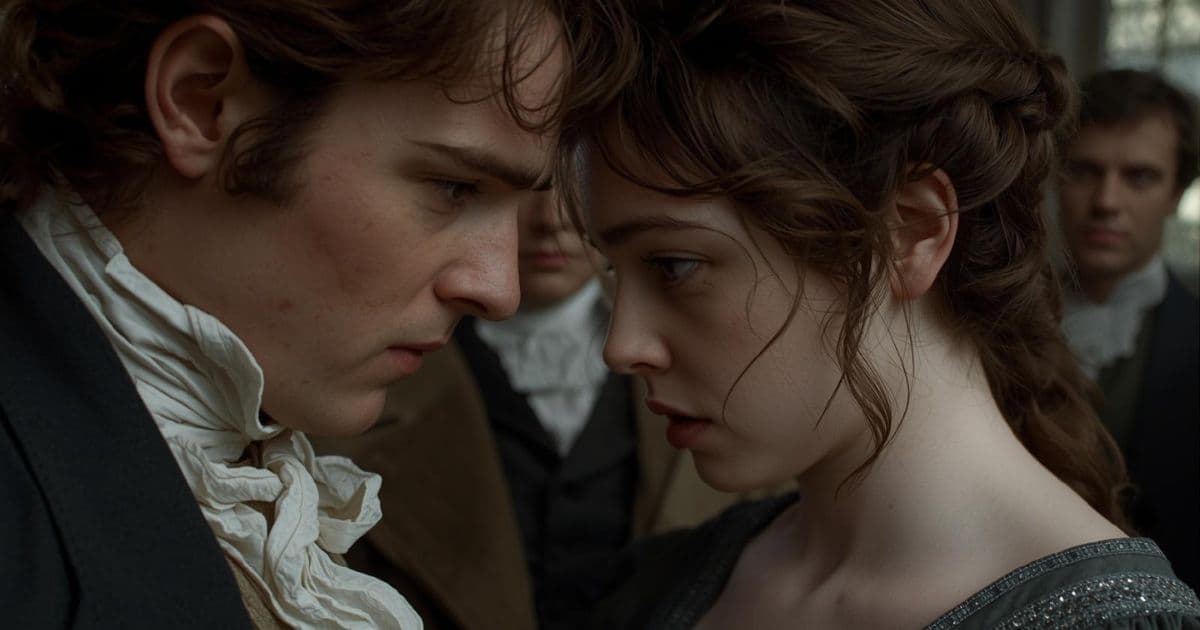
Continue to Chapter 6
Previous
Chapter 4
Contents
Next
Chapter 6

Continue Exploring

The Great Gatsby Study GuideTeaching ResourcesEssential Life IndexBrowse by ThemeAll Books
Social Class & StatusLove & RelationshipsIdentity & Self-Discovery

You Might Also Like

Great Expectations cover

Great Expectations

Charles Dickens

Explores society & class

Ulysses cover

Ulysses

James Joyce

Explores identity & self

Pride and Prejudice cover

Pride and Prejudice

Jane Austen

Explores society & class

Jane Eyre cover

Jane Eyre

Charlotte Brontë

Explores love & romance

Browse all 47+ books

Share This Chapter

Know someone who'd enjoy this? Spread the wisdom!

TwitterFacebookLinkedInEmail

Read ad-free with Prestige

Get rid of ads, unlock study guides and downloads, and support free access for everyone.

Subscribe to PrestigeCreate free account
Intelligence Amplifier
Intelligence Amplifier™Powering Amplified Classics

Exploring human-AI collaboration through books, essays, and philosophical dialogues. Classic literature transformed into navigational maps for modern life.

2025 Books

→ The Amplified Human Spirit→ The Alarming Rise of Stupidity Amplified→ San Francisco: The AI Capital of the World
Visit intelligenceamplifier.org
hello@amplifiedclassics.com

AC Originals

→ The Last Chapter First→ You Are Not Lost→ The Lit of Love→ The Wealth Paradox
Arvintech
arvintechAmplify your Mind
Visit at arvintech.com

Navigate

  • Home
  • Library
  • Essential Life Index
  • How It Works
  • Subscribe
  • Account
  • About
  • Contact
  • Authors
  • Suggest a Book

Made For You

  • Students
  • Educators
  • Families
  • Readers
  • Finding Purpose

Newsletter

Weekly insights from the classics.

Amplify Your Mind

Legal

  • Privacy Policy
  • Terms of Service
  • Cookie Policy
  • Accessibility

Why Public Domain?

We focus on public domain classics because these timeless works belong to everyone. No paywalls, no restrictions—just wisdom that has stood the test of centuries, freely accessible to all readers.

Public domain books have shaped humanity's understanding of love, justice, ambition, and the human condition. By amplifying these works, we help preserve and share literature that truly belongs to the world.

© 2025 Amplified Classics™. All Rights Reserved.

Intelligence Amplifier™ and Amplified Classics™ are proprietary trademarks of Arvin Lioanag.

Copyright Protection: All original content, analyses, discussion questions, pedagogical frameworks, and methodology are protected by U.S. and international copyright law. Unauthorized reproduction, distribution, web scraping, or use for AI training is strictly prohibited. See our Copyright Notice for details.

Disclaimer: The information provided on this website is for general informational and educational purposes only and does not constitute professional, legal, financial, or technical advice. While we strive to ensure accuracy and relevance, we make no warranties regarding completeness, reliability, or suitability. Any reliance on such information is at your own risk. We are not liable for any losses or damages arising from use of this site. By using this site, you agree to these terms.
