

Amplified ClassicsAmplified Classics
Literature MattersLife IndexEducators
Sign inSign up
The Great Gatsby - Chapter 4

F. Scott Fitzgerald

The Great Gatsby

Chapter 4

Home›Books›The Great Gatsby›Chapter 4
Back to The Great Gatsby
15 min•The Great Gatsby•Chapter 4 of 9

What You'll Learn

How rumors and legends shape perception

Why Gatsby's past is both real and invented

The significance of time and memory in chasing dreams

Previous
4 of 9
Next

Summary

Chapter 4

The Great Gatsby by F. Scott Fitzgerald

0:000:00

Gatsby takes Nick to lunch in New York, revealing more about his past. He shows Nick a medal from the war and a photograph of himself at Oxford, trying to prove his legitimacy. He also introduces Nick to Meyer Wolfsheim, a shady business associate who reveals that Gatsby made his money through bootlegging. The chapter reveals Gatsby's dual identity—the man he was (James Gatz from North Dakota) and the man he became (Jay Gatsby). Rumors about Gatsby circulate—that he's a bootlegger, that he killed a man, that he's a German spy. The chapter also includes a flashback to Gatsby's first meeting with Daisy five years earlier, showing the moment that would define his entire life. The scene in the rose garden, with Gatsby watching the clock, shows his obsession with recapturing the past—a past that can never be recaptured. This chapter establishes Gatsby's central conflict: his attempt to reinvent himself and recapture a lost love, a dream that can never be realized.

Coming Up in Chapter 5

Gatsby arranges a meeting with Daisy through Nick, hoping to recapture the past and fulfill his dream.


Share it with friends

Previous ChapterNext Chapter
GO ADS FREE — JOIN US

An excerpt from the original text.(~434 words)

O

n Sunday morning while church bells rang in the villages alongshore, the world and its mistress returned to Gatsby's house and twinkled hilariously on his lawn. 'He's a bootlegger,' said the young ladies, and somewhere among the wine and the flowers and the music, they moved with a certain haste and a certain carelessness, as if they were already aware that the party was over. Gatsby's notoriety, spread about by the hundreds who had accepted his hospitality and so become authorities on his past, had increased all summer until he fell just short of being news. Contemporary legends such as the 'underground pipe-line to Canada' attached themselves to him, and there was one persistent story that he didn't live in a house at all, but in a boat that looked like a house and was moved secretly up and down the Long Island shore. Just why these inventions were a source of satisfaction to James Gatz of North Dakota—that was something he took for granted. On the last afternoon before he went abroad, he sat with Daisy on a white wicker settee in the rose garden of her parents' house. It was a cool day with that mysterious excitement in it which comes at the two changes of the year. The gardener was cutting the grass in the garden, and Gatsby saw that the gardener's shears were clipping along the line of a last year's path. Gatsby took out his watch. 'It's just two minutes to four,' he said. He looked at Daisy, and then at the watch again. 'In just two minutes it'll be five years since I last saw you.'

Gatsby takes Nick to lunch in New York, revealing more about his past. He shows Nick a medal from the war and a photograph of himself at Oxford, trying to prove his legitimacy. He also introduces Nick to Meyer Wolfsheim, a shady business associate who reveals that Gatsby made his money through bootlegging. The chapter reveals Gatsby's dual identity—the man he was (James Gatz from North Dakota) and the man he became (Jay Gatsby). Rumors about Gatsby circulate—that he's a bootlegger, that he killed a man, that he's a German spy. The chapter also includes a flashback to Gatsby's first meeting with Daisy five years earlier, showing the moment that would define his entire life. The scene in the rose garden, with Gatsby watching the clock, shows his obsession with recapturing the past—a past that can never be recaptured. This chapter establishes Gatsby's central conflict: his attempt to reinvent himself and recapture a lost love, a dream that can never be realized.

Master this chapter. Complete your experience

Purchase the complete book to access all chapters and support classic literature

Read Free on GutenbergBuy at Powell'sBuy on Amazon

As an Amazon Associate, we earn a small commission from qualifying purchases at no additional cost to you.

Available in paperback, hardcover, and e-book formats

GO ADS FREE — JOIN US

Intelligence Amplifier™ Analysis

Pattern: The Reinvention Trap

The Road of Reinvention and the Past

Gatsby's attempt to reinvent himself—from James Gatz to Jay Gatsby—is both impressive and tragic. He's created a new identity, built a fortune, but he's still chasing a past that can never be recaptured. The Intelligence Amplifier pattern: **The Reinvention Trap**. When you try to become someone else, to escape your past and create a new identity, you may succeed in changing your circumstances, but you can't escape who you are. The past is always there, and trying to recapture it is a trap. Notice how Gatsby's wealth comes from corruption—bootlegging, organized crime, illegal activities. His reinvention is built on a foundation of corruption, and that corruption will ultimately destroy him. But more importantly, his attempt to recapture the past is impossible—Daisy has changed, he has changed, time has passed. The moment he's trying to recapture can never be recaptured. In modern terms, this is recognizing when you're trying to become someone else, to escape your past, to recapture a moment that's gone. Reinvention can be powerful, but trying to recapture the past is a trap.

The attempt to reinvent yourself and recapture the past, which is ultimately impossible because time has passed and people have changed

Why This Matters

Connect literature to life

Skill: Recognizing the Reinvention Trap

When you try to become someone else, to escape your past and create a new identity, you may succeed in changing your circumstances, but you can't escape who you are. The past is always there.

Practice This Today

Practice recognizing when you're trying to become someone else, to escape your past, to recapture a moment that's gone. Reinvention can be powerful, but trying to recapture the past is a trap.

Now let's explore the literary elements.

Terms to Know

Bootlegging

Illegal production and sale of alcohol, which was prohibited during Prohibition (1920-1933)

Modern Usage:

Like illegal business activities that create wealth but are corrupt—the hidden source of prosperity

Reinvention

Gatsby's transformation from James Gatz to Jay Gatsby

Modern Usage:

Like trying to become someone else, to escape your past and create a new identity

Characters in This Chapter

Meyer Wolfsheim

Gatsby's business associate, involved in organized crime

Wolfsheim represents the corruption behind Gatsby's wealth—the bootlegging, the organized crime, the illegal activities that made his fortune possible.

Modern Equivalent:

Someone involved in illegal business activities that create wealth but are corrupt

Key Quotes & Analysis

"He's a bootlegger,' said the young ladies, and somewhere among the wine and the flowers and the music, they moved with a certain haste and a certain carelessness, as if they were already aware that the party was over."

— Nick

Context: Rumors about Gatsby's source of wealth

The rumors reveal the truth—Gatsby's wealth comes from corruption, from bootlegging, from illegal activities. But people still attend his parties, still enjoy his hospitality, even knowing the source.

In Today's Words:

People knew his wealth came from corruption, but they still enjoyed the benefits

"In just two minutes it'll be five years since I last saw you."

— Gatsby

Context: Gatsby's flashback to his first meeting with Daisy

Gatsby's obsession with time, with recapturing the past, is revealed. He's been counting the minutes, the years, trying to recapture a moment that can never be recaptured.

In Today's Words:

I've been counting every minute since I lost you, trying to get back to that moment

Thematic Threads

Reinvention

In This Chapter

Gatsby's transformation from James Gatz to Jay Gatsby

Development

Reinvention built on corruption and the past

In Your Life:

Recognize when you're trying to become someone else, to escape your past—reinvention can be powerful, but the past is always there

The Past

In This Chapter

Gatsby's obsession with recapturing a lost moment

Development

The past can never be recaptured

In Your Life:

Learn when to let go of the past and when to move forward—trying to recapture what's gone is a trap

You now have the context. Time to form your own thoughts.

Discussion Questions

  1. 1

    How does Gatsby's reinvention from James Gatz to Jay Gatsby reveal the trap of trying to escape your past?

    analysis • deep
  2. 2

    Why can't Gatsby recapture the past? What has changed?

    reflection • medium
  3. 3

    Have you tried to reinvent yourself or recapture a past moment? What happened?

    application • surface

Critical Thinking Exercise

10 minutes

The Reinvention Analysis

Gatsby tries to reinvent himself and recapture the past. Think about when reinvention helps you grow and when it becomes a trap.

Consider:

  • •When does reinvention help you grow?
  • •When does it become a trap?
  • •Why can't the past be recaptured?
  • •How do you move forward instead of backward?

Journaling Prompt

Write about a time when you tried to reinvent yourself or recapture a past moment. What happened? What did you learn?

Coming Up Next...

Chapter 5

Gatsby arranges a meeting with Daisy through Nick, hoping to recapture the past and fulfill his dream.
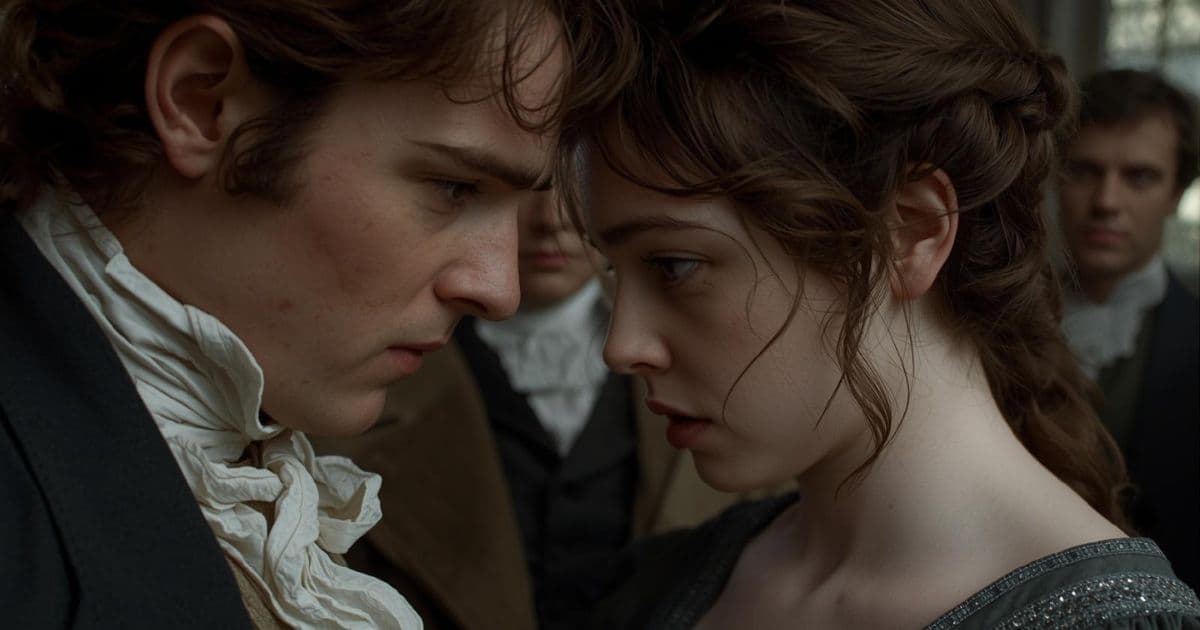
Continue to Chapter 5
Previous
Chapter 3
Contents
Next
Chapter 5

Continue Exploring

The Great Gatsby Study GuideTeaching ResourcesEssential Life IndexBrowse by ThemeAll Books
Social Class & StatusLove & RelationshipsIdentity & Self-Discovery

You Might Also Like

Great Expectations cover

Great Expectations

Charles Dickens

Explores society & class

Ulysses cover

Ulysses

James Joyce

Explores identity & self

Pride and Prejudice cover

Pride and Prejudice

Jane Austen

Explores society & class

Jane Eyre cover

Jane Eyre

Charlotte Brontë

Explores love & romance

Browse all 47+ books

Share This Chapter

Know someone who'd enjoy this? Spread the wisdom!

TwitterFacebookLinkedInEmail

Read ad-free with Prestige

Get rid of ads, unlock study guides and downloads, and support free access for everyone.

Subscribe to PrestigeCreate free account
Intelligence Amplifier
Intelligence Amplifier™Powering Amplified Classics

Exploring human-AI collaboration through books, essays, and philosophical dialogues. Classic literature transformed into navigational maps for modern life.

2025 Books

→ The Amplified Human Spirit→ The Alarming Rise of Stupidity Amplified→ San Francisco: The AI Capital of the World
Visit intelligenceamplifier.org
hello@amplifiedclassics.com

AC Originals

→ The Last Chapter First→ You Are Not Lost→ The Lit of Love→ The Wealth Paradox
Arvintech
arvintechAmplify your Mind
Visit at arvintech.com

Navigate

  • Home
  • Library
  • Essential Life Index
  • How It Works
  • Subscribe
  • Account
  • About
  • Contact
  • Authors
  • Suggest a Book

Made For You

  • Students
  • Educators
  • Families
  • Readers
  • Finding Purpose

Newsletter

Weekly insights from the classics.

Amplify Your Mind

Legal

  • Privacy Policy
  • Terms of Service
  • Cookie Policy
  • Accessibility

Why Public Domain?

We focus on public domain classics because these timeless works belong to everyone. No paywalls, no restrictions—just wisdom that has stood the test of centuries, freely accessible to all readers.

Public domain books have shaped humanity's understanding of love, justice, ambition, and the human condition. By amplifying these works, we help preserve and share literature that truly belongs to the world.

© 2025 Amplified Classics™. All Rights Reserved.

Intelligence Amplifier™ and Amplified Classics™ are proprietary trademarks of Arvin Lioanag.

Copyright Protection: All original content, analyses, discussion questions, pedagogical frameworks, and methodology are protected by U.S. and international copyright law. Unauthorized reproduction, distribution, web scraping, or use for AI training is strictly prohibited. See our Copyright Notice for details.

Disclaimer: The information provided on this website is for general informational and educational purposes only and does not constitute professional, legal, financial, or technical advice. While we strive to ensure accuracy and relevance, we make no warranties regarding completeness, reliability, or suitability. Any reliance on such information is at your own risk. We are not liable for any losses or damages arising from use of this site. By using this site, you agree to these terms.
