A chapter overview excerpt.(~375 words)
nne's journey continues as she navigates reading someone's changed feelings. This chapter explores themes of rejection, dignity, hidden emotion.
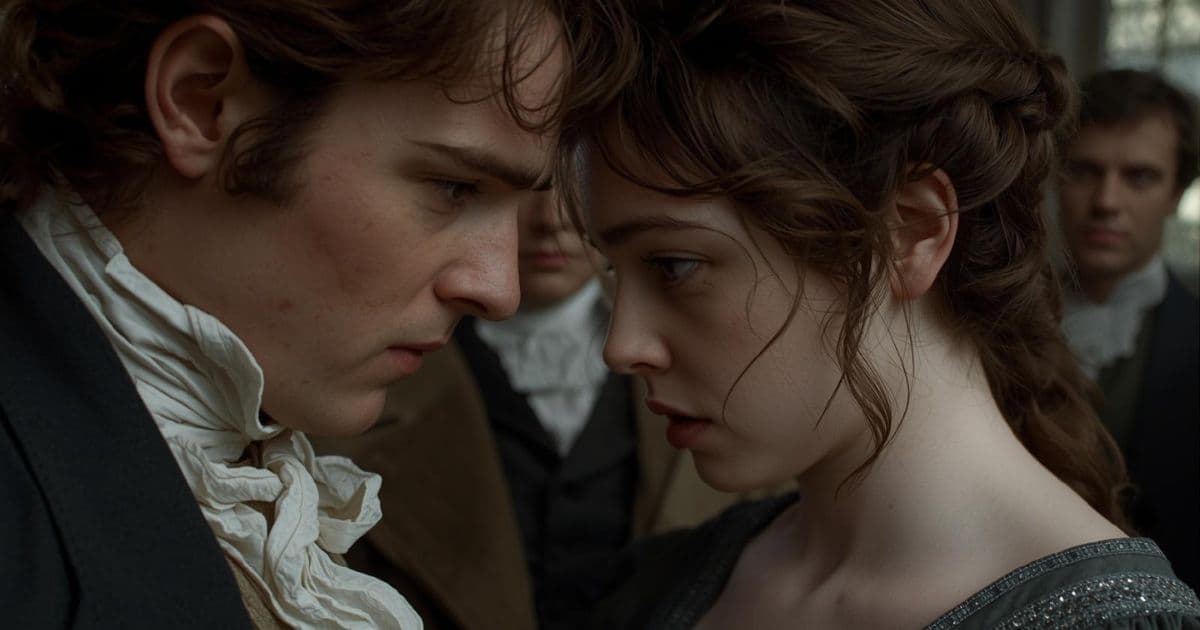
Now begins the exquisite torture of forced proximity. Anne and Wentworth are repeatedly in the same circle—dining together, talking in company, existing in the same rooms while maintaining the fiction of being strangers. He tells stories about his naval career, mentioning "the year six"—their year, the year of the engagement—without his voice faltering, without looking at her. But Anne knows him well enough to know he's thinking of it. "Eight years may be little more than nothing" to feelings that never died.
They have no real conversation, only the bare minimum civility requires. "Once so much to each other! Now nothing!" Worse than strangers, because strangers might become acquainted. They never can. It's "perpetual estrangement." She watches him charm everyone—the Musgrove daughters hang on every word, asking about life at sea. He's brilliant, confident, universally admired. The Miss Hayters are apparently admitted to the honor of being in love with him. Henrietta and Louisa compete for his attention so obviously that only their mutual goodwill keeps them from open rivalry. He's slightly spoiled by such eager admiration, but who could blame him?
Then a moment of painful proximity: they end up on the same sofa, divided only by Mrs. Musgrove's substantial bulk, as Wentworth kindly listens to her sentimental memories of her dead son (whom he'd actually been glad to get rid of—Anne sees the flicker of amusement before he schools his expression). Anne's "slender form and pensive face" are completely screened. He can't see her. Or pretends he can't.
The evening ends with dancing. Anne plays piano, fingers moving mechanically for half an hour while tears occasionally fill her eyes. She's glad to be employed, desires only to be unobserved. Wentworth is in "higher spirits" than anyone, elevated by the attention of every young woman in the room. Once he looks at her—perhaps trying to trace the ruins of the face that once charmed him. Once he asks why Miss Elliot never dances. Once he offers her the piano seat back with such studied, cold politeness that it's worse than anything. His ceremonious grace is more wounding than hatred. Hatred would at least be feeling.
Master this chapter. Complete your experience
Purchase the complete book to access all chapters and support classic literature
As an Amazon Associate, we earn a small commission from qualifying purchases at no additional cost to you.
Available in paperback, hardcover, and e-book formats
Let's Analyse the Pattern
Recognizing and navigating rejection, dignity, hidden emotion
Why This Matters
Connect literature to life
Reading someone's changed feelings
Practice This Today
Observe how rejection, dignity, hidden emotion operate in your own relationships and social settings.
Now let's explore the literary elements.
Key Quotes & Analysis
"Anne reflected on the events unfolding before her, seeing clearly what others could not."
Context: Reflecting on wentworth's coldness
Austen uses Anne's perception to illuminate rejection, dignity, hidden emotion.
In Today's Words:
Sometimes the quiet observer sees most clearly, especially regarding rejection.
Thematic Threads
Wentworth's Coldness
In This Chapter
Anne experiences reading someone's changed feelings
Development
This connects to the broader themes of constancy and second chances
In Your Life:
Consider how rejection, dignity, hidden emotion appear in your own relationships
You now have the context. Time to form your own thoughts.
Discussion Questions
- 1
How does Anne handle reading someone's changed feelings? What can we learn from her approach?
analysis • medium - 2
Think of a time when you experienced rejection. How did you navigate it?
reflection • deep
Critical Thinking Exercise
Understanding Wentworth's Coldness
Reflect on a situation in your life involving rejection, dignity, hidden emotion. How did you handle it, and what would you do differently now?
Consider:
- •How did rejection affect your decisions?
- •What did you learn from the experience?
Journaling Prompt
Write about how understanding rejection, dignity, hidden emotion has changed your approach to relationships.
Coming Up Next...
Chapter 9: The Walk to Winthrop
Anne's journey continues as new revelations and challenges emerge...