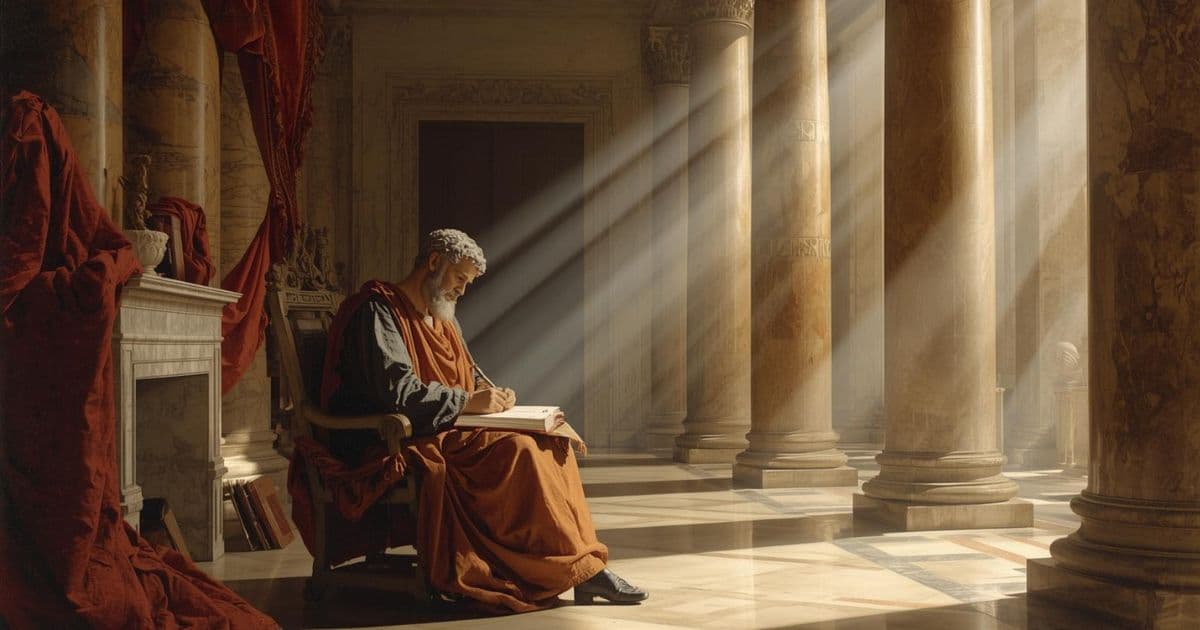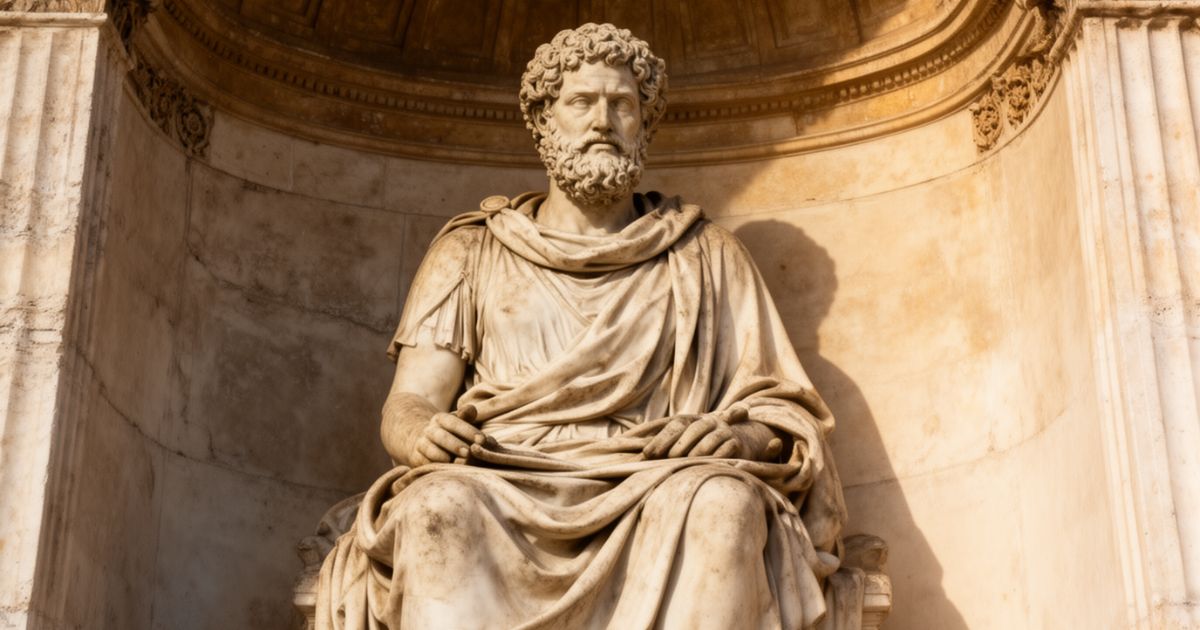
An excerpt from the original text.(complete · 5983 words)
THE SEVENTH BOOK
I. What is wickedness? It is that which many time and often thou hast
already seen and known in the world. And so oft as anything doth happen
that might otherwise trouble thee, let this memento presently come to
thy mind, that it is that which thou hast already often Seen and known.
Generally, above and below, thou shalt find but the same things. The
very same things whereof ancient stories, middle age stories, and fresh
stories are full whereof towns are full, and houses full. There is
nothing that is new. All things that are, are both usual and of little
continuance.
II. What fear is there that thy dogmata, or philosophical resolutions
and conclusions, should become dead in thee, and lose their proper
power and efficacy to make thee live happy, as long as those proper
and correlative fancies, and representations of things on which they
mutually depend (which continually to stir up and revive is in thy
power,) are still kept fresh and alive? It is in my power concerning
this thing that is happened, what soever it be, to conceit that which is
right and true. If it be, why then am I troubled? Those things that are
without my understanding, are nothing to it at all: and that is it only,
which doth properly concern me. Be always in this mind, and thou wilt be
right.
III. That which most men would think themselves most happy for, and
would prefer before all things, if the Gods would grant it unto them
after their deaths, thou mayst whilst thou livest grant unto thyself; to
live again. See the things of the world again, as thou hast already seen
them. For what is it else to live again? Public shows and solemnities
with much pomp and vanity, stage plays, flocks and herds; conflicts
and contentions: a bone thrown to a company of hungry curs; a bait for
greedy fishes; the painfulness, and continual burden-bearing of wretched
ants, the running to and fro of terrified mice: little puppets drawn up
and down with wires and nerves: these be the objects of the world among
all these thou must stand steadfast, meekly affected, and free from all
manner of indignation; with this right ratiocination and apprehension;
that as the worth is of those things which a man doth affect, so is in
very deed every man's worth more or less.
IV. Word after word, every one by itself, must the things that are
spoken be conceived and understood; and so the things that are done,
purpose after purpose, every one by itself likewise. And as in matter of
purposes and actions, we must presently see what is the proper use and
relation of every one; so of words must we be as ready, to consider of
every one what is the true meaning, and signification of it according to
truth and nature, however it be taken in common use.
V. Is my reason, and understanding sufficient for this, or no? If it be
sufficient, without any private applause, or public ostentation as of an
instrument, which by nature I am provided of, I will make use of it for
the work in hand, as of an instrument, which by nature I am provided of.
if it be not, and that otherwise it belong not unto me particularly as
a private duty, I will either give it over, and leave it to some other
that can better effect it: or I will endeavour it; but with the help
of some other, who with the joint help of my reason, is able to bring
somewhat to pass, that will now be seasonable and useful for the common
good. For whatsoever I do either by myself, or with some other, the
only thing that I must intend, is, that it be good and expedient for
the public. For as for praise, consider how many who once were much
commended, are now already quite forgotten, yea they that commended
them, how even they themselves are long since dead and gone. Be not
therefore ashamed, whensoever thou must use the help of others. For
whatsoever it be that lieth upon thee to effect, thou must propose it
unto thyself, as the scaling of walls is unto a soldier. And what if
thou through either lameness or some other impediment art not able to
reach unto the top of the battlements alone, which with the help of
another thou mayst; wilt thou therefore give it over, or go about it
with less courage and alacrity, because thou canst not effect it all
alone?
VI. Let not things future trouble thee. For if necessity so require that
they come to pass, thou shalt (whensoever that is) be provided for them
with the same reason, by which whatsoever is now present, is made both
tolerable and acceptable unto thee. All things are linked and knitted
together, and the knot is sacred, neither is there anything in the
world, that is not kind and natural in regard of any other thing, or,
that hath not some kind of reference and natural correspondence with
whatsoever is in the world besides. For all things are ranked together,
and by that decency of its due place and order that each particular
doth observe, they all concur together to the making of one and the same
κόσμος or world: as if you said, a comely piece, or an orderly
composition. For all things throughout, there is but one and the same
order; and through all things, one and the same God, the same substance
and the same law. There is one common reason, and one common truth, that
belongs unto all reasonable creatures, for neither is there save one
perfection of all creatures that are of the same kind, and partakers of
the same reason.
VII. Whatsoever is material, doth soon vanish away into the common
substance of the whole; and whatsoever is formal, or, whatsoever doth
animate that which is material, is soon resumed into the common reason
of the whole; and the fame and memory of anything, is soon swallowed up
by the general age and duration of the whole.
VIII. To a reasonable creature, the same action is both according
to nature, and according to reason.
IX. Straight of itself, not made straight.
X. As several members in one body united, so are reasonable creatures
in a body divided and dispersed, all made and prepared for one common
operation. And this thou shalt apprehend the better, if thou shalt use
thyself often to say to thyself, I am μέλος, or a member of the mass and
body of reasonable substances. But if thou shalt say I am μέρος, or
a part, thou dost not yet love men from thy heart. The joy that thou
takest in the exercise of bounty, is not yet grounded upon a due
ratiocination and right apprehension of the nature of things. Thou dost
exercise it as yet upon this ground barely, as a thing convenient and
fitting; not, as doing good to thyself, when thou dost good unto others.
XI. Of things that are external, happen what will to that which can
suffer by external accidents. Those things that suffer let them complain
themselves, if they will; as for me, as long as I conceive no such
thing, that that which is happened is evil, I have no hurt; and it is in
my power not to conceive any such thing.
XII. Whatsoever any man either doth or saith, thou must be good; not for
any man's sake, but for thine own nature's sake; as if either gold, or
the emerald, or purple, should ever be saying to themselves, Whatsoever
any man either doth or saith, I must still be an emerald, and I must
keep my colour.
XIII. This may ever be my comfort and security: my understanding, that
ruleth over all, will not of itself bring trouble and vexation upon
itself. This I say; it will not put itself in any fear, it will not lead
itself into any concupiscence. If it be in the power of any other to
compel it to fear, or to grieve, it is free for him to use his power.
But sure if itself do not of itself, through some false opinion or
supposition incline itself to any such disposition; there is no fear.
For as for the body, why should I make the grief of my body, to be the
grief of my mind? If that itself can either fear or complain, let it.
But as for the soul, which indeed, can only be truly sensible of either
fear or grief; to which only it belongs according to its different
imaginations and opinions, to admit of either of these, or of their
contraries; thou mayst look to that thyself, that it suffer nothing.
Induce her not to any such opinion or persuasion. The understanding
is of itself sufficient unto itself, and needs not (if itself doth not
bring itself to need) any other thing besides itself, and by consequent
as it needs nothing, so neither can it be troubled or hindered by
anything, if itself doth not trouble and hinder itself.
XIV. What is εὐδαιμονία, or happiness: but ἀγαθὸς δαίμων, or, a good
dæmon, or spirit? What then dost thou do here, O opinion? By the Gods
I adjure thee, that thou get thee gone, as thou earnest: for I need thee
not. Thou earnest indeed unto me according to thy ancient wonted manner.
It is that, that all men have ever been subject unto. That thou camest
therefore I am not angry with thee, only begone, now that I have found
thee what thou art.
XV. Is any man so foolish as to fear change, to which all things that
once were not owe their being? And what is it, that is more pleasing and
more familiar to the nature of the universe? How couldst thou thyself
use thy ordinary hot baths, should not the wood that heateth them first
be changed? How couldst thou receive any nourishment from those things
that thou hast eaten, if they should not be changed? Can anything
else almost (that is useful and profitable) be brought to pass without
change? How then dost not thou perceive, that for thee also, by death,
to come to change, is a thing of the very same nature, and as necessary
for the nature of the universe?
XVI. Through the substance of the universe, as through a torrent pass
all particular bodies, being all of the same nature, and all joint
workers with the universe itself as in one of our bodies so many
members among themselves. How many such as Chrysippus, how many such
as Socrates, how many such as Epictetus, hath the age of the world
long since swallowed up and devoured? Let this, be it either men or
businesses, that thou hast occasion to think of, to the end that thy
thoughts be not distracted and thy mind too earnestly set upon anything,
upon every such occasion presently come to thy mind. Of all my thoughts
and cares, one only thing shall be the object, that I myself do nothing
which to the proper constitution of man, (either in regard of the
thing itself, or in regard of the manner, or of the time of doing,)
is contrary. The time when thou shalt have forgotten all things, is
at hand. And that time also is at hand, when thou thyself shalt be
forgotten by all. Whilst thou art, apply thyself to that especially
which unto man as he is a mart, is most proper and agreeable, and that
is, for a man even to love them that transgress against him. This shall
be, if at the same time that any such thing doth happen, thou call
to mind, that they are thy kinsmen; that it is through ignorance and
against their wills that they sin; and that within a very short while
after, both thou and he shall be no more. But above all things, that he
hath not done thee any hurt; for that by him thy mind and understanding
is not made worse or more vile than it was before.
XVII. The nature of the universe, of the common substance of all things
as it were of so much wax hath now perchance formed a horse; and then,
destroying that figure, hath new tempered and fashioned the matter of it
into the form and substance of a tree: then that again into the form and
substance of a man: and then that again into some other. Now every one
of these doth subsist but for a very little while. As for dissolution,
if it be no grievous thing to the chest or trunk, to be joined together;
why should it be more grievous to be put asunder?
XVIII. An angry countenance is much against nature, and it is oftentimes
the proper countenance of them that are at the point of death. But were
it so, that all anger and passion were so thoroughly quenched in thee,
that it were altogether impossible to kindle it any more, yet herein
must not thou rest satisfied, but further endeavour by good consequence
of true ratiocination, perfectly to conceive and understand, that all
anger and passion is against reason. For if thou shalt not be sensible
of thine innocence; if that also shall be gone from thee, the comfort of
a good conscience, that thou doest all things according to reason: what
shouldest thou live any longer for? All things that now thou seest,
are but for a moment. That nature, by which all things in the world are
administered, will soon bring change and alteration upon them, and then
of their substances make other things like unto them: and then soon
after others again of the matter and substance of these: that so by
these means, the world may still appear fresh and new.
XIX. Whensoever any man doth trespass against other, presently consider
with thyself what it was that he did suppose to be good, what to be
evil, when he did trespass. For this when thou knowest, thou wilt pity
him thou wilt have no occasion either to wonder, or to be angry. For
either thou thyself dust yet live in that error and ignorance, as that
thou dust suppose either that very thing that he doth, or some other
like worldly thing, to be good; and so thou art bound to pardon him if
he have done that which thou in the like case wouldst have done thyself.
Or if so be that thou dost not any more suppose the same things to be
good or evil, that he doth; how canst thou but be gentle unto him that
is in an error?
XX. Fancy not to thyself things future, as though they were present
but of those that are present, take some aside, that thou takest most
benefit of, and consider of them particularly, how wonderfully thou
wouldst want them, if they were not present. But take heed withal, lest
that whilst thou dust settle thy contentment in things present, thou
grow in time so to overprize them, as that the want of them (whensoever
it shall so fall out) should be a trouble and a vexation unto thee. Wind
up thyself into thyself. Such is the nature of thy reasonable
commanding part, as that if it exercise justice, and have by that means
tranquillity within itself, it doth rest fully satisfied with itself
without any other thing.
XXI. Wipe off all opinion stay the force and violence of unreasonable
lusts and affections: circumscribe the present time examine whatsoever
it be that is happened, either to thyself or to another: divide all
present objects, either in that which is formal or material think of the
last hour. That which thy neighbour hath committed, where the guilt of
it lieth, there let it rest. Examine in order whatsoever is spoken. Let
thy mind penetrate both into the effects, and into the causes. Rejoice
thyself with true simplicity, and modesty; and that all middle things
between virtue and vice are indifferent unto thee. Finally, love
mankind; obey God.
XXII. All things (saith he) are by certain order and appointment. And
what if the elements only.
It will suffice to remember, that all things in general are by certain
order and appointment: or if it be but few. And as concerning death,
that either dispersion, or the atoms, or annihilation, or extinction,
or translation will ensue. And as concerning pain, that that which is
intolerable is soon ended by death; and that which holds long must needs
be tolerable; and that the mind in the meantime (which is all in all)
may by way of interclusion, or interception, by stopping all manner of
commerce and sympathy with the body, still retain its own tranquillity.
Thy understanding is not made worse by it. As for those parts that
suffer, let them, if they can, declare their grief themselves. As for
praise and commendation, view their mind and understanding, what estate
they are in; what kind of things they fly, and what things they seek
after: and that as in the seaside, whatsoever was before to be seen,
is by the continual succession of new heaps of sand cast up one upon
another, soon hid and covered; so in this life, all former things by
those which immediately succeed.
XXIII. Out of Plato. 'He then whose mind is endowed with true
magnanimity, who hath accustomed himself to the contemplation both of
all times, and of all things in general; can this mortal life (thinkest
thou) seem any great matter unto him? It is not possible, answered he.
Then neither will such a one account death a grievous thing? By no
means.'
XXIV. Out of Antisthenes. 'It is a princely thing to do well, and to be
ill-spoken of. It is a shameful thing that the face should be subject
unto the mind, to be put into what shape it will, and to be dressed by
it as it will; and that the mind should not bestow so much care upon
herself, as to fashion herself, and to dress herself as best becometh
her.'
XXV. Out of several poets and comics. 'It will but little avail thee,
to turn thine anger and indignation upon the things themselves that have
fallen across unto thee. For as for them, they are not sensible of it,
&c. Thou shalt but make thyself a laughing-stock; both unto the Gods and
men, &c. Our life is reaped like a ripe ear of corn; one is yet
standing and another is down, &c. But if so be that I and my children be
neglected by the gods, there is some reason even for that, &c. As long
as right and equity is of my side, &c. Not to lament with them, not to
tremble, &c.'
XXVI. Out of Plato. 'My answer, full of justice and equity, should be
this: Thy speech is not right, O man! if thou supposest that he that is
of any worth at all, should apprehend either life or death, as a matter
of great hazard and danger; and should not make this rather his only
care, to examine his own actions, whether just or unjust: whether
actions of a good, or of a wicked man, &c. For thus in very truth stands
the case, O ye men of Athens. What place or station soever a man either
hath chosen to himself, judging it best for himself; or is by lawful
authority put and settled in, therein do I think (all appearance of
danger notwithstanding) that he should continue, as one who feareth
neither death, nor anything else, so much as he feareth to commit
anything that is vicious and shameful, &c. But, O noble sir, consider
I pray, whether true generosity and true happiness, do not consist in
somewhat else rather, than in the preservation either of our, or other
men's lives. For it is not the part of a man that is a man indeed, to
desire to live long or to make much of his life whilst he liveth: but
rather (he that is such) will in these things wholly refer himself unto
the Gods, and believing that which every woman can tell him, that no man
can escape death; the only thing that he takes thought and care for is
this, that what time he liveth, he may live as well and as virtuously
as he can possibly, &c. To look about, and with the eyes to follow the
course of the stars and planets as though thou wouldst run with them;
and to mind perpetually the several changes of the elements one into
another. For such fancies and imaginations, help much to purge away
the dross and filth of this our earthly life,' &c. That also is a fine
passage of Plato's, where he speaketh of worldly things in these words:
'Thou must also as from some higher place look down, as it were, upon
the things of this world, as flocks, armies, husbandmen's labours,
marriages, divorces, generations, deaths: the tumults of courts and
places of judicatures; desert places; the several nations of barbarians,
public festivals, mournings, fairs, markets.' How all things upon earth
are pell-mell; and how miraculously things contrary one to another,
concur to the beauty and perfection of this universe.
XXVII. To look back upon things of former ages, as upon the manifold
changes and conversions of several monarchies and commonwealths. We
may also foresee things future, for they shall all be of the same kind;
neither is it possible that they should leave the tune, or break the
concert that is now begun, as it were, by these things that are now done
and brought to pass in the world. It comes all to one therefore, whether
a man be a spectator of the things of this life but forty years, or
whether he see them ten thousand years together: for what shall he
see more? 'And as for those parts that came from the earth, they shall
return unto the earth again; and those that came from heaven, they
also shall return unto those heavenly places.' Whether it be a mere
dissolution and unbinding of the manifold intricacies and entanglements
of the confused atoms; or some such dispersion of the simple and
incorruptible elements... 'With meats and drinks and divers charms, they
seek to divert the channel, that they might not die. Yet must we needs
endure that blast of wind that cometh from above, though we toil and
labour never so much.'
XXVIII. He hath a stronger body, and is a better wrestler than I. What
then? Is he more bountiful? is he more modest? Doth he bear all adverse
chances with more equanimity: or with his neighbour's offences with more
meekness and gentleness than I?
XXIX. Where the matter may be effected agreeably to that reason, which
both unto the Gods and men is common, there can be no just cause of
grief or sorrow. For where the fruit and benefit of an action well begun
and prosecuted according to the proper constitution of man may be reaped
and obtained, or is sure and certain, it is against reason that any
damage should there be suspected. In all places, and at all times, it is
in thy power religiously to embrace whatsoever by God's appointment is
happened unto thee, and justly to converse with those men, whom thou
hast to do with, and accurately to examine every fancy that presents
itself, that nothing may slip and steal in, before thou hast rightly
apprehended the true nature of it.
XXX. Look not about upon other men's minds and understandings; but look
right on forwards whither nature, both that of the universe, in those
things that happen unto thee; and thine in particular, in those things
that are done by thee: doth lead, and direct thee. Now every one is
bound to do that, which is consequent and agreeable to that end which
by his true natural constitution he was ordained unto. As for all other
things, they are ordained for the use of reasonable creatures: as in all
things we see that that which is worse and inferior, is made for
that which is better. Reasonable creatures, they are ordained one for
another. That therefore which is chief in every man's constitution, is,
that he intend the common good. The second is, that he yield not to any
lusts and motions of the flesh. For it is the part and privilege of the
reasonable and intellective faculty, that she can so bound herself,
as that neither the sensitive, nor the appetitive faculties, may not
anyways prevail upon her. For both these are brutish. And therefore over
both she challengeth mastery, and cannot anyways endure, if in her right
temper, to be subject unto either. And this indeed most justly. For
by nature she was ordained to command all in the body. The third
thing proper to man by his constitution, is, to avoid all rashness and
precipitancy; and not to be subject to error. To these things then, let
the mind apply herself and go straight on, without any distraction about
other things, and she hath her end, and by consequent her happiness.
XXXI. As one who had lived, and were now to die by right, whatsoever is
yet remaining, bestow that wholly as a gracious overplus upon a virtuous
life. Love and affect that only, whatsoever it be that happeneth, and is
by the fates appointed unto thee. For what can be more reasonable? And
as anything doth happen unto thee by way of cross, or calamity, call
to mind presently and set before thine eyes, the examples of some other
men, to whom the self-same thing did once happen likewise. Well, what
did they? They grieved; they wondered; they complained. And where are
they now? All dead and gone. Wilt thou also be like one of them?
Or rather leaving to men of the world (whose life both in regard of
themselves, and them that they converse with, is nothing but mere
mutability; or men of as fickle minds, as fickle bodies; ever changing
and soon changed themselves) let it be thine only care and study, how to
make a right use of all such accidents. For there is good use to be made
of them, and they will prove fit matter for thee to work upon, if it
shall be both thy care and thy desire, that whatsoever thou doest, thou
thyself mayst like and approve thyself for it. And both these, see,
that thou remember well, according as the diversity of the matter of
the action that thou art about shall require. Look within; within is the
fountain of all good. Such a fountain, where springing waters can never
fail, so thou dig still deeper and deeper.
XXXII. Thou must use thyself also to keep thy body fixed and steady;
free from all loose fluctuant either motion, or posture. And as upon thy
face and looks, thy mind hath easily power over them to keep them to
that which is grave and decent; so let it challenge the same power over
the whole body also. But so observe all things in this kind, as that it
be without any manner of affectation.
XXXIII. The art of true living in this world is more like a wrestler's,
than a dancer's practice. For in this they both agree, to teach a man
whatsoever falls upon him, that he may be ready for it, and that nothing
may cast him down.
XXXIV. Thou must continually ponder and consider with thyself, what
manner of men they be, and for their minds and understandings what is
their present estate, whose good word and testimony thou dost desire.
For then neither wilt thou see cause to complain of them that offend
against their wills; or find any want of their applause, if once
thou dost but penetrate into the true force and ground both of their
opinions, and of their desires. 'No soul (saith he) is willingly bereft
of the truth,' and by consequent, neither of justice, or temperance, or
kindness, and mildness; nor of anything that is of the same kind. It is
most needful that thou shouldst always remember this. For so shalt thou
be far more gentle and moderate towards all men.
XXXV. What pain soever thou art in, let this presently come to thy mind,
that it is not a thing whereof thou needest to be ashamed, neither is it
a thing whereby thy understanding, that hath the government of all,
can be made worse. For neither in regard of the substance of it, nor
in regard of the end of it (which is, to intend the common good) can
it alter and corrupt it. This also of Epicurus mayst thou in most pains
find some help of, that it is 'neither intolerable, nor eternal;' so
thou keep thyself to the true bounds and limits of reason and give not
way to opinion. This also thou must consider, that many things there be,
which oftentimes unsensibly trouble and vex thee, as not armed against
them with patience, because they go not ordinarily under the name of
pains, which in very deed are of the same nature as pain; as to slumber
unquietly, to suffer heat, to want appetite: when therefore any of these
things make thee discontented, check thyself with these words: Now hath
pain given thee the foil; thy courage hath failed thee.
XXXVI. Take heed lest at any time thou stand so affected, though towards
unnatural evil men, as ordinary men are commonly one towards another.
XXXVII. How know we whether Socrates were so eminent indeed, and of so
extraordinary a disposition? For that he died more gloriously, that he
disputed with the Sophists more subtilty; that he watched in the frost
more assiduously; that being commanded to fetch innocent Salaminius, he
refused to do it more generously; all this will not serve. Nor that he
walked in the streets, with much gravity and majesty, as was objected
unto him by his adversaries: which nevertheless a man may well doubt of,
whether it were so or no, or, which above all the rest, if so be that
it were true, a man would well consider of, whether commendable, or
dis-commendable. The thing therefore that we must inquire into, is this;
what manner of soul Socrates had: whether his disposition was such; as
that all that he stood upon, and sought after in this world, was barely
this, that he might ever carry himself justly towards men, and holily
towards the Gods. Neither vexing himself to no purpose at the wickedness
of others, nor yet ever condescending to any man's evil fact, or evil
intentions, through either fear, or engagement of friendship. Whether of
those things that happened unto him by God's appointment, he neither did
wonder at any when it did happen, or thought it intolerable in the trial
of it. And lastly, whether he never did suffer his mind to sympathise
with the senses, and affections of the body. For we must not think that
Nature hath so mixed and tempered it with the body, as that she hath not
power to circumscribe herself, and by herself to intend her own ends and
occasions.
XXXVIII. For it is a thing very possible, that a man should be a very
divine man, and yet be altogether unknown. This thou must ever be
mindful of, as of this also, that a man's true happiness doth consist
in very few things. And that although thou dost despair, that thou shalt
ever be a good either logician, or naturalist, yet thou art never the
further off by it from being either liberal, or modest, or charitable,
or obedient unto God.
XXXIX. Free from all compulsion in all cheerfulness and alacrity thou
mayst run out thy time, though men should exclaim against thee never so
much, and the wild beasts should pull in sunder the poor members of thy
pampered mass of flesh. For what in either of these or the like cases
should hinder the mind to retain her own rest and tranquillity,
consisting both in the right judgment of those things that happen unto
her, and in the ready use of all present matters and occasions? So that
her judgment may say, to that which is befallen her by way of cross:
this thou art in very deed, and according to thy true nature:
notwithstanding that in the judgment of opinion thou dust appear
otherwise: and her discretion to the present object; thou art that,
which I sought for. For whatsoever it be, that is now present, shall
ever be embraced by me as a fit and seasonable object, both for my
reasonable faculty, and for my sociable, or charitable inclination to
work upon. And that which is principal in this matter, is that it may be
referred either unto the praise of God, or to the good of men. For
either unto God or man, whatsoever it is that doth happen in the world
hath in the ordinary course of nature its proper reference; neither is
there anything, that in regard of nature is either new, or reluctant and
intractable, but all things both usual and easy.
XL. Then hath a man attained to the estate of perfection in his life and
conversation, when he so spends every day, as if it were his last day:
never hot and vehement in his affections, nor yet so cold and stupid as
one that had no sense; and free from all manner of dissimulation.
XLI. Can the Gods, who are immortal, for the continuance of so many ages
bear without indignation with such and so many sinners, as have ever
been, yea not only so, but also take such care for them, that they want
nothing; and dust thou so grievously take on, as one that could bear
with them no longer; thou that art but for a moment of time? yea thou
that art one of those sinners thyself? A very ridiculous thing it is,
that any man should dispense with vice and wickedness in himself, which
is in his power to restrain; and should go about to suppress it in
others, which is altogether impossible.
XLII. What object soever, our reasonable and sociable faculty doth meet
with, that affords nothing either for the satisfaction of reason, or for
the practice of charity, she worthily doth think unworthy of herself.
XLIII. When thou hast done well, and another is benefited by thy action,
must thou like a very fool look for a third thing besides, as that
it may appear unto others also that thou hast done well, or that thou
mayest in time, receive one good turn for another? No man useth to be
weary of that which is beneficial unto him. But every action according
to nature, is beneficial. Be not weary then of doing that which is
beneficial unto thee, whilst it is so unto others.
XLIV. The nature of the universe did once certainly before it was
created, whatsoever it hath done since, deliberate and so resolve upon
the creation of the world. Now since that time, whatsoever it is, that
is and happens in the world, is either but a consequent of that one and
first deliberation: or if so be that this ruling rational part of the
world, takes any thought and care of things particular, they are surely
his reasonable and principal creatures, that are the proper object of
his particular care and providence. This often thought upon, will much
conduce to thy tranquillity.
Master this chapter. Complete your experience
Purchase the complete book to access all chapters and support classic literature
As an Amazon Associate, we earn a small commission from qualifying purchases at no additional cost to you.
Available in paperback, hardcover, and e-book formats
Let's Analyse the Pattern
The Road of Universal Struggles - Why Your Problems Aren't Special
Why This Matters
Connect literature to life
This chapter teaches how to identify when your current struggle is part of a larger human pattern rather than a unique personal failure.
Practice This Today
This week, notice when you think 'nobody understands what I'm going through'—then actively seek out others who've faced similar challenges and ask how they navigated them.
Now let's explore the literary elements.
Key Quotes & Analysis
"Nothing happens to any man that he is not formed by nature to bear."
Context: Marcus reminds himself that humans are naturally equipped to handle whatever life throws at them
This quote reveals Marcus's belief in human resilience and natural coping abilities. He's not saying life is easy, but that we have inner resources to handle our challenges.
In Today's Words:
You're stronger than you think, and you can handle whatever comes your way.
"We were born to work together like feet, hands, and eyes, like the two rows of teeth, upper and lower."
Context: Marcus explains why collaboration and mutual help are natural and necessary
This shows Marcus's view that cooperation isn't just nice - it's how humans are designed to function. Fighting against this natural teamwork makes life harder for everyone.
In Today's Words:
People are meant to help each other - we work better together than apart.
"How much trouble he avoids who does not look to see what his neighbor says or does."
Context: Marcus advises focusing on your own actions rather than constantly watching others
This reveals Marcus's understanding that comparing yourself to others or obsessing over their choices drains energy from your own growth and responsibilities.
In Today's Words:
Mind your own business - you'll be happier and more productive if you stop worrying about what everyone else is doing.
Thematic Threads
Universal Experience
In This Chapter
Marcus emphasizes that human struggles repeat across time and geography—your problems aren't uniquely difficult
Development
Building on earlier themes of acceptance, now showing how perspective transforms suffering
In Your Life:
That overwhelming situation you're facing has been navigated successfully by countless others before you
Collaboration
In This Chapter
Asking for help is wisdom, not weakness—even soldiers need a boost to scale walls
Development
Expands on earlier discussions of duty to include mutual support and interdependence
In Your Life:
The help you're hesitating to ask for might be exactly what someone else wants to give
Impermanence
In This Chapter
Everything material dissolves back into universal substance; even reputations fade with time
Development
Deepens earlier themes about focusing on what you control by showing what ultimately doesn't matter
In Your Life:
The embarrassing mistake you're dwelling on will be forgotten much sooner than you think
Compassionate Understanding
In This Chapter
When someone wrongs you, consider what they believed was right in that moment
Development
Builds on earlier teachings about not taking others' actions personally
In Your Life:
That person who hurt you was likely acting from their own pain or limited understanding
Focus Control
In This Chapter
Concentrate on what you can control—thoughts, actions, responses—and let the rest flow
Development
Central theme reinforced throughout, here applied to dealing with pain and difficult people
In Your Life:
You can't control what happens to you, but you always control how you respond to it
You now have the context. Time to form your own thoughts.
Discussion Questions
- 1
Anthony says there's 'nothing new under the sun' when it comes to human problems. What examples does he give, and why does he think this perspective is helpful rather than discouraging?
analysis • surface - 2
Why does Anthony argue that asking for help is actually a sign of wisdom rather than weakness? How does he use the soldier example to illustrate this point?
analysis • medium - 3
Think about a current struggle in your life. Where have you seen this same pattern play out in your workplace, family, or community? How might recognizing this universality change your approach?
application • medium - 4
Anthony suggests trying to understand what someone believed was 'good or right' when they wronged you. How would you apply this technique to a recent conflict or difficult person in your life?
application • deep - 5
If Anthony is right that human nature hasn't fundamentally changed, what does this suggest about the value of learning from history, older generations, or people from different backgrounds?
reflection • deep
Critical Thinking Exercise
Map Your Universal Struggle
Identify a current challenge you're facing and research how others have navigated similar situations. This could be asking coworkers about workplace dynamics, calling a family member about relationship issues, or searching online communities for your specific struggle. The goal is to discover you're not alone and gather tested strategies.
Consider:
- •Look for patterns in the advice you receive - what strategies appear repeatedly?
- •Notice how others reframe the problem differently than you do
- •Pay attention to which solutions feel most practical for your specific situation
Journaling Prompt
Write about what you discovered when you realized your struggle isn't unique. How does it feel to know others have walked this path? What wisdom can you borrow from their experiences?
Coming Up Next...
Chapter 8: Mastering Your Inner Fortress
In the eighth book, Marcus will examine the relationship between individual purpose and cosmic order, exploring how personal virtue aligns with universal nature. He'll also confront the challenge of maintaining philosophical principles when facing real-world pressures and setbacks.