Amplified ClassicsAmplified Classics
Literature MattersLife IndexEducators
Sign inSign up
Letters from a Stoic - Choosing Your Inner Circle Wisely

Seneca

Letters from a Stoic

Choosing Your Inner Circle Wisely

Home›Books›Letters from a Stoic›Chapter 62
Back to Letters from a Stoic
3 min read•Letters from a Stoic•Chapter 62 of 124

What You'll Learn

How to protect your time from people who drain your energy

Why the company you keep shapes who you become

How to find mentors and wisdom across time and distance

Previous
62 of 124
Next

Summary

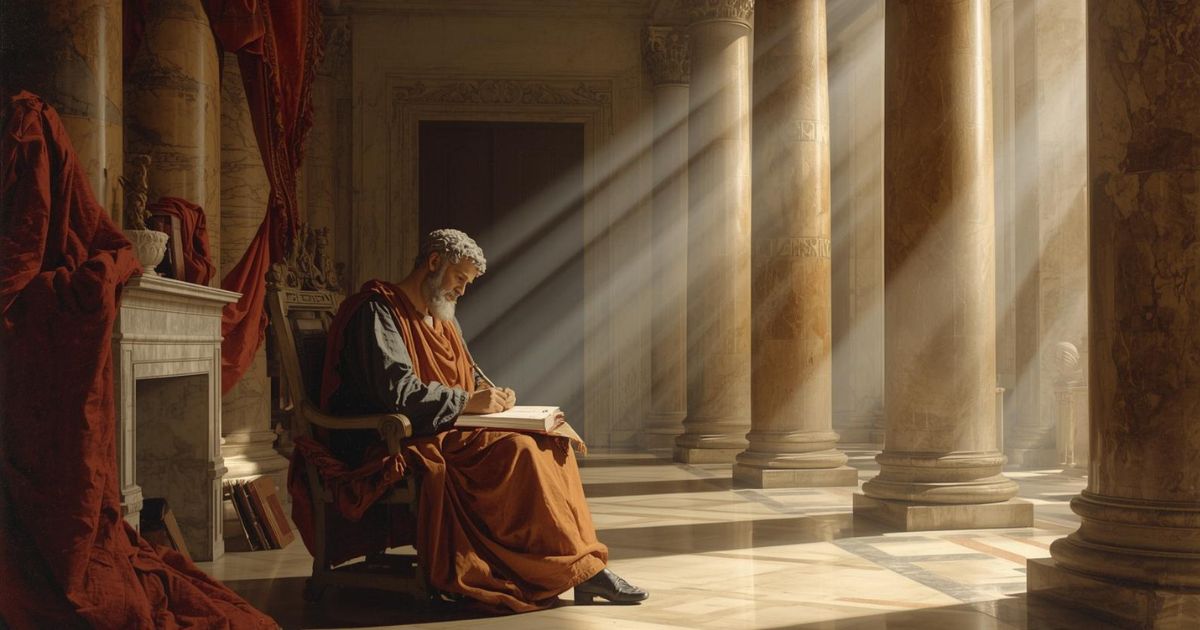
Seneca cuts through the excuses people make about being too busy for self-improvement, revealing that most people create their own chaos to avoid doing the hard work of growth. He explains a powerful principle: you don't have to surrender yourself to your obligations—you can loan yourself to them while staying in control of your inner life. The key insight comes through his friendship with Demetrius, a philosopher who owns almost nothing but lacks nothing because he's learned to find contentment within himself. Seneca shows how you can choose your companions not just from people around you, but from the wisest minds throughout history through their writings and teachings. This isn't about being antisocial—it's about being intentional. When you do spend time with others, you bring your best self rather than losing yourself in their drama or demands. The chapter reveals how true wealth isn't about accumulating possessions but about reaching a point where you need very little to be happy. Demetrius represents this ideal: someone so secure in himself that he can give freely to others without feeling depleted. Seneca argues that anyone can learn to despise the things that usually control us—status, luxury, others' opinions—but very few people can actually possess everything they want. The shortcut to feeling rich is to want less, not to get more.

Coming Up in Chapter 63

Next, Seneca faces one of life's hardest tests when he learns of a friend's death. He'll explore the delicate balance between honoring our grief and not letting it destroy us—a lesson every person who has loved and lost needs to hear.
Share it with friends

Previous ChapterNext Chapter
GO ADS FREE — JOIN US

An excerpt from the original text.(complete · 377 words)

L

←etter 61. On meeting death cheerfullyMoral letters to Luciliusby Seneca, translated by Richard Mott GummereLetter 62. On good companyLetter 63. On grief for lost friends→483039Moral letters to Lucilius — Letter 62. On good companyRichard Mott GummereSeneca ​ LXII. ON GOOD COMPANY 1. We are deceived by those who would have us believe that a multitude of affairs blocks their pursuit of liberal studies; they make a pretence of their engagements, and multiply them, when their engagements are merely with themselves. As for me, Lucilius, my time is free; it is indeed free, and wherever I am, I am master of myself. For I do not surrender myself to my affairs, but loan myself to them, and I do not hunt out excuses for wasting my time. And wherever I am situated, I carry on my own meditations and ponder in my mind some ​wholesome thought. 2. When I give myself to my friends, I do not withdraw from my own company, nor do I linger with those who are associated with me through some special occasion or some case which arises from my official position. But I spend my time in the company of all the best; no matter in what lands they may have lived, or in what age, I let my thoughts fly to them. 3. Demetrius,[1] for instance, the best of men, I take about with me, and, leaving the wearers of purple and fine linen, I talk with him, half-naked as he is, and hold him in high esteem. Why should I not hold him in high esteem? I have found that he lacks nothing. It is in the power of any man to despise all things, but of no man to possess all things. The shortest cut to riches is to despise riches. Our friend Demetrius, however, lives not merely as if he has learned to despise all things, but as if he has handed them over for others to possess.[2] Farewell.   ↑ Demetrius of Sunium, the Cynic philosopher, who taught in Rome in the reign of Caligula and was banished by Nero. ↑ i.e., he has achieved the Stoic ideal of independence of all external control; he is a king and has all things to bestow upon others, but needs nothing for himself.

Master this chapter. Complete your experience

Purchase the complete book to access all chapters and support classic literature

Read Free on GutenbergBuy at Powell'sBuy on Amazon

As an Amazon Associate, we earn a small commission from qualifying purchases at no additional cost to you.

Available in paperback, hardcover, and e-book formats

GO ADS FREE — JOIN US

Intelligence Amplifier™ Analysis

Pattern: Self-Imposed Chaos

The Road of Self-Imposed Chaos

This chapter reveals a pattern most people never recognize: we create our own chaos to avoid the discomfort of real growth. Seneca exposes how people claim they're "too busy" for self-improvement while simultaneously filling their lives with unnecessary drama, obligations, and distractions. It's not that life is overwhelming—it's that we overwhelm ourselves to avoid doing the hard work of becoming better. The mechanism works like this: growth requires looking honestly at yourself, changing habits, and sitting with uncomfortable truths. That's scary. So instead, we pack our schedules with urgent-seeming activities that feel important but keep us spinning in place. We say yes to every request, create crises that need solving, and stay perpetually busy. This busyness becomes our excuse: "I'd work on myself if I had time." But we're the ones eliminating the time. This pattern appears everywhere today. The nurse who complains she has no time for her health while volunteering for every extra shift. The parent who says they can't pursue their dreams while signing kids up for seventeen activities. The manager who claims they're swamped while attending every optional meeting. The person scrolling social media for hours then saying they don't have time to read. We mistake motion for progress and chaos for importance. When you recognize this pattern, you can break it. First, audit your obligations honestly—which ones did you choose, and why? Second, practice what Seneca calls "loaning yourself" to necessary duties while keeping your inner life separate. You show up fully for work, family, and commitments, but you don't lose yourself in them. Third, follow Demetrius's example: find contentment in what you already have instead of constantly seeking more. The goal isn't to become a hermit—it's to become intentional about where you spend your energy. When you can name the pattern of self-imposed chaos, predict where it leads (nowhere), and navigate it by choosing your obligations consciously—that's amplified intelligence.

People create unnecessary complexity and busyness in their lives to avoid the discomfort of real personal growth and self-examination.

Why This Matters

Connect literature to life

Skill: Distinguishing Necessary from Self-Imposed Obligations

This chapter teaches how to audit your commitments and recognize which chaos you're creating to avoid uncomfortable growth.

Practice This Today

This week, before saying yes to any request, pause and ask: 'Am I agreeing to this because it's necessary, or because staying busy feels safer than facing what I'm avoiding?'

GO ADS FREE — JOIN US

Now let's explore the literary elements.

Terms to Know

Liberal studies

In Seneca's time, these were subjects like philosophy, literature, and rhetoric that developed wisdom and character rather than just job skills. They were considered 'liberating' because they freed the mind from ignorance and helped people think for themselves.

Modern Usage:

Today we call this 'lifelong learning' or 'personal development' - reading, taking classes, or developing skills that make you a more thoughtful person, not just better at your job.

Stoic philosopher

Ancient thinkers who believed happiness came from controlling your thoughts and reactions rather than trying to control external circumstances. They practiced mental discipline and focused on what was within their power to change.

Modern Usage:

We see this in modern therapy approaches, mindfulness practices, and the idea of 'controlling what you can control' that shows up in everything from AA to business coaching.

Purple and fine linen

In ancient Rome, purple dye was extremely expensive and fine linen was a luxury fabric, so these represented wealth and high social status. Only the rich could afford to dress this way.

Modern Usage:

Today's equivalent would be designer brands, luxury cars, or expensive accessories - the things people use to signal their wealth and status.

Moral letters

Personal letters focused on ethical questions and how to live well. Seneca wrote these to his friend Lucilius as a way of sharing philosophical insights through real-life situations and practical advice.

Modern Usage:

This is like modern self-help books, life coaching, or even thoughtful social media posts where people share life lessons and wisdom from their experiences.

Meditations

Not just quiet thinking, but deliberate mental exercises where you examine your thoughts, review your actions, and practice philosophical principles. It was active mental training, like working out but for your mind.

Modern Usage:

Today this shows up as journaling, mindfulness practice, therapy homework, or even just taking time to really think through your day and your reactions.

Official position

Seneca held important government roles in Rome, which came with social obligations, formal duties, and expectations to network with other powerful people. These weren't just jobs but entire social identities.

Modern Usage:

This is like any job where you have to attend work events, network, or maintain professional relationships - the social parts of work that extend beyond your actual tasks.

Characters in This Chapter

Seneca

Narrator and philosopher-teacher

He's writing to share how he manages to stay true to himself despite having a busy, high-pressure life. He shows how someone can be successful in the world while still prioritizing inner growth and wisdom.

Modern Equivalent:

The executive who meditates, reads philosophy, and mentors others despite having a demanding career

Lucilius

Student and letter recipient

Though we don't hear directly from him in this letter, he represents someone seeking guidance on how to balance worldly responsibilities with personal development. He's the reason Seneca shares these insights.

Modern Equivalent:

The friend who asks for life advice, the mentee trying to figure out work-life balance

Demetrius

Philosophical mentor and example

He's Seneca's model of someone who has achieved true freedom by needing very little. Despite owning almost nothing, he's content and wise, showing that happiness doesn't come from possessions.

Modern Equivalent:

The minimalist friend who seems happier with less stuff than people with big houses and fancy cars

Those who make excuses

Negative example

These are people who claim they're too busy for self-improvement but actually create their own chaos to avoid doing the hard work of personal growth. Seneca uses them to show what not to do.

Modern Equivalent:

People who say they're too busy to exercise, read, or work on themselves but spend hours on social media or watching TV

Key Quotes & Analysis

"I do not surrender myself to my affairs, but loan myself to them"

— Seneca

Context: He's explaining how he stays in control of his time and energy despite having many responsibilities

This shows the difference between being owned by your obligations versus choosing how you engage with them. It's about maintaining your sense of self and priorities even when life gets demanding.

In Today's Words:

I don't let my job or responsibilities take over my whole identity - I give them what they need but I stay in charge of who I am

"I spend my time in the company of all the best; no matter in what lands they may have lived, or in what age, I let my thoughts fly to them"

— Seneca

Context: He's describing how he chooses his mental companions through reading and studying wise people from history

This reveals how books and learning can connect you with the greatest minds throughout history. You're not limited to learning only from people in your immediate circle.

In Today's Words:

I hang out with the smartest, wisest people who ever lived by reading their books and learning from them, even though they're long dead

"I talk with him, half-naked as he is, and hold him in high esteem"

— Seneca

Context: He's describing his friendship with Demetrius, who owns very little but is deeply wise

This shows how true worth has nothing to do with appearance or possessions. Seneca values Demetrius for his character and wisdom, not his social status or wealth.

In Today's Words:

I respect him more than people in expensive clothes, even though he barely owns anything

Thematic Threads

Class

In This Chapter

Seneca contrasts his wealthy lifestyle with Demetrius's voluntary poverty, showing that contentment isn't tied to economic status

Development

Builds on earlier themes about wealth being internal rather than external

In Your Life:

You might notice how much of your stress comes from trying to keep up appearances rather than focusing on what actually matters to you

Identity

In This Chapter

The chapter explores how to maintain your core self while fulfilling social obligations—loaning yourself without losing yourself

Development

Deepens the ongoing theme of authentic self versus social roles

In Your Life:

You might recognize times when you've completely disappeared into your job, relationships, or family role and forgotten who you are underneath

Social Expectations

In This Chapter

Seneca challenges the expectation that being constantly busy equals being important or successful

Development

Continues critique of social pressures and conventional definitions of success

In Your Life:

You might catch yourself saying yes to things you don't want to do because you think you're supposed to, or using busyness as a status symbol

Personal Growth

In This Chapter

Real growth requires choosing your influences carefully, including learning from wise people throughout history through their writings

Development

Expands on earlier themes about self-improvement being an active choice

In Your Life:

You might realize you're letting random people and media shape your thinking instead of deliberately seeking out wisdom from people you actually respect

Human Relationships

In This Chapter

Seneca shows how to engage meaningfully with others without losing yourself in their drama or becoming dependent on their approval

Development

Builds on themes about healthy boundaries and authentic connection

In Your Life:

You might notice how some relationships drain your energy because you're constantly trying to manage other people's emotions or win their approval

You now have the context. Time to form your own thoughts.

Discussion Questions

  1. 1

    Seneca says most people claim they're 'too busy' for self-improvement while creating their own chaos. What examples does he give of how people overwhelm themselves?

    analysis • surface
  2. 2

    What does Seneca mean when he says you can 'loan yourself' to your obligations rather than surrender yourself to them? How is this different from just going through the motions?

    analysis • medium
  3. 3

    Think about someone you know who always seems overwhelmed and busy. What patterns do you notice in how they choose to spend their time? What might they be avoiding by staying so busy?

    application • medium
  4. 4

    Demetrius owns almost nothing but lacks nothing because he's found contentment within himself. How could someone in today's world apply this principle without becoming a hermit or neglecting real responsibilities?

    application • deep
  5. 5

    Seneca argues that we create chaos to avoid the discomfort of real growth. What does this reveal about why self-improvement is actually harder than most people think?

    reflection • deep

Critical Thinking Exercise

15 minutes

Audit Your Chaos

Make two lists: everything you did yesterday that felt urgent or important, and everything you did that actually moved you toward a goal you care about. Look at the first list and mark which items you chose versus which were truly required. Notice the gap between what feels urgent and what actually matters.

Consider:

  • •Be honest about which 'urgent' tasks you could have said no to
  • •Notice if you fill time with busy work when facing something challenging
  • •Consider whether your chaos serves as an excuse to avoid harder conversations or decisions

Journaling Prompt

Write about a time when you stayed extremely busy to avoid dealing with something important. What were you really avoiding, and what would have happened if you had faced it directly instead?

Coming Up Next...

Chapter 63: Grieving Without Losing Yourself

Next, Seneca faces one of life's hardest tests when he learns of a friend's death. He'll explore the delicate balance between honoring our grief and not letting it destroy us—a lesson every person who has loved and lost needs to hear.

Continue to Chapter 63
Previous
Making Peace with Your Final Exit
Contents
Next
Grieving Without Losing Yourself

Continue Exploring

Letters from a Stoic Study GuideTeaching ResourcesEssential Life IndexBrowse by ThemeAll Books

You Might Also Like

Meditations cover

Meditations

Marcus Aurelius

Explores personal growth

The Dhammapada cover

The Dhammapada

Buddha

Explores suffering & resilience

The Consolation of Philosophy cover

The Consolation of Philosophy

Boethius

Explores suffering & resilience

The Enchiridion cover

The Enchiridion

Epictetus

Explores suffering & resilience

Browse all 47+ books

Share This Chapter

Know someone who'd enjoy this? Spread the wisdom!

TwitterFacebookLinkedInEmail

Read ad-free with Prestige

Get rid of ads, unlock study guides and downloads, and support free access for everyone.

Subscribe to PrestigeCreate free account
Intelligence Amplifier
Intelligence Amplifier™Powering Amplified Classics

Exploring human-AI collaboration through books, essays, and philosophical dialogues. Classic literature transformed into navigational maps for modern life.

2025 Books

→ The Amplified Human Spirit→ The Alarming Rise of Stupidity Amplified→ San Francisco: The AI Capital of the World
Visit intelligenceamplifier.org
hello@amplifiedclassics.com

AC Originals

→ The Last Chapter First→ You Are Not Lost→ The Lit of Love→ The Wealth Paradox
Arvintech
arvintechAmplify your Mind
Visit at arvintech.com

Navigate

  • Home
  • Library
  • Essential Life Index
  • How It Works
  • Subscribe
  • Account
  • About
  • Contact
  • Authors
  • Suggest a Book

Made For You

  • Students
  • Educators
  • Families
  • Readers
  • Finding Purpose

Newsletter

Weekly insights from the classics.

Amplify Your Mind

Legal

  • Privacy Policy
  • Terms of Service
  • Cookie Policy
  • Accessibility

Why Public Domain?

We focus on public domain classics because these timeless works belong to everyone. No paywalls, no restrictions—just wisdom that has stood the test of centuries, freely accessible to all readers.

Public domain books have shaped humanity's understanding of love, justice, ambition, and the human condition. By amplifying these works, we help preserve and share literature that truly belongs to the world.

© 2025 Amplified Classics™. All Rights Reserved.

Intelligence Amplifier™ and Amplified Classics™ are proprietary trademarks of Arvin Lioanag.

Copyright Protection: All original content, analyses, discussion questions, pedagogical frameworks, and methodology are protected by U.S. and international copyright law. Unauthorized reproduction, distribution, web scraping, or use for AI training is strictly prohibited. See our Copyright Notice for details.

Disclaimer: The information provided on this website is for general informational and educational purposes only and does not constitute professional, legal, financial, or technical advice. While we strive to ensure accuracy and relevance, we make no warranties regarding completeness, reliability, or suitability. Any reliance on such information is at your own risk. We are not liable for any losses or damages arising from use of this site. By using this site, you agree to these terms.