Amplified ClassicsAmplified Classics
Literature MattersLife IndexEducators
Sign inSign up
Letters from a Stoic - Making Peace with Your Final Exit

Seneca

Letters from a Stoic

Making Peace with Your Final Exit

Home›Books›Letters from a Stoic›Chapter 61
Back to Letters from a Stoic
4 min read•Letters from a Stoic•Chapter 61 of 124

What You'll Learn

How to shift from fearing death to accepting it as natural

Why living each day fully removes anxiety about tomorrow

The difference between doing things willingly versus under force

Previous
61 of 124
Next

Summary

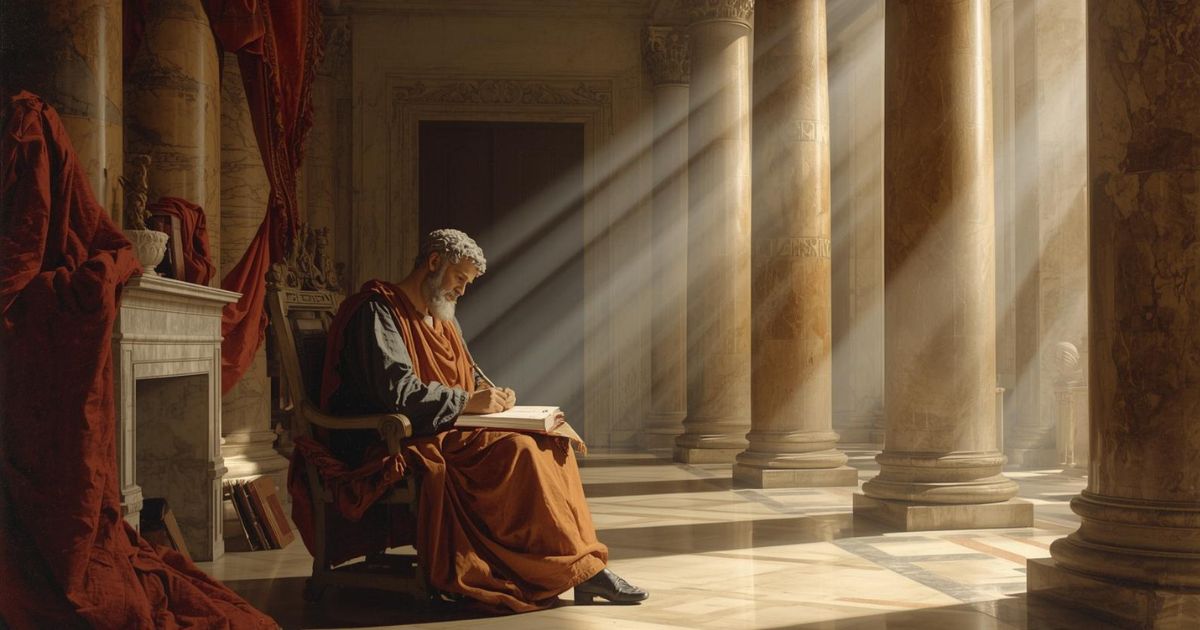
Seneca writes to his friend Lucilius about fundamentally changing his relationship with mortality. Now in old age, he's stopped chasing the same things he wanted as a young man and instead focuses on one goal: putting an end to his chronic suffering by accepting what must come. He approaches each day as if it might be complete in itself, not desperately clinging to it as his last, but acknowledging it could be. This mindset shift removes his anxiety about when death will arrive. The key insight Seneca shares is about the power of willing acceptance versus resistance. When we fight against what's inevitable, we create our own misery. A person who takes orders gladly escapes the worst part of being controlled—doing things against their will. The same principle applies to life's circumstances and ultimately to death itself. Seneca argues that readiness for death should come before preparation for life, because we spend too much energy accumulating things and experiences, always feeling like something's missing. True satisfaction comes from the mind's acceptance, not from years lived or possessions gathered. He tells Lucilius he's lived long enough and feels complete, awaiting death without fear. This isn't depression or giving up—it's the freedom that comes from releasing the desperate grip on permanence and finding peace in impermanence.

Coming Up in Chapter 62

After discussing personal readiness for death, Seneca turns his attention outward to examine how the people we surround ourselves with shape our character and daily choices. He'll explore why most people use busyness as an excuse to avoid real growth.
Share it with friends

Previous ChapterNext Chapter
GO ADS FREE — JOIN US

An excerpt from the original text.(complete · 429 words)

L

←etter 60. On harmful prayersMoral letters to Luciliusby Seneca, translated by Richard Mott GummereLetter 61. On meeting death cheerfullyLetter 62. On good company→483037Moral letters to Lucilius — Letter 61. On meeting death cheerfullyRichard Mott GummereSeneca ​ LXI. ON MEETING DEATH CHEERFULLY 1. Let us cease to desire that which we have been desiring. I, at least, am doing this: in my old age I have ceased to desire what I desired when a boy. To this single end my days and my nights are passed; this is my task, this the object of my thoughts,—to put an end to my chronic ills. I am endeavouring to live every day as if it were a complete life. I do not indeed snatch it up as if it were my last; I do regard it, however, as if it might even be my last. 2. The present letter is written to you with this in mind,—as if death were about to call me away in the very act of writing. I am ready to depart, and I shall enjoy life just because I am not over-anxious as to the future date of my departure. Before I became old I tried to live well; now that I am old, I shall try to die well; but dying ​well means dying gladly. See to it that you never do anything unwillingly. 3. That which is bound to be a necessity if you rebel, is not a necessity if you desire it. This is what I mean: he who takes his orders gladly, escapes the bitterest part of slavery,—doing what one does not want to do. The man who does something under orders is not unhappy; he is unhappy who does something against his will. Let us therefore so set our minds in order that we may desire whatever is demanded of us by circumstances, and above all that we may reflect upon our end without sadness. 4. We must make ready for death before we make ready for life. Life is well enough furnished, but we are too greedy with regard to its furnishings; something always seems to us lacking, and will always seem lacking. To have lived long enough depends neither upon our years nor upon our days, but upon our minds. I have lived, my dear friend Lucilius, long enough. I have had my fill;[1] I await death. Farewell.   ↑ A reminiscence of Lucretius, iii. 938 f. Cur non ut plenus vitae conviva recedus Aequo animoque capis securam, stulte, quietem? Cf. also Horace, Sat. i. 1. 118 f. vitae Cedat uti conviva satur.

Master this chapter. Complete your experience

Purchase the complete book to access all chapters and support classic literature

Read Free on GutenbergBuy at Powell'sBuy on Amazon

As an Amazon Associate, we earn a small commission from qualifying purchases at no additional cost to you.

Available in paperback, hardcover, and e-book formats

GO ADS FREE — JOIN US

Intelligence Amplifier™ Analysis

Pattern: The Resistance Trap

The Road of Willing Surrender

This chapter reveals a profound pattern: the more desperately we cling to control, the more we suffer, while willing acceptance of inevitable outcomes brings unexpected freedom. Seneca demonstrates this through his relationship with mortality—by accepting death's inevitability rather than fighting it, he's found peace. The mechanism works like this: resistance to unchangeable circumstances creates internal warfare. When we spend energy fighting what must happen anyway, we exhaust ourselves and miss opportunities to find meaning in the present. Seneca compares it to taking orders—the person who complies willingly escapes the worst part of being controlled. The suffering isn't in the circumstance itself, but in our resistance to it. This pattern appears everywhere in modern life. At work, the employee who fights every policy change stays miserable, while the one who adapts finds ways to thrive within new systems. In healthcare, patients who rage against their diagnosis often suffer more than those who channel energy into managing their condition. In relationships, people who can't accept their partner's flaws stay perpetually frustrated, while those who work with reality find genuine connection. Even with aging parents—fighting their decline creates family chaos, but accepting it allows for meaningful time together. When you recognize this pattern, ask yourself: 'What am I fighting that I can't change?' Then redirect that energy toward what you can control. This doesn't mean becoming passive—it means choosing your battles wisely. Accept the diagnosis, but fight for the best treatment. Accept your teenager's personality, but set clear boundaries. Accept your job's limitations, but excel within them or plan your exit strategically. When you can name the pattern, predict where it leads, and navigate it successfully—that's amplified intelligence. This framework helps you stop wasting energy on battles you can't win and start winning the ones that matter.

Fighting unchangeable circumstances creates more suffering than the circumstances themselves.

Why This Matters

Connect literature to life

Skill: Distinguishing Controllable from Uncontrollable Factors

This chapter teaches how to identify which workplace challenges deserve your energy and which ones drain it uselessly.

Practice This Today

This week, notice when you're frustrated at work and ask: 'Can I actually change this, or am I fighting something that's already decided?'

GO ADS FREE — JOIN US

Now let's explore the literary elements.

Terms to Know

Stoic acceptance

The philosophical practice of willingly embracing what cannot be changed rather than fighting against it. Seneca teaches that resistance to inevitable things creates unnecessary suffering, while acceptance brings peace.

Modern Usage:

We see this in therapy concepts like 'radical acceptance' and the Serenity Prayer's wisdom about changing what you can and accepting what you can't.

Memento mori

A Latin phrase meaning 'remember you will die' - the practice of keeping mortality in mind to live more fully. Seneca uses this not to be morbid, but to focus on what truly matters each day.

Modern Usage:

This shows up in mindfulness practices and the modern advice to 'live each day like it's your last' or consider what you'd regret not doing.

Chronic ills

Seneca's term for the ongoing mental and spiritual suffering we create through our desires, fears, and resistance to life's natural flow. These aren't physical ailments but patterns of thinking that cause pain.

Modern Usage:

Today we might call these anxiety, depression, or the constant stress from wanting life to be different than it is.

Willing vs. unwilling action

Seneca's insight that the same action can be either suffering or freedom depending on our attitude. When we choose to embrace necessary things, we maintain our dignity and peace.

Modern Usage:

This applies to everything from taking care of elderly parents to working jobs we need - our attitude determines whether it's burden or choice.

Complete life

The idea that a single day, lived with full presence and acceptance, can feel whole and satisfying regardless of how many days follow. Quality of living matters more than quantity.

Modern Usage:

We see this in concepts like 'being present' and finding meaning in ordinary moments rather than always waiting for the next big thing.

Moral letters

Personal correspondence between philosophers sharing practical wisdom for daily life. Seneca wrote these to his friend Lucilius as guidance for living well, not abstract theory.

Modern Usage:

Similar to modern self-help books, life coaching, or even meaningful conversations with mentors who share hard-won wisdom.

Characters in This Chapter

Seneca

Wise mentor

An elderly Roman philosopher sharing his transformation from someone who chased worldly desires to someone at peace with mortality. He's reached a point where he feels complete and ready for whatever comes.

Modern Equivalent:

The older coworker who's been through it all and now has perspective on what really matters

Lucilius

Student and friend

The recipient of Seneca's wisdom letters, representing someone still learning to navigate life's challenges. He serves as our proxy - the person we identify with who needs this guidance.

Modern Equivalent:

The friend you text for advice when life gets overwhelming

Key Quotes & Analysis

"I am endeavouring to live every day as if it were a complete life."

— Seneca

Context: Explaining his new approach to daily living in old age

This captures the shift from constantly preparing for some future perfect life to finding wholeness in each present moment. It's about presence and acceptance rather than endless postponement of satisfaction.

In Today's Words:

I'm trying to make each day feel full and meaningful on its own, not just preparation for tomorrow.

"See to it that you never do anything unwillingly."

— Seneca

Context: Advising Lucilius on the secret to dying well and living well

This isn't about avoiding responsibilities, but about changing your relationship to necessary things. When you choose to embrace what must be done, you keep your inner freedom even in difficult circumstances.

In Today's Words:

Find a way to choose what you have to do anyway - it changes everything about how it feels.

"That which is bound to be a necessity if you rebel, is not a necessity if you desire it."

— Seneca

Context: Explaining how our attitude transforms our experience of inevitable things

This reveals the power we have even in powerless situations. The external circumstances might be the same, but our internal experience changes completely based on our willingness to accept or fight what's happening.

In Today's Words:

If you're going to have to do it anyway, you might as well want to do it - it stops being a burden when you choose it.

"I shall enjoy life just because I am not over-anxious as to the future date of my departure."

— Seneca

Context: Describing how accepting mortality actually increases his enjoyment of life

This paradox shows that fear of death often prevents us from fully living. When we make peace with impermanence, we can be more present and grateful for what we have right now.

In Today's Words:

I'm actually happier now that I'm not constantly worried about when I'm going to die.

Thematic Threads

Mortality

In This Chapter

Seneca openly discusses his acceptance of approaching death as bringing him peace rather than terror

Development

Evolved from earlier abstract discussions to personal, immediate acceptance of his own mortality

In Your Life:

You might recognize this when you stop fearing aging and start appreciating each stage of life.

Control

In This Chapter

Distinguishes between fighting against fate versus willingly accepting what must come

Development

Builds on earlier themes of focusing on what's within our power

In Your Life:

You see this when you realize which workplace battles are worth fighting and which drain your energy pointlessly.

Satisfaction

In This Chapter

True contentment comes from mental acceptance, not accumulating more years or possessions

Development

Develops earlier themes about internal versus external sources of fulfillment

In Your Life:

This appears when you stop thinking 'I'll be happy when I get X' and find peace with what you have.

Readiness

In This Chapter

Being prepared for life's end should come before endlessly preparing for life itself

Development

Introduced here as a new perspective on priorities and preparation

In Your Life:

You might see this in always planning for someday instead of living fully in the present moment.

Freedom

In This Chapter

Liberation comes from releasing desperate attachment to permanence and embracing impermanence

Development

Culmination of earlier discussions about what true freedom means

In Your Life:

This shows up when you stop clinging to relationships, jobs, or situations that are naturally ending.

You now have the context. Time to form your own thoughts.

Discussion Questions

  1. 1

    What specific change did Seneca make in how he approaches each day, and how does this affect his anxiety about death?

    analysis • surface
  2. 2

    Why does Seneca compare accepting death to a person who takes orders willingly? What's the connection between resistance and suffering?

    analysis • medium
  3. 3

    Where do you see people in your life fighting against things they can't change? How does this resistance affect their daily experience?

    application • medium
  4. 4

    Think about a situation where you're currently struggling with something unchangeable. How might redirecting your energy toward what you can control change your approach?

    application • deep
  5. 5

    What does Seneca's willingness to face death teach us about finding peace with other inevitable changes in life?

    reflection • deep

Critical Thinking Exercise

10 minutes

Map Your Energy Battles

Draw two columns: 'Fighting Against' and 'Can Control Instead.' List current situations causing you stress or frustration. For each item, identify what you're resisting that can't be changed, then write what you could focus on that's actually within your power. This reveals where you're wasting energy and where you could redirect it effectively.

Consider:

  • •Be honest about what you truly cannot change versus what feels difficult to change
  • •Look for patterns in your resistance - do you fight certain types of situations more than others?
  • •Consider how much mental and emotional energy you spend on the 'fighting against' column daily

Journaling Prompt

Write about a time when you stopped fighting something unchangeable and found unexpected peace or opportunity. What did that teach you about where to focus your energy?

Coming Up Next...

Chapter 62: Choosing Your Inner Circle Wisely

After discussing personal readiness for death, Seneca turns his attention outward to examine how the people we surround ourselves with shape our character and daily choices. He'll explore why most people use busyness as an excuse to avoid real growth.

Continue to Chapter 62
Previous
When Good Intentions Go Wrong
Contents
Next
Choosing Your Inner Circle Wisely

Continue Exploring

Letters from a Stoic Study GuideTeaching ResourcesEssential Life IndexBrowse by ThemeAll Books

You Might Also Like

Meditations cover

Meditations

Marcus Aurelius

Explores personal growth

The Dhammapada cover

The Dhammapada

Buddha

Explores suffering & resilience

The Consolation of Philosophy cover

The Consolation of Philosophy

Boethius

Explores suffering & resilience

The Enchiridion cover

The Enchiridion

Epictetus

Explores suffering & resilience

Browse all 47+ books

Share This Chapter

Know someone who'd enjoy this? Spread the wisdom!

TwitterFacebookLinkedInEmail

Read ad-free with Prestige

Get rid of ads, unlock study guides and downloads, and support free access for everyone.

Subscribe to PrestigeCreate free account
Intelligence Amplifier
Intelligence Amplifier™Powering Amplified Classics

Exploring human-AI collaboration through books, essays, and philosophical dialogues. Classic literature transformed into navigational maps for modern life.

2025 Books

→ The Amplified Human Spirit→ The Alarming Rise of Stupidity Amplified→ San Francisco: The AI Capital of the World
Visit intelligenceamplifier.org
hello@amplifiedclassics.com

AC Originals

→ The Last Chapter First→ You Are Not Lost→ The Lit of Love→ The Wealth Paradox
Arvintech
arvintechAmplify your Mind
Visit at arvintech.com

Navigate

  • Home
  • Library
  • Essential Life Index
  • How It Works
  • Subscribe
  • Account
  • About
  • Contact
  • Authors
  • Suggest a Book

Made For You

  • Students
  • Educators
  • Families
  • Readers
  • Finding Purpose

Newsletter

Weekly insights from the classics.

Amplify Your Mind

Legal

  • Privacy Policy
  • Terms of Service
  • Cookie Policy
  • Accessibility

Why Public Domain?

We focus on public domain classics because these timeless works belong to everyone. No paywalls, no restrictions—just wisdom that has stood the test of centuries, freely accessible to all readers.

Public domain books have shaped humanity's understanding of love, justice, ambition, and the human condition. By amplifying these works, we help preserve and share literature that truly belongs to the world.

© 2025 Amplified Classics™. All Rights Reserved.

Intelligence Amplifier™ and Amplified Classics™ are proprietary trademarks of Arvin Lioanag.

Copyright Protection: All original content, analyses, discussion questions, pedagogical frameworks, and methodology are protected by U.S. and international copyright law. Unauthorized reproduction, distribution, web scraping, or use for AI training is strictly prohibited. See our Copyright Notice for details.

Disclaimer: The information provided on this website is for general informational and educational purposes only and does not constitute professional, legal, financial, or technical advice. While we strive to ensure accuracy and relevance, we make no warranties regarding completeness, reliability, or suitability. Any reliance on such information is at your own risk. We are not liable for any losses or damages arising from use of this site. By using this site, you agree to these terms.