Amplified ClassicsAmplified Classics
Literature MattersLife IndexEducators
Sign inSign up
Letters from a Stoic - Living in the Spotlight

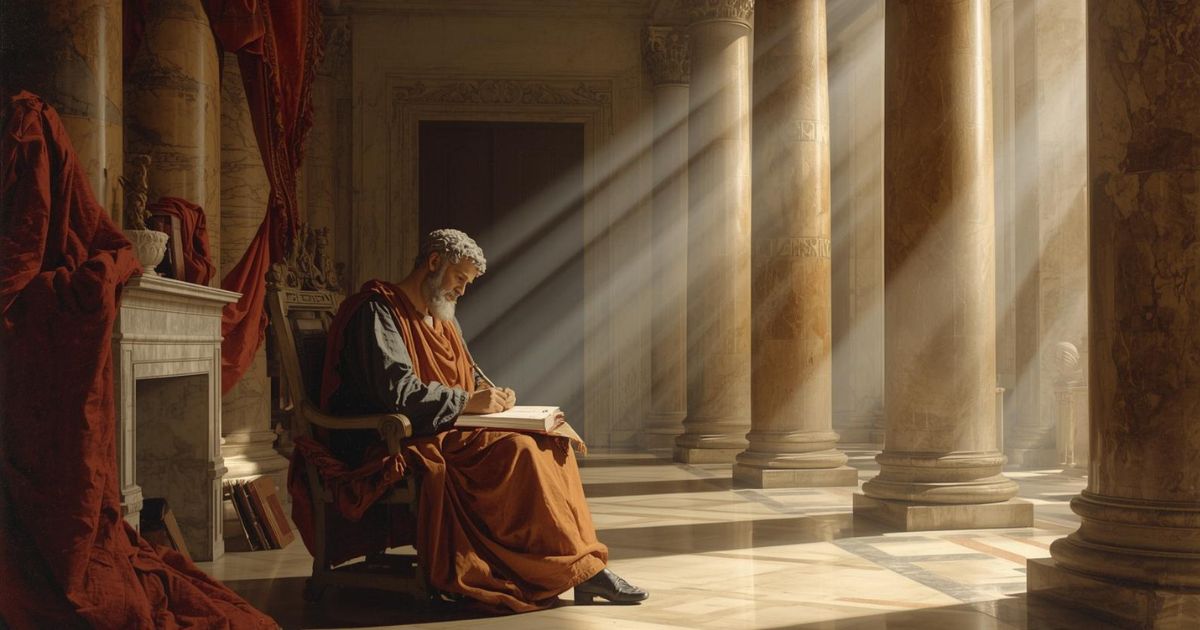
Seneca

Letters from a Stoic

Living in the Spotlight

Home›Books›Letters from a Stoic›Chapter 43
Back to Letters from a Stoic
3 min read•Letters from a Stoic•Chapter 43 of 124

What You'll Learn

Why your reputation matters more in your local community than you think

How to live authentically when people are watching

The difference between privacy and secrecy in building character

Previous
43 of 124
Next

Summary

Seneca addresses Lucilius's surprise that people are gossiping about him, explaining that fame is relative to your environment. Just like a ship that looks huge on a river but tiny on the ocean, your importance depends on where you are. In his province, Lucilius is actually a big deal - people want to know what he does, how he lives, how he sleeps. This visibility isn't something to fear but to embrace as motivation for living well. Seneca makes a crucial distinction: we should seek privacy for safety and peace, not secrecy for hiding shameful behavior. He challenges the common desire to live behind closed doors, arguing that truly good people can live with their doors wide open because they have nothing to hide. The real test of character isn't what you do when no one is watching - it's being comfortable with everyone watching. A clear conscience welcomes scrutiny, while guilt makes us paranoid and secretive. Seneca's message cuts to the heart of authentic living: if your actions are honorable, let the world see them. If they're shameful, the problem isn't that others might find out - it's that you're doing them at all. This letter speaks directly to anyone struggling with the pressure of being visible in their community, whether at work, in their neighborhood, or online.

Coming Up in Chapter 44

In the next letter, Seneca tackles Lucilius's insecurity about his humble background, exploring whether family pedigree and social status actually matter for living a meaningful life.
Share it with friends

Previous ChapterNext Chapter
GO ADS FREE — JOIN US

An excerpt from the original text.(complete · 418 words)

L

←etter 42. On valuesMoral letters to Luciliusby Seneca, translated by Richard Mott GummereLetter 43. On the relativity of fameLetter 44. On philosophy and pedigrees→483013Moral letters to Lucilius — Letter 43. On the relativity of fameRichard Mott GummereSeneca ​ XLIII. ON THE RELATIVITY OF FAME 1. Do you ask how the news reached me, and who informed me, that you were entertaining this idea, of which you had said nothing to a single soul? It was that most knowing of persons,—gossip. “What,” you say, “am I such a great personage that I can stir up gossip?” Now there is no reason why you should measure yourself according to this part of the world;[1] have regard only to the place where you are dwelling. 2. Any point which rises above adjacent points is great, at the spot where it rises. For greatness is not absolute; comparison increases it or lessens it. A ship which looms large in the river seems tiny when on the ocean. A rudder which is large for one vessel, is small for another. 3. So you in your province[2] are really of importance, though you scorn yourself. Men are asking what you do, how you dine, and how you sleep, and they find out, too; hence there is all the more reason for your living circumspectly. Do not, however, deem yourself truly happy until you find that you can live before men’s eyes, until your walls protect but do not hide you; although we are apt to believe that these walls surround us, not to enable us to live more safely, but that we may sin more secretly. 4. I shall mention a fact by which you may weigh the worth of a man’s character: you will scarcely find anyone ​who can live with his door wide open. It is our conscience, not our pride, that has put doorkeepers at our doors; we live in such a fashion that being suddenly disclosed to view is equivalent to being caught in the act. What profits it, however, to hide ourselves away, and to avoid the eyes and ears of men? 5. A good conscience welcomes the crowd, but a bad conscience, even in solitude, is disturbed and troubled. If your deeds are honourable, let everybody know them; if base, what matters it that no one knows them, as long as you yourself know them? How wretched you are if you despise such a witness! Farewell.   ↑ i.e., Rome. ↑ Lucilius was at this time the imperial procurator in Sicily.

Master this chapter. Complete your experience

Purchase the complete book to access all chapters and support classic literature

Read Free on GutenbergBuy at Powell'sBuy on Amazon

As an Amazon Associate, we earn a small commission from qualifying purchases at no additional cost to you.

Available in paperback, hardcover, and e-book formats

GO ADS FREE — JOIN US

Intelligence Amplifier™ Analysis

Pattern: The Visibility Paradox

The Visibility Paradox

Here's a pattern that trips up almost everyone: the more visible you become in any environment, the more you want to hide—even when you're doing nothing wrong. Seneca calls this out brilliantly when he tells Lucilius that being talked about isn't the problem; being ashamed of what people might discover is the real issue. The mechanism works like this: visibility creates pressure, pressure creates self-consciousness, and self-consciousness makes us want to retreat into privacy. But here's the trap—when we confuse privacy (healthy boundaries) with secrecy (hiding shameful behavior), we start living like we have something to hide even when we don't. This creates a feedback loop where the fear of judgment makes us act suspicious, which actually gives people something to judge. This plays out everywhere today. The nurse who gets promoted to charge position suddenly feels like everyone's watching her every move, so she starts second-guessing decisions she'd make confidently before. The factory worker who becomes shop steward begins avoiding the break room because he's tired of people asking about union business. The single mom whose kid makes honor roll feels pressure to be the 'perfect parent' now that teachers know her name. Social media amplifies this—people curate their lives so heavily they forget what authentic living even looks like. Here's your navigation framework: When you feel the urge to hide, ask yourself what you're hiding FROM versus what you're hiding. If you're protecting your energy and boundaries, that's healthy privacy. If you're concealing actions you're ashamed of, that's the real problem. The goal isn't to live with your door literally open, but to live in a way where you COULD. Make decisions you'd be comfortable explaining. Take actions you'd be willing to defend. When visibility feels uncomfortable, use it as a mirror—what is it showing you about your choices? When you can distinguish between healthy privacy and shame-driven secrecy, predict how visibility will affect your behavior, and adjust accordingly—that's amplified intelligence in action.

The tendency to become more secretive and self-conscious as visibility increases, even when there's nothing shameful to hide.

Why This Matters

Connect literature to life

Skill: Distinguishing Privacy from Secrecy

This chapter teaches how to recognize when the urge to hide stems from healthy boundaries versus shame about your actions.

Practice This Today

This week, notice when you feel the urge to be secretive—ask yourself if you're protecting your energy or concealing something you're ashamed of.

GO ADS FREE — JOIN US

Now let's explore the literary elements.

Terms to Know

Province

A territory governed by Rome, far from the capital city. In Seneca's time, being assigned to govern a province was both an honor and an exile - you had power but were removed from the center of Roman politics.

Modern Usage:

Like being the regional manager of a company branch - you're important locally but distant from corporate headquarters.

Stoic Privacy

The philosophical distinction between seeking solitude for peace versus hiding shameful behavior. Stoics believed good people should be comfortable with transparency because they have nothing to hide.

Modern Usage:

The difference between wanting alone time to recharge versus deleting your browser history because you're embarrassed.

Relative Greatness

Seneca's concept that importance and status depend entirely on context and comparison. What makes you significant in one environment might be unremarkable in another.

Modern Usage:

Being the star employee at a small company versus being entry-level at Google - same person, different pond.

Circumspect Living

Living carefully and thoughtfully, especially when you know people are watching. Not paranoid behavior, but deliberate choices about how to conduct yourself.

Modern Usage:

How you act differently when you know your boss is watching, or how teachers behave when parents might be around.

Moral Letters

Seneca's collection of philosophical advice written as personal letters to his friend Lucilius. These weren't meant for publication but became teaching tools for Stoic philosophy.

Modern Usage:

Like advice columns or mentorship emails - practical wisdom shared between friends that others can learn from.

Public Virtue

The Stoic idea that truly good behavior should be the same whether you're alone or in public. Your character shouldn't change based on who's watching.

Modern Usage:

Being the same person on social media as you are in real life, or treating service workers the same way you treat your boss.

Characters in This Chapter

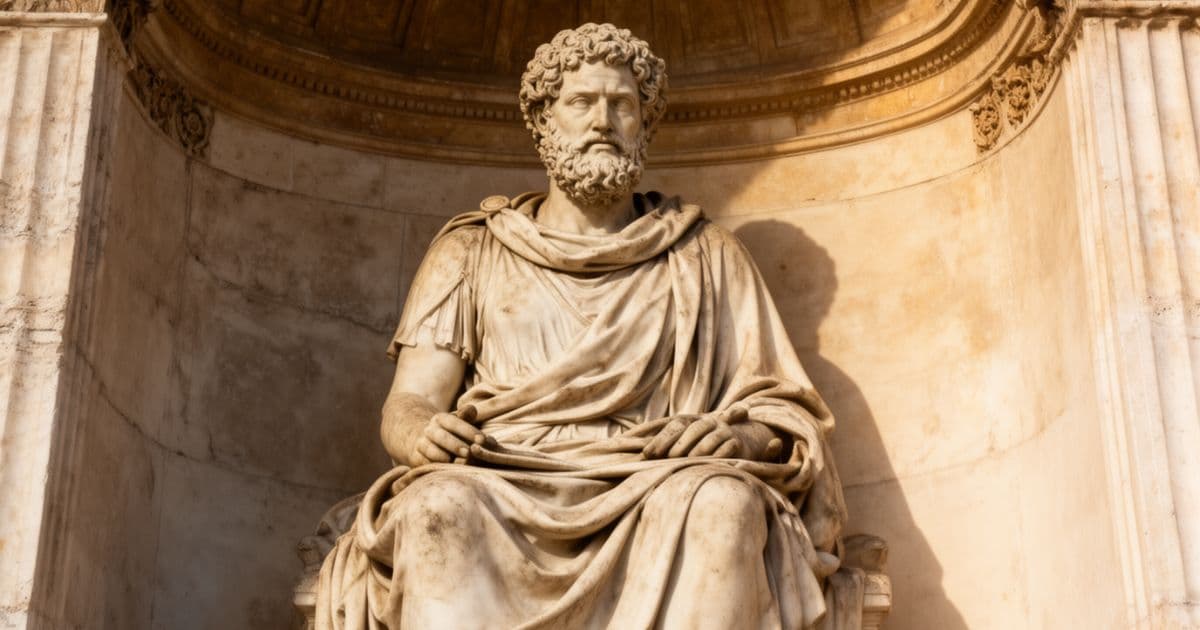
Seneca

Mentor and advisor

Writes to reassure Lucilius about being talked about in his community. Teaches that visibility isn't something to fear if you're living well, and that fame is always relative to your environment.

Modern Equivalent:

The wise older coworker who helps you navigate office politics

Lucilius

Student and correspondent

Surprised and possibly uncomfortable that people in his province are gossiping about him. Represents anyone struggling with being visible or talked about in their community.

Modern Equivalent:

The person who's shocked their small-town drama made it to Facebook

The Gossips

Community observers

Represent the reality that when you have any status or visibility, people will watch and talk about how you live. They're not necessarily malicious - just curious about local figures.

Modern Equivalent:

Neighborhood busybodies or coworkers who notice everything

Key Quotes & Analysis

"Any point which rises above adjacent points is great, at the spot where it rises."

— Seneca

Context: Explaining why Lucilius shouldn't be surprised that people are talking about him in his province

This captures how status and importance are always relative to your environment. Seneca uses this to help Lucilius understand his local significance without getting a big head about it.

In Today's Words:

You're only as big as your pond makes you look.

"Do not, however, deem yourself truly happy until you find that you can live before men's eyes."

— Seneca

Context: Advising Lucilius on how to handle being watched and talked about

This challenges the common desire for privacy by suggesting that true contentment comes from having nothing to hide. It's about integrity, not exhibitionism.

In Today's Words:

You're not really at peace until you're comfortable with everyone knowing how you live.

"Your walls protect but do not hide you."

— Seneca

Context: Distinguishing between healthy privacy and shameful secrecy

Seneca draws a crucial line between seeking safety or solitude versus hiding bad behavior. Walls should be for comfort, not concealment.

In Today's Words:

Your home should be your safe space, not your hiding place.

Thematic Threads

Identity

In This Chapter

Lucilius discovers his identity shifts based on environment—big fish in small pond versus small fish in ocean

Development

Builds on earlier themes of self-knowledge, adding the complexity of relative social positioning

In Your Life:

You might feel like a different person at work versus at home, or confident in your neighborhood but intimidated downtown

Social Expectations

In This Chapter

People's curiosity about Lucilius creates pressure to live up to their image of who he should be

Development

Introduced here as external pressure that can either elevate or constrain behavior

In Your Life:

You might change how you act when you know coworkers, neighbors, or family members are paying attention to your choices

Personal Growth

In This Chapter

Seneca frames visibility as an opportunity for improvement rather than a burden to bear

Development

Continues the theme of turning challenges into growth opportunities

In Your Life:

You could use others' attention as motivation to become the person you want to be, rather than hiding from scrutiny

Class

In This Chapter

Recognition of how environment determines status—same person, different relative importance

Development

Explores how class and status are contextual rather than absolute

In Your Life:

You might feel more or less important depending on whether you're at the community college or the country club

You now have the context. Time to form your own thoughts.

Discussion Questions

  1. 1

    Why does Seneca compare Lucilius to a ship that looks big on a river but small on the ocean?

    analysis • surface
  2. 2

    What's the difference between seeking privacy for safety versus secrecy for hiding shameful behavior?

    analysis • medium
  3. 3

    Where do you see people today struggling with the pressure of being visible in their community or workplace?

    application • medium
  4. 4

    How would you handle a situation where everyone at work suddenly started paying attention to your every move?

    application • deep
  5. 5

    What does Seneca's advice about living with your doors open reveal about the relationship between character and reputation?

    reflection • deep

Critical Thinking Exercise

10 minutes

The Privacy vs. Secrecy Audit

Think about areas of your life where you prefer privacy. For each one, write down whether you're protecting healthy boundaries or hiding something you're uncomfortable with. Be honest about which category each situation falls into and why.

Consider:

  • •Privacy protects your energy and peace; secrecy protects you from judgment about your choices
  • •Ask yourself: Would I be comfortable explaining this decision to someone I respect?
  • •Consider whether your need for privacy increases when you're doing something questionable

Journaling Prompt

Write about a time when you felt exposed or watched by others. What did that visibility reveal about your choices or character? How did it change your behavior, and was that change for better or worse?

Coming Up Next...

Chapter 44: True Nobility Comes from Within

In the next letter, Seneca tackles Lucilius's insecurity about his humble background, exploring whether family pedigree and social status actually matter for living a meaningful life.

Continue to Chapter 44
Previous
The True Cost of Everything
Contents
Next
True Nobility Comes from Within

Continue Exploring

Letters from a Stoic Study GuideTeaching ResourcesEssential Life IndexBrowse by ThemeAll Books

You Might Also Like

Meditations cover

Meditations

Marcus Aurelius

Explores personal growth

The Dhammapada cover

The Dhammapada

Buddha

Explores suffering & resilience

The Consolation of Philosophy cover

The Consolation of Philosophy

Boethius

Explores suffering & resilience

The Enchiridion cover

The Enchiridion

Epictetus

Explores suffering & resilience

Browse all 47+ books

Share This Chapter

Know someone who'd enjoy this? Spread the wisdom!

TwitterFacebookLinkedInEmail

Read ad-free with Prestige

Get rid of ads, unlock study guides and downloads, and support free access for everyone.

Subscribe to PrestigeCreate free account
Intelligence Amplifier
Intelligence Amplifier™Powering Amplified Classics

Exploring human-AI collaboration through books, essays, and philosophical dialogues. Classic literature transformed into navigational maps for modern life.

2025 Books

→ The Amplified Human Spirit→ The Alarming Rise of Stupidity Amplified→ San Francisco: The AI Capital of the World
Visit intelligenceamplifier.org
hello@amplifiedclassics.com

AC Originals

→ The Last Chapter First→ You Are Not Lost→ The Lit of Love→ The Wealth Paradox
Arvintech
arvintechAmplify your Mind
Visit at arvintech.com

Navigate

  • Home
  • Library
  • Essential Life Index
  • How It Works
  • Subscribe
  • Account
  • About
  • Contact
  • Authors
  • Suggest a Book

Made For You

  • Students
  • Educators
  • Families
  • Readers
  • Finding Purpose

Newsletter

Weekly insights from the classics.

Amplify Your Mind

Legal

  • Privacy Policy
  • Terms of Service
  • Cookie Policy
  • Accessibility

Why Public Domain?

We focus on public domain classics because these timeless works belong to everyone. No paywalls, no restrictions—just wisdom that has stood the test of centuries, freely accessible to all readers.

Public domain books have shaped humanity's understanding of love, justice, ambition, and the human condition. By amplifying these works, we help preserve and share literature that truly belongs to the world.

© 2025 Amplified Classics™. All Rights Reserved.

Intelligence Amplifier™ and Amplified Classics™ are proprietary trademarks of Arvin Lioanag.

Copyright Protection: All original content, analyses, discussion questions, pedagogical frameworks, and methodology are protected by U.S. and international copyright law. Unauthorized reproduction, distribution, web scraping, or use for AI training is strictly prohibited. See our Copyright Notice for details.

Disclaimer: The information provided on this website is for general informational and educational purposes only and does not constitute professional, legal, financial, or technical advice. While we strive to ensure accuracy and relevance, we make no warranties regarding completeness, reliability, or suitability. Any reliance on such information is at your own risk. We are not liable for any losses or damages arising from use of this site. By using this site, you agree to these terms.