
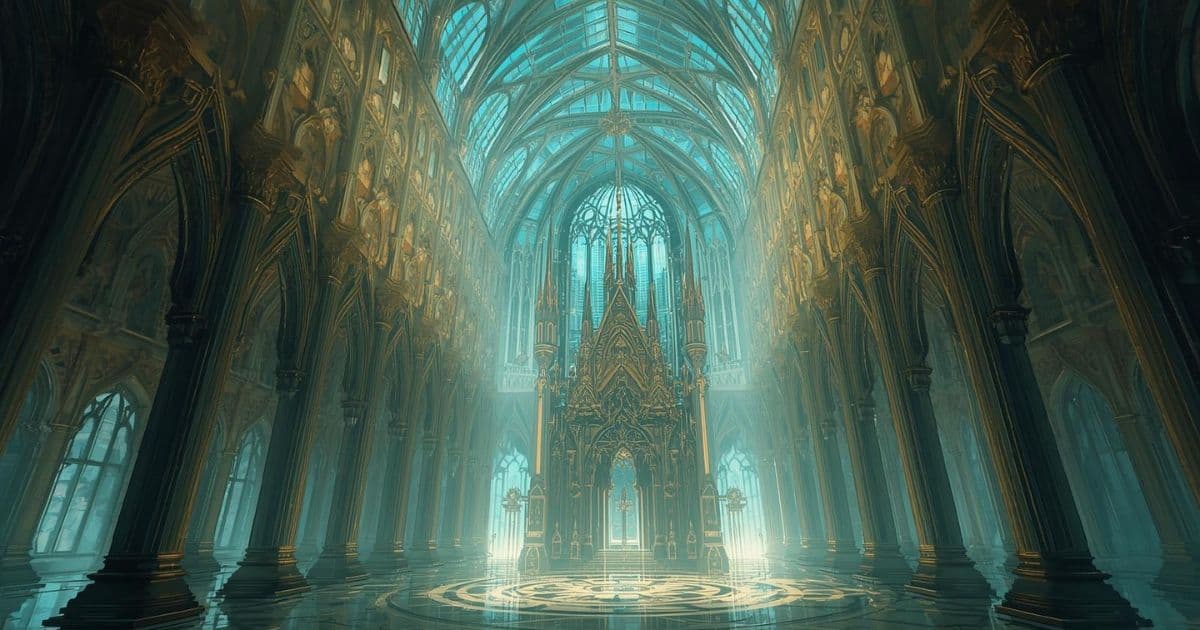
Navigating Stages of Growth
In The Interior Castle, Teresa of Ávila reveals that personal development isn't random—it follows predictable stages.
These 7 key chapters help you understand which stage you're in and what work that stage requires.
The Pattern
Growth happens in stages, not linearly. Teresa identifies seven major stages (mansions), each with distinct characteristics, challenges, and gifts. You can't skip stages—attempting to forces spiritual bypassing. You can't rush stages—each has work that takes as long as it takes. But you can navigate intelligently: recognizing which stage you're in, doing that stage's work, and trusting that completion naturally leads to the next stage. The journey through all seven mansions typically takes decades, not months. And that's not a problem—it's how transformation actually works.
The Stages
Early mansions: Ego-identified, externally focused, effort-based practice. Middle mansions: Crisis, emptiness, transition from doing to receiving. Later mansions: Integration, stabilization, embodiment. Each stage looks like progress when entering, crisis mid-way, and preparation for the next stage when completing. Stage confusion causes most spiritual problems.
The Navigation
Know your stage. Do that stage's work. Don't pretend to be further along than you are. Don't despair that you're not further along. Each stage is necessary. Each stage takes time. Each stage prepares you for the next. Trust the architecture. The castle has seven mansions for a reason—human development requires all seven.
The Journey Through Chapters
The Soul as Castle
Teresa introduces the seven mansions as developmental stages. You don't skip mansions—you move through them sequentially. Each has its own lessons. Trying to jump to advanced stages before completing foundational work leads to spiritual bypassing and instability.
The Soul as Castle
The Interior Castle - Chapter 1
Key Insight
Growth isn't linear, but it is staged. You can't think your way past developmental stages any more than a child can think their way to adulthood. Each mansion prepares you for the next. Respect where you are. Do the work of this stage before moving to the next.
The Humility of Beginners
The first mansions are for beginners who still identify strongly with ego, worldly success, and external validation. Teresa doesn't judge this—she acknowledges it's a necessary stage. Everyone starts here. The work is recognizing you're in this stage, not pretending you're beyond it.
The Humility of Beginners
The Interior Castle - Chapter 6
Key Insight
Beginners who think they're advanced are stuck. The first stage of growth is admitting you're at the first stage. This isn't low self-esteem—it's accurate self-assessment. You can't grow from where you pretend to be; you can only grow from where you actually are.
The Crisis of the Middle Mansions
Teresa describes the challenging middle stages where initial enthusiasm fades, practices feel dry, and progress seems to stall. Many quit here, thinking they're doing something wrong. But this crisis is the stage—it's where ego's grip loosens and deeper capacities develop.
The Crisis of the Middle Mansions
The Interior Castle - Chapter 10
Key Insight
Every growth stage has a crisis that looks like failure but is actually progression. The middle mansions feel empty because you're releasing what worked in earlier stages but haven't yet stabilized in deeper awareness. The 'dark night' isn't regression—it's transition between stages.
When Grace Enters the Picture
Teresa identifies a shift in the middle mansions: you stop trying to force growth and start allowing it. Earlier stages are effortful—you meditate, study, practice discipline. Middle stages involve learning to receive. Growth happens to you, not by you. This is terrifying for achievers.
When Grace Enters the Picture
The Interior Castle - Chapter 12
Key Insight
Different stages require different approaches. Early stages need effort and structure. Middle stages need surrender and receptivity. Trying to use early-stage methods in middle stages creates stagnation. Trying to use middle-stage receptivity in early stages creates laziness. Right action depends on recognizing which stage you're in.
The Union of the Soul with God
In the fifth mansion, Teresa describes experiences of profound unity—what she calls 'spiritual betrothal.' Modern language might call it non-dual awareness or ego dissolution. But she's clear: this is a stage, not the end. Many people have peak experiences here and think they've arrived. The work has just begun.
The Union of the Soul with God
The Interior Castle - Chapter 15
Key Insight
Peak experiences aren't the goal—integration is. You can have profound mystical experiences and still be emotionally reactive, relationally immature, or ethically inconsistent. The later mansions are about stabilizing and integrating what was temporarily glimpsed. Stage confusion is dangerous: mistaking a preview for completion.
When Everything Comes Together
The sixth mansion involves deep integration work. You're taking everything learned in previous stages and weaving it into a coherent whole. No more compartmentalization—your mystical experiences, daily life, relationships, and work become one integrated reality. This takes years, not weeks.
When Everything Comes Together
The Interior Castle - Chapter 20
Key Insight
Integration is its own stage with its own challenges. You've had insights, breakthroughs, transformations—now you have to live them consistently. This is less dramatic than earlier stages but more demanding. Many people prefer perpetual breakthroughs to steady integration. Both are necessary stages.
The Seventh Mansion - Spiritual Marriage
Teresa describes the final mansion—complete spiritual maturity. But she's careful: this isn't transcendent detachment. It's complete integration. These people are fully engaged in the world, not withdrawn from it. They've completed all stages and now embody the entire journey.
The Seventh Mansion - Spiritual Marriage
The Interior Castle - Chapter 25
Key Insight
Spiritual maturity looks ordinary. The final stage isn't about being special—it's about being fully human. People at this stage don't advertise their attainment. They simply live with remarkable clarity, compassion, and effectiveness. The journey through all stages leads back to simple presence, not elevated status.
Why This Matters Today
Modern self-help culture pretends everyone's at the same stage, needing the same advice. "Just manifest it." "Just be present." "Just let go." But advice that works at one stage creates problems at another. Beginners who try advanced practices bypass foundational work. Advanced practitioners who cling to beginner practices stagnate.
Teresa provides what modern growth culture lacks: a developmental map.Therapy, meditation, personal development—all involve moving through predictable stages. Each stage has characteristic challenges: beginners struggle with distraction, intermediate practitioners face "dark nights," advanced practitioners work on integration. Knowing your stage prevents wasted effort and misplaced frustration.
You can't hack developmental stages any more than you can hack childhood. Each stage requires what it requires and takes as long as it takes. But you can navigate intelligently: recognize your stage, do that stage's work, trust that completion naturally leads forward. Teresa's seven mansions aren't mystical—they're a practical map of how human consciousness actually develops when given time, attention, and proper navigation.