Amplified ClassicsAmplified Classics
Literature MattersLife IndexEducators
Sign inSign up
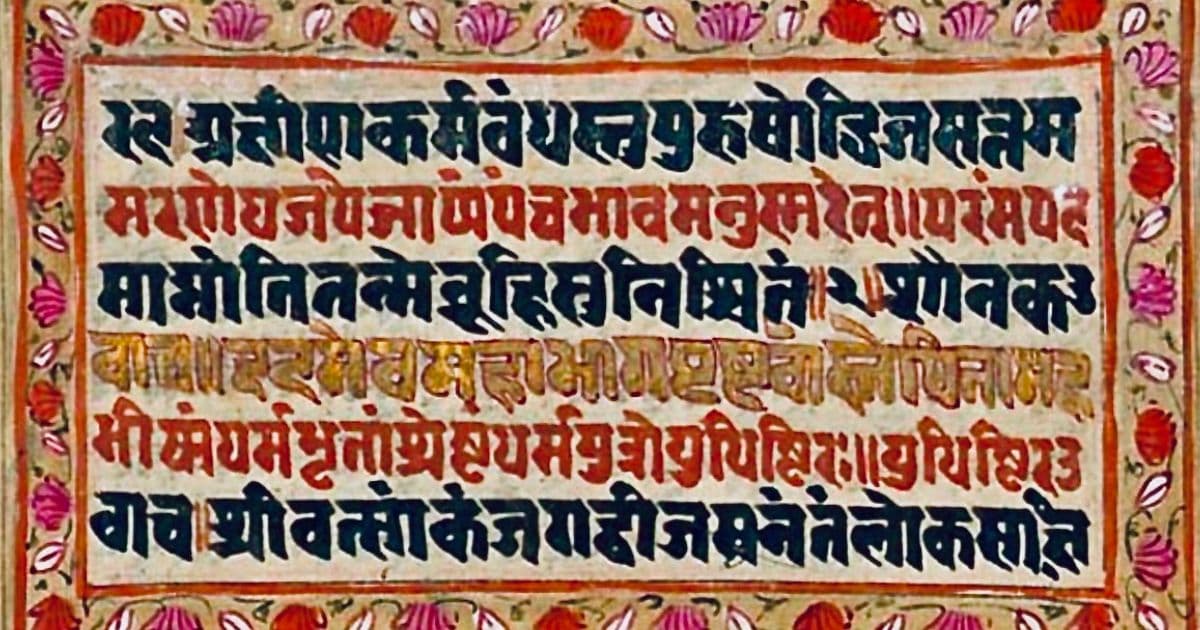
The Dhammapada - The Finished Journey

Buddha

The Dhammapada

The Finished Journey

Home›Books›The Dhammapada›Chapter 7
Back to The Dhammapada
3 min read•The Dhammapada•Chapter 7 of 26

What You'll Learn

How to recognize when someone has truly found inner peace

Why letting go of attachments leads to genuine freedom

The difference between surface calm and deep spiritual maturity

Previous
7 of 26
Next

Summary

This chapter paints a portrait of someone who has reached the end of their spiritual journey - what Buddha calls an Arhat or 'venerable one.' These aren't people who've simply learned to meditate or follow rules; they've fundamentally transformed how they relate to life itself. Buddha uses vivid imagery to show what this looks like: they move through life like swans leaving a lake - graceful, purposeful, unattached. Their path becomes 'difficult to understand, like birds in the air' because they're no longer driven by the usual human motivations of wanting more, fearing loss, or seeking approval. What makes this chapter particularly striking is how Buddha describes their relationship to pleasure and pain. These individuals haven't become cold or emotionless - instead, they've found something deeper than the roller coaster of chasing highs and avoiding lows. They're compared to well-trained horses, steady and responsive but not wild or reactive. The chapter emphasizes that this isn't about withdrawing from the world but about engaging with it from a place of genuine stability. Whether in a busy town or quiet forest, they carry their peace with them. This matters because it shows us what's possible when we stop being driven by endless wanting and start finding contentment in what is. Buddha isn't describing superhuman beings but people who've learned to work with their minds rather than being controlled by them.

Coming Up in Chapter 8

The next chapter shifts focus to the power of numbers and repetition in spiritual practice, exploring how small, consistent actions can lead to profound transformation over time.

Share it with friends

Previous ChapterNext Chapter
GO ADS FREE — JOIN US

An excerpt from the original text.(complete · 285 words)

T

he Venerable (Arhat).

90. There is no suffering for him who has finished his journey, and
abandoned grief, who has freed himself on all sides, and thrown off all
fetters.

91. They depart with their thoughts well-collected, they are not happy
in their abode; like swans who have left their lake, they leave their
house and home.

92. Men who have no riches, who live on recognised food, who have
perceived void and unconditioned freedom (Nirvana), their path is
difficult to understand, like that of birds in the air.

93. He whose appetites are stilled, who is not absorbed in enjoyment,
who has perceived void and unconditioned freedom (Nirvana), his path is
difficult to understand, like that of birds in the air.

94. The gods even envy him whose senses, like horses well broken in by
the driver, have been subdued, who is free from pride, and free from
appetites.

95. Such a one who does his duty is tolerant like the earth, like
Indra's bolt; he is like a lake without mud; no new births are in store
for him.

96. His thought is quiet, quiet are his word and deed, when he has
obtained freedom by true knowledge, when he has thus become a quiet man.

97. The man who is free from credulity, but knows the uncreated, who has
cut all ties, removed all temptations, renounced all desires, he is the
greatest of men.

98. In a hamlet or in a forest, in the deep water or on the dry land,
wherever venerable persons (Arhanta) dwell, that place is delightful.

99. Forests are delightful; where the world finds no delight, there the
passionless will find delight, for they look not for pleasures.

Master this chapter. Complete your experience

Purchase the complete book to access all chapters and support classic literature

Read Free on GutenbergBuy at Powell'sBuy on Amazon

As an Amazon Associate, we earn a small commission from qualifying purchases at no additional cost to you.

Available in paperback, hardcover, and e-book formats

GO ADS FREE — JOIN US

Intelligence Amplifier™ Analysis

Pattern: The Inner Stability Switch

The Road of Inner Stability - When You Stop Needing the World to Change

This chapter reveals a profound pattern: true stability comes not from controlling your circumstances, but from changing your relationship to them. Buddha describes people who've reached a state where they're no longer at the mercy of life's ups and downs—not because they've escaped difficulty, but because they've found something unshakeable within themselves. The mechanism is counterintuitive. Most of us spend enormous energy trying to arrange our lives just right—the perfect job, relationship, living situation—believing that once we get everything aligned, we'll finally feel secure. But Buddha shows how this approach keeps us trapped in endless wanting and fearing. The 'venerables' he describes have discovered that peace doesn't come from getting what you want, but from no longer being driven by desperate wanting itself. They engage fully with life while remaining internally free. This pattern shows up everywhere in modern life. At work, you see it in colleagues who stay calm during layoffs versus those who panic at every rumor. In healthcare, some nurses handle crisis after crisis with steady competence while others burn out from emotional volatility. In relationships, some people can love deeply without becoming possessive or controlling, while others create drama from their need for constant reassurance. During financial stress, some families pull together while others fracture under the pressure of unmet expectations. When you recognize this pattern, you can start building your own inner stability. Instead of asking 'How can I make this situation perfect?' ask 'How can I respond to this situation from a place of strength?' Practice finding your center before reacting to bad news. Notice when you're trying to control outcomes versus focusing on your response. Build small daily practices—whether meditation, journaling, or simply pausing before reacting—that anchor you to something deeper than circumstances. When you can name this pattern of inner versus outer stability, predict where emotional volatility leads, and navigate life from your own center rather than being tossed by every change—that's amplified intelligence working for you.

True security comes from changing your relationship to circumstances rather than controlling the circumstances themselves.

Why This Matters

Connect literature to life

Skill: Distinguishing Internal from External Control

This chapter teaches how to identify what's actually within your power versus what you're trying to control but cannot.

Practice This Today

This week, notice when you're stressed and ask: 'What part of this situation can I actually influence?' Focus your energy there and practice letting go of the rest.

GO ADS FREE — JOIN US

Now let's explore the literary elements.

Terms to Know

Arhat

A person who has reached the end of their spiritual journey and achieved complete freedom from suffering. They've mastered their reactions to life's ups and downs and found genuine peace. Think of someone who's learned to stay calm and clear-headed no matter what chaos surrounds them.

Modern Usage:

We see this in people who seem unshakeable - they don't get rattled by drama, don't chase after every new thing, and stay steady through both good times and bad.

Fetters

The mental chains that keep us trapped in cycles of suffering - things like endless wanting, fear of loss, anger, and jealousy. Buddha saw these as invisible bonds that prevent us from being truly free. They're not physical chains but emotional and mental patterns that control our lives.

Modern Usage:

Today we might call these 'toxic patterns' or being 'stuck in your head' - like always needing the latest phone, staying in bad relationships out of fear, or letting anger control your reactions.

Nirvana

The ultimate goal in Buddhism - a state of complete peace where suffering ends because you're no longer driven by constant wanting and fear. It's not a place you go but a way of being where you've found contentment that doesn't depend on external circumstances.

Modern Usage:

We glimpse this when we feel genuinely content without needing anything to change - like sitting with a good friend in comfortable silence, or feeling satisfied with what you have instead of always wanting more.

Void and unconditioned freedom

The experience of being free from all the conditions and circumstances that usually control our happiness. It means finding peace that doesn't depend on having the right job, relationship, or situation. Your wellbeing comes from within, not from external things lining up perfectly.

Modern Usage:

This shows up when someone can be happy whether they're rich or poor, popular or alone - their peace doesn't depend on their circumstances changing.

Subdued senses

Having control over your impulses and reactions rather than being controlled by them. Like well-trained horses that respond to gentle guidance, your desires and emotions become tools you direct rather than wild forces that drag you around.

Modern Usage:

This is someone who can walk past the casino without gambling their paycheck, or stay calm during an argument instead of saying things they'll regret.

Credulity

The tendency to believe things too easily without questioning or thinking critically. Buddha warns against accepting ideas just because they sound good or because everyone else believes them. True wisdom comes from testing ideas against your own experience.

Modern Usage:

We see this in people who fall for every social media conspiracy, believe everything their favorite politician says, or accept advice without considering if it actually works.

Characters in This Chapter

The Venerable (Arhat)

spiritual exemplar

This is the ideal person Buddha describes throughout the chapter - someone who has completed their inner work and found genuine freedom. They move through life with purpose but without attachment, like swans gracefully leaving a lake. They represent what's possible when we master our minds rather than being controlled by our impulses.

Modern Equivalent:

The person who stays calm in crisis, doesn't get caught up in office drama, and seems genuinely content regardless of their circumstances

The gods

admiring observers

Even divine beings look up to the Arhat with envy, showing that this spiritual achievement surpasses any external power or status. This emphasizes that inner mastery is more valuable than any worldly success or supernatural ability.

Modern Equivalent:

The celebrities and wealthy people who secretly admire someone with genuine peace and wisdom

Key Quotes & Analysis

"There is no suffering for him who has finished his journey, and abandoned grief, who has freed himself on all sides, and thrown off all fetters."

— Narrator

Context: Opening the chapter by describing the state of someone who has completed their spiritual development

This sets the tone for the entire chapter by showing that suffering isn't inevitable - it's something we can actually move beyond. The key insight is that suffering comes from our mental chains, not from external circumstances. When we 'throw off all fetters,' we find freedom that no situation can take away.

In Today's Words:

Once you've done the inner work and let go of what was holding you back, nothing can really hurt you anymore.

"Like swans who have left their lake, they leave their house and home."

— Narrator

Context: Describing how enlightened people move through life with purpose but without clinging

This beautiful image shows that freedom doesn't mean running away from responsibility, but moving through life gracefully without being trapped by circumstances. Swans leave the lake when it's time, not in panic or desperation, but as a natural part of their journey.

In Today's Words:

They can walk away from situations that don't serve them without drama or regret - they just move on when it's time.

"The gods even envy him whose senses, like horses well broken in by the driver, have been subdued, who is free from pride, and free from appetites."

— Narrator

Context: Explaining why even divine beings admire those who have mastered themselves

This quote reveals that self-mastery is the highest achievement possible. The horse metaphor shows that it's not about killing your desires but training them to serve you rather than control you. When you're not driven by ego or endless wanting, you become truly powerful.

In Today's Words:

Even people who seem to have everything are jealous of someone who has their act together and doesn't need constant validation or more stuff to be happy.

Thematic Threads

Personal Growth

In This Chapter

Buddha describes the complete transformation possible when someone stops being driven by endless wanting and finds inner stability

Development

Builds on earlier teachings about suffering and desire, now showing the end goal of spiritual development

In Your Life:

You might recognize this in moments when you feel genuinely content regardless of what's happening around you

Identity

In This Chapter

The 'venerables' have an identity rooted in inner qualities rather than external achievements or possessions

Development

Expands the earlier focus on individual responsibility to show what mature self-knowledge looks like

In Your Life:

You see this when you stop needing others' approval to feel good about who you are

Social Expectations

In This Chapter

These individuals move through society without being controlled by social pressures or the need to impress others

Development

Shows the ultimate freedom from the social conditioning discussed in earlier chapters

In Your Life:

This appears when you can be yourself in any social situation without performing or people-pleasing

Human Relationships

In This Chapter

They engage with others from genuine care rather than neediness, attachment, or manipulation

Development

Demonstrates how inner stability transforms all relationships by removing desperate wanting

In Your Life:

You experience this when you can love people without trying to change them or needing them to validate you

Class

In This Chapter

True nobility comes from inner development rather than social status or material wealth

Development

Completes the redefinition of worth and value that runs throughout the text

In Your Life:

You see this when you recognize that your worth isn't determined by your job title, income, or social position

You now have the context. Time to form your own thoughts.

Discussion Questions

  1. 1

    Buddha describes people who have reached the end of their spiritual journey as moving 'like swans leaving a lake' and having paths 'difficult to understand, like birds in the air.' What do you think he means by these comparisons?

    analysis • surface
  2. 2

    Why does Buddha emphasize that these 'venerable ones' haven't become cold or emotionless, but have found something deeper than chasing highs and avoiding lows? What's the difference?

    analysis • medium
  3. 3

    Think about people you know who stay calm during workplace drama or family crises. What do they do differently than those who get swept up in every emotional wave?

    application • medium
  4. 4

    Buddha suggests these people carry their peace with them whether in a busy town or quiet forest. How might you build this kind of inner stability that doesn't depend on perfect circumstances?

    application • deep
  5. 5

    What does this chapter reveal about the difference between trying to control your life versus learning to work skillfully with whatever comes your way?

    reflection • deep

Critical Thinking Exercise

10 minutes

Map Your Stability Anchors

Think of the last time you felt completely thrown off by unexpected news or circumstances. Now identify three things that remain steady in your life regardless of what happens around you - these might be your values, relationships, daily practices, or inner strengths. Write them down and reflect on how you could lean on these anchors during turbulent times.

Consider:

  • •Notice the difference between things you can control (your response) versus things you cannot (other people's actions, unexpected events)
  • •Consider how your 'anchors' have helped you weather previous storms, even if you didn't recognize them at the time
  • •Think about small daily practices that could strengthen your connection to these stable foundations

Journaling Prompt

Write about a person you admire for their ability to stay centered during difficult times. What specific behaviors or attitudes do they demonstrate? How might you cultivate similar qualities in yourself?

Coming Up Next...

Chapter 8: Quality Over Quantity in Everything

The next chapter shifts focus to the power of numbers and repetition in spiritual practice, exploring how small, consistent actions can lead to profound transformation over time.
Continue to Chapter 8
Previous
Finding Your Wise Guides
Contents
Next
Quality Over Quantity in Everything

Continue Exploring

The Dhammapada Study GuideTeaching ResourcesEssential Life IndexBrowse by ThemeAll Books

You Might Also Like

Meditations cover

Meditations

Marcus Aurelius

Explores personal growth

The Book of Job cover

The Book of Job

Anonymous

Explores suffering & resilience

Letters from a Stoic cover

Letters from a Stoic

Seneca

Explores suffering & resilience

The Bhagavad Gita cover

The Bhagavad Gita

Vyasa

Explores suffering & resilience

Browse all 47+ books

Share This Chapter

Know someone who'd enjoy this? Spread the wisdom!

TwitterFacebookLinkedInEmail

Read ad-free with Prestige

Get rid of ads, unlock study guides and downloads, and support free access for everyone.

Subscribe to PrestigeCreate free account
Intelligence Amplifier
Intelligence Amplifier™Powering Amplified Classics

Exploring human-AI collaboration through books, essays, and philosophical dialogues. Classic literature transformed into navigational maps for modern life.

2025 Books

→ The Amplified Human Spirit→ The Alarming Rise of Stupidity Amplified→ San Francisco: The AI Capital of the World
Visit intelligenceamplifier.org
hello@amplifiedclassics.com

AC Originals

→ The Last Chapter First→ You Are Not Lost→ The Lit of Love→ The Wealth Paradox
Arvintech
arvintechAmplify your Mind
Visit at arvintech.com

Navigate

  • Home
  • Library
  • Essential Life Index
  • How It Works
  • Subscribe
  • Account
  • About
  • Contact
  • Authors
  • Suggest a Book

Made For You

  • Students
  • Educators
  • Families
  • Readers
  • Finding Purpose

Newsletter

Weekly insights from the classics.

Amplify Your Mind

Legal

  • Privacy Policy
  • Terms of Service
  • Cookie Policy
  • Accessibility

Why Public Domain?

We focus on public domain classics because these timeless works belong to everyone. No paywalls, no restrictions—just wisdom that has stood the test of centuries, freely accessible to all readers.

Public domain books have shaped humanity's understanding of love, justice, ambition, and the human condition. By amplifying these works, we help preserve and share literature that truly belongs to the world.

© 2025 Amplified Classics™. All Rights Reserved.

Intelligence Amplifier™ and Amplified Classics™ are proprietary trademarks of Arvin Lioanag.

Copyright Protection: All original content, analyses, discussion questions, pedagogical frameworks, and methodology are protected by U.S. and international copyright law. Unauthorized reproduction, distribution, web scraping, or use for AI training is strictly prohibited. See our Copyright Notice for details.

Disclaimer: The information provided on this website is for general informational and educational purposes only and does not constitute professional, legal, financial, or technical advice. While we strive to ensure accuracy and relevance, we make no warranties regarding completeness, reliability, or suitability. Any reliance on such information is at your own risk. We are not liable for any losses or damages arising from use of this site. By using this site, you agree to these terms.