Amplified ClassicsAmplified Classics
Literature MattersLife IndexEducators
Sign inSign up
The Dhammapada - Quality Over Quantity in Everything

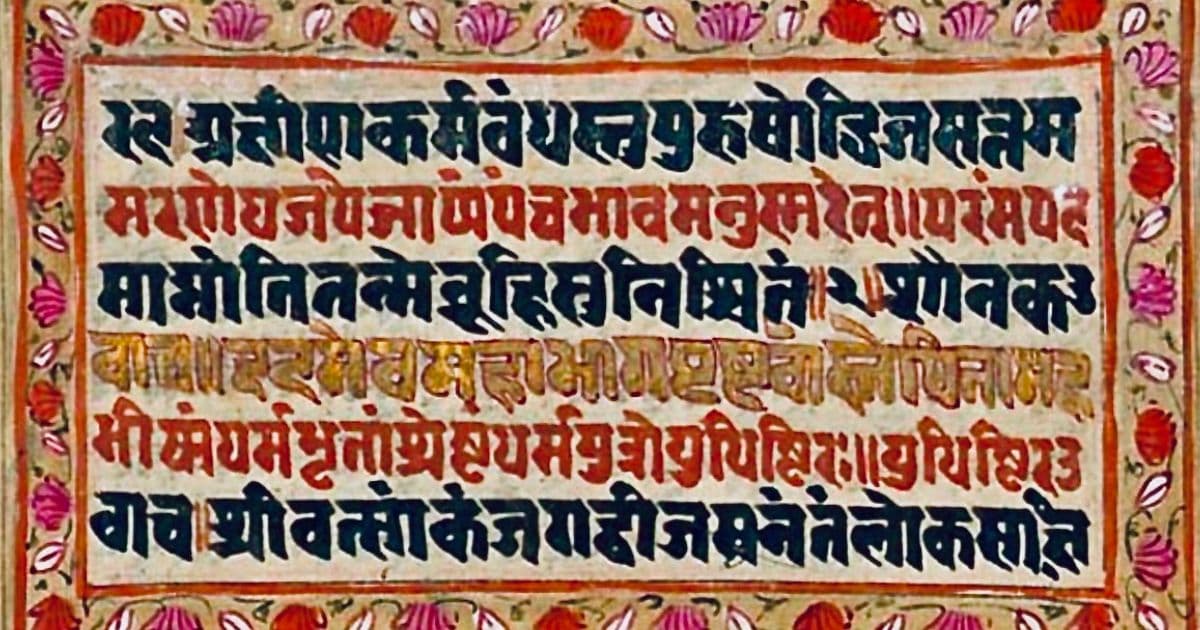
Buddha

The Dhammapada

Quality Over Quantity in Everything

Home›Books›The Dhammapada›Chapter 8
Back to The Dhammapada
4 min read•The Dhammapada•Chapter 8 of 26

What You'll Learn

Why one meaningful word beats a thousand empty ones

How self-conquest is the ultimate victory

Why brief moments of wisdom outweigh years of ritual

Previous
8 of 26
Next

Summary

This chapter delivers Buddha's radical message about value: quality always trumps quantity. Through a series of striking comparisons, he shows how one meaningful word carries more power than a thousand empty ones, how conquering yourself matters more than defeating armies, and how a single moment of genuine understanding outweighs decades of mindless ritual. The teaching cuts against our modern obsession with more—more followers, more hours worked, more stuff accumulated. Buddha argues that a person who masters themselves achieves the greatest victory possible, one that even gods cannot defeat. He contrasts the futile busy-work of elaborate sacrifices with the simple act of honoring someone who truly understands life. The chapter repeatedly emphasizes that one day lived with wisdom, virtue, and strength surpasses a hundred years of ignorance, vice, or weakness. This isn't about perfectionism or harsh self-judgment—it's about recognizing that depth matters more than duration, that insight matters more than information, and that internal victories create lasting change while external achievements often prove hollow. For anyone feeling overwhelmed by the constant pressure to do more, achieve more, or accumulate more, this chapter offers permission to focus on what truly matters: developing wisdom, practicing virtue, and understanding the deeper patterns of life.

Coming Up in Chapter 9

Having established the power of quality over quantity, Buddha now turns to examine evil itself—what it is, how it spreads, and why understanding its nature is crucial for anyone seeking wisdom.

Share it with friends

Previous ChapterNext Chapter
GO ADS FREE — JOIN US

An excerpt from the original text.(complete · 461 words)

T

he Thousands

100. Even though a speech be a thousand (of words), but made up of
senseless words, one word of sense is better, which if a man hears, he
becomes quiet.

101. Even though a Gatha (poem) be a thousand (of words), but made up of
senseless words, one word of a Gatha is better, which if a man hears, he
becomes quiet.

102. Though a man recite a hundred Gathas made up of senseless words,
one word of the law is better, which if a man hears, he becomes quiet.

103. If one man conquer in battle a thousand times thousand men, and if
another conquer himself, he is the greatest of conquerors.

104, 105. One's own self conquered is better than all other people; not
even a god, a Gandharva, not Mara with Brahman could change into defeat
the victory of a man who has vanquished himself, and always lives under
restraint.

106. If a man for a hundred years sacrifice month after month with a
thousand, and if he but for one moment pay homage to a man whose soul is
grounded (in true knowledge), better is that homage than sacrifice for a
hundred years.

107. If a man for a hundred years worship Agni (fire) in the forest, and
if he but for one moment pay homage to a man whose soul is grounded
(in true knowledge), better is that homage than sacrifice for a hundred
years.

108. Whatever a man sacrifice in this world as an offering or as an
oblation for a whole year in order to gain merit, the whole of it is
not worth a quarter (a farthing); reverence shown to the righteous is
better.

109. He who always greets and constantly reveres the aged, four things
will increase to him, viz. life, beauty, happiness, power.

110. But he who lives a hundred years, vicious and unrestrained, a life
of one day is better if a man is virtuous and reflecting.

111. And he who lives a hundred years, ignorant and unrestrained, a life
of one day is better if a man is wise and reflecting.

112. And he who lives a hundred years, idle and weak, a life of one day
is better if a man has attained firm strength.

113. And he who lives a hundred years, not seeing beginning and end, a
life of one day is better if a man sees beginning and end.

114. And he who lives a hundred years, not seeing the immortal place, a
life of one day is better if a man sees the immortal place.

115. And he who lives a hundred years, not seeing the highest law, a
life of one day is better if a man sees the highest law.

Master this chapter. Complete your experience

Purchase the complete book to access all chapters and support classic literature

Read Free on GutenbergBuy at Powell'sBuy on Amazon

As an Amazon Associate, we earn a small commission from qualifying purchases at no additional cost to you.

Available in paperback, hardcover, and e-book formats

GO ADS FREE — JOIN US

Intelligence Amplifier™ Analysis

Pattern: The Quality Trap

The Road of Quality Over Quantity

This chapter reveals the Quality Trap—our modern obsession with measuring worth through volume rather than value. We count followers instead of friends, hours worked instead of problems solved, possessions owned instead of wisdom gained. Buddha exposes how this numbers game keeps us running on a hamster wheel, accumulating empty achievements while missing what actually matters. The mechanism operates through social conditioning and fear. Society rewards visible metrics—salary figures, square footage, busy schedules—because they're easy to measure and compare. We chase these external validators because internal growth feels uncertain and invisible. A CNA might work double shifts for overtime pay while neglecting the patient connection that makes her work meaningful. A parent might sign kids up for six activities while missing bedtime conversations that build real bonds. This pattern dominates modern life everywhere. In healthcare, administrators count patient throughput while nurses know that one genuine conversation can heal more than rushed procedures. At work, managers track emails sent and meetings attended while the quiet employee who solves problems gets overlooked. In relationships, people collect social media likes while feeling lonely, or schedule packed weekends while craving simple presence. In parenting, we measure success through college acceptances and achievement awards rather than raising kind, resilient humans. When you recognize the Quality Trap, pause and ask: 'What am I actually trying to accomplish here?' Focus on depth over breadth. Choose one meaningful conversation over ten surface interactions. Master one skill thoroughly rather than dabbling in many. Build genuine relationships with a few people rather than networking with hundreds. At work, solve one important problem rather than checking off twenty busy-work tasks. The framework is simple: before adding more, ask if what you have is truly serving its purpose. When you can name the pattern, predict where it leads, and navigate it successfully—that's amplified intelligence. You stop measuring your worth by society's scoreboard and start building the life that actually matters to you.

The tendency to measure worth through quantity and visible metrics rather than depth and genuine value.

Why This Matters

Connect literature to life

Skill: Distinguishing Quality from Quantity

This chapter teaches how to recognize when 'more' becomes the enemy of 'better' and how to choose depth over breadth.

Practice This Today

This week, notice when you're measuring success by numbers—hours worked, tasks completed, things owned—and ask yourself what quality you're actually seeking underneath.

GO ADS FREE — JOIN US

Now let's explore the literary elements.

Terms to Know

Gatha

A verse or poem in Buddhist teachings, often used to convey spiritual wisdom. In Buddha's time, these were memorized and recited as a way to preserve and share important teachings.

Modern Usage:

Today we see this in motivational quotes, song lyrics, or social media posts that try to pack deep meaning into short, memorable phrases.

Self-conquest

The Buddhist concept of mastering your own mind, emotions, and impulses rather than trying to control external circumstances. It means winning the battle against your own destructive patterns.

Modern Usage:

This shows up in modern self-help, therapy, and recovery programs that focus on changing your response to situations rather than trying to change other people.

Mara

In Buddhist tradition, Mara represents temptation, spiritual obstacles, and the forces that try to pull you away from wisdom. He's not exactly Satan, but more like the voice of doubt and distraction.

Modern Usage:

We see Mara in the inner critic that tells us we're not good enough, the impulse to scroll social media instead of doing meaningful work, or the voice that says 'just one more drink.'

Gandharva

Celestial musicians in Hindu and Buddhist mythology, beings of great beauty and power. Buddha mentions them to show that even divine beings cannot undo the victory of someone who has mastered themselves.

Modern Usage:

Like saying even celebrities, influencers, or powerful people can't take away the confidence and peace you gain from knowing yourself.

Agni worship

The practice of making fire sacrifices to the Hindu god Agni, involving elaborate rituals and offerings. This was considered one of the highest forms of religious devotion in ancient India.

Modern Usage:

Similar to how people today might think going through the motions of church attendance, charity galas, or posting about causes makes them spiritual without doing inner work.

Grounded soul

Buddha's term for someone whose understanding comes from direct experience and wisdom rather than just book learning or empty ritual. These people have genuine insight into how life actually works.

Modern Usage:

Like the difference between someone who's read every parenting book versus the grandmother who's actually raised kids and knows what works in real situations.

Characters in This Chapter

The self-conqueror

Ideal figure

This person represents Buddha's highest ideal - someone who has mastered their own mind and emotions. They've won the most important battle by gaining control over their impulses and reactions.

Modern Equivalent:

The person who stays calm under pressure and doesn't let other people's drama derail them

The thousand-times-thousand warrior

Contrasting example

Represents external achievement and conquest. This warrior has won every battle against others but hasn't conquered the most important opponent - themselves.

Modern Equivalent:

The successful CEO who has everything but still feels empty and makes everyone around them miserable

The hundred-year worshipper

Misguided devotee

Someone who spends decades performing elaborate religious rituals but misses the point entirely. They're focused on the ceremony rather than the understanding.

Modern Equivalent:

The person who posts constantly about their spiritual practices but treats service workers terribly

The wise teacher

True spiritual guide

The person whose soul is 'grounded in true knowledge' - someone worth honoring because they have genuine understanding, not just religious credentials.

Modern Equivalent:

The mentor who gives you real talk and practical wisdom instead of empty platitudes

Key Quotes & Analysis

"One word of sense is better, which if a man hears, he becomes quiet."

— Buddha

Context: Comparing meaningful speech to thousands of empty words

Buddha emphasizes that communication's value lies in its ability to create understanding and peace, not in its volume or complexity. True wisdom brings calm clarity rather than confusion.

In Today's Words:

One piece of real advice that actually helps is worth more than a thousand social media posts that just create noise.

"If one man conquer in battle a thousand times thousand men, and if another conquer himself, he is the greatest of conquerors."

— Buddha

Context: Contrasting external victory with internal mastery

This revolutionary statement flips society's values upside down. Buddha argues that self-mastery requires more courage and skill than any external achievement, and its results last longer.

In Today's Words:

You can be successful at everything else, but if you can't control your own reactions and impulses, the person who's mastered themselves is still winning bigger than you.

"One's own self conquered is better than all other people; not even a god could change into defeat the victory of a man who has vanquished himself."

— Buddha

Context: Explaining why self-conquest is the ultimate achievement

Buddha promises that internal victories are permanent and unassailable. Once you truly understand yourself and gain control over your reactions, external circumstances lose their power to destroy your peace.

In Today's Words:

When you finally get control over your own mind and emotions, nobody can take that away from you - not your boss, not your ex, not even bad luck.

Thematic Threads

Value Systems

In This Chapter

Buddha contrasts empty accumulation with meaningful achievement—one wise word versus a thousand foolish ones

Development

Introduced here

In Your Life:

You might catch yourself measuring success by how busy you look rather than what you actually accomplish

Self-Mastery

In This Chapter

Conquering yourself is presented as the ultimate victory, greater than defeating armies or accumulating wealth

Development

Introduced here

In Your Life:

You might realize that controlling your reactions matters more than controlling other people's behavior

Social Expectations

In This Chapter

The chapter challenges society's emphasis on external achievements and visible success markers

Development

Introduced here

In Your Life:

You might question whether you're living by your values or performing for others' approval

Personal Growth

In This Chapter

One day of wisdom outweighs years of ignorance—growth is about quality of understanding, not time elapsed

Development

Introduced here

In Your Life:

You might stop feeling behind in life and focus on genuine learning rather than keeping up with others

Authentic Living

In This Chapter

Buddha emphasizes honoring those who truly understand life rather than those who perform elaborate but empty rituals

Development

Introduced here

In Your Life:

You might start valuing people for their character and wisdom rather than their titles or possessions

You now have the context. Time to form your own thoughts.

Discussion Questions

  1. 1

    Buddha makes several comparisons between quantity and quality - like one meaningful word versus a thousand empty ones. Which comparison hits you the most and why?

    analysis • surface
  2. 2

    Why does Buddha say that conquering yourself is harder than conquering armies? What makes self-mastery so difficult compared to external victories?

    analysis • medium
  3. 3

    Where do you see the 'more is better' trap playing out in your own life or community? Think work, relationships, social media, parenting, or personal goals.

    application • medium
  4. 4

    If you had to choose one area of your life to focus on quality over quantity, what would it be and how would you make that shift practically?

    application • deep
  5. 5

    Buddha suggests that internal victories last while external achievements often prove hollow. What does this reveal about how humans naturally measure worth and success?

    reflection • deep

Critical Thinking Exercise

10 minutes

Quality Audit: Map Your Numbers Game

Make two columns on paper. In the left, list areas where you currently measure success by quantity (hours worked, money saved, social media likes, activities scheduled, etc.). In the right column, rewrite each item as a quality-based measure. For example, 'hours worked' becomes 'problems solved' or 'people helped.' Notice which column feels more meaningful to you.

Consider:

  • •Be honest about where you're chasing numbers instead of impact
  • •Consider what quality measures would actually indicate success in each area
  • •Think about which approach would make you feel more fulfilled at the end of the day

Journaling Prompt

Write about one area where you've been trapped in the numbers game. What would it look like to focus on depth and meaning instead? What small change could you make this week to shift toward quality over quantity?

Coming Up Next...

Chapter 9: The Ripple Effect of Our Choices

Having established the power of quality over quantity, Buddha now turns to examine evil itself—what it is, how it spreads, and why understanding its nature is crucial for anyone seeking wisdom.

Continue to Chapter 9
Previous
The Finished Journey
Contents
Next
The Ripple Effect of Our Choices

Continue Exploring

The Dhammapada Study GuideTeaching ResourcesEssential Life IndexBrowse by ThemeAll Books

You Might Also Like

Meditations cover

Meditations

Marcus Aurelius

Explores personal growth

The Book of Job cover

The Book of Job

Anonymous

Explores suffering & resilience

Letters from a Stoic cover

Letters from a Stoic

Seneca

Explores suffering & resilience

The Bhagavad Gita cover

The Bhagavad Gita

Vyasa

Explores suffering & resilience

Browse all 47+ books

Share This Chapter

Know someone who'd enjoy this? Spread the wisdom!

TwitterFacebookLinkedInEmail

Read ad-free with Prestige

Get rid of ads, unlock study guides and downloads, and support free access for everyone.

Subscribe to PrestigeCreate free account
Intelligence Amplifier
Intelligence Amplifier™Powering Amplified Classics

Exploring human-AI collaboration through books, essays, and philosophical dialogues. Classic literature transformed into navigational maps for modern life.

2025 Books

→ The Amplified Human Spirit→ The Alarming Rise of Stupidity Amplified→ San Francisco: The AI Capital of the World
Visit intelligenceamplifier.org
hello@amplifiedclassics.com

AC Originals

→ The Last Chapter First→ You Are Not Lost→ The Lit of Love→ The Wealth Paradox
Arvintech
arvintechAmplify your Mind
Visit at arvintech.com

Navigate

  • Home
  • Library
  • Essential Life Index
  • How It Works
  • Subscribe
  • Account
  • About
  • Contact
  • Authors
  • Suggest a Book

Made For You

  • Students
  • Educators
  • Families
  • Readers
  • Finding Purpose

Newsletter

Weekly insights from the classics.

Amplify Your Mind

Legal

  • Privacy Policy
  • Terms of Service
  • Cookie Policy
  • Accessibility

Why Public Domain?

We focus on public domain classics because these timeless works belong to everyone. No paywalls, no restrictions—just wisdom that has stood the test of centuries, freely accessible to all readers.

Public domain books have shaped humanity's understanding of love, justice, ambition, and the human condition. By amplifying these works, we help preserve and share literature that truly belongs to the world.

© 2025 Amplified Classics™. All Rights Reserved.

Intelligence Amplifier™ and Amplified Classics™ are proprietary trademarks of Arvin Lioanag.

Copyright Protection: All original content, analyses, discussion questions, pedagogical frameworks, and methodology are protected by U.S. and international copyright law. Unauthorized reproduction, distribution, web scraping, or use for AI training is strictly prohibited. See our Copyright Notice for details.

Disclaimer: The information provided on this website is for general informational and educational purposes only and does not constitute professional, legal, financial, or technical advice. While we strive to ensure accuracy and relevance, we make no warranties regarding completeness, reliability, or suitability. Any reliance on such information is at your own risk. We are not liable for any losses or damages arising from use of this site. By using this site, you agree to these terms.