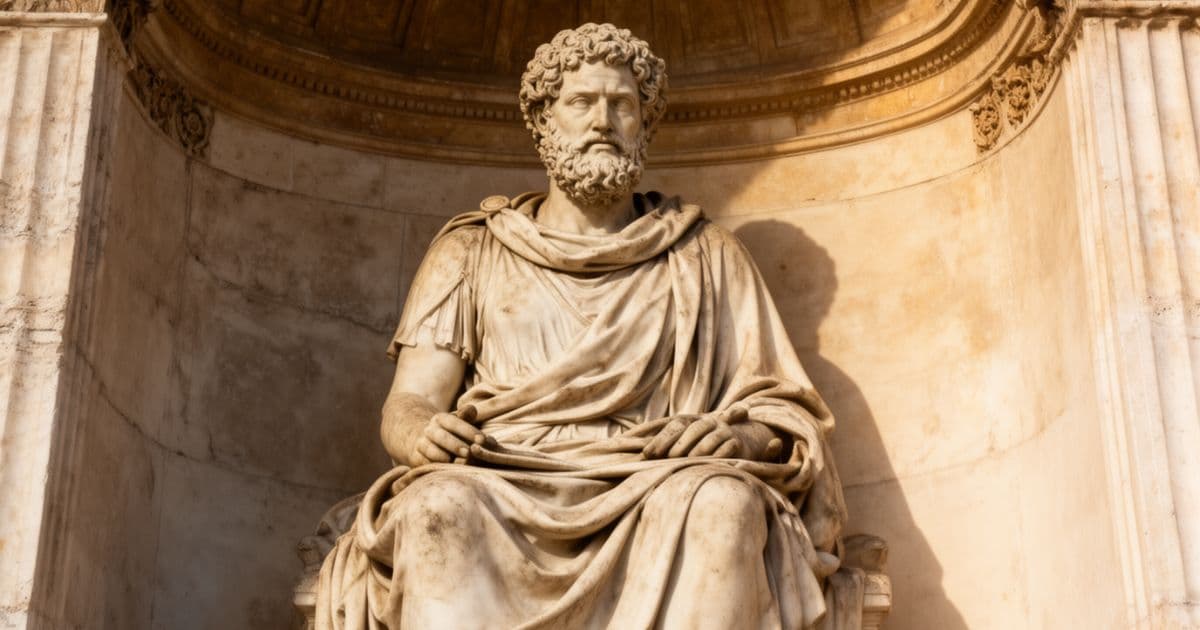
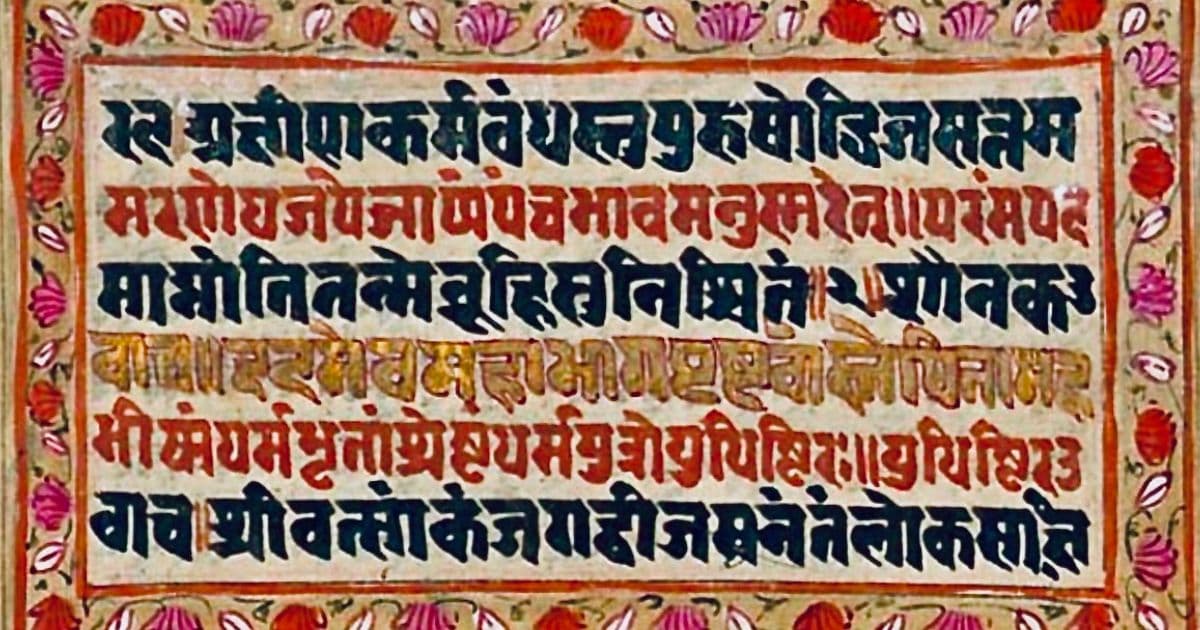
An excerpt from the original text.(complete · 405 words)
he Downward Course
306. He who says what is not, goes to hell; he also who, having done a
thing, says I have not done it. After death both are equal, they are men
with evil deeds in the next world.
307. Many men whose shoulders are covered with the yellow gown are
ill-conditioned and unrestrained; such evil-doers by their evil deeds go
to hell.
308. Better it would be to swallow a heated iron ball, like flaring
fire, than that a bad unrestrained fellow should live on the charity of
the land.
309. Four things does a wreckless man gain who covets his neighbour's
wife,--a bad reputation, an uncomfortable bed, thirdly, punishment, and
lastly, hell.
310. There is bad reputation, and the evil way (to hell), there is the
short pleasure of the frightened in the arms of the frightened, and
the king imposes heavy punishment; therefore let no man think of his
neighbour's wife.
311. As a grass-blade, if badly grasped, cuts the arm, badly-practised
asceticism leads to hell.
312. An act carelessly performed, a broken vow, and hesitating obedience
to discipline, all this brings no great reward.
313. If anything is to be done, let a man do it, let him attack it
vigorously! A careless pilgrim only scatters the dust of his passions
more widely.
314. An evil deed is better left undone, for a man repents of it
afterwards; a good deed is better done, for having done it, one does not
repent.
315. Like a well-guarded frontier fort, with defences within and
without, so let a man guard himself. Not a moment should escape, for
they who allow the right moment to pass, suffer pain when they are in
hell.
316. They who are ashamed of what they ought not to be ashamed of, and
are not ashamed of what they ought to be ashamed of, such men, embracing
false doctrines enter the evil path.
317. They who fear when they ought not to fear, and fear not when they
ought to fear, such men, embracing false doctrines, enter the evil path.
318. They who forbid when there is nothing to be forbidden, and forbid
not when there is something to be forbidden, such men, embracing false
doctrines, enter the evil path.
319. They who know what is forbidden as forbidden, and what is not
forbidden as not forbidden, such men, embracing the true doctrine, enter
the good path.
Master this chapter. Complete your experience
Purchase the complete book to access all chapters and support classic literature
As an Amazon Associate, we earn a small commission from qualifying purchases at no additional cost to you.
Available in paperback, hardcover, and e-book formats
Let's Analyse the Pattern
When we claim meaningful roles or values but refuse their full demands, we corrupt both ourselves and what we claim to serve.
Why This Matters
Connect literature to life
This chapter teaches how to spot the difference between genuine commitment and performance of commitment by watching for consistency under pressure.
Practice This Today
This week, notice when someone talks about their values—then watch how they act when following through would cost them something they want.
Now let's explore the literary elements.
Key Quotes & Analysis
"Better it would be to swallow a heated iron ball, like flaring fire, than that a bad unrestrained fellow should live on the charity of the land."
Context: Buddha condemns religious frauds who accept donations while living dishonestly
This shocking image emphasizes how morally destructive it is to take resources meant for spiritual purposes while living without integrity. Buddha suggests that physical death would be preferable to the spiritual corruption of exploiting others' faith.
In Today's Words:
It would be better to die than to scam people who are trying to support something good.
"As a grass-blade, if badly grasped, cuts the arm, badly-practised asceticism leads to hell."
Context: Warning about the dangers of spiritual practices done without proper understanding
This metaphor shows how even beneficial things become harmful when approached carelessly. The grass blade that could be handled safely instead causes injury when grasped wrong, just like spiritual practices can damage us when done without wisdom.
In Today's Words:
Even good things will hurt you if you do them wrong or for the wrong reasons.
"If anything is to be done, let a man do it, let him attack it vigorously! A careless pilgrim only scatters the dust of his passions more widely."
Context: Emphasizing the importance of wholehearted commitment in spiritual practice
Buddha advocates for complete dedication rather than half-hearted effort. The image of scattered dust suggests that unfocused spiritual work actually spreads our problems around instead of resolving them.
In Today's Words:
Whatever you're going to do, do it all the way - half-hearted efforts just make a bigger mess.
Thematic Threads
Identity
In This Chapter
Buddha exposes the gap between who we claim to be and who we actually are through our actions
Development
Builds on earlier themes about authentic self-knowledge versus self-deception
In Your Life:
You might notice this when you call yourself a good friend but rarely make time for people who need you
Integrity
In This Chapter
The chapter reveals how small compromises in integrity compound into complete moral collapse
Development
Introduced here as a central theme about wholeness versus fragmentation
In Your Life:
You see this when you justify small dishonesty at work that gradually becomes normal behavior
Social Expectations
In This Chapter
Buddha critiques those who wear religious robes for status while lacking genuine commitment
Development
Continues exploration of how social roles can become masks rather than authentic expressions
In Your Life:
You experience this when you perform a role at work or home without genuine investment in its purpose
Personal Growth
In This Chapter
The warning that spiritual practices done carelessly can actually harm rather than help
Development
Deepens earlier themes about the necessity of sincere effort in transformation
In Your Life:
You might recognize this in going through the motions of self-improvement without real commitment to change
Consequences
In This Chapter
Buddha shows how dishonesty and half-hearted commitment lead to specific, measurable destruction
Development
Builds on previous chapters about how actions create inevitable results
In Your Life:
You see this when your lack of follow-through on promises gradually erodes people's trust in you
You now have the context. Time to form your own thoughts.
Discussion Questions
- 1
Buddha warns against two types of liars: those who lie outright and those who do wrong then deny it. Why does he say both end up in the same 'dark place'?
analysis • surface - 2
Why does Buddha say that doing spiritual practices carelessly is like grasping grass wrong - it cuts your hand? What's the deeper mechanism at work here?
analysis • medium - 3
Where do you see this pattern of 'wanting the benefits without the real work' playing out in modern workplaces, relationships, or parenting?
application • medium - 4
Think of a time when you or someone you know went 'half-in' on something important. How would you handle that situation differently now?
application • deep - 5
Buddha suggests that partial commitment often corrupts both the person and the thing they claim to value. What does this reveal about the nature of integrity and authentic commitment?
reflection • deep
Critical Thinking Exercise
Audit Your Commitments
Make a list of your current major commitments - job, relationships, health goals, financial responsibilities. For each one, honestly rate whether you're 'all in' (fully committed), 'half in' (going through motions), or 'checking out' (mentally done but haven't admitted it). Look for patterns in where you're half-hearted and why.
Consider:
- •Notice which commitments drain your energy versus which ones energize you
- •Consider whether your half-hearted commitments are hurting others who depend on you
- •Ask yourself: what would 'all in' actually look like for each area?
Journaling Prompt
Write about one commitment where you've been going through the motions. What would it take to either go all in or gracefully step back? What's keeping you in the middle ground?
Coming Up Next...
Chapter 23: The Elephant: Mastering Self-Control
Buddha shifts focus to the elephant as a symbol of strength and self-control, exploring how true spiritual warriors develop the steady, powerful presence needed to handle life's challenges without being thrown off course.