Amplified ClassicsAmplified Classics
Literature MattersLife IndexEducators
Sign inSign up
The Dhammapada - The Art of Wise Choices

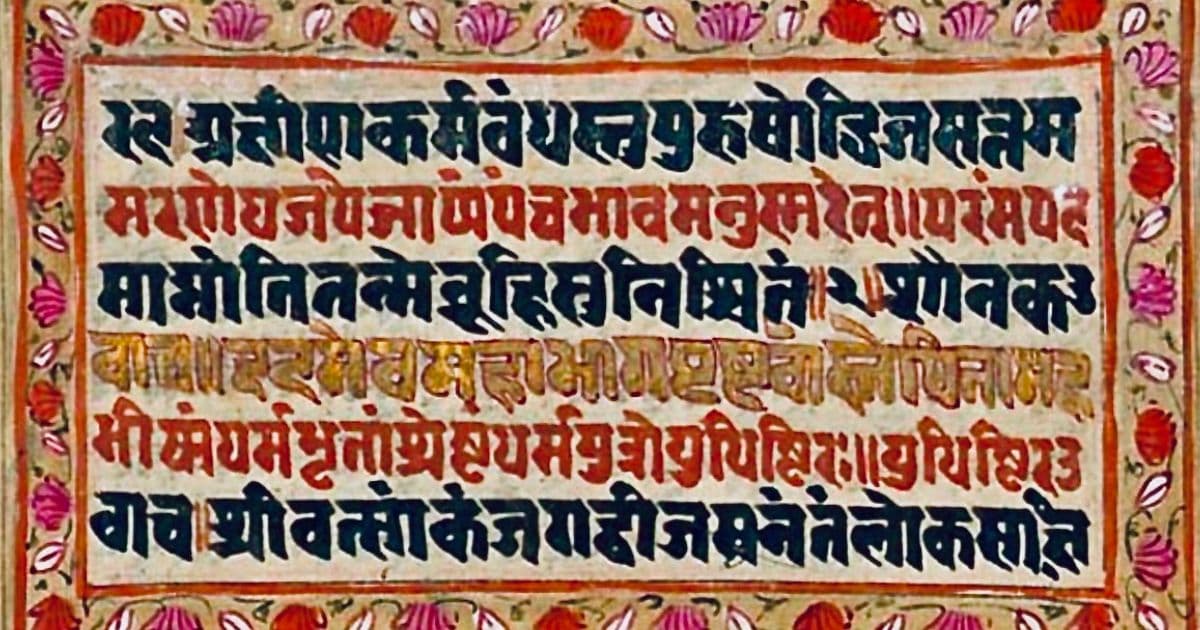
Buddha

The Dhammapada

The Art of Wise Choices

Home›Books›The Dhammapada›Chapter 21
Back to The Dhammapada
4 min read•The Dhammapada•Chapter 21 of 26

What You'll Learn

How to distinguish between short-term pleasures and long-term fulfillment

Why causing pain to get what you want always backfires

The power of consistent daily practices over dramatic gestures

Previous
21 of 26
Next

Summary

This chapter cuts through the noise to reveal what really matters in making life decisions. Buddha opens with a deceptively simple principle: sometimes you have to give up something good to get something great. It's the choice between sleeping in versus getting up early to exercise, or spending money on instant gratification versus saving for something meaningful. The wisdom lies in training yourself to see the bigger picture. The chapter then tackles a harsh truth about human nature - when we try to get happiness by making others miserable, we trap ourselves in cycles of anger and resentment. That coworker you throw under the bus, that relationship you manipulate - the negativity you create comes back to poison your own peace of mind. Buddha emphasizes the difference between people who drift through life versus those who stay awake to their choices. The drifters do what feels easy in the moment, letting their desires multiply like weeds. The aware ones pay attention to their habits, their bodies, their impact on others. They practice what Buddha calls 'watchfulness' - a constant gentle awareness of whether their actions align with their deeper values. The chapter includes some puzzling verses about killing parents and kings that scholars interpret as metaphors for destroying ego and false authority. More practically, Buddha describes his followers as people who stay 'well awake' - not just physically, but mentally and spiritually alert. They focus on compassion, meditation, and understanding rather than getting lost in drama. The chapter ends with a reality check: every path has its difficulties. Leaving the world behind is hard, but so is staying engaged with it. The key isn't finding an easy path, but choosing your hard wisely and staying committed to growth.

Coming Up in Chapter 22

The next chapter explores 'The Downward Course' - examining how small compromises and ignored warning signs can lead to major life derailments, and the specific patterns that signal when someone is headed for trouble.

Share it with friends

Previous ChapterNext Chapter
GO ADS FREE — JOIN US

An excerpt from the original text.(complete · 424 words)

M

iscellaneous

290. If by leaving a small pleasure one sees a great pleasure, let a
wise man leave the small pleasure, and look to the great.

291. He who, by causing pain to others, wishes to obtain pleasure for
himself, he, entangled in the bonds of hatred, will never be free from
hatred.

292. What ought to be done is neglected, what ought not to be done is
done; the desires of unruly, thoughtless people are always increasing.

293. But they whose whole watchfulness is always directed to their body,
who do not follow what ought not to be done, and who steadfastly do what
ought to be done, the desires of such watchful and wise people will come
to an end.

294. A true Brahmana goes scatheless, though he have killed father and
mother, and two valiant kings, though he has destroyed a kingdom with
all its subjects.

295. A true Brahmana goes scatheless, though he have killed father and
mother, and two holy kings, and an eminent man besides.

296. The disciples of Gotama (Buddha) are always well awake, and their
thoughts day and night are always set on Buddha.

297. The disciples of Gotama are always well awake, and their thoughts
day and night are always set on the law.

298. The disciples of Gotama are always well awake, and their thoughts
day and night are always set on the church.

299. The disciples of Gotama are always well awake, and their thoughts
day and night are always set on their body.

300. The disciples of Gotama are always well awake, and their mind day
and night always delights in compassion.

301. The disciples of Gotama are always well awake, and their mind day
and night always delights in meditation.

302. It is hard to leave the world (to become a friar), it is hard to
enjoy the world; hard is the monastery, painful are the houses; painful
it is to dwell with equals (to share everything in common) and the
itinerant mendicant is beset with pain. Therefore let no man be an
itinerant mendicant and he will not be beset with pain.

303. Whatever place a faithful, virtuous, celebrated, and wealthy man
chooses, there he is respected.

304. Good people shine from afar, like the snowy mountains; bad people
are not seen, like arrows shot by night.

305. He alone who, without ceasing, practises the duty of sitting
alone and sleeping alone, he, subduing himself, will rejoice in the
destruction of all desires alone, as if living in a forest.

Master this chapter. Complete your experience

Purchase the complete book to access all chapters and support classic literature

Read Free on GutenbergBuy at Powell'sBuy on Amazon

As an Amazon Associate, we earn a small commission from qualifying purchases at no additional cost to you.

Available in paperback, hardcover, and e-book formats

GO ADS FREE — JOIN US

Intelligence Amplifier™ Analysis

Pattern: The Strategic Sacrifice

The Road of Strategic Sacrifice

This chapter reveals a fundamental pattern: the most successful people consistently choose delayed gratification over immediate pleasure, and they understand that creating misery for others ultimately destroys their own peace. Buddha identifies two types of people - those who drift through life reacting to impulses, and those who stay 'awake' to their choices and consequences. The mechanism works like this: every decision creates a ripple effect. When you choose the harder path that serves your long-term goals, you build what psychologists call 'self-efficacy' - confidence in your ability to handle challenges. But when you try to feel better by making others feel worse, you create a toxic cycle. That satisfaction from putting someone down is temporary, but the resentment and conflict you've generated will circle back to disrupt your own mental peace. This pattern shows up everywhere today. In healthcare, it's the difference between CNAs who gossip about difficult patients versus those who focus on providing excellent care - the gossipers create workplace drama that makes their own shifts miserable. In families, it's choosing to have the hard conversation about money instead of avoiding it until crisis hits. At work, it's the choice between taking credit for a team success versus sharing recognition - the credit-grabber might get a temporary boost, but loses trust and collaboration. In relationships, it's addressing problems directly instead of using passive-aggressive tactics that poison the connection. When you recognize this pattern, practice what Buddha calls 'watchfulness' - pause before reacting and ask yourself two questions: 'Does this serve my deeper values?' and 'Am I trying to feel better by making someone else feel worse?' Train yourself to see the bigger picture. Choose your hard wisely - every path has difficulties, but some lead to growth while others lead to cycles of conflict and regret. When you can name the pattern, predict where it leads, and navigate it successfully - that's amplified intelligence.

Successful people consistently choose temporary discomfort for long-term gain while avoiding the trap of seeking happiness through others' misery.

Why This Matters

Connect literature to life

Skill: Recognizing Emotional Traps

This chapter teaches how to identify when you're about to choose temporary satisfaction over long-term peace.

Practice This Today

This week, notice when you feel the urge to make someone else look bad to make yourself feel better - pause and ask if this serves your deeper values.

GO ADS FREE — JOIN US

Now let's explore the literary elements.

Terms to Know

Brahmana

In Buddha's time, the highest caste in Indian society, traditionally priests and spiritual teachers. Buddha uses this term to describe anyone who has achieved true spiritual wisdom, regardless of birth or social status.

Modern Usage:

Like calling someone a 'true professional' - it's about character and competence, not just the title on their business card.

Gotama

Buddha's family name before he became enlightened. His followers are called 'disciples of Gotama' to emphasize they're following a real person who found wisdom, not just abstract ideas.

Modern Usage:

Similar to how people say 'I follow Tony Robbins' methods' - connecting with a specific teacher's approach rather than generic advice.

Watchfulness

Buddha's term for staying consciously aware of your thoughts, actions, and their consequences. It's not paranoia or overthinking, but gentle, consistent attention to whether you're living according to your values.

Modern Usage:

Like being mindful about your spending habits or checking in with yourself before reacting to a stressful text message.

The Law (Dharma)

The natural principles that govern how life works - cause and effect, the reality that actions have consequences, the patterns that lead to suffering or peace. Not man-made rules, but universal truths.

Modern Usage:

Like understanding that treating people badly usually comes back to hurt you, or that consistent small efforts create big results over time.

Bonds of hatred

The way anger and resentment trap us in cycles of negative thinking and behavior. When we hurt others to feel better, we actually tie ourselves to the very emotions we're trying to escape.

Modern Usage:

Like staying stuck in drama with an ex or holding grudges at work - the anger hurts you more than the person you're mad at.

Small pleasure vs great pleasure

Buddha's framework for making decisions by comparing immediate gratification with longer-term satisfaction. The wisdom is learning to see which choice serves your bigger goals.

Modern Usage:

Choosing to save money instead of impulse buying, or getting up early to exercise instead of hitting snooze - trading instant comfort for lasting benefits.

Characters in This Chapter

The wise man

Ideal decision-maker

Represents someone who can see beyond immediate temptation to make choices that serve their larger goals. Shows the difference between reactive and thoughtful living.

Modern Equivalent:

The coworker who always seems to make smart long-term decisions

Unruly, thoughtless people

Cautionary example

Represents those who drift through life following impulses without considering consequences. Their desires keep multiplying because they never address the root patterns.

Modern Equivalent:

People always complaining about the same problems but never changing their habits

The watchful and wise

Aspirational model

Shows what's possible when someone stays consistently aware of their choices and aligns actions with values. Their desires decrease because they're not chasing empty things.

Modern Equivalent:

That friend who seems genuinely content and doesn't get caught up in drama

Disciples of Gotama

Committed followers

Demonstrates what focused spiritual practice looks like in daily life. They stay 'well awake' by consistently returning their attention to wisdom, compassion, and community.

Modern Equivalent:

People serious about personal growth who actually do the work consistently

Key Quotes & Analysis

"If by leaving a small pleasure one sees a great pleasure, let a wise man leave the small pleasure, and look to the great."

— Narrator

Context: Opening the chapter with a practical decision-making framework

This quote cuts through the complexity of choice by offering a simple test: what serves your bigger picture? It acknowledges that wisdom often requires short-term sacrifice for long-term gain.

In Today's Words:

Sometimes you have to give up something good to get something better - choose wisely.

"He who, by causing pain to others, wishes to obtain pleasure for himself, he, entangled in the bonds of hatred, will never be free from hatred."

— Narrator

Context: Warning about the consequences of trying to build happiness on others' suffering

This reveals how attempting to feel better by making others feel worse creates a psychological trap. The negativity we put out becomes the environment we live in.

In Today's Words:

If you try to feel good by making others feel bad, you'll stay stuck in toxic patterns.

"What ought to be done is neglected, what ought not to be done is done; the desires of unruly, thoughtless people are always increasing."

— Narrator

Context: Describing the pattern of people who live without conscious intention

This captures the frustrating cycle of knowing what's good for us but doing the opposite. Without awareness, our wants multiply because we're not addressing what actually satisfies us.

In Today's Words:

When you avoid what you know you should do and keep doing what you shouldn't, you just end up wanting more and more.

"The disciples of Gotama are always well awake, and their thoughts day and night are always set on Buddha."

— Narrator

Context: Describing what dedicated spiritual practice looks like

This shows how transformation happens through consistent focus rather than occasional effort. Being 'well awake' means staying conscious of your values and commitments throughout daily life.

In Today's Words:

People serious about growth keep their attention on what matters, not just when it's convenient.

Thematic Threads

Personal Growth

In This Chapter

Buddha contrasts people who drift through life versus those who stay 'awake' to their choices and practice watchfulness

Development

Introduced here

In Your Life:

You might recognize this in how you handle difficult conversations - avoiding them or facing them head-on.

Human Relationships

In This Chapter

The warning that trying to gain happiness by making others miserable creates cycles of anger and resentment

Development

Introduced here

In Your Life:

You might see this in workplace dynamics where putting others down temporarily feels good but creates lasting conflict.

Class

In This Chapter

The distinction between those who can delay gratification and think strategically versus those who react to immediate impulses

Development

Introduced here

In Your Life:

You might notice this in financial decisions - choosing between immediate purchases and long-term savings goals.

Identity

In This Chapter

Buddha describes his followers as people who stay 'well awake' and focus on compassion rather than getting lost in drama

Development

Introduced here

In Your Life:

You might recognize this in how you define yourself - by your reactions to problems or by your commitment to growth.

Social Expectations

In This Chapter

The metaphorical references to destroying false authority and ego rather than conforming to external pressures

Development

Introduced here

In Your Life:

You might see this in moments when you choose your own values over what others expect you to do.

You now have the context. Time to form your own thoughts.

Discussion Questions

  1. 1

    Buddha says sometimes you have to give up something good to get something great. What's an example from your own life where this choice paid off?

    application • surface
  2. 2

    Why does Buddha warn that trying to feel better by making others feel worse ultimately backfires? What's the mechanism behind this?

    analysis • medium
  3. 3

    Buddha describes two types of people - those who 'drift' and those who stay 'awake' to their choices. Where do you see this pattern in your workplace or community?

    application • medium
  4. 4

    If you practiced Buddha's 'watchfulness' - pausing to ask 'Does this serve my deeper values?' before reacting - how might your typical day change?

    application • deep
  5. 5

    Buddha ends by saying every path has difficulties, but we should 'choose our hard wisely.' What does this reveal about how successful people think differently about challenges?

    reflection • deep

Critical Thinking Exercise

10 minutes

Map Your Ripple Effects

Think of a recent conflict or frustration in your life. Draw or write out the ripple effects - how did your response create consequences that came back to affect you? Then redesign your response using Buddha's principle of 'watchfulness' and map out how different ripples might have formed.

Consider:

  • •Notice whether you tried to feel better by making someone else feel worse
  • •Identify the moment you could have paused and chosen differently
  • •Consider how your redesigned response serves your deeper values

Journaling Prompt

Write about a pattern you've noticed in your life where short-term choices create long-term problems. How could you apply Buddha's concept of staying 'awake' to break this cycle?

Coming Up Next...

Chapter 22: When Good Intentions Go Wrong

The next chapter explores 'The Downward Course' - examining how small compromises and ignored warning signs can lead to major life derailments, and the specific patterns that signal when someone is headed for trouble.
Continue to Chapter 22
Previous
The Path Forward
Contents
Next
When Good Intentions Go Wrong

Continue Exploring

The Dhammapada Study GuideTeaching ResourcesEssential Life IndexBrowse by ThemeAll Books

You Might Also Like

Meditations cover

Meditations

Marcus Aurelius

Explores personal growth

The Book of Job cover

The Book of Job

Anonymous

Explores suffering & resilience

Letters from a Stoic cover

Letters from a Stoic

Seneca

Explores suffering & resilience

The Bhagavad Gita cover

The Bhagavad Gita

Vyasa

Explores suffering & resilience

Browse all 47+ books

Share This Chapter

Know someone who'd enjoy this? Spread the wisdom!

TwitterFacebookLinkedInEmail

Read ad-free with Prestige

Get rid of ads, unlock study guides and downloads, and support free access for everyone.

Subscribe to PrestigeCreate free account
Intelligence Amplifier
Intelligence Amplifier™Powering Amplified Classics

Exploring human-AI collaboration through books, essays, and philosophical dialogues. Classic literature transformed into navigational maps for modern life.

2025 Books

→ The Amplified Human Spirit→ The Alarming Rise of Stupidity Amplified→ San Francisco: The AI Capital of the World
Visit intelligenceamplifier.org
hello@amplifiedclassics.com

AC Originals

→ The Last Chapter First→ You Are Not Lost→ The Lit of Love→ The Wealth Paradox
Arvintech
arvintechAmplify your Mind
Visit at arvintech.com

Navigate

  • Home
  • Library
  • Essential Life Index
  • How It Works
  • Subscribe
  • Account
  • About
  • Contact
  • Authors
  • Suggest a Book

Made For You

  • Students
  • Educators
  • Families
  • Readers
  • Finding Purpose

Newsletter

Weekly insights from the classics.

Amplify Your Mind

Legal

  • Privacy Policy
  • Terms of Service
  • Cookie Policy
  • Accessibility

Why Public Domain?

We focus on public domain classics because these timeless works belong to everyone. No paywalls, no restrictions—just wisdom that has stood the test of centuries, freely accessible to all readers.

Public domain books have shaped humanity's understanding of love, justice, ambition, and the human condition. By amplifying these works, we help preserve and share literature that truly belongs to the world.

© 2025 Amplified Classics™. All Rights Reserved.

Intelligence Amplifier™ and Amplified Classics™ are proprietary trademarks of Arvin Lioanag.

Copyright Protection: All original content, analyses, discussion questions, pedagogical frameworks, and methodology are protected by U.S. and international copyright law. Unauthorized reproduction, distribution, web scraping, or use for AI training is strictly prohibited. See our Copyright Notice for details.

Disclaimer: The information provided on this website is for general informational and educational purposes only and does not constitute professional, legal, financial, or technical advice. While we strive to ensure accuracy and relevance, we make no warranties regarding completeness, reliability, or suitability. Any reliance on such information is at your own risk. We are not liable for any losses or damages arising from use of this site. By using this site, you agree to these terms.