Amplified ClassicsAmplified Classics
Literature MattersLife IndexEducators
Sign inSign up
The Dhammapada - The Path Forward

Buddha

The Dhammapada

The Path Forward

Home›Books›The Dhammapada›Chapter 20
Back to The Dhammapada
4 min read•The Dhammapada•Chapter 20 of 26

What You'll Learn

How to recognize when you're making excuses instead of taking action

Why personal effort matters more than external guidance or support

How to identify and cut away destructive patterns in your life

Previous
20 of 26
Next

Summary

Buddha gets brutally honest about what it takes to change your life. He lays out the Eightfold Path as the only real way forward, but warns that knowing the path isn't enough - you have to walk it yourself. No teacher, guru, or self-help book can do the work for you. The chapter hits hard with three fundamental truths: everything changes, everything involves some suffering, and our attachments aren't as real as we think they are. Buddha uses vivid metaphors to drive his points home. He compares destructive desires to a forest that needs complete clearing - you can't just trim a few branches and call it good. He warns against the comfortable delusions we tell ourselves, like the fool who plans for seasons without considering that death could come at any time. The message is both sobering and empowering: your family, your achievements, your possessions won't save you when crisis hits, but your own disciplined effort can create lasting change. Buddha emphasizes that procrastination and laziness are the enemies of growth. The person who knows what needs to be done but keeps putting it off will never find their way. This isn't about perfection - it's about consistent, honest effort in speech, thought, and action. The chapter serves as both a roadmap and a reality check, showing readers that transformation requires cutting away everything that holds them back, even things they think they love.

Coming Up in Chapter 21

The final teachings await in 'Miscellaneous,' where Buddha addresses the remaining questions and concerns that don't fit neatly into categories. These scattered wisdom gems often contain some of his most practical advice for daily living.

Share it with friends

Previous ChapterNext Chapter
GO ADS FREE — JOIN US

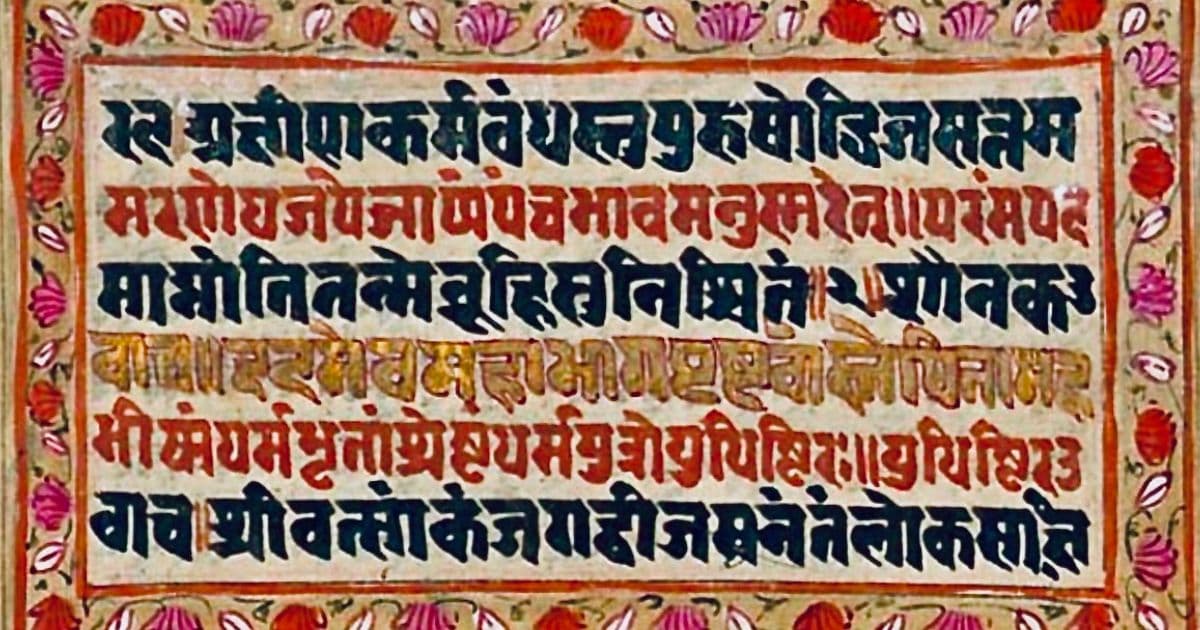
An excerpt from the original text.(complete · 497 words)

T

he Way

273. The best of ways is the eightfold; the best of truths the four
words; the best of virtues passionlessness; the best of men he who has
eyes to see.

274. This is the way, there is no other that leads to the purifying of
intelligence. Go on this way! Everything else is the deceit of Mara (the
tempter)
.

275. If you go on this way, you will make an end of pain! The way was
preached by me, when I had understood the removal of the thorns (in the
flesh)
.

276. You yourself must make an effort. The Tathagatas (Buddhas) are only
preachers. The thoughtful who enter the way are freed from the bondage
of Mara.

277. `All created things perish,' he who knows and sees this becomes
passive in pain; this is the way to purity.

278. `All created things are grief and pain,' he who knows and sees this
becomes passive in pain; this is the way that leads to purity.

279. `All forms are unreal,' he who knows and sees this becomes passive
in pain; this is the way that leads to purity.

280. He who does not rouse himself when it is time to rise, who, though
young and strong, is full of sloth, whose will and thought are weak,
that lazy and idle man will never find the way to knowledge.

281. Watching his speech, well restrained in mind, let a man never
commit any wrong with his body! Let a man but keep these three roads of
action clear, and he will achieve the way which is taught by the wise.

282. Through zeal knowledge is gotten, through lack of zeal knowledge is
lost; let a man who knows this double path of gain and loss thus place
himself that knowledge may grow.

283. Cut down the whole forest (of lust), not a tree only! Danger comes
out of the forest (of lust). When you have cut down both the forest (of
lust)
and its undergrowth, then, Bhikshus, you will be rid of the forest
and free!

284. So long as the love of man towards women, even the smallest, is not
destroyed, so long is his mind in bondage, as the calf that drinks milk
is to its mother.

285. Cut out the love of self, like an autumn lotus, with thy hand!
Cherish the road of peace. Nirvana has been shown by Sugata (Buddha).

286. `Here I shall dwell in the rain, here in winter and summer,' thus
the fool meditates, and does not think of his death.

287. Death comes and carries off that man, praised for his children and
flocks, his mind distracted, as a flood carries off a sleeping village.

288. Sons are no help, nor a father, nor relations; there is no help
from kinsfolk for one whom death has seized.

289. A wise and good man who knows the meaning of this, should quickly
clear the way that leads to Nirvana.

Master this chapter. Complete your experience

Purchase the complete book to access all chapters and support classic literature

Read Free on GutenbergBuy at Powell'sBuy on Amazon

As an Amazon Associate, we earn a small commission from qualifying purchases at no additional cost to you.

Available in paperback, hardcover, and e-book formats

GO ADS FREE — JOIN US

Intelligence Amplifier™ Analysis

Pattern: The Outsourced Responsibility Trap

The Road of Self-Reliant Change

Buddha reveals a fundamental truth about transformation: nobody can walk your path for you. This chapter exposes the pattern of outsourced responsibility—the human tendency to seek external solutions for internal problems. We want the guru, the program, the pill, the relationship that will fix us without requiring us to do the hard work ourselves. The mechanism operates through our natural desire to avoid discomfort. Change requires dismantling comfortable lies and facing difficult truths. Buddha's metaphor of clearing an entire forest rather than trimming branches shows how transformation demands complete commitment, not partial measures. We resist this because it means giving up the illusion that someone else can save us. The pattern reinforces itself when we jump from one external solution to another, each time avoiding the real work. This pattern dominates modern life. At work, employees blame management for their career stagnation while avoiding skill development. In healthcare, patients seek miracle cures while refusing lifestyle changes. In relationships, people expect partners to make them happy without addressing their own emotional patterns. Parents demand schools fix their children's behavior while maintaining chaos at home. Each scenario involves the same delusion: that transformation can be purchased, prescribed, or provided by others. When you recognize this pattern, stop shopping for saviors. Buddha's Eightfold Path isn't a program you follow—it's a framework for daily choices. Right speech means taking responsibility for your words today. Right action means changing your behavior now, not when conditions are perfect. Right effort means showing up consistently, especially when you don't feel like it. The navigation tool is simple: ask yourself, 'What can I control right now?' Then do that thing, repeatedly, without waiting for external validation or perfect circumstances. When you can name the pattern of outsourced responsibility, predict where it leads to continued stagnation, and navigate it by taking ownership of your choices—that's amplified intelligence.

The tendency to seek external solutions for internal problems, avoiding the personal work required for genuine transformation.

Why This Matters

Connect literature to life

Skill: Recognizing Outsourced Responsibility

This chapter teaches how to spot when you're seeking external solutions for internal problems.

Practice This Today

This week, notice when you blame circumstances for problems you could solve through your own consistent action.

GO ADS FREE — JOIN US

Now let's explore the literary elements.

Terms to Know

Eightfold Path

Buddha's practical eight-step program for ending suffering and finding peace. It covers right understanding, intention, speech, action, livelihood, effort, mindfulness, and concentration. Think of it as a complete life overhaul system.

Modern Usage:

We see this in modern recovery programs, therapy approaches, and self-improvement systems that address multiple life areas at once.

Mara (the tempter)

The personification of everything that keeps you stuck - temptation, fear, doubt, and distraction. Mara represents the voice in your head that talks you out of doing what's good for you.

Modern Usage:

We call this our inner critic, self-sabotage, or the part of us that chooses Netflix over the gym.

Tathagatas

Another name for Buddha, meaning 'one who has arrived at truth.' It emphasizes that enlightened teachers can only point the way - they can't walk the path for you.

Modern Usage:

Like therapists, coaches, or mentors who can give you tools but can't do the actual work of changing your life.

Passionlessness

Not being emotionally hijacked by your desires and reactions. It's about responding thoughtfully instead of being controlled by impulses, cravings, or anger.

Modern Usage:

We call this emotional regulation, staying cool under pressure, or not letting your feelings make your decisions.

Impermanence

The fundamental truth that everything changes and nothing lasts forever. This applies to good times, bad times, relationships, jobs, and life itself.

Modern Usage:

We see this when people say 'this too shall pass' or when we realize that both success and failure are temporary.

Right effort

Putting in consistent, balanced work toward your goals without burning out or giving up. It's about sustainable progress, not perfection or extremes.

Modern Usage:

Like maintaining a workout routine, building better habits gradually, or showing up for your responsibilities even when you don't feel like it.

Characters in This Chapter

Buddha

Teacher and guide

Presents himself as someone who found the way out of suffering and is sharing the roadmap. He's direct about what works and what doesn't, but emphasizes that each person must do their own work.

Modern Equivalent:

The experienced mentor who tells you the truth about what it takes to succeed

The lazy person

Cautionary example

Represents someone who knows what they should do but keeps procrastinating. Despite being young and capable, they waste their potential through inaction and weak willpower.

Modern Equivalent:

The person who buys gym memberships but never goes, or knows they should change jobs but never applies anywhere

The fool

Warning figure

Someone who makes long-term plans without considering life's uncertainty. They live as if they have unlimited time and nothing bad will happen to them.

Modern Equivalent:

The person who assumes they'll always be healthy, employed, or that their relationships will never change

The thoughtful person

Positive example

Represents someone who actually follows the path and gains freedom from destructive patterns. They understand the teachings and put them into practice consistently.

Modern Equivalent:

The person who actually follows through on their goals and builds the life they want through disciplined action

Key Quotes & Analysis

"You yourself must make an effort. The Tathagatas are only preachers."

— Buddha

Context: After explaining the path to end suffering

This cuts through any magical thinking about transformation. Buddha makes it clear that even the best teacher can only show you the way - the actual work of changing your life is entirely up to you.

In Today's Words:

I can tell you what to do, but you're the one who has to do it.

"All created things perish."

— Buddha

Context: Teaching about the nature of reality

This fundamental truth helps people stop clinging so tightly to things that won't last. Understanding impermanence reduces suffering because you stop fighting inevitable change.

In Today's Words:

Nothing lasts forever, so don't get too attached.

"He who does not rouse himself when it is time to rise, who, though young and strong, is full of sloth, whose will and thought are weak, that lazy and idle man will never find the way to knowledge."

— Buddha

Context: Warning about the dangers of procrastination

Buddha directly calls out the excuses people make for not changing their lives. Having potential means nothing without action, and waiting for the 'right time' is just another form of self-deception.

In Today's Words:

If you keep making excuses and putting things off, you'll never get anywhere, no matter how much potential you have.

Thematic Threads

Personal Responsibility

In This Chapter

Buddha emphasizes that no teacher can walk the path for you—transformation requires personal effort and commitment

Development

Introduced here as the foundation for all meaningful change

In Your Life:

You might catch yourself waiting for the right boss, partner, or opportunity to change your life instead of taking action yourself

Illusion vs Reality

In This Chapter

Buddha warns against comfortable delusions like planning for seasons without considering death's unpredictability

Development

Builds on earlier teachings about seeing things as they truly are

In Your Life:

You might recognize how you plan for an ideal future while ignoring present realities that need attention

Procrastination

In This Chapter

Buddha identifies laziness and delay as the primary enemies of growth and transformation

Development

Introduced here as a major obstacle to following the path

In Your Life:

You might notice how you keep putting off important changes while staying busy with comfortable routines

Attachment

In This Chapter

Buddha teaches that family, possessions, and achievements won't save you in crisis—only disciplined effort creates lasting change

Development

Deepens earlier teachings about the impermanence of external things

In Your Life:

You might see how you rely on job titles, relationships, or possessions for security instead of building inner strength

Complete Transformation

In This Chapter

Buddha uses the forest-clearing metaphor to show that partial measures and surface changes aren't enough

Development

Introduced here as the standard for genuine change

In Your Life:

You might recognize how you've tried to fix problems with small adjustments while avoiding the deeper work needed

You now have the context. Time to form your own thoughts.

Discussion Questions

  1. 1

    Buddha says no one can walk your path for you. What does he mean by this, and why does he think people try to avoid doing their own work?

    analysis • surface
  2. 2

    Why does Buddha use the metaphor of clearing an entire forest rather than just trimming branches? What's the difference between these two approaches to change?

    analysis • medium
  3. 3

    Where do you see people today expecting others to solve their problems instead of doing the work themselves? Think about relationships, work, health, or parenting.

    application • medium
  4. 4

    Buddha warns against procrastination and comfortable delusions. How would you help someone who knows what they need to change but keeps putting it off?

    application • deep
  5. 5

    What does this chapter reveal about why real change is so difficult for humans? What are we really afraid of when we avoid taking responsibility?

    reflection • deep

Critical Thinking Exercise

10 minutes

Map Your Outsourcing Patterns

Think of one area where you've been waiting for someone else to solve your problem - maybe expecting your boss to notice your efforts, hoping a partner will change, or wanting a doctor to fix something you could address through lifestyle. Write down what you've been expecting others to do, then list three specific actions you could take yourself this week.

Consider:

  • •Notice the difference between what you can control versus what you're hoping others will do
  • •Consider why taking responsibility feels harder than waiting for external solutions
  • •Think about what you might have to give up or face if you stop outsourcing this responsibility

Journaling Prompt

Write about a time when you finally stopped waiting for someone else to fix something and took action yourself. What changed when you accepted full responsibility? What did you learn about your own capabilities?

Coming Up Next...

Chapter 21: The Art of Wise Choices

The final teachings await in 'Miscellaneous,' where Buddha addresses the remaining questions and concerns that don't fit neatly into categories. These scattered wisdom gems often contain some of his most practical advice for daily living.

Continue to Chapter 21
Previous
True Leadership vs. Empty Titles
Contents
Next
The Art of Wise Choices

Continue Exploring

The Dhammapada Study GuideTeaching ResourcesEssential Life IndexBrowse by ThemeAll Books

You Might Also Like

Meditations cover

Meditations

Marcus Aurelius

Explores personal growth

The Book of Job cover

The Book of Job

Anonymous

Explores suffering & resilience

Letters from a Stoic cover

Letters from a Stoic

Seneca

Explores suffering & resilience

The Bhagavad Gita cover

The Bhagavad Gita

Vyasa

Explores suffering & resilience

Browse all 47+ books

Share This Chapter

Know someone who'd enjoy this? Spread the wisdom!

TwitterFacebookLinkedInEmail

Read ad-free with Prestige

Get rid of ads, unlock study guides and downloads, and support free access for everyone.

Subscribe to PrestigeCreate free account
Intelligence Amplifier
Intelligence Amplifier™Powering Amplified Classics

Exploring human-AI collaboration through books, essays, and philosophical dialogues. Classic literature transformed into navigational maps for modern life.

2025 Books

→ The Amplified Human Spirit→ The Alarming Rise of Stupidity Amplified→ San Francisco: The AI Capital of the World
Visit intelligenceamplifier.org
hello@amplifiedclassics.com

AC Originals

→ The Last Chapter First→ You Are Not Lost→ The Lit of Love→ The Wealth Paradox
Arvintech
arvintechAmplify your Mind
Visit at arvintech.com

Navigate

  • Home
  • Library
  • Essential Life Index
  • How It Works
  • Subscribe
  • Account
  • About
  • Contact
  • Authors
  • Suggest a Book

Made For You

  • Students
  • Educators
  • Families
  • Readers
  • Finding Purpose

Newsletter

Weekly insights from the classics.

Amplify Your Mind

Legal

  • Privacy Policy
  • Terms of Service
  • Cookie Policy
  • Accessibility

Why Public Domain?

We focus on public domain classics because these timeless works belong to everyone. No paywalls, no restrictions—just wisdom that has stood the test of centuries, freely accessible to all readers.

Public domain books have shaped humanity's understanding of love, justice, ambition, and the human condition. By amplifying these works, we help preserve and share literature that truly belongs to the world.

© 2025 Amplified Classics™. All Rights Reserved.

Intelligence Amplifier™ and Amplified Classics™ are proprietary trademarks of Arvin Lioanag.

Copyright Protection: All original content, analyses, discussion questions, pedagogical frameworks, and methodology are protected by U.S. and international copyright law. Unauthorized reproduction, distribution, web scraping, or use for AI training is strictly prohibited. See our Copyright Notice for details.

Disclaimer: The information provided on this website is for general informational and educational purposes only and does not constitute professional, legal, financial, or technical advice. While we strive to ensure accuracy and relevance, we make no warranties regarding completeness, reliability, or suitability. Any reliance on such information is at your own risk. We are not liable for any losses or damages arising from use of this site. By using this site, you agree to these terms.