Amplified ClassicsAmplified Classics
Literature MattersLife IndexEducators
Sign inSign up
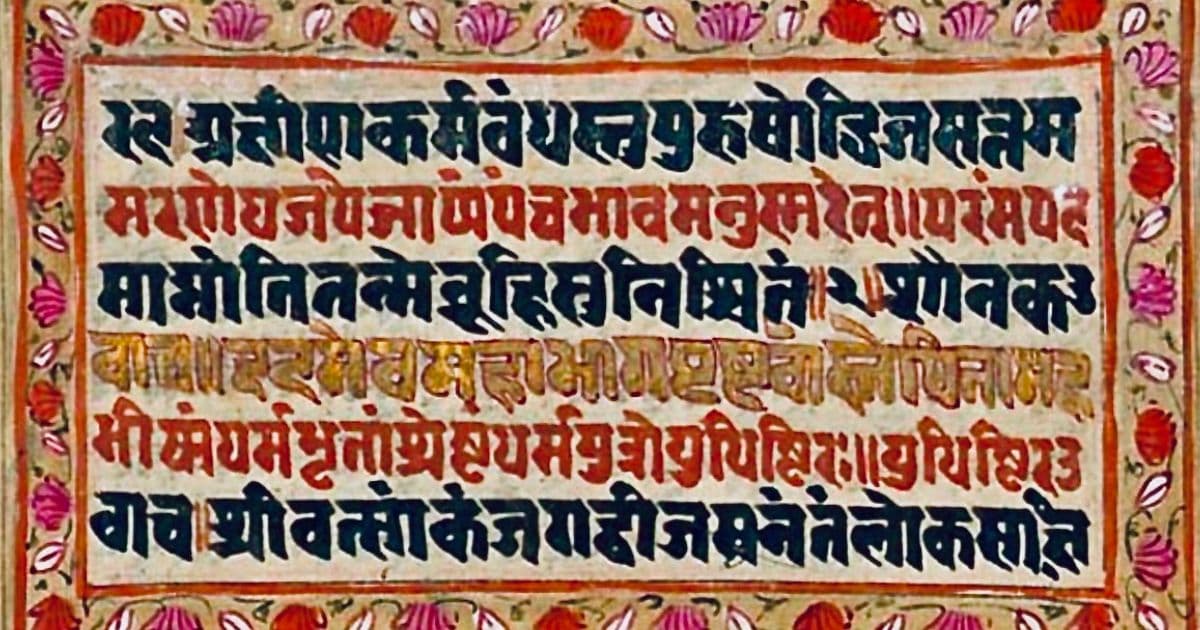
The Dhammapada - The Elephant: Mastering Self-Control

Buddha

The Dhammapada

The Elephant: Mastering Self-Control

Home›Books›The Dhammapada›Chapter 23
Back to The Dhammapada
4 min read•The Dhammapada•Chapter 23 of 26

What You'll Learn

How to endure criticism and abuse without losing your center

Why self-discipline is more valuable than external power or possessions

When to walk alone versus when to seek wise companions

Previous
23 of 26
Next

Summary

Buddha uses the elephant as a powerful metaphor for self-mastery and inner strength. Just as a trained war elephant endures arrows in battle without breaking formation, we must learn to absorb life's inevitable criticism and hardships without losing our composure. The chapter reveals that true power isn't about controlling others or accumulating wealth—it's about taming your own mind and reactions. Buddha contrasts the disciplined elephant with the wild one: the trained elephant serves kings and accomplishes great things, while the untamed one remains trapped by its own impulses. He applies this directly to human behavior, warning against becoming like a lazy hog that just eats and sleeps, destined to repeat the same destructive patterns. The most striking insight comes in his advice about relationships: seek wise companions who elevate you, but if you can't find them, walk alone rather than be dragged down by fools. This isn't about isolation—it's about protecting your growth. Buddha acknowledges that good relationships, family bonds, and spiritual community bring genuine joy, but emphasizes that your inner discipline must come first. The chapter ends by celebrating the lasting pleasures of virtue, wisdom, and self-control—satisfactions that compound over time rather than leaving you empty. This teaching speaks directly to anyone struggling with toxic relationships, workplace drama, or the pressure to compromise their values for social acceptance.

Coming Up in Chapter 24

The next chapter explores 'Thirst'—not just physical craving, but the deeper hungers that drive human suffering and how to break free from their endless cycle.

Share it with friends

Previous ChapterNext Chapter
GO ADS FREE — JOIN US

An excerpt from the original text.(complete · 402 words)

T

he Elephant

320. Silently shall I endure abuse as the elephant in battle endures the
arrow sent from the bow: for the world is ill-natured.

321. They lead a tamed elephant to battle, the king mounts a tamed
elephant; the tamed is the best among men, he who silently endures
abuse.

322. Mules are good, if tamed, and noble Sindhu horses, and elephants
with large tusks; but he who tames himself is better still.

323. For with these animals does no man reach the untrodden country
(Nirvana), where a tamed man goes on a tamed animal, viz. on his own
well-tamed self.

324. The elephant called Dhanapalaka, his temples running with sap, and
difficult to hold, does not eat a morsel when bound; the elephant longs
for the elephant grove.

325. If a man becomes fat and a great eater, if he is sleepy and rolls
himself about, that fool, like a hog fed on wash, is born again and
again.

326. This mind of mine went formerly wandering about as it liked, as
it listed, as it pleased; but I shall now hold it in thoroughly, as the
rider who holds the hook holds in the furious elephant.

327. Be not thoughtless, watch your thoughts! Draw yourself out of the
evil way, like an elephant sunk in mud.

328. If a man find a prudent companion who walks with him, is wise, and
lives soberly, he may walk with him, overcoming all dangers, happy, but
considerate.

329. If a man find no prudent companion who walks with him, is wise,
and lives soberly, let him walk alone, like a king who has left his
conquered country behind,--like an elephant in the forest.

330. It is better to live alone, there is no companionship with a fool;
let a man walk alone, let him commit no sin, with few wishes, like an
elephant in the forest.

331. If an occasion arises, friends are pleasant; enjoyment is pleasant,
whatever be the cause; a good work is pleasant in the hour of death; the
giving up of all grief is pleasant.

332. Pleasant in the world is the state of a mother, pleasant the state
of a father, pleasant the state of a Samana, pleasant the state of a
Brahmana.

333. Pleasant is virtue lasting to old age, pleasant is a faith firmly
rooted; pleasant is attainment of intelligence, pleasant is avoiding of
sins.

Master this chapter. Complete your experience

Purchase the complete book to access all chapters and support classic literature

Read Free on GutenbergBuy at Powell'sBuy on Amazon

As an Amazon Associate, we earn a small commission from qualifying purchases at no additional cost to you.

Available in paperback, hardcover, and e-book formats

GO ADS FREE — JOIN US

Intelligence Amplifier™ Analysis

Pattern: The Self-Mastery Paradox

The Road of Self-Mastery - When Your Inner Discipline Becomes Your Superpower

This chapter reveals the pattern of true strength versus false strength. Buddha shows us that real power isn't about dominating others or accumulating status—it's about mastering your own reactions and maintaining your standards regardless of external pressure. The person who can absorb criticism without lashing out, who can stick to their values when everyone else compromises, who can walk away from toxic situations even when it's lonely—this person has discovered genuine strength. The mechanism works like this: most people seek power through external control—manipulating others, climbing hierarchies, or collecting possessions. But this creates dependency on things outside your control. When someone criticizes them, they crumble. When they lose status, they panic. The self-mastered person, like Buddha's trained elephant, builds strength from within. They develop the ability to choose their response rather than react automatically. This internal discipline becomes a foundation that can't be shaken by external circumstances. This pattern appears everywhere in modern life. At work, it's the difference between the supervisor who screams when stressed versus the one who stays calm under pressure—guess who gets promoted? In healthcare, it's the nurse who maintains compassion with difficult patients while colleagues burn out from taking everything personally. In families, it's the parent who can discipline without losing their temper, or the adult child who can visit toxic relatives without getting drawn into old patterns. In relationships, it's choosing partners who elevate you rather than settling for whoever's available. When you recognize this pattern, start building your own internal discipline. Practice the pause—when someone criticizes you, count to three before responding. Set boundaries and stick to them, even when people push back. Choose your companions carefully; Buddha's advice about walking alone rather than with fools isn't about isolation—it's about protecting your growth. Develop non-negotiable standards for how you treat others and how you allow others to treat you. Remember that saying no to toxic situations is saying yes to your own development. When you can name this pattern, predict where external dependency leads, and navigate toward self-mastery instead—that's amplified intelligence turning ancient wisdom into modern strength.

True power comes from controlling your own reactions and maintaining your standards, not from controlling others or external circumstances.

Why This Matters

Connect literature to life

Skill: Reading Power Dynamics

This chapter teaches you to distinguish between people who have genuine authority versus those who just make noise.

Practice This Today

This week, notice when someone tries to pressure you into joining their complaints or compromising your standards—that's fake power seeking validation through numbers.

GO ADS FREE — JOIN US

Now let's explore the literary elements.

Terms to Know

Nirvana

In Buddhist teaching, the ultimate goal of spiritual practice - a state of complete peace where suffering ends. It's not a place you go after death, but a way of being where you're no longer controlled by anger, craving, or fear.

Modern Usage:

We use 'nirvana' casually to describe any perfect moment or state of bliss, like 'finding your nirvana at the spa.'

Dhanapalaka

A specific elephant mentioned by Buddha, known for being powerful but difficult to control when in heat. The name literally means 'protector of wealth,' representing how even our greatest strengths can become liabilities without discipline.

Modern Usage:

This represents anyone with talent or power who becomes their own worst enemy - like the gifted athlete who can't control their temper.

Sindhu horses

Prized horses from the Indus River region, known for their nobility and value in ancient times. Buddha uses them to represent excellence that comes through proper training and breeding.

Modern Usage:

Today we might reference luxury cars or elite athletes - things that represent the best of their kind through careful development.

Self-mastery

The Buddhist concept of controlling your own mind, emotions, and reactions rather than being controlled by them. It's the difference between responding thoughtfully and reacting impulsively to life's challenges.

Modern Usage:

We see this in emotional intelligence training, anger management, and mindfulness practices that help people pause before reacting.

Mindful companionship

Buddha's teaching about choosing relationships carefully - seeking friends who support your growth and avoiding those who drag you down. It's about quality over quantity in relationships.

Modern Usage:

This shows up in modern advice about 'your circle determines your success' and cutting toxic people from your life.

Spiritual solitude

The Buddhist principle that it's better to walk your path alone than compromise your values for bad company. It's not about being antisocial, but about protecting your growth and peace.

Modern Usage:

We see this in advice about leaving toxic workplaces, ending bad relationships, or choosing to be alone rather than settling for drama.

Characters in This Chapter

The disciplined elephant

Heroic example

Represents the ideal of enduring hardship without losing composure. This elephant takes arrows in battle but stays focused on its mission, showing how strength comes from self-control rather than aggression.

Modern Equivalent:

The coworker who stays calm during office drama

Dhanapalaka

Cautionary example

A powerful elephant who becomes uncontrollable when in heat and refuses to eat when captured. Shows how even great strength becomes weakness without discipline and how longing for the past can trap us.

Modern Equivalent:

The talented person who self-destructs when stressed

The lazy person like a hog

Negative example

Represents someone who lives only for immediate pleasures - eating, sleeping, and indulging without purpose. Buddha warns this leads to repeating the same destructive patterns endlessly.

Modern Equivalent:

The person stuck in endless cycles of binge-watching and junk food

The prudent companion

Ideal friend

The wise friend who walks with you through dangers, living soberly and making good decisions. This person elevates your life rather than creating drama or tempting you toward poor choices.

Modern Equivalent:

The friend who actually helps you grow and make better decisions

The fool as companion

Warning figure

Represents the type of person Buddha warns against - those who make poor choices and drag others down with them. Better to be alone than in their company.

Modern Equivalent:

The friend who always brings drama and bad decisions

Key Quotes & Analysis

"Silently shall I endure abuse as the elephant in battle endures the arrow sent from the bow: for the world is ill-natured."

— Buddha

Context: Buddha opens the chapter by establishing the elephant metaphor for handling life's inevitable criticism and hardships.

This quote reveals Buddha's realistic view of human nature - people will be cruel and critical. The wisdom isn't in avoiding this reality but in developing the inner strength to absorb it without being destroyed or corrupted by it.

In Today's Words:

I'll take whatever people dish out and stay focused on my goals, because haters gonna hate.

"This mind of mine went formerly wandering about as it liked, as it listed, as it pleased; but I shall now hold it in thoroughly, as the rider who holds the hook holds in the furious elephant."

— Buddha

Context: Buddha reflects on his own journey from mental chaos to self-control.

This personal confession shows that even Buddha struggled with an undisciplined mind. The elephant hook metaphor emphasizes that controlling your thoughts requires active, consistent effort - it's not a one-time achievement but daily practice.

In Today's Words:

My mind used to run wild with whatever random thoughts and impulses hit me, but now I've learned to grab the reins and steer.

"If a man find a prudent companion who walks with him, is wise, and lives soberly, he may walk with him, overcoming all dangers, happy, but considerate."

— Buddha

Context: Buddha describes the ideal friendship and companionship.

This quote shows Buddha's balanced view of relationships - he's not advocating isolation, but rather the careful selection of companions who support growth. The phrase 'happy, but considerate' suggests joy without recklessness.

In Today's Words:

If you find someone who's got their life together and makes good choices, stick with them - you'll both be happier and handle life's challenges better.

"For with these animals does no man reach the untrodden country, where a tamed man goes on a tamed animal, viz. on his own well-tamed self."

— Buddha

Context: Buddha explains why self-mastery is more valuable than external power or possessions.

This reveals the ultimate goal of Buddhist practice - reaching enlightenment requires inner work, not external achievements. The 'untrodden country' represents spiritual breakthrough that only comes through self-discipline.

In Today's Words:

All the money and status symbols in the world won't get you to true peace - only mastering yourself will take you there.

Thematic Threads

Personal Growth

In This Chapter

Buddha emphasizes that real development comes from inner discipline and self-control, not external achievements

Development

Deepened from earlier chapters about mindfulness to focus specifically on building unshakeable inner strength

In Your Life:

You might notice this when you realize your happiness depends more on your own choices than on other people's behavior.

Human Relationships

In This Chapter

The chapter advises choosing wise companions but being willing to walk alone rather than be corrupted by toxic relationships

Development

Builds on earlier teachings about speech and kindness to address the harder question of when to distance yourself

In Your Life:

You might recognize this when you feel drained after spending time with certain people or when you compromise your values to fit in.

Social Expectations

In This Chapter

Buddha challenges the idea that we must always be social, suggesting that solitude is better than bad company

Development

Introduced here as a counterpoint to social pressure to maintain relationships regardless of their impact

In Your Life:

You might experience this when family or friends pressure you to tolerate behavior that goes against your principles.

Class

In This Chapter

The elephant metaphor suggests that training and discipline, not birth or status, determine true nobility and effectiveness

Development

Continues the theme that character matters more than social position, now focusing on self-discipline as the ultimate equalizer

In Your Life:

You might see this when you realize that your work ethic and integrity matter more than your background or connections.

Identity

In This Chapter

Buddha presents identity as something you build through consistent choices and discipline rather than inherit or receive from others

Development

Evolved from earlier chapters about right action to emphasize that identity comes from sustained self-mastery

In Your Life:

You might notice this when you start defining yourself by your values and actions rather than by others' opinions or your past mistakes.

You now have the context. Time to form your own thoughts.

Discussion Questions

  1. 1

    Buddha compares a disciplined person to a trained war elephant that endures arrows without breaking formation. What specific qualities make someone able to handle criticism and pressure without losing their composure?

    analysis • surface
  2. 2

    Why does Buddha argue that seeking power through controlling others or accumulating status actually makes you weaker, while self-mastery makes you stronger?

    analysis • medium
  3. 3

    Buddha advises walking alone rather than keeping company with fools. Where do you see this principle playing out in modern workplaces, social media, or family dynamics?

    application • medium
  4. 4

    Think of someone you know who stays calm under pressure while others react emotionally. How do they handle situations differently, and what practical steps could someone take to develop that same inner discipline?

    application • deep
  5. 5

    Buddha suggests that lasting satisfaction comes from virtue and self-control rather than external achievements. What does this reveal about why some successful people seem miserable while others with less seem genuinely content?

    reflection • deep

Critical Thinking Exercise

10 minutes

Map Your Reaction Patterns

Think of three recent situations where you felt criticized, pressured, or stressed. For each situation, write down your immediate reaction and then imagine how a 'trained elephant' version of yourself would have responded instead. Look for patterns in what triggers your automatic reactions versus what helps you stay composed.

Consider:

  • •Notice whether your reactions made the situation better or worse
  • •Identify which triggers consistently make you lose composure
  • •Consider what internal strengths you could develop to handle similar situations differently

Journaling Prompt

Write about a relationship or situation where you feel you need to develop more inner discipline. What would change in your life if you could respond from strength rather than react from emotion?

Coming Up Next...

Chapter 24: Breaking Free from Endless Want

The next chapter explores 'Thirst'—not just physical craving, but the deeper hungers that drive human suffering and how to break free from their endless cycle.
Continue to Chapter 24
Previous
When Good Intentions Go Wrong
Contents
Next
Breaking Free from Endless Want

Continue Exploring

The Dhammapada Study GuideTeaching ResourcesEssential Life IndexBrowse by ThemeAll Books

You Might Also Like

Meditations cover

Meditations

Marcus Aurelius

Explores personal growth

The Book of Job cover

The Book of Job

Anonymous

Explores suffering & resilience

Letters from a Stoic cover

Letters from a Stoic

Seneca

Explores suffering & resilience

The Bhagavad Gita cover

The Bhagavad Gita

Vyasa

Explores suffering & resilience

Browse all 47+ books

Share This Chapter

Know someone who'd enjoy this? Spread the wisdom!

TwitterFacebookLinkedInEmail

Read ad-free with Prestige

Get rid of ads, unlock study guides and downloads, and support free access for everyone.

Subscribe to PrestigeCreate free account
Intelligence Amplifier
Intelligence Amplifier™Powering Amplified Classics

Exploring human-AI collaboration through books, essays, and philosophical dialogues. Classic literature transformed into navigational maps for modern life.

2025 Books

→ The Amplified Human Spirit→ The Alarming Rise of Stupidity Amplified→ San Francisco: The AI Capital of the World
Visit intelligenceamplifier.org
hello@amplifiedclassics.com

AC Originals

→ The Last Chapter First→ You Are Not Lost→ The Lit of Love→ The Wealth Paradox
Arvintech
arvintechAmplify your Mind
Visit at arvintech.com

Navigate

  • Home
  • Library
  • Essential Life Index
  • How It Works
  • Subscribe
  • Account
  • About
  • Contact
  • Authors
  • Suggest a Book

Made For You

  • Students
  • Educators
  • Families
  • Readers
  • Finding Purpose

Newsletter

Weekly insights from the classics.

Amplify Your Mind

Legal

  • Privacy Policy
  • Terms of Service
  • Cookie Policy
  • Accessibility

Why Public Domain?

We focus on public domain classics because these timeless works belong to everyone. No paywalls, no restrictions—just wisdom that has stood the test of centuries, freely accessible to all readers.

Public domain books have shaped humanity's understanding of love, justice, ambition, and the human condition. By amplifying these works, we help preserve and share literature that truly belongs to the world.

© 2025 Amplified Classics™. All Rights Reserved.

Intelligence Amplifier™ and Amplified Classics™ are proprietary trademarks of Arvin Lioanag.

Copyright Protection: All original content, analyses, discussion questions, pedagogical frameworks, and methodology are protected by U.S. and international copyright law. Unauthorized reproduction, distribution, web scraping, or use for AI training is strictly prohibited. See our Copyright Notice for details.

Disclaimer: The information provided on this website is for general informational and educational purposes only and does not constitute professional, legal, financial, or technical advice. While we strive to ensure accuracy and relevance, we make no warranties regarding completeness, reliability, or suitability. Any reliance on such information is at your own risk. We are not liable for any losses or damages arising from use of this site. By using this site, you agree to these terms.