Amplified ClassicsAmplified Classics
Literature MattersLife IndexEducators
Sign inSign up
The Dhammapada - Taking Charge of Your Own Life

Buddha

The Dhammapada

Taking Charge of Your Own Life

Home›Books›The Dhammapada›Chapter 12
Back to The Dhammapada
3 min read•The Dhammapada•Chapter 12 of 26

What You'll Learn

Why self-discipline must come before trying to help others

How to recognize when you're your own worst enemy

The difference between what's easy and what's beneficial

Previous
12 of 26
Next

Summary

Buddha gets brutally honest about personal responsibility in this chapter. He starts with a simple truth: if you value yourself, you need to watch yourself carefully - at least during one part of each day, stay alert to your own thoughts and actions. The core message is that you can't give what you don't have. Before trying to fix or teach others, you need to get your own house in order first. Buddha uses the metaphor of self-mastery as finding a rare kind of leader - yourself as your own boss, which few people ever achieve. The chapter reveals an uncomfortable truth about human nature: we often become our own worst enemies. The evil we do to ourselves is like a diamond cutting through precious stone - it destroys something valuable. Buddha compares self-destructive behavior to a parasitic vine that eventually kills the tree it depends on. We bring ourselves down to exactly where our enemies would want us. The chapter highlights a frustrating reality: bad choices and self-sabotage come easily, while beneficial actions require real effort. Buddha warns against following false teachings or abandoning your own responsibilities for someone else's agenda, no matter how appealing it seems. The final lesson is perhaps the most important: you alone are responsible for your moral state. No one else can purify you or corrupt you - that power belongs entirely to you. This isn't about perfection; it's about ownership of your own life.

Coming Up in Chapter 13

After examining the inner world of self-mastery, Buddha turns his attention outward to 'The World' - exploring how to navigate external circumstances and relationships once you've established control over yourself.

Share it with friends

Previous ChapterNext Chapter
GO ADS FREE — JOIN US

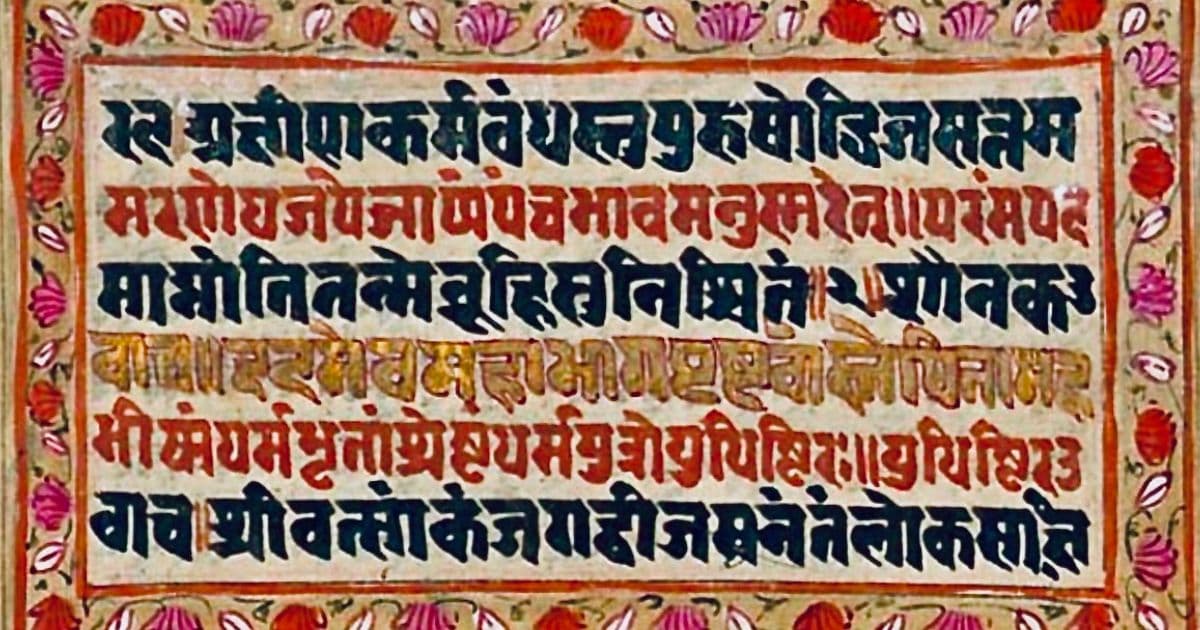
An excerpt from the original text.(complete · 279 words)

S

elf

157. If a man hold himself dear, let him watch himself carefully; during
one at least out of the three watches a wise man should be watchful.

158. Let each man direct himself first to what is proper, then let him
teach others; thus a wise man will not suffer.

159. If a man make himself as he teaches others to be, then, being
himself well subdued, he may subdue (others); one's own self is indeed
difficult to subdue.

160. Self is the lord of self, who else could be the lord? With self
well subdued, a man finds a lord such as few can find.

161. The evil done by oneself, self-begotten, self-bred, crushes the
foolish, as a diamond breaks a precious stone.

162. He whose wickedness is very great brings himself down to that state
where his enemy wishes him to be, as a creeper does with the tree which
it surrounds.

163. Bad deeds, and deeds hurtful to ourselves, are easy to do; what is
beneficial and good, that is very difficult to do.

164. The foolish man who scorns the rule of the venerable (Arahat), of
the elect (Ariya), of the virtuous, and follows false doctrine, he bears
fruit to his own destruction, like the fruits of the Katthaka reed.

165. By oneself the evil is done, by oneself one suffers; by oneself
evil is left undone, by oneself one is purified. Purity and impurity
belong to oneself, no one can purify another.

166. Let no one forget his own duty for the sake of another's, however
great; let a man, after he has discerned his own duty, be always
attentive to his duty.

Master this chapter. Complete your experience

Purchase the complete book to access all chapters and support classic literature

Read Free on GutenbergBuy at Powell'sBuy on Amazon

As an Amazon Associate, we earn a small commission from qualifying purchases at no additional cost to you.

Available in paperback, hardcover, and e-book formats

GO ADS FREE — JOIN US

Intelligence Amplifier™ Analysis

Pattern: The Self-Destruction Paradox

The Road of Self-Sabotage - Why We Become Our Own Worst Enemy

This chapter reveals the Self-Destruction Paradox: humans consistently damage themselves in ways their enemies couldn't dream of achieving. Buddha observes that we become masterful at undermining our own progress, choosing the path that feels easier in the moment but destroys us over time. The mechanism works through a deadly combination of immediate gratification and responsibility avoidance. When faced with the hard work of self-improvement, we unconsciously choose behaviors that feel good now but compound into major problems later. We skip the gym, avoid difficult conversations, procrastinate on important decisions, or blame others for our circumstances. It's like choosing to eat the seed corn instead of planting it - satisfying today, devastating tomorrow. This pattern dominates modern life everywhere. At work, you see people who complain about their jobs but never update their resume or learn new skills. In healthcare, patients demand solutions while refusing to change eating habits or take medications consistently. In relationships, people sabotage good partnerships by picking fights or withdrawing when things get serious. In families, parents criticize their kids' choices while modeling the exact behaviors they condemn. The navigation framework is Buddha's 'Self-Leadership Protocol': First, acknowledge you're your own biggest obstacle. Second, choose one part of each day to stay completely alert to your choices - morning coffee, lunch break, evening routine. Third, before trying to fix anyone else, master one small area of your own life. Fourth, when you catch yourself choosing the easy wrong over the hard right, pause and ask: 'Is this what my enemy would want me to do?' Finally, remember that your moral and emotional state belongs to you alone - no one can save you from yourself, and no one can destroy you without your participation. When you can name the pattern of self-sabotage, predict where it leads, and navigate it successfully by taking ownership of your choices - that's amplified intelligence working for your actual life.

The tendency to become our own worst enemy by choosing immediate ease over long-term benefit, undermining ourselves more effectively than any external force could.

Why This Matters

Connect literature to life

Skill: Recognizing Self-Sabotage Patterns

This chapter teaches how to spot the moment when you become your own biggest obstacle to success.

Practice This Today

This week, notice when you choose the easy wrong over the hard right, then ask yourself: 'Is this what my enemy would want me to do?'

GO ADS FREE — JOIN US

Now let's explore the literary elements.

Terms to Know

Arahat

In Buddhist tradition, an enlightened person who has achieved liberation from suffering and the cycle of rebirth. They represent the ideal of spiritual mastery and wisdom that comes from disciplined self-work.

Modern Usage:

We see this in people who've done the hard work of personal growth - the recovered addict who sponsors others, the therapist who's been through their own healing.

The Three Watches

Ancient way of dividing the day into three periods for spiritual practice and self-monitoring. Buddha suggests being mindful during at least one of these periods to maintain awareness of your thoughts and actions.

Modern Usage:

Like checking in with yourself at different times - morning reflection, lunch break mindfulness, or evening review of your day.

Self-subdued

Having mastery over your own impulses, emotions, and destructive patterns. It's not about suppression but about conscious control over your reactions and choices.

Modern Usage:

When someone can stay calm under pressure, resist impulse purchases, or choose not to react to drama - they've developed self-control.

False doctrine

Teachings or belief systems that lead you away from personal responsibility and genuine growth. Buddha warns against following ideas that excuse bad behavior or blame others for your problems.

Modern Usage:

Like self-help gurus who promise quick fixes, conspiracy theories that make you a victim, or any philosophy that says your problems are always someone else's fault.

Katthaka reed

A type of bamboo that dies after producing fruit, used as a metaphor for self-destructive behavior. Following false teachings leads to your own downfall, like this plant that destroys itself.

Modern Usage:

Similar to how addiction, toxic relationships, or get-rich-quick schemes might feel good temporarily but ultimately destroy the person pursuing them.

Ariya

The 'noble ones' in Buddhism - people who have achieved various levels of spiritual insight and live according to wisdom rather than impulse. They represent what's possible through dedicated self-work.

Modern Usage:

Like mentors, sponsors, or role models who've walked the path you're trying to walk and can guide you because they've done the work themselves.

Characters in This Chapter

The wise man

Ideal practitioner

Represents someone who has learned to watch themselves carefully and direct their own behavior before trying to influence others. Shows the discipline required for genuine self-mastery.

Modern Equivalent:

The person who's got their life together and leads by example

The foolish man

Cautionary example

Someone who scorns wisdom and follows false teachings, ultimately bringing destruction upon themselves. Represents the consequences of refusing personal responsibility.

Modern Equivalent:

The person who always blames others and never learns from their mistakes

The venerable teacher

Spiritual guide

Represents authentic wisdom and guidance that comes from genuine experience and self-mastery. Contrasted with false teachers who lead people astray.

Modern Equivalent:

The mentor who's actually walked the walk

The enemy

External opposition

Mentioned as someone who wishes you harm, but Buddha points out that through self-destructive behavior, you bring yourself down to where your enemy wants you anyway.

Modern Equivalent:

That person who wants to see you fail

Key Quotes & Analysis

"Self is the lord of self, who else could be the lord?"

— Buddha

Context: Teaching about personal responsibility and self-mastery

This emphasizes that true freedom comes from governing yourself rather than being controlled by impulses, other people, or external circumstances. It's about taking ownership of your life.

In Today's Words:

You're the boss of you - nobody else can or should be running your life.

"By oneself the evil is done, by oneself one suffers; by oneself evil is left undone, by oneself one is purified."

— Buddha

Context: Concluding the chapter on personal responsibility

This captures the complete cycle of personal accountability - we create our own problems and our own solutions. No one can save you or destroy you but yourself.

In Today's Words:

You mess up your own life, you clean up your own life - that's on you, not anyone else.

"If a man make himself as he teaches others to be, then, being himself well subdued, he may subdue others."

— Buddha

Context: Explaining why self-work must come before trying to help others

This reveals the hypocrisy of trying to fix others while your own life is a mess. Authentic influence comes from living what you preach, not just talking about it.

In Today's Words:

Practice what you preach - you can't help others with stuff you haven't figured out yourself.

"Bad deeds, and deeds hurtful to ourselves, are easy to do; what is beneficial and good, that is very difficult to do."

— Buddha

Context: Explaining why self-discipline is challenging

This acknowledges a fundamental truth about human nature - destructive choices often feel easier in the moment than constructive ones. It validates why personal growth is hard work.

In Today's Words:

It's way easier to mess up than to do the right thing - that's just how it is.

Thematic Threads

Personal Responsibility

In This Chapter

Buddha insists you alone control your moral state - no one can purify or corrupt you without your participation

Development

Introduced here as core principle

In Your Life:

You might blame your boss, your family, or your circumstances for your problems instead of focusing on what you can actually control.

Self-Leadership

In This Chapter

Mastering yourself is presented as the rarest form of leadership - being your own boss effectively

Development

Introduced here as foundational concept

In Your Life:

You might try to manage others or fix relationships while your own habits and reactions remain chaotic.

Effort vs Ease

In This Chapter

Bad choices come naturally while beneficial actions require real work and intention

Development

Introduced here as fundamental challenge

In Your Life:

You might consistently choose the path of least resistance even when you know it leads nowhere good.

Self-Awareness

In This Chapter

Buddha demands careful self-watching during at least one part of each day

Development

Introduced here as daily practice

In Your Life:

You might go through entire days on autopilot, never examining whether your choices align with your stated values.

Inner Authority

In This Chapter

Warning against abandoning your responsibilities for someone else's agenda, no matter how appealing

Development

Introduced here as boundary principle

In Your Life:

You might constantly seek external validation or follow others' plans while neglecting your own development and judgment.

You now have the context. Time to form your own thoughts.

Discussion Questions

  1. 1

    Buddha says we need to watch ourselves carefully during at least one part of each day. What specific behaviors or thoughts do you think he's warning us to notice?

    analysis • surface
  2. 2

    Why does Buddha compare self-destructive behavior to a parasitic vine killing the tree it depends on? What makes this metaphor so accurate for human behavior?

    analysis • medium
  3. 3

    Where do you see people becoming their own worst enemies in modern life - at work, in relationships, or with health? What patterns repeat most often?

    application • medium
  4. 4

    Buddha claims that beneficial actions require effort while destructive ones come easily. How would you design your daily routine to make good choices easier and bad choices harder?

    application • deep
  5. 5

    If you truly accepted that no one else can purify you or corrupt you - that this power belongs entirely to you - how would this change how you approach problems in your life?

    reflection • deep

Critical Thinking Exercise

10 minutes

Track Your Self-Sabotage Patterns

For the next three days, pick one specific time each day (morning coffee, lunch break, or evening routine) to honestly observe your choices. Notice when you choose the easy wrong over the hard right. Write down what you chose, why it felt appealing in the moment, and where that choice typically leads you long-term. Look for patterns in your self-defeating behaviors.

Consider:

  • •Focus on actions, not just thoughts - what you actually do matters more than what you think about doing
  • •Notice the gap between what you say you want and what your choices actually create
  • •Pay attention to how you justify or rationalize choices that work against your own interests

Journaling Prompt

Write about a time when you consistently made choices that worked against your own best interests. What was the pattern? What would have happened if you had treated yourself as your own most important responsibility during that time?

Coming Up Next...

Chapter 13: Seeing Through the World's Illusions

After examining the inner world of self-mastery, Buddha turns his attention outward to 'The World' - exploring how to navigate external circumstances and relationships once you've established control over yourself.

Continue to Chapter 13
Previous
Aging, Death, and What Really Lasts
Contents
Next
Seeing Through the World's Illusions

Continue Exploring

The Dhammapada Study GuideTeaching ResourcesEssential Life IndexBrowse by ThemeAll Books

You Might Also Like

Meditations cover

Meditations

Marcus Aurelius

Explores personal growth

The Book of Job cover

The Book of Job

Anonymous

Explores suffering & resilience

Letters from a Stoic cover

Letters from a Stoic

Seneca

Explores suffering & resilience

The Bhagavad Gita cover

The Bhagavad Gita

Vyasa

Explores suffering & resilience

Browse all 47+ books

Share This Chapter

Know someone who'd enjoy this? Spread the wisdom!

TwitterFacebookLinkedInEmail

Read ad-free with Prestige

Get rid of ads, unlock study guides and downloads, and support free access for everyone.

Subscribe to PrestigeCreate free account
Intelligence Amplifier
Intelligence Amplifier™Powering Amplified Classics

Exploring human-AI collaboration through books, essays, and philosophical dialogues. Classic literature transformed into navigational maps for modern life.

2025 Books

→ The Amplified Human Spirit→ The Alarming Rise of Stupidity Amplified→ San Francisco: The AI Capital of the World
Visit intelligenceamplifier.org
hello@amplifiedclassics.com

AC Originals

→ The Last Chapter First→ You Are Not Lost→ The Lit of Love→ The Wealth Paradox
Arvintech
arvintechAmplify your Mind
Visit at arvintech.com

Navigate

  • Home
  • Library
  • Essential Life Index
  • How It Works
  • Subscribe
  • Account
  • About
  • Contact
  • Authors
  • Suggest a Book

Made For You

  • Students
  • Educators
  • Families
  • Readers
  • Finding Purpose

Newsletter

Weekly insights from the classics.

Amplify Your Mind

Legal

  • Privacy Policy
  • Terms of Service
  • Cookie Policy
  • Accessibility

Why Public Domain?

We focus on public domain classics because these timeless works belong to everyone. No paywalls, no restrictions—just wisdom that has stood the test of centuries, freely accessible to all readers.

Public domain books have shaped humanity's understanding of love, justice, ambition, and the human condition. By amplifying these works, we help preserve and share literature that truly belongs to the world.

© 2025 Amplified Classics™. All Rights Reserved.

Intelligence Amplifier™ and Amplified Classics™ are proprietary trademarks of Arvin Lioanag.

Copyright Protection: All original content, analyses, discussion questions, pedagogical frameworks, and methodology are protected by U.S. and international copyright law. Unauthorized reproduction, distribution, web scraping, or use for AI training is strictly prohibited. See our Copyright Notice for details.

Disclaimer: The information provided on this website is for general informational and educational purposes only and does not constitute professional, legal, financial, or technical advice. While we strive to ensure accuracy and relevance, we make no warranties regarding completeness, reliability, or suitability. Any reliance on such information is at your own risk. We are not liable for any losses or damages arising from use of this site. By using this site, you agree to these terms.