Amplified ClassicsAmplified Classics
Literature MattersLife IndexEducators
Sign inSign up
The Dhammapada - Aging, Death, and What Really Lasts

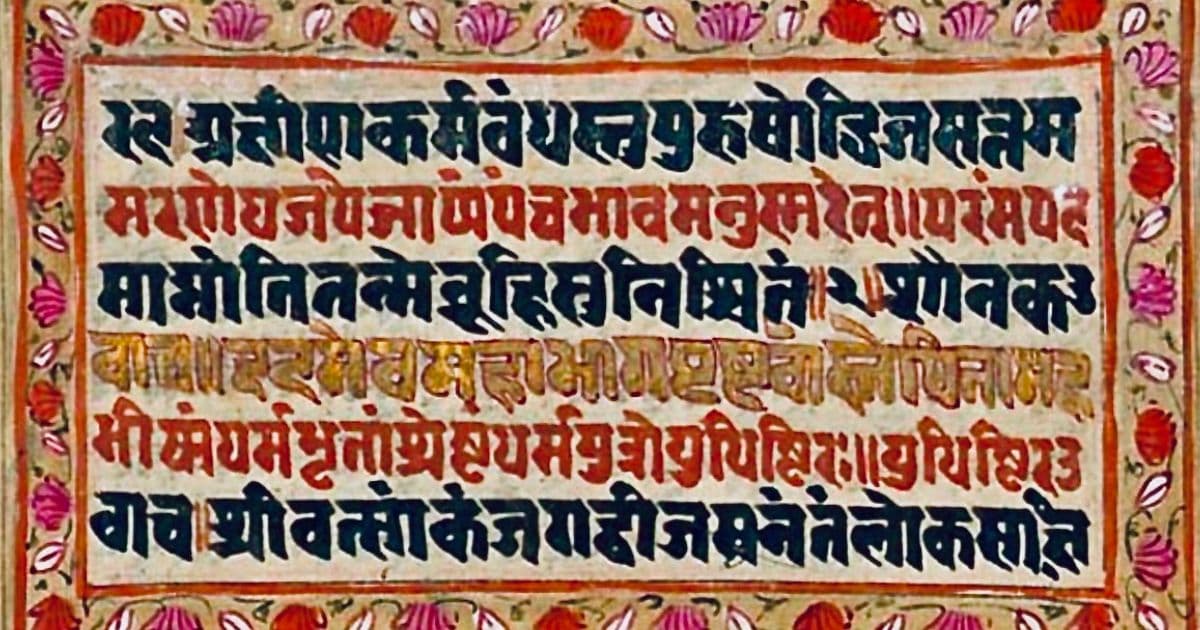
Buddha

The Dhammapada

Aging, Death, and What Really Lasts

Home›Books›The Dhammapada›Chapter 11
Back to The Dhammapada
4 min read•The Dhammapada•Chapter 11 of 26

What You'll Learn

How to face aging and mortality with wisdom instead of denial

Why investing in character development matters more than physical preservation

How to distinguish between what decays and what endures in life

Previous
11 of 26
Next

Summary

Buddha confronts one of humanity's most uncomfortable truths: everything physical deteriorates, including our bodies. He asks why we laugh and celebrate when we're surrounded by the reality of decay and death, comparing our situation to people partying in a burning building. The chapter paints a stark picture of the human body as a fragile collection of bones, flesh, and blood that inevitably breaks down. Buddha describes how even the most magnificent things—royal chariots, strong bodies—all crumble with time. But here's the crucial insight: while everything physical decays, virtue and wisdom don't. The good qualities we develop in ourselves actually grow stronger and more valuable as we age. Buddha uses powerful metaphors to drive home his point: a person who doesn't develop wisdom is like an ox that grows bigger but not smarter, or like old herons starving in a fishless lake. The most striking verses describe Buddha's own spiritual breakthrough—he's found the 'maker of the tabernacle' (the source of suffering) and broken free from the cycle of rebirth and desire. The chapter serves as both a reality check and a call to action: since physical things don't last, we should invest our energy in developing character, wisdom, and virtue. These are the only things that don't deteriorate with age. For working people facing their own aging, health challenges, or mortality fears, this chapter offers a framework for focusing on what truly matters and what we can actually control.

Coming Up in Chapter 12

After examining what decays and what endures, Buddha turns inward to explore the most important relationship of all—the one you have with yourself. The next chapter reveals how self-mastery becomes the foundation for everything else.

Share it with friends

Previous ChapterNext Chapter
GO ADS FREE — JOIN US

An excerpt from the original text.(complete · 298 words)

O

ld Age

146. How is there laughter, how is there joy, as this world is always
burning? Why do you not seek a light, ye who are surrounded by darkness?

147. Look at this dressed-up lump, covered with wounds, joined together,
sickly, full of many thoughts, which has no strength, no hold!

148. This body is wasted, full of sickness, and frail; this heap of
corruption breaks to pieces, life indeed ends in death.

149. Those white bones, like gourds thrown away in the autumn, what
pleasure is there in looking at them?

150. After a stronghold has been made of the bones, it is covered with
flesh and blood, and there dwell in it old age and death, pride and
deceit.

151. The brilliant chariots of kings are destroyed, the body also
approaches destruction, but the virtue of good people never approaches
destruction,--thus do the good say to the good.

152. A man who has learnt little, grows old like an ox; his flesh grows,
but his knowledge does not grow.

153, 154. Looking for the maker of this tabernacle, I shall have to run
through a course of many births, so long as I do not find (him); and
painful is birth again and again. But now, maker of the tabernacle, thou
hast been seen; thou shalt not make up this tabernacle again. All thy
rafters are broken, thy ridge-pole is sundered; the mind, approaching
the Eternal (visankhara, nirvana), has attained to the extinction of all
desires.

155. Men who have not observed proper discipline, and have not gained
treasure in their youth, perish like old herons in a lake without fish.

156. Men who have not observed proper discipline, and have not gained
treasure in their youth, lie, like broken bows, sighing after the past.

Master this chapter. Complete your experience

Purchase the complete book to access all chapters and support classic literature

Read Free on GutenbergBuy at Powell'sBuy on Amazon

As an Amazon Associate, we earn a small commission from qualifying purchases at no additional cost to you.

Available in paperback, hardcover, and e-book formats

GO ADS FREE — JOIN US

Intelligence Amplifier™ Analysis

Pattern: The Misplaced Investment Pattern

The Road of Misplaced Investment - Why We Chase What Fades

Buddha reveals a fundamental human pattern: we invest our precious time and energy in things that inevitably deteriorate while neglecting what actually grows stronger. It's like spending your entire paycheck on a car that's already rusting instead of building skills that make you more valuable. This pattern operates through misdirected focus. We see immediate, tangible results from physical investments—the gym body, the perfect house, the impressive wardrobe—so we pour ourselves into maintaining appearances. Meanwhile, character development feels abstract and slow. We can't Instagram our patience or get likes for our integrity. So we chase the visible decay while our invisible assets atrophy. Buddha calls this 'laughing while surrounded by fire'—celebrating temporary gains while ignoring the fundamental problem. This exact pattern dominates modern life. At work, people spend years perfecting their image while neglecting actual competence, then wonder why they get passed over. In healthcare, patients focus obsessively on cosmetic fixes while ignoring preventive habits that build long-term resilience. In relationships, couples invest in perfect date nights and social media moments while their communication skills and emotional intelligence remain stuck at teenager level. In parenting, we buy every educational toy but don't develop our own patience and wisdom. When you recognize this pattern, ask yourself: 'What am I building that will be stronger in ten years?' Your body will be weaker, your looks will fade, your stuff will break. But your problem-solving skills, your ability to stay calm under pressure, your capacity to understand people—these grow. Invest daily in wisdom over appearance, character over comfort, skills over stuff. When your back gives out or your job disappears, these invisible assets become your lifeline. The person who spent twenty years developing emotional intelligence and practical wisdom doesn't become obsolete—they become indispensable. When you can name this pattern—misplaced investment—predict where it leads—eventual collapse when the temporary fails—and navigate it successfully by building what lasts—that's amplified intelligence.

Humans consistently invest time and energy in temporary, deteriorating assets while neglecting the development of permanent, appreciating qualities like wisdom and character.

Why This Matters

Connect literature to life

Skill: Distinguishing Investments from Expenses

This chapter teaches how to identify what truly appreciates versus what merely maintains appearances.

Practice This Today

This week, notice when you spend time or money on something—ask yourself: 'Will this make me stronger or just look better?'

GO ADS FREE — JOIN US

Now let's explore the literary elements.

Terms to Know

Tabernacle

Buddha uses this as a metaphor for the human body - a temporary dwelling place for consciousness. The 'maker of the tabernacle' represents the desires and attachments that keep us trapped in cycles of suffering and rebirth.

Modern Usage:

We still talk about our bodies as temporary vessels, like saying 'this old body is breaking down' or referring to death as 'leaving this earthly shell.'

Nirvana

The ultimate goal in Buddhism - complete freedom from suffering, desire, and the cycle of rebirth. It's not a place but a state of perfect peace where all craving has ended.

Modern Usage:

We use 'nirvana' casually to mean any blissful state, like 'this massage is pure nirvana' or 'finding the perfect job was nirvana.'

Cycle of Rebirth

The Buddhist belief that consciousness continues after death, being reborn into new forms based on past actions. Buddha teaches that this cycle continues until one achieves enlightenment.

Modern Usage:

We see this pattern in how people repeat the same mistakes or get stuck in similar toxic relationships - different situations, same underlying patterns.

Impermanence

The fundamental Buddhist teaching that everything physical changes and eventually ends. Nothing material - bodies, possessions, even kingdoms - lasts forever.

Modern Usage:

We experience this daily when technology becomes obsolete, relationships end, or we watch our parents age - everything we think is solid eventually changes.

Virtue

In Buddhism, the good qualities of character like compassion, honesty, and wisdom that actually grow stronger with age, unlike physical things that decay.

Modern Usage:

We see this when elderly people become known for their wisdom and kindness, or when someone's reputation for integrity becomes their most valuable asset.

Stronghold of Bones

Buddha's stark metaphor for the human body - a fortress made of bones, covered with flesh and blood, that houses pride and deception along with consciousness.

Modern Usage:

We use similar imagery when talking about our bodies as 'breaking down' or being 'held together by coffee and willpower.'

Characters in This Chapter

Buddha

Enlightened teacher

The speaker throughout this chapter, sharing his realization about finding the 'maker of the tabernacle' and breaking free from rebirth. He uses his own breakthrough as an example while teaching about aging and impermanence.

Modern Equivalent:

The wise mentor who's been through the struggle and now helps others see what really matters

The Maker of the Tabernacle

Metaphorical antagonist

Represents the force of desire and attachment that keeps building new 'bodies' or forms of suffering. Buddha declares victory over this maker, meaning he's conquered the desires that trap people in cycles of rebirth.

Modern Equivalent:

The inner voice that keeps us chasing the wrong things and making the same mistakes over and over

Key Quotes & Analysis

"How is there laughter, how is there joy, as this world is always burning?"

— Buddha

Context: Buddha opens by questioning why people celebrate when surrounded by the reality of decay and death.

This challenges our tendency to ignore uncomfortable truths about mortality and suffering. Buddha isn't saying joy is wrong, but that ignoring reality while celebrating is like partying in a burning building.

In Today's Words:

How can we just party and pretend everything's fine when the world is falling apart around us?

"A man who has learnt little, grows old like an ox; his flesh grows, but his knowledge does not grow."

— Buddha

Context: Buddha contrasts physical aging with intellectual and spiritual growth.

This powerful metaphor shows how some people just get older without getting wiser. Physical size or age means nothing if we don't develop our minds and character along the way.

In Today's Words:

Some people just get older and bigger but never actually grow up or get smarter.

"The brilliant chariots of kings are destroyed, the body also approaches destruction, but the virtue of good people never approaches destruction."

— Buddha

Context: Buddha contrasts what lasts with what doesn't as he teaches about impermanence.

Even the most impressive material things - royal chariots, strong bodies - all break down eventually. But the good character we build actually gets stronger and more valuable over time.

In Today's Words:

Fancy cars rust, bodies break down, but a good reputation and strong character only get more valuable with age.

"Looking for the maker of this tabernacle, I shall have to run through a course of many births, so long as I do not find him."

— Buddha

Context: Buddha describes his spiritual journey before enlightenment.

This reveals Buddha's long search for the source of suffering and rebirth. The 'maker' represents the desires and attachments that keep creating new forms of suffering in our lives.

In Today's Words:

I kept going through the same patterns and problems over and over until I finally figured out what was really causing them.

Thematic Threads

Mortality

In This Chapter

Buddha forces confrontation with physical decay and death as universal realities that expose our misplaced priorities

Development

Introduced here as the foundation for understanding what truly matters

In Your Life:

You might avoid thinking about aging or death, missing chances to focus on what actually lasts

Wisdom

In This Chapter

Wisdom and virtue are presented as the only assets that appreciate over time, unlike physical possessions or beauty

Development

Introduced here as the antidote to misplaced investment

In Your Life:

You might undervalue developing patience, judgment, or emotional skills because they don't show immediate results

Illusion

In This Chapter

Buddha describes our celebration of temporary things as delusion, like partying in a burning building

Development

Introduced here as the core problem preventing wise choices

In Your Life:

You might chase promotions, purchases, or appearances that feel important but ultimately don't build lasting value

Growth

In This Chapter

True growth means developing character and understanding, not just accumulating size or possessions like the ox that grows bigger but not smarter

Development

Introduced here as the distinction between meaningful and meaningless development

In Your Life:

You might mistake getting older, richer, or more experienced for actually becoming wiser or more capable

Liberation

In This Chapter

Buddha describes breaking free from the cycle of desire and rebirth by finding the 'maker of the tabernacle'

Development

Introduced here as the ultimate goal of recognizing these patterns

In Your Life:

You might feel trapped in cycles of wanting and disappointment without recognizing you can step outside the pattern entirely

You now have the context. Time to form your own thoughts.

Discussion Questions

  1. 1

    Buddha says we're like people laughing and celebrating in a burning house. What's the 'burning house' he's talking about, and why do we keep partying anyway?

    analysis • surface
  2. 2

    Why does Buddha argue that investing in physical things is ultimately pointless, while developing character and wisdom actually pays off long-term?

    analysis • medium
  3. 3

    Think about people you know who are aging well versus those who seem bitter or lost. What patterns do you notice about what they invested their time in over the years?

    application • medium
  4. 4

    If you knew your physical health would start declining in five years, how would you change what you're working on today to prepare for that reality?

    application • deep
  5. 5

    Buddha compares an unwise person to an ox that grows bigger but not smarter. What does this reveal about the difference between accumulating stuff versus developing actual capabilities?

    reflection • deep

Critical Thinking Exercise

10 minutes

Audit Your Investment Portfolio

List everything you spent significant time on last month - work projects, fitness routines, social media, shopping, learning, relationships. Next to each item, write whether it will be stronger, weaker, or gone in ten years. Then calculate what percentage of your time went to things that actually grow stronger with age versus things that decay.

Consider:

  • •Be honest about activities that feel productive but don't actually build lasting capabilities
  • •Consider which relationships and skills will become more valuable as you age
  • •Notice if you're spending more energy maintaining appearances than developing substance

Journaling Prompt

Write about one area where you've been chasing something temporary when you could be building something permanent. What would it look like to shift your daily habits to invest in what lasts?

Coming Up Next...

Chapter 12: Taking Charge of Your Own Life

After examining what decays and what endures, Buddha turns inward to explore the most important relationship of all—the one you have with yourself. The next chapter reveals how self-mastery becomes the foundation for everything else.
Continue to Chapter 12
Previous
The Ripple Effect of Our Actions
Contents
Next
Taking Charge of Your Own Life

Continue Exploring

The Dhammapada Study GuideTeaching ResourcesEssential Life IndexBrowse by ThemeAll Books

You Might Also Like

Meditations cover

Meditations

Marcus Aurelius

Explores personal growth

The Book of Job cover

The Book of Job

Anonymous

Explores suffering & resilience

Letters from a Stoic cover

Letters from a Stoic

Seneca

Explores suffering & resilience

The Bhagavad Gita cover

The Bhagavad Gita

Vyasa

Explores suffering & resilience

Browse all 47+ books

Share This Chapter

Know someone who'd enjoy this? Spread the wisdom!

TwitterFacebookLinkedInEmail

Read ad-free with Prestige

Get rid of ads, unlock study guides and downloads, and support free access for everyone.

Subscribe to PrestigeCreate free account
Intelligence Amplifier
Intelligence Amplifier™Powering Amplified Classics

Exploring human-AI collaboration through books, essays, and philosophical dialogues. Classic literature transformed into navigational maps for modern life.

2025 Books

→ The Amplified Human Spirit→ The Alarming Rise of Stupidity Amplified→ San Francisco: The AI Capital of the World
Visit intelligenceamplifier.org
hello@amplifiedclassics.com

AC Originals

→ The Last Chapter First→ You Are Not Lost→ The Lit of Love→ The Wealth Paradox
Arvintech
arvintechAmplify your Mind
Visit at arvintech.com

Navigate

  • Home
  • Library
  • Essential Life Index
  • How It Works
  • Subscribe
  • Account
  • About
  • Contact
  • Authors
  • Suggest a Book

Made For You

  • Students
  • Educators
  • Families
  • Readers
  • Finding Purpose

Newsletter

Weekly insights from the classics.

Amplify Your Mind

Legal

  • Privacy Policy
  • Terms of Service
  • Cookie Policy
  • Accessibility

Why Public Domain?

We focus on public domain classics because these timeless works belong to everyone. No paywalls, no restrictions—just wisdom that has stood the test of centuries, freely accessible to all readers.

Public domain books have shaped humanity's understanding of love, justice, ambition, and the human condition. By amplifying these works, we help preserve and share literature that truly belongs to the world.

© 2025 Amplified Classics™. All Rights Reserved.

Intelligence Amplifier™ and Amplified Classics™ are proprietary trademarks of Arvin Lioanag.

Copyright Protection: All original content, analyses, discussion questions, pedagogical frameworks, and methodology are protected by U.S. and international copyright law. Unauthorized reproduction, distribution, web scraping, or use for AI training is strictly prohibited. See our Copyright Notice for details.

Disclaimer: The information provided on this website is for general informational and educational purposes only and does not constitute professional, legal, financial, or technical advice. While we strive to ensure accuracy and relevance, we make no warranties regarding completeness, reliability, or suitability. Any reliance on such information is at your own risk. We are not liable for any losses or damages arising from use of this site. By using this site, you agree to these terms.