Amplified ClassicsAmplified Classics
Literature MattersLife IndexEducators
Sign inSign up
The Dhammapada - The Ripple Effect of Our Actions

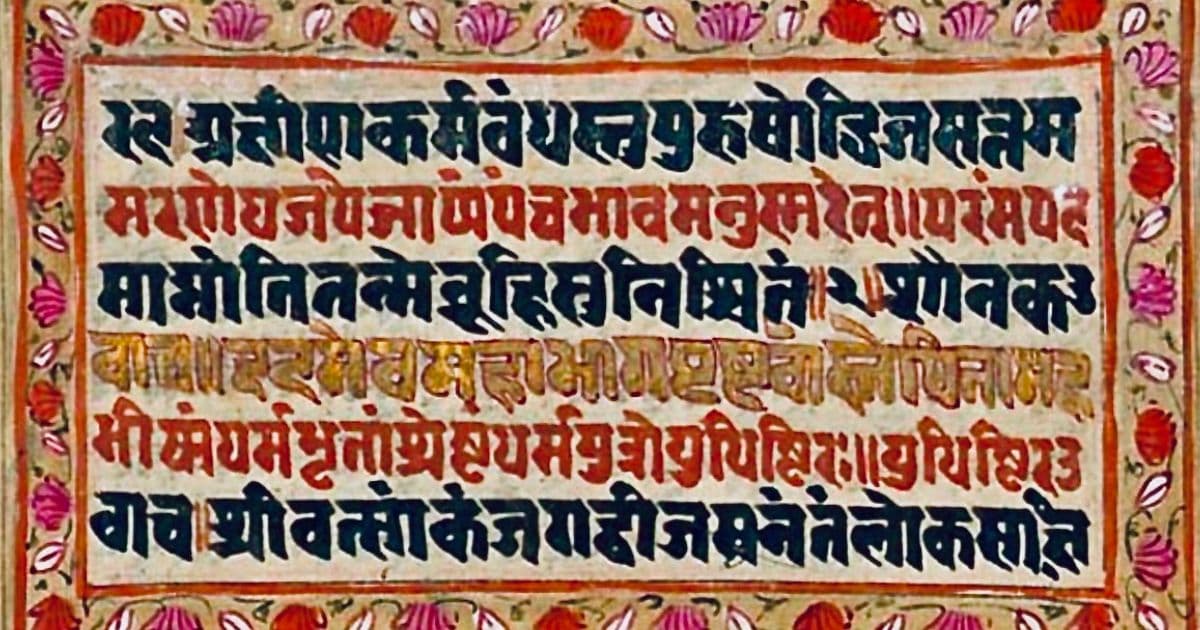
Buddha

The Dhammapada

The Ripple Effect of Our Actions

Home›Books›The Dhammapada›Chapter 10
Back to The Dhammapada
4 min read•The Dhammapada•Chapter 10 of 26

What You'll Learn

How treating others badly always comes back to hurt you

Why angry words create cycles of conflict you can't escape

How to break free from destructive patterns through self-control

Previous
10 of 26
Next

Summary

This chapter cuts straight to the heart of how our actions ripple outward and inevitably circle back to us. Buddha starts with a fundamental truth: everyone fears pain and loves life, just like you do. When you hurt others—whether through violence, harsh words, or cruelty—you're setting in motion forces that will eventually harm you too. It's not mystical karma; it's practical cause and effect. The person who seeks happiness by making others miserable will find themselves miserable. The chapter paints a vivid picture of how this plays out: cruel suffering, loss of relationships, legal troubles, mental anguish, even physical destruction. But Buddha isn't just warning us—he's showing us the way out. The key is learning to stay quiet when provoked, like a broken gong that makes no sound. When someone speaks harshly to you, responding in kind only escalates the conflict. The chapter emphasizes that external rituals—fasting, special clothing, extreme practices—can't purify someone who hasn't learned self-control. True transformation comes from within: being tranquil, restrained, and ceasing to find fault with others. The powerful image of a well-trained horse that doesn't flinch at the whip shows us what real strength looks like—not fighting back against every provocation, but having the discipline to stay focused on what matters. Just as skilled craftspeople shape water, arrows, and wood to their purpose, we can shape ourselves through faith, virtue, energy, and wisdom.

Coming Up in Chapter 11

Having learned about the consequences of our actions, Buddha next turns to the inevitable reality we all face: aging and the passage of time. The next chapter explores how to find meaning and peace as our bodies weaken and our time grows short.

Share it with friends

Previous ChapterNext Chapter
GO ADS FREE — JOIN US

An excerpt from the original text.(complete · 428 words)

P

unishment

129. All men tremble at punishment, all men fear death; remember that
you are like unto them, and do not kill, nor cause slaughter.

130. All men tremble at punishment, all men love life; remember that
thou art like unto them, and do not kill, nor cause slaughter.

131. He who seeking his own happiness punishes or kills beings who also
long for happiness, will not find happiness after death.

132. He who seeking his own happiness does not punish or kill beings who
also long for happiness, will find happiness after death.

133. Do not speak harshly to anybody; those who are spoken to will
answer thee in the same way. Angry speech is painful, blows for blows
will touch thee.

134. If, like a shattered metal plate (gong), thou utter not, then thou
hast reached Nirvana; contention is not known to thee.

135. As a cowherd with his staff drives his cows into the stable, so do
Age and Death drive the life of men.

136. A fool does not know when he commits his evil deeds: but the wicked
man burns by his own deeds, as if burnt by fire.

137. He who inflicts pain on innocent and harmless persons, will soon
come to one of these ten states:

138. He will have cruel suffering, loss, injury of the body, heavy
affliction, or loss of mind,

139. Or a misfortune coming from the king, or a fearful accusation, or
loss of relations, or destruction of treasures,

140. Or lightning-fire will burn his houses; and when his body is
destroyed, the fool will go to hell.

141. Not nakedness, not platted hair, not dirt, not fasting, or lying on
the earth, not rubbing with dust, not sitting motionless, can purify a
mortal who has not overcome desires.

142. He who, though dressed in fine apparel, exercises tranquillity, is
quiet, subdued, restrained, chaste, and has ceased to find fault with
all other beings, he indeed is a Brahmana, an ascetic (sramana), a friar
(bhikshu).

143. Is there in this world any man so restrained by humility that he
does not mind reproof, as a well-trained horse the whip?

144. Like a well-trained horse when touched by the whip, be ye active
and lively, and by faith, by virtue, by energy, by meditation, by
discernment of the law you will overcome this great pain (of reproof),
perfect in knowledge and in behaviour, and never forgetful.

145. Well-makers lead the water (wherever they like); fletchers bend the
arrow; carpenters bend a log of wood; good people fashion themselves.

Master this chapter. Complete your experience

Purchase the complete book to access all chapters and support classic literature

Read Free on GutenbergBuy at Powell'sBuy on Amazon

As an Amazon Associate, we earn a small commission from qualifying purchases at no additional cost to you.

Available in paperback, hardcover, and e-book formats

GO ADS FREE — JOIN US

Intelligence Amplifier™ Analysis

Pattern: Reactive Escalation Loop

The Road of Reactive Escalation

This chapter reveals a fundamental pattern: when we react to aggression with more aggression, we create escalating cycles that ultimately destroy us. Buddha shows us that everyone fears pain and values their life—including those who hurt us. When someone lashes out, they're often acting from their own pain or fear. But here's the trap: responding with equal force doesn't solve anything. It amplifies the conflict. The mechanism is simple but devastating. Person A hurts Person B. Person B retaliates. Person A escalates. Soon both are locked in a destructive cycle where the original issue is forgotten, but the damage keeps mounting. Buddha compares this to a broken gong—the wise person learns to stay silent when struck, making no sound that can be used against them. The person who seeks happiness through making others miserable will find themselves increasingly isolated and targeted. This pattern is everywhere in modern life. At work, the coworker who responds to every criticism with defensive attacks eventually gets labeled as 'difficult' and passed over for promotions. In healthcare, the nurse who snaps back at every rude patient creates a hostile environment that makes everyone's job harder. In families, parents who yell back at disrespectful teenagers often find the behavior escalating rather than improving. On social media, people who engage with every troll end up consumed by online drama while their real goals suffer. The navigation strategy is counter-intuitive but powerful: learn the discipline of non-reaction. When someone provokes you, pause and ask: 'What outcome do I actually want here?' Usually, it's not to 'win' the argument—it's to solve a problem, maintain a relationship, or protect your peace. Like the well-trained horse that doesn't flinch at the whip, develop the strength to stay focused on your true goals rather than getting pulled into every conflict. This doesn't mean being passive—it means choosing your battles strategically. When you can recognize the reactive escalation pattern, predict where it leads (mutual destruction), and choose restraint instead—that's amplified intelligence working for you.

When we respond to aggression with more aggression, we create destructive cycles that harm everyone involved.

Why This Matters

Connect literature to life

Skill: Breaking Reactive Cycles

This chapter teaches how to recognize when our natural impulse to fight back will actually make our situation worse.

Practice This Today

This week, notice when someone provokes you and pause to ask: 'What outcome do I actually want here?' before responding.

GO ADS FREE — JOIN US

Now let's explore the literary elements.

Terms to Know

Nirvana

The state of perfect peace and freedom from suffering that comes when you stop reacting to every provocation. It's not about becoming emotionless, but about gaining enough self-control that you don't get pulled into every conflict or drama around you.

Modern Usage:

We see this when someone stays calm during a heated argument or doesn't take the bait when someone tries to start drama on social media.

Karma

The practical principle that your actions create consequences that eventually come back to affect you. It's not mystical punishment from the universe, but the natural result of how treating people badly damages your relationships, reputation, and peace of mind.

Modern Usage:

When someone who's always gossiping finds themselves isolated because no one trusts them, or when a bully at work eventually gets fired for creating a toxic environment.

Ascetic practices

Extreme religious behaviors like fasting, wearing special clothes, or performing rituals that people think will make them spiritually pure. Buddha argues these external actions are meaningless if you haven't learned basic self-control and kindness.

Modern Usage:

Like people who post constantly about their meditation practice or expensive wellness retreats but still treat service workers rudely.

Brahmana

Originally the highest caste in ancient Indian society, traditionally priests and teachers. Buddha redefines this term to mean anyone who has achieved true wisdom and self-control, regardless of their birth or social status.

Modern Usage:

Similar to how we might say someone has 'class' or is 'well-bred' based on how they behave, not their family background or bank account.

Contention

Constant arguing, fighting, and conflict that comes from always needing to have the last word or prove you're right. Buddha suggests that true peace comes from knowing when to stay silent and not engage in every battle.

Modern Usage:

The person who can't scroll past a Facebook argument without jumping in, or who always has to correct everyone's grammar in group texts.

Retribution

The inevitable consequences that follow harmful actions, often taking forms like damaged relationships, legal troubles, health problems, or social isolation. It's not divine punishment but natural cause and effect.

Modern Usage:

When someone who cheats on their taxes gets audited, or when a manager who bullies employees finds their whole team quitting.

Characters in This Chapter

The Fool

Cautionary example

Represents someone who causes harm without understanding the consequences they're setting in motion. They commit evil deeds but don't realize they're creating their own future suffering until it's too late.

Modern Equivalent:

The person who burns bridges at every job and can't figure out why they keep getting fired

The Wicked Man

Warning figure

Shows how destructive actions consume the person doing them, like being burned by fire. He seeks happiness by making others miserable but only creates his own torment.

Modern Equivalent:

The toxic family member who spreads drama at every gathering and wonders why no one wants them around

The Well-Trained Horse

Positive example

Symbolizes someone who has developed such self-discipline that they don't react to provocation or pain. They stay focused on their purpose regardless of external pressures.

Modern Equivalent:

The coworker who stays professional even when dealing with difficult customers or unreasonable bosses

The True Brahmana

Ideal figure

Represents someone who has achieved genuine wisdom and peace through self-control, not through birth or religious rituals. They've learned to stop finding fault and live without anger.

Modern Equivalent:

The person everyone respects because they're genuinely kind and wise, regardless of their education or background

Key Quotes & Analysis

"All men tremble at punishment, all men fear death; remember that you are like unto them, and do not kill, nor cause slaughter."

— Buddha

Context: Opening the chapter with a fundamental truth about human nature

This establishes the golden rule from a place of shared vulnerability. Everyone fears pain and death, so causing harm to others is really causing harm to beings just like yourself. It's an appeal to empathy based on our common humanity.

In Today's Words:

Everyone's afraid of getting hurt or dying, just like you are, so don't hurt other people.

"Do not speak harshly to anybody; those who are spoken to will answer thee in the same way. Angry speech is painful, blows for blows will touch thee."

— Buddha

Context: Warning about how verbal aggression escalates conflicts

This reveals the practical mechanics of how conflicts spiral out of control. When you attack someone verbally, they naturally defend themselves by attacking back, creating an endless cycle of hurt that ultimately harms everyone involved.

In Today's Words:

Don't talk trash to people because they'll talk trash right back to you, and then you're both just hurting each other.

"If, like a shattered metal plate, thou utter not, then thou hast reached Nirvana; contention is not known to thee."

— Buddha

Context: Describing the peace that comes from not reacting to provocation

The broken gong image is powerful because it shows strength through silence. A damaged gong can't make noise, but here that's presented as an achievement. True peace comes from not needing to respond to every challenge or insult.

In Today's Words:

When you can stay quiet like a broken bell that doesn't ring, you've found real peace because you're not getting pulled into every fight.

Thematic Threads

Self-Control

In This Chapter

Buddha emphasizes restraint and non-reaction as signs of true strength, like a well-trained horse or silent gong

Development

Builds on earlier chapters about disciplining the mind and controlling desires

In Your Life:

You might need this when dealing with difficult patients, argumentative family members, or workplace conflicts

Cause and Effect

In This Chapter

Actions create consequences that inevitably return to affect the actor—violence breeds violence, kindness breeds kindness

Development

Deepens the karma concept from previous chapters with more concrete examples

In Your Life:

You see this when workplace gossip comes back to hurt the gossiper, or when helping others creates a supportive network

Authentic vs Performative

In This Chapter

External rituals and extreme practices cannot purify someone who lacks inner discipline and self-control

Development

Continues the theme of inner transformation being more important than outward appearances

In Your Life:

You might recognize this in people who talk about values but don't live them, or in your own tendency to focus on image over substance

Universal Humanity

In This Chapter

Everyone fears pain and loves life—recognizing this shared humanity should guide how we treat others

Development

Introduced here as foundation for compassionate behavior

In Your Life:

You can use this perspective when dealing with difficult people by remembering they have the same basic needs and fears you do

Strategic Silence

In This Chapter

Knowing when not to respond is presented as a form of wisdom and strength, not weakness

Development

New concept that reframes non-engagement as active choice rather than passive submission

In Your Life:

You might apply this when choosing not to engage with social media arguments or family drama that won't lead anywhere productive

You now have the context. Time to form your own thoughts.

Discussion Questions

  1. 1

    Buddha says everyone fears pain and loves life, just like you do. How does this basic truth change how you think about people who hurt you?

    analysis • surface
  2. 2

    Why does Buddha compare the wise person to a broken gong that makes no sound when struck? What happens when you do 'make sound' in conflicts?

    analysis • medium
  3. 3

    Think about your workplace, family, or social media. Where do you see the pattern of 'responding to aggression with more aggression' creating bigger problems?

    application • medium
  4. 4

    Buddha describes a well-trained horse that doesn't flinch at the whip. How would you develop this kind of discipline in your own life when people provoke you?

    application • deep
  5. 5

    Why do you think Buddha emphasizes that external rituals can't purify someone who lacks self-control? What does this reveal about where real change comes from?

    reflection • deep

Critical Thinking Exercise

10 minutes

Track the Escalation Pattern

Think of a recent conflict you witnessed or experienced - at work, in your family, or online. Map out how it started and escalated. Write down each action and reaction, like a play-by-play. Then identify the exact moment where someone could have broken the cycle by choosing not to react.

Consider:

  • •Look for the original trigger versus what the fight actually became about
  • •Notice how each person's reaction made the other person more defensive or angry
  • •Consider what each person really wanted versus what they were fighting about

Journaling Prompt

Write about a time when you successfully stayed calm during a conflict. What helped you do that? How did it change the outcome compared to times when you reacted immediately?

Coming Up Next...

Chapter 11: Aging, Death, and What Really Lasts

Having learned about the consequences of our actions, Buddha next turns to the inevitable reality we all face: aging and the passage of time. The next chapter explores how to find meaning and peace as our bodies weaken and our time grows short.

Continue to Chapter 11
Previous
The Ripple Effect of Our Choices
Contents
Next
Aging, Death, and What Really Lasts

Continue Exploring

The Dhammapada Study GuideTeaching ResourcesEssential Life IndexBrowse by ThemeAll Books

You Might Also Like

Meditations cover

Meditations

Marcus Aurelius

Explores personal growth

The Book of Job cover

The Book of Job

Anonymous

Explores suffering & resilience

Letters from a Stoic cover

Letters from a Stoic

Seneca

Explores suffering & resilience

The Bhagavad Gita cover

The Bhagavad Gita

Vyasa

Explores suffering & resilience

Browse all 47+ books

Share This Chapter

Know someone who'd enjoy this? Spread the wisdom!

TwitterFacebookLinkedInEmail

Read ad-free with Prestige

Get rid of ads, unlock study guides and downloads, and support free access for everyone.

Subscribe to PrestigeCreate free account
Intelligence Amplifier
Intelligence Amplifier™Powering Amplified Classics

Exploring human-AI collaboration through books, essays, and philosophical dialogues. Classic literature transformed into navigational maps for modern life.

2025 Books

→ The Amplified Human Spirit→ The Alarming Rise of Stupidity Amplified→ San Francisco: The AI Capital of the World
Visit intelligenceamplifier.org
hello@amplifiedclassics.com

AC Originals

→ The Last Chapter First→ You Are Not Lost→ The Lit of Love→ The Wealth Paradox
Arvintech
arvintechAmplify your Mind
Visit at arvintech.com

Navigate

  • Home
  • Library
  • Essential Life Index
  • How It Works
  • Subscribe
  • Account
  • About
  • Contact
  • Authors
  • Suggest a Book

Made For You

  • Students
  • Educators
  • Families
  • Readers
  • Finding Purpose

Newsletter

Weekly insights from the classics.

Amplify Your Mind

Legal

  • Privacy Policy
  • Terms of Service
  • Cookie Policy
  • Accessibility

Why Public Domain?

We focus on public domain classics because these timeless works belong to everyone. No paywalls, no restrictions—just wisdom that has stood the test of centuries, freely accessible to all readers.

Public domain books have shaped humanity's understanding of love, justice, ambition, and the human condition. By amplifying these works, we help preserve and share literature that truly belongs to the world.

© 2025 Amplified Classics™. All Rights Reserved.

Intelligence Amplifier™ and Amplified Classics™ are proprietary trademarks of Arvin Lioanag.

Copyright Protection: All original content, analyses, discussion questions, pedagogical frameworks, and methodology are protected by U.S. and international copyright law. Unauthorized reproduction, distribution, web scraping, or use for AI training is strictly prohibited. See our Copyright Notice for details.

Disclaimer: The information provided on this website is for general informational and educational purposes only and does not constitute professional, legal, financial, or technical advice. While we strive to ensure accuracy and relevance, we make no warranties regarding completeness, reliability, or suitability. Any reliance on such information is at your own risk. We are not liable for any losses or damages arising from use of this site. By using this site, you agree to these terms.