A chapter overview excerpt.(~195 words)
achiavelli continues his analysis of power and statecraft, examining why leaders must be experts in their core domain. This chapter explores critical lessons for anyone seeking to understand continuous learning, domain expertise, preparation.
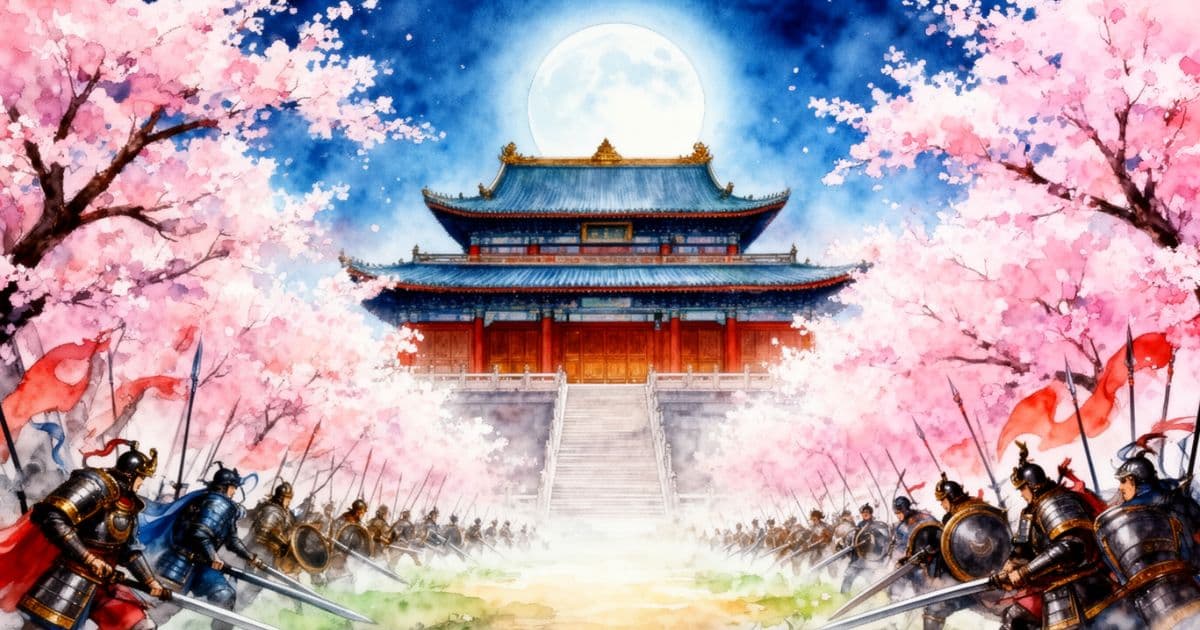
Machiavelli argues that a prince's primary focus must be the art of war, as military expertise forms the foundation of all political power. Rulers who neglect warfare inevitably lose their domains, while those who master it can seize power from humble origins.
He illustrates this through Francesco Sforza, who rose from private citizen to Duke of Milan through military prowess, while Sforza's sons lost everything by avoiding warfare's hardships. Machiavelli insists princes must study war constantly—through action and intellect, examining terrain, understanding logistics, and learning from historical campaigns.
Beyond literal warfare, this means continuous learning and scenario planning. Great leaders study how commanders handled various situations, building mental models for future challenges. This preparation transforms reactive leaders into strategic thinkers who anticipate problems.
For modern leaders, this translates into mastering your industry's fundamentals while staying ahead of competitive threats. The chapter rejects dilettantism in leadership, demanding leaders embrace the difficult work of mastering their craft through disciplined preparation and deep domain knowledge.
Master this chapter. Complete your experience
Purchase the complete book to access all chapters and support classic literature
As an Amazon Associate, we earn a small commission from qualifying purchases at no additional cost to you.
Available in paperback, hardcover, and e-book formats
Let's Analyse the Pattern
Recognizing and navigating continuous learning, domain expertise, preparation
Why This Matters
Connect literature to life
Why leaders must be experts in their core domain
Practice This Today
Observe how continuous learning, domain expertise, preparation operate in your workplace and relationships.
Now let's explore the literary elements.
Key Quotes & Analysis
"A wise prince must examine these matters carefully, for why leaders must be experts in their core domain."
Context: Discussing mastering your craft
Machiavelli emphasizes the importance of understanding continuous learning, domain expertise, preparation.
In Today's Words:
Smart leaders pay attention to continuous learning, domain expertise, preparation.
Thematic Threads
Mastering Your Craft
In This Chapter
Machiavelli explores why leaders must be experts in their core domain
Development
This theme connects to the broader analysis of power throughout the work
In Your Life:
Consider how continuous learning, domain expertise, preparation appear in your own professional environment
You now have the context. Time to form your own thoughts.
Discussion Questions
- 1
How does mastering your craft appear in modern organizations?
analysis • medium - 2
Think of a time when understanding continuous learning, domain expertise, preparation would have helped you navigate a difficult situation.
reflection • deep
Critical Thinking Exercise
Applying Mastering Your Craft
Analyze a current challenge in your professional life through the lens of why leaders must be experts in their core domain.
Consider:
- •How does mastering your craft affect your situation?
- •What strategic options does understanding continuous learning, domain expertise, preparation reveal?
Journaling Prompt
How might a deeper understanding of continuous learning, domain expertise, preparation change your approach to leadership?
Coming Up Next...
Chapter 15: The Gap Between How Leaders Are Supposed to Act and How They Must Act
In the next chapter, Machiavelli turns to another crucial aspect of power and leadership...