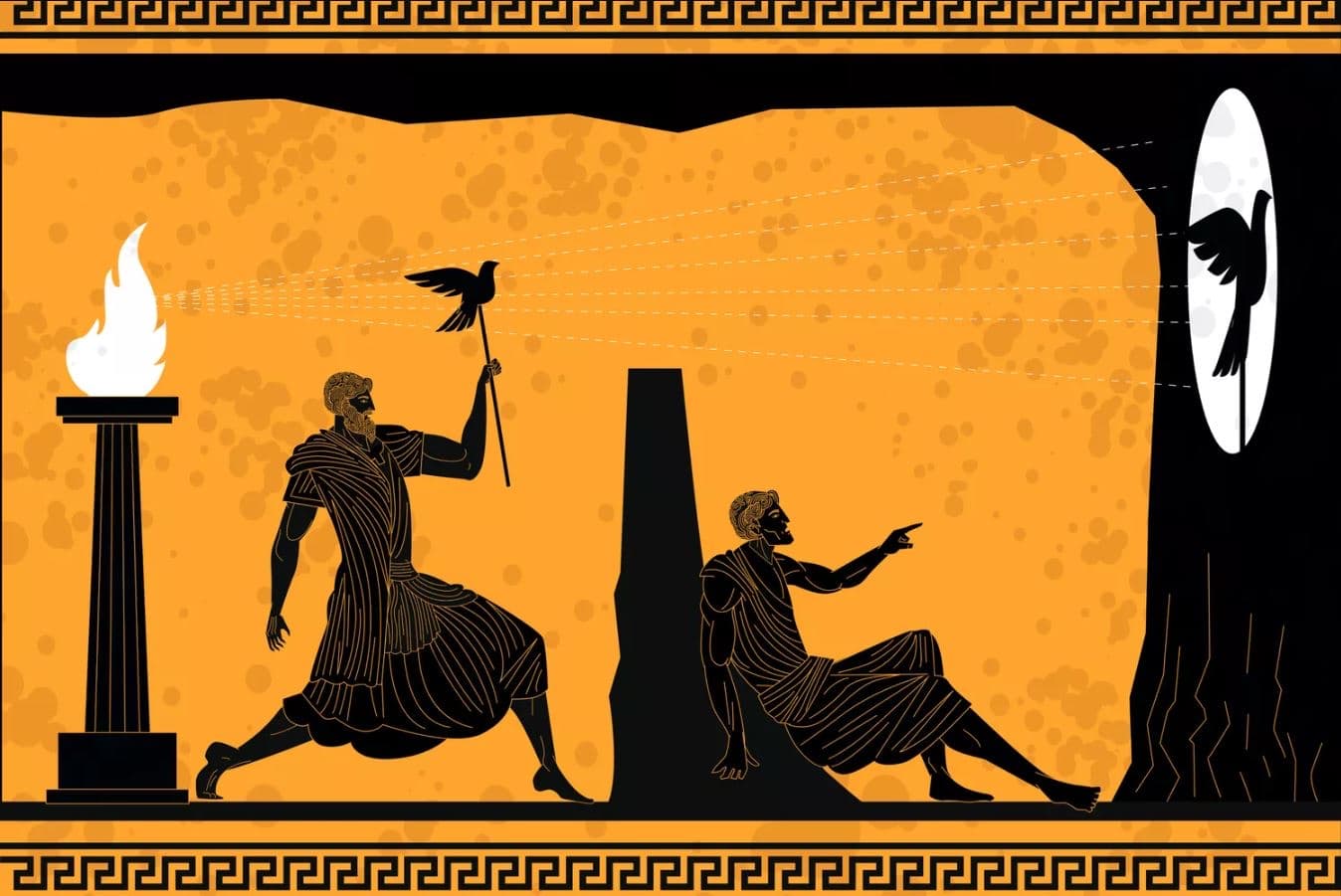
A chapter overview excerpt.(~181 words)
achiavelli continues his analysis of power and statecraft, examining combining external help with internal capability. This chapter explores critical lessons for anyone seeking to understand hybrid teams, strategic partnerships, maintaining control.
n Chapter 13, Machiavelli warns against auxiliary troops—foreign soldiers borrowed from allies—calling them "useless and dangerous." Unlike mercenaries who fight poorly, auxiliaries fight well but serve their true master's interests, not yours. When they lose, you're ruined; when they win, you become their prisoner.
Historical examples include Pope Julius II's reliance on Spanish forces and the Byzantine Emperor's fatal dependence on Turkish auxiliaries. Mixed armies combining your own forces with auxiliaries prove only marginally better, as divided loyalties undermine unity of command.
This principle extends to modern organizational dynamics. Leaders face similar dilemmas when outsourcing critical functions or relying heavily on consultants. Over-dependence creates strategic vulnerability—companies that outsource core competencies often become prisoners of their service providers.
Machiavelli's solution: build internal capability while using external resources strategically and temporarily. Sustainable power requires owning essential capabilities rather than borrowing them, because borrowed power ultimately serves the lender's interests, not your own.
Master this chapter. Complete your experience
Purchase the complete book to access all chapters and support classic literature
As an Amazon Associate, we earn a small commission from qualifying purchases at no additional cost to you.
Available in paperback, hardcover, and e-book formats
Let's Analyse the Pattern
Recognizing and navigating hybrid teams, strategic partnerships, maintaining control
Why This Matters
Connect literature to life
Combining external help with internal capability
Practice This Today
Observe how hybrid teams, strategic partnerships, maintaining control operate in your workplace and relationships.
Now let's explore the literary elements.
Key Quotes & Analysis
"A wise prince must examine these matters carefully, for combining external help with internal capability."
Context: Discussing mixed resources
Machiavelli emphasizes the importance of understanding hybrid teams, strategic partnerships, maintaining control.
In Today's Words:
Smart leaders pay attention to hybrid teams, strategic partnerships, maintaining control.
Thematic Threads
Mixed Resources
In This Chapter
Machiavelli explores combining external help with internal capability
Development
This theme connects to the broader analysis of power throughout the work
In Your Life:
Consider how hybrid teams, strategic partnerships, maintaining control appear in your own professional environment
You now have the context. Time to form your own thoughts.
Discussion Questions
- 1
How does mixed resources appear in modern organizations?
analysis • medium - 2
Think of a time when understanding hybrid teams, strategic partnerships, maintaining control would have helped you navigate a difficult situation.
reflection • deep
Critical Thinking Exercise
Applying Mixed Resources
Analyze a current challenge in your professional life through the lens of combining external help with internal capability.
Consider:
- •How does mixed resources affect your situation?
- •What strategic options does understanding hybrid teams, strategic partnerships, maintaining control reveal?
Journaling Prompt
How might a deeper understanding of hybrid teams, strategic partnerships, maintaining control change your approach to leadership?
Coming Up Next...
Chapter 14: Why War Is the Only Job a Leader Can Never Outsource
In the next chapter, Machiavelli turns to another crucial aspect of power and leadership...