

Amplified ClassicsAmplified Classics
Literature MattersLife IndexEducators
Sign inSign up
The Great Gatsby - Chapter 7

F. Scott Fitzgerald

The Great Gatsby

Chapter 7

Home›Books›The Great Gatsby›Chapter 7
Back to The Great Gatsby
22 min•The Great Gatsby•Chapter 7 of 9

What You'll Learn

How truth destroys illusions

Why the past can never be recaptured

The significance of facing reality

Previous
7 of 9
Next

Summary

Chapter 7

The Great Gatsby by F. Scott Fitzgerald

0:000:00

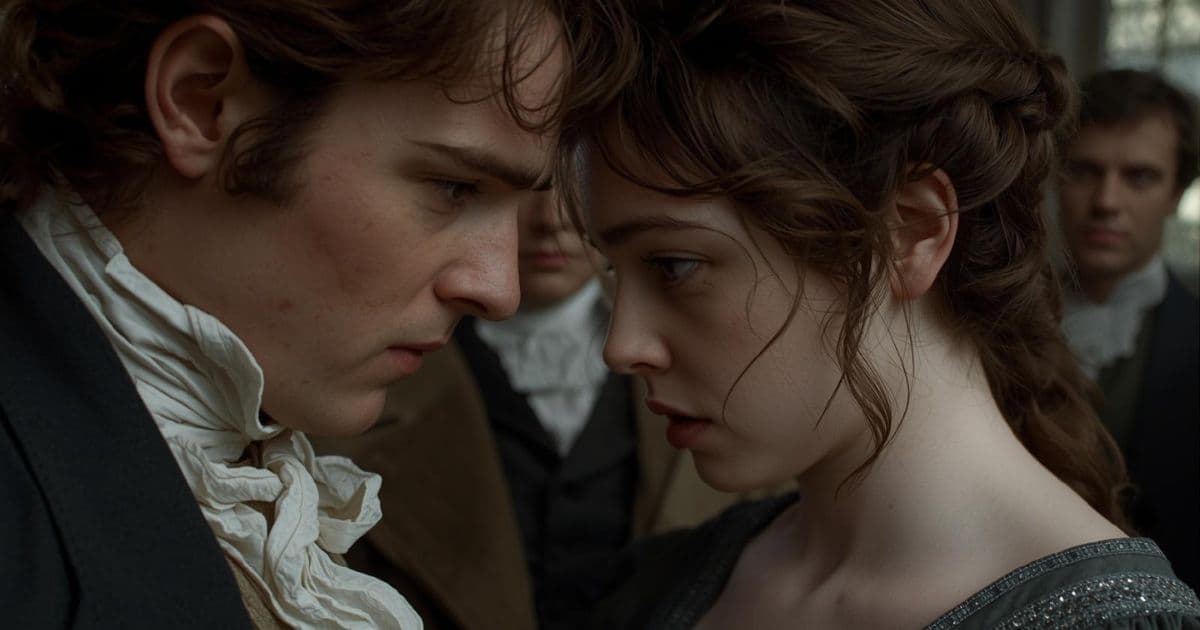
The day of the confrontation arrives. Gatsby, Daisy, Tom, Nick, and Jordan go to New York together. In a hotel room, the truth comes out. Tom reveals Gatsby's criminal past, his bootlegging, his corruption. Daisy is torn between Gatsby and Tom, but ultimately chooses Tom—she chooses security, stability, the known over the unknown. The confrontation reveals the truth—Gatsby's dream is impossible, Daisy can never be his, the past can never be recaptured. On the drive home, Myrtle Wilson runs out into the road, and Daisy, driving Gatsby's car, hits and kills her. The accident is both literal and symbolic—it's the death of Gatsby's dream, the moment when illusion becomes reality, when the past is truly gone forever. The chapter ends with Gatsby watching over Daisy's house, still hoping, still reaching for the green light, but the dream is dead. The truth has destroyed the illusion, and there's no going back.

Coming Up in Chapter 8

The consequences of the accident unfold as Gatsby takes responsibility and the truth about Myrtle's death is revealed.


Share it with friends

Previous ChapterNext Chapter
GO ADS FREE — JOIN US

An excerpt from the original text.(~348 words)

T

was when curiosity about Gatsby was at its highest that the lights in his house failed to go on one Saturday night—and, as obscurely as it had begun, his career as Trimalchio was over. No more parties, no more crowds, no more excitement. Only the green light, the orgastic future that year by year recedes before us. It eluded us then, but that's no matter—tomorrow we will run faster, stretch out our arms farther. . . . And one fine morning— So we beat on, boats against the current, borne back ceaselessly into the past. The day of the confrontation arrives. Gatsby, Daisy, Tom, Nick, and Jordan go to New York together. In a hotel room, the truth comes out. Tom reveals Gatsby's criminal past, his bootlegging, his corruption. Daisy is torn, but ultimately chooses Tom. The confrontation reveals the truth—Gatsby's dream is impossible, Daisy can never be his, the past can never be recaptured. On the drive home, Myrtle Wilson runs out into the road, and Daisy, driving Gatsby's car, hits and kills her. The chapter ends with Gatsby watching over Daisy's house, still hoping, still reaching for the green light, but the dream is dead.

The day of the confrontation arrives. Gatsby, Daisy, Tom, Nick, and Jordan go to New York together. In a hotel room, the truth comes out. Tom reveals Gatsby's criminal past, his bootlegging, his corruption. Daisy is torn between Gatsby and Tom, but ultimately chooses Tom—she chooses security, stability, the known over the unknown. The confrontation reveals the truth—Gatsby's dream is impossible, Daisy can never be his, the past can never be recaptured. On the drive home, Myrtle Wilson runs out into the road, and Daisy, driving Gatsby's car, hits and kills her. The accident is both literal and symbolic—it's the death of Gatsby's dream, the moment when illusion becomes reality, when the past is truly gone forever. The chapter ends with Gatsby watching over Daisy's house, still hoping, still reaching for the green light, but the dream is dead. The truth has destroyed the illusion, and there's no going back.

Master this chapter. Complete your experience

Purchase the complete book to access all chapters and support classic literature

Read Free on GutenbergBuy at Powell'sBuy on Amazon

As an Amazon Associate, we earn a small commission from qualifying purchases at no additional cost to you.

Available in paperback, hardcover, and e-book formats

GO ADS FREE — JOIN US

Intelligence Amplifier™ Analysis

Pattern: The Truth Moment

The Road of Truth and Illusion

The confrontation in the hotel room is the moment when truth destroys illusion. Tom reveals Gatsby's criminal past, Daisy chooses security over love, and Gatsby's dream is revealed as impossible. The Intelligence Amplifier pattern: **The Truth Moment**. When truth confronts illusion, when reality destroys dreams, there's no going back. The confrontation reveals what was always there—Gatsby's corruption, Daisy's shallowness, the impossibility of recapturing the past. Notice how Daisy chooses Tom—not because she loves him, but because he represents security, stability, the known. She chooses the safe choice over the risky one, the present over the past. Gatsby's dream was always impossible because Daisy was never going to choose him—she was always going to choose security. The accident—Myrtle's death—is both literal and symbolic. It's the death of Gatsby's dream, the moment when illusion becomes reality, when the past is truly gone forever. The truth has destroyed the illusion, and there's no going back.

When truth confronts illusion, when reality destroys dreams, there's no going back—the confrontation reveals what was always there

Why This Matters

Connect literature to life

Skill: Facing the Truth Moment

When truth confronts illusion, when reality destroys dreams, there's no going back. The confrontation reveals what was always there.

Practice This Today

Practice recognizing when truth confronts illusion, when reality destroys dreams. The truth moment is powerful—it reveals what was always there, and there's no going back.

Now let's explore the literary elements.

Terms to Know

Confrontation

The moment when truth destroys illusion

Modern Usage:

Like the moment when you have to face reality, when illusions are destroyed, when truth can't be avoided

The Past

The unreachable moment Gatsby has been chasing

Modern Usage:

Like trying to recapture a moment that's gone forever—impossible but compelling

Characters in This Chapter

Jay Gatsby

The challenger, demanding Daisy choose him

Gatsby pushes too hard, insisting Daisy say she never loved Tom. His inability to accept anything less than total victory becomes his undoing.

Modern Equivalent:

Someone who can't accept a partial win—demanding all or nothing and losing everything

Tom Buchanan

The defender of his territory, exposing Gatsby's past

Tom destroys Gatsby by revealing his criminal connections. He fights dirty because he can—old money protects itself.

Modern Equivalent:

Someone who uses their institutional power and connections to crush an outsider threatening their position

Daisy Buchanan

The prize being fought over, ultimately retreating to safety

Daisy can't handle the confrontation and retreats to Tom. Her choice reveals she values security over passion.

Modern Equivalent:

Someone who, when forced to choose between excitement and stability, chooses the safe option

Myrtle Wilson

The tragic casualty, killed by Daisy's recklessness

Myrtle dies running toward what she thinks is Tom's car—chasing wealth that was never coming for her.

Modern Equivalent:

Someone destroyed by chasing a dream that was never meant for them

Key Quotes & Analysis

"So we beat on, boats against the current, borne back ceaselessly into the past."

— Nick

Context: Nick's reflection on Gatsby and the American Dream

This is one of literature's most famous lines. It captures the futility of trying to recapture the past, of fighting against time, of chasing dreams that can never be caught. We're always being pulled back into the past, no matter how hard we try to move forward.

In Today's Words:

We keep trying to move forward, but we're always being pulled back into the past

"Her voice is full of money,' he said suddenly. That was it. I'd never understood before. It was full of money—that was the inexhaustible charm that rose and fell in it, the jingle of it, the cymbals' song of it. . . . High in a white palace the king's daughter, the golden girl. . . ."

— Gatsby

Context: Gatsby realizing what Daisy really represents

Gatsby finally understands what Daisy represents—not love, not the past, but money, status, the unattainable. She's the 'golden girl,' the symbol of everything he can never truly have.

In Today's Words:

She represents money and status, not love—that's what I was really chasing

Thematic Threads

Truth

In This Chapter

The confrontation reveals the truth about Gatsby, Daisy, and their relationship

Development

Truth destroys illusion, reality destroys dreams

In Your Life:

Recognize when truth confronts illusion, when reality destroys dreams—there's no going back

Choice

In This Chapter

Daisy chooses Tom over Gatsby

Development

She chooses security over love, the known over the unknown

In Your Life:

Recognize when people choose security over risk, the known over the unknown—understand what that choice means

You now have the context. Time to form your own thoughts.

Discussion Questions

  1. 1

    Why does Daisy choose Tom over Gatsby? What does this reveal about her character?

    analysis • deep
  2. 2

    What does the accident symbolize? How does it relate to Gatsby's dream?

    reflection • medium
  3. 3

    Have you experienced a truth moment—when reality destroyed a dream?

    application • surface

Critical Thinking Exercise

10 minutes

The Truth Moment Analysis

The confrontation is the moment when truth destroys illusion. Think about when truth has confronted illusion in your life.

Consider:

  • •What happens when truth confronts illusion?
  • •Why is it so difficult to face the truth?
  • •How do you move forward after the truth moment?
  • •What are the signs that you're avoiding the truth?

Journaling Prompt

Write about a time when truth confronted illusion, when reality destroyed a dream. How did you move forward?

Coming Up Next...

Chapter 8

The consequences of the accident unfold as Gatsby takes responsibility and the truth about Myrtle's death is revealed.
Continue to Chapter 8
Previous
Chapter 6
Contents
Next
Chapter 8

Continue Exploring

The Great Gatsby Study GuideTeaching ResourcesEssential Life IndexBrowse by ThemeAll Books
Social Class & StatusLove & RelationshipsIdentity & Self-Discovery

You Might Also Like

Great Expectations cover

Great Expectations

Charles Dickens

Explores society & class

Ulysses cover

Ulysses

James Joyce

Explores identity & self

Pride and Prejudice cover

Pride and Prejudice

Jane Austen

Explores society & class

Jane Eyre cover

Jane Eyre

Charlotte Brontë

Explores love & romance

Browse all 47+ books

Share This Chapter

Know someone who'd enjoy this? Spread the wisdom!

TwitterFacebookLinkedInEmail

Read ad-free with Prestige

Get rid of ads, unlock study guides and downloads, and support free access for everyone.

Subscribe to PrestigeCreate free account
Intelligence Amplifier
Intelligence Amplifier™Powering Amplified Classics

Exploring human-AI collaboration through books, essays, and philosophical dialogues. Classic literature transformed into navigational maps for modern life.

2025 Books

→ The Amplified Human Spirit→ The Alarming Rise of Stupidity Amplified→ San Francisco: The AI Capital of the World
Visit intelligenceamplifier.org
hello@amplifiedclassics.com

AC Originals

→ The Last Chapter First→ You Are Not Lost→ The Lit of Love→ The Wealth Paradox
Arvintech
arvintechAmplify your Mind
Visit at arvintech.com

Navigate

  • Home
  • Library
  • Essential Life Index
  • How It Works
  • Subscribe
  • Account
  • About
  • Contact
  • Authors
  • Suggest a Book

Made For You

  • Students
  • Educators
  • Families
  • Readers
  • Finding Purpose

Newsletter

Weekly insights from the classics.

Amplify Your Mind

Legal

  • Privacy Policy
  • Terms of Service
  • Cookie Policy
  • Accessibility

Why Public Domain?

We focus on public domain classics because these timeless works belong to everyone. No paywalls, no restrictions—just wisdom that has stood the test of centuries, freely accessible to all readers.

Public domain books have shaped humanity's understanding of love, justice, ambition, and the human condition. By amplifying these works, we help preserve and share literature that truly belongs to the world.

© 2025 Amplified Classics™. All Rights Reserved.

Intelligence Amplifier™ and Amplified Classics™ are proprietary trademarks of Arvin Lioanag.

Copyright Protection: All original content, analyses, discussion questions, pedagogical frameworks, and methodology are protected by U.S. and international copyright law. Unauthorized reproduction, distribution, web scraping, or use for AI training is strictly prohibited. See our Copyright Notice for details.

Disclaimer: The information provided on this website is for general informational and educational purposes only and does not constitute professional, legal, financial, or technical advice. While we strive to ensure accuracy and relevance, we make no warranties regarding completeness, reliability, or suitability. Any reliance on such information is at your own risk. We are not liable for any losses or damages arising from use of this site. By using this site, you agree to these terms.
