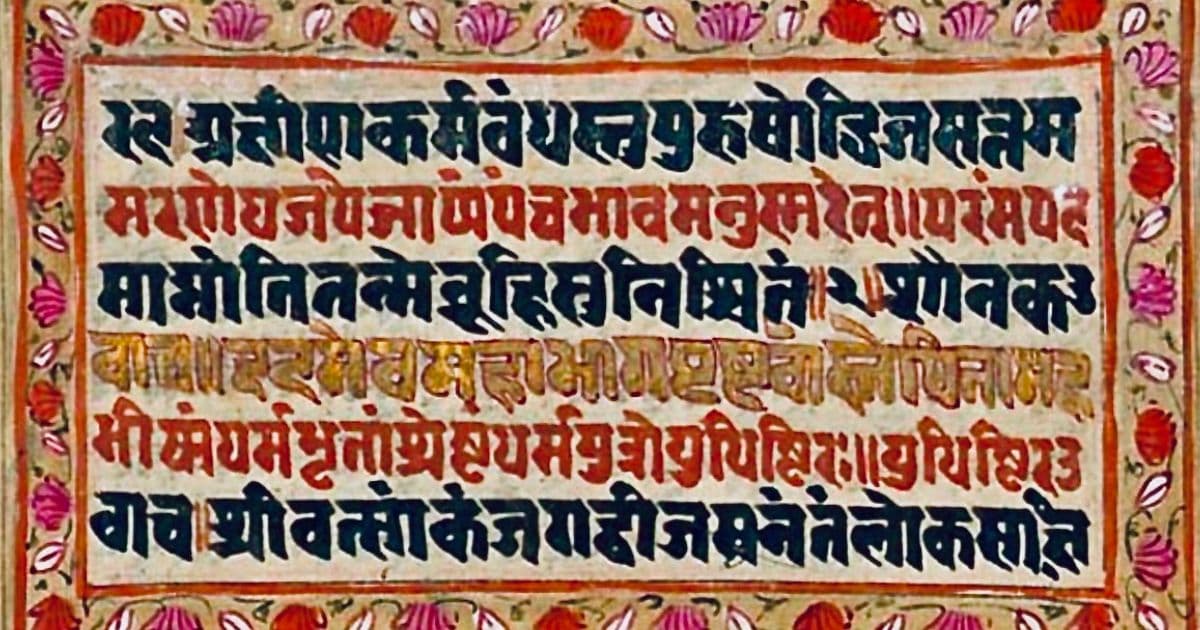
An excerpt from the original text.(complete · 452 words)
20:029:001 e, that being often reproved hardeneth his neck, shall
suddenly be destroyed, and that without remedy.
20:029:002 When the righteous are in authority, the people rejoice: but
when the wicked beareth rule, the people mourn.
20:029:003 Whoso loveth wisdom rejoiceth his father: but he that keepeth
company with harlots spendeth his substance.
20:029:004 The king by judgment establisheth the land: but he that
receiveth gifts overthroweth it.
20:029:005 A man that flattereth his neighbour spreadeth a net for his
feet.
20:029:006 In the transgression of an evil man there is a snare: but the
righteous doth sing and rejoice.
20:029:007 The righteous considereth the cause of the poor: but the
wicked regardeth not to know it.
20:029:008 Scornful men bring a city into a snare: but wise men turn away
wrath.
20:029:009 If a wise man contendeth with a foolish man, whether he rage
or laugh, there is no rest.
20:029:010 The bloodthirsty hate the upright: but the just seek his soul.
20:029:011 A fool uttereth all his mind: but a wise man keepeth it in
till afterwards.
20:029:012 If a ruler hearken to lies, all his servants are wicked.
20:029:013 The poor and the deceitful man meet together: the LORD
lighteneth both their eyes.
20:029:014 The king that faithfully judgeth the poor, his throne shall be
established for ever.
20:029:015 The rod and reproof give wisdom: but a child left to himself
bringeth his mother to shame.
20:029:016 When the wicked are multiplied, transgression increaseth: but
the righteous shall see their fall.
20:029:017 Correct thy son, and he shall give thee rest; yea, he shall
give delight unto thy soul.
20:029:018 Where there is no vision, the people perish: but he that
keepeth the law, happy is he.
20:029:019 A servant will not be corrected by words: for though he
understand he will not answer.
20:029:020 Seest thou a man that is hasty in his words? there is more
hope of a fool than of him.
20:029:021 He that delicately bringeth up his servant from a child shall
have him become his son at the length.
20:029:022 An angry man stirreth up strife, and a furious man aboundeth
in transgression.
20:029:023 A man's pride shall bring him low: but honour shall uphold the
humble in spirit.
20:029:024 Whoso is partner with a thief hateth his own soul: he heareth
cursing, and bewrayeth it not.
20:029:025 The fear of man bringeth a snare: but whoso putteth his trust
in the LORD shall be safe.
20:029:026 Many seek the ruler's favour; but every man's judgment cometh
from the LORD.
20:029:027 An unjust man is an abomination to the just: and he that is
upright in the way is abomination to the wicked.
Master this chapter. Complete your experience
Purchase the complete book to access all chapters and support classic literature
As an Amazon Associate, we earn a small commission from qualifying purchases at no additional cost to you.
Available in paperback, hardcover, and e-book formats
Let's Analyse the Pattern
The Feedback Resistance Spiral
People who consistently reject correction become increasingly disconnected from reality until they make catastrophic decisions that destroy them.
Why This Matters
Connect literature to life
This chapter teaches how to identify when authority figures are becoming dangerous through their relationship with feedback and criticism.
Practice This Today
This week, notice how supervisors, managers, or family leaders respond when someone disagrees with them or offers suggestions—their reaction tells you everything about future stability.
Now let's explore the literary elements.
Key Quotes & Analysis
"He, that being often reproved hardeneth his neck, shall suddenly be destroyed, and that without remedy."
Context: Opening warning about people who refuse correction
This sets the tone for the entire chapter about consequences of pride and stubbornness. Solomon warns that people who consistently reject feedback are heading for a crash that can't be prevented or fixed.
In Today's Words:
Someone who keeps ignoring good advice will eventually face consequences that can't be undone.
"When the righteous are in authority, the people rejoice: but when the wicked beareth rule, the people mourn."
Context: Describing the impact of different types of leadership
This captures how leadership affects everyone under it. Good leaders create hope and positive energy, while corrupt leaders drain morale and create suffering for those they're supposed to serve.
In Today's Words:
Good bosses make everyone happier; bad bosses make everyone miserable.
"Where there is no vision, the people perish."
Context: Warning about lack of direction and purpose
One of the most famous verses in Proverbs, emphasizing that groups need clear direction and shared purpose to thrive. Without guidance, people become lost and communities fall apart.
In Today's Words:
When there's no clear direction or purpose, everything falls apart.
"A fool uttereth all his mind: but a wise man keepeth it in till afterwards."
Context: Contrasting wise and foolish communication
This highlights the importance of restraint and timing in communication. Wise people think before they speak and choose their moments, while fools say everything immediately without consideration.
In Today's Words:
Smart people think before they speak; foolish people say whatever pops into their head.
Thematic Threads
Power Dynamics
In This Chapter
Solomon contrasts righteous and wicked leadership, showing how authority affects everyone under it
Development
Building on earlier warnings about corrupt officials, now showing the ripple effects of leadership choices
In Your Life:
You experience this with every boss, supervisor, or authority figure who shapes your daily reality
Personal Boundaries
In This Chapter
Warnings against flattery, dishonest partnerships, and fear of others controlling your decisions
Development
Expanding relationship wisdom to include recognizing manipulation and maintaining independence
In Your Life:
You face this every time someone tries to influence you through compliments, pressure, or fear tactics
Delayed Consequences
In This Chapter
Pride leads to downfall, anger creates ongoing conflict, refusing correction leads to destruction
Development
Reinforcing the long-term thinking theme that runs throughout Proverbs
In Your Life:
Your daily choices in relationships and work create outcomes you'll live with for years
Vision and Direction
In This Chapter
Where there is no vision, people perish—groups need purpose and leadership to thrive
Development
New theme connecting individual wisdom to collective success
In Your Life:
You need clear goals and direction in your own life, and you suffer in groups that lack them
Social Environment
In This Chapter
Your companions and influences shape your destiny—choose wisely who you surround yourself with
Development
Deepening the friendship and association warnings from earlier chapters
In Your Life:
The people you spend time with at work, home, and socially are actively shaping who you become
You now have the context. Time to form your own thoughts.
Discussion Questions
- 1
Solomon warns that someone who refuses correction will be 'suddenly destroyed without remedy.' What does this pattern look like in real life situations you've observed?
analysis • surface - 2
Why does Solomon connect good leadership with people 'rejoicing' and bad leadership with people 'mourning'? What creates these emotional responses to authority?
analysis • medium - 3
The chapter mentions that 'a man's pride will bring him low, but honor will uphold the humble in spirit.' Where do you see this pride-to-downfall pattern playing out in workplaces, families, or communities today?
application • medium - 4
Solomon says 'the fear of man brings a snare, but whoever trusts in the Lord shall be safe.' How do you navigate situations where pleasing people conflicts with doing what you know is right?
application • deep - 5
This chapter repeatedly shows how our choices about feedback, relationships, and authority shape our outcomes. What does this reveal about how much control we actually have over our life trajectory?
reflection • deep
Critical Thinking Exercise
Map Your Feedback Resistance Points
Think of an area where you've been getting repeated feedback or criticism - from a boss, family member, or friend. Write down what the feedback is, why you resist it, and what you're afraid would happen if you actually followed it. Then honestly assess: is your resistance protecting you or isolating you from reality?
Consider:
- •Notice the difference between feedback that threatens your safety versus feedback that threatens your ego
- •Consider whether the person giving feedback has your best interests at heart or their own agenda
- •Ask yourself: what would someone who cares about my success want me to hear right now?
Journaling Prompt
Write about a time when you ignored good advice and later wished you had listened. What made the advice hard to hear at the time, and what would help you be more open to difficult feedback in the future?
Coming Up Next...
Chapter 30: Agur's Honest Questions and Life Patterns
The final section introduces us to Agur, a mysterious wisdom teacher whose perspective brings fresh insights to complement Solomon's teachings. His approach to wisdom takes an unexpectedly humble turn that might surprise you.