A chapter overview excerpt.(~358 words)
nne's journey continues as she navigates connecting through shared sorrow. This chapter explores themes of grief, poetry, emotional intelligence.
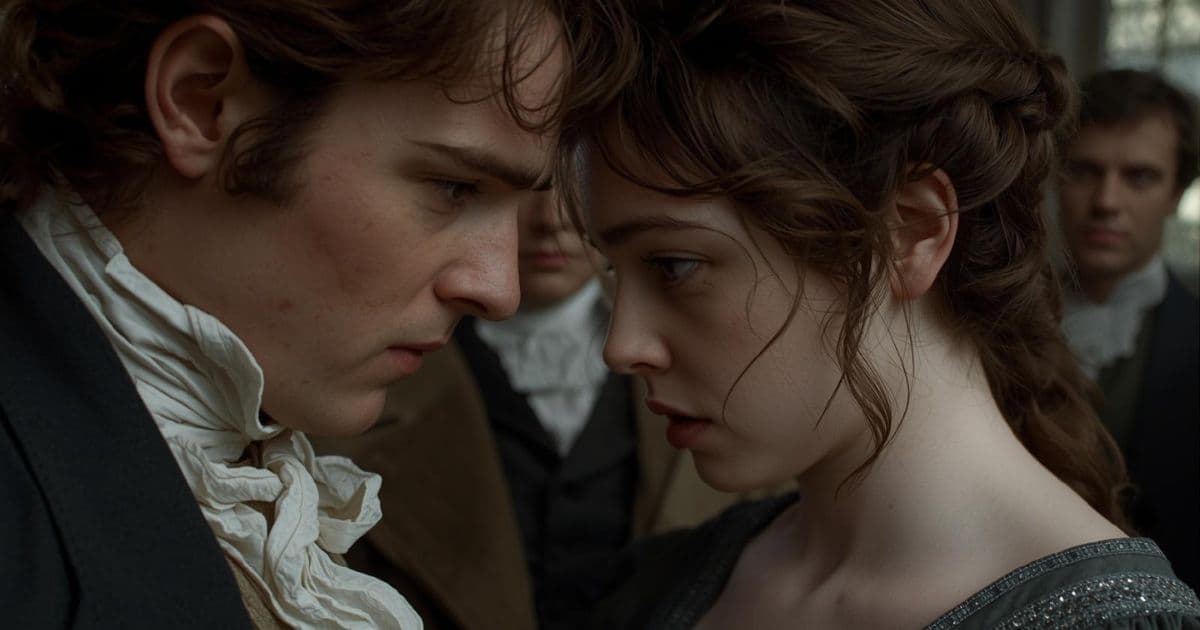
The aftermath of the accident reshapes everything. Anne spends her last two days at Uppercross helping the devastated Musgrove parents prepare to go to Lyme to be near Louisa. News arrives that Wentworth is fixed at Lyme, showing no intention of leaving while Louisa remains injured. Anne interprets this as decisive: he'll marry Louisa once she recovers. The house that was filled with laughter and company empties completely. Anne is the last one remaining, sitting alone in the deserted mansion on a dark November day with rain blotting out the windows. She imagines the future: when Louisa recovers, Wentworth will marry her, and these rooms will fill again "with all that was happy and gay, all that was glowing and bright in prosperous love, all that was most unlike Anne Elliot."
Lady Russell arrives to take Anne to Bath. They visit the Crofts at Kellynch Hall, and Anne learns something that pierces through her resignation: Wentworth came to Kellynch yesterday, brought a note about Louisa, and specifically asked after Anne. More than that—he praised her exertions during the crisis, called them "great." Mrs. Croft delivers this casually, not knowing what it means to Anne. It's handsome of him to acknowledge her competence, even while planning to marry someone else.
The Admiral, with characteristic bluntness, jokes about Wentworth's "new sort of way" of making love—"breaking his mistress's head." Lady Russell and Mrs. Croft agree the accident was the result of "thoughtlessness and imprudence," Louisa's reckless determination to be jumped down the steps. Anne says nothing, but she's thinking: Wentworth spent weeks praising firmness, decisiveness, refusing to be persuaded. He got exactly what he encouraged. His philosophy of absolute firmness nearly killed the girl he was courting and revealed what Anne always knew—that persuadability isn't weakness. Sometimes it's wisdom. Anne prepares to leave for Bath, believing she's seen the last of Frederick Wentworth. He'll marry Louisa. Anne will return to invisibility. At least she knows he saw her clearly, for one moment, during the crisis. It will have to be enough.
Master this chapter. Complete your experience
Purchase the complete book to access all chapters and support classic literature
As an Amazon Associate, we earn a small commission from qualifying purchases at no additional cost to you.
Available in paperback, hardcover, and e-book formats
Let's Analyse the Pattern
Recognizing and navigating grief, poetry, emotional intelligence
Why This Matters
Connect literature to life
Connecting through shared sorrow
Practice This Today
Observe how grief, poetry, emotional intelligence operate in your own relationships and social settings.
Now let's explore the literary elements.
Key Quotes & Analysis
"Anne reflected on the events unfolding before her, seeing clearly what others could not."
Context: Reflecting on captain benwick's grief
Austen uses Anne's perception to illuminate grief, poetry, emotional intelligence.
In Today's Words:
Sometimes the quiet observer sees most clearly, especially regarding grief.
Thematic Threads
Captain Benwick's Grief
In This Chapter
Anne experiences connecting through shared sorrow
Development
This connects to the broader themes of constancy and second chances
In Your Life:
Consider how grief, poetry, emotional intelligence appear in your own relationships
You now have the context. Time to form your own thoughts.
Discussion Questions
- 1
How does Anne handle connecting through shared sorrow? What can we learn from her approach?
analysis • medium - 2
Think of a time when you experienced grief. How did you navigate it?
reflection • deep
Critical Thinking Exercise
Understanding Captain Benwick's Grief
Reflect on a situation in your life involving grief, poetry, emotional intelligence. How did you handle it, and what would you do differently now?
Consider:
- •How did grief affect your decisions?
- •What did you learn from the experience?
Journaling Prompt
Write about how understanding grief, poetry, emotional intelligence has changed your approach to relationships.
Coming Up Next...
Chapter 14: Return from Lyme
Anne's journey continues as new revelations and challenges emerge...