Amplified ClassicsAmplified Classics
Literature MattersLife IndexEducators
Sign inSign up
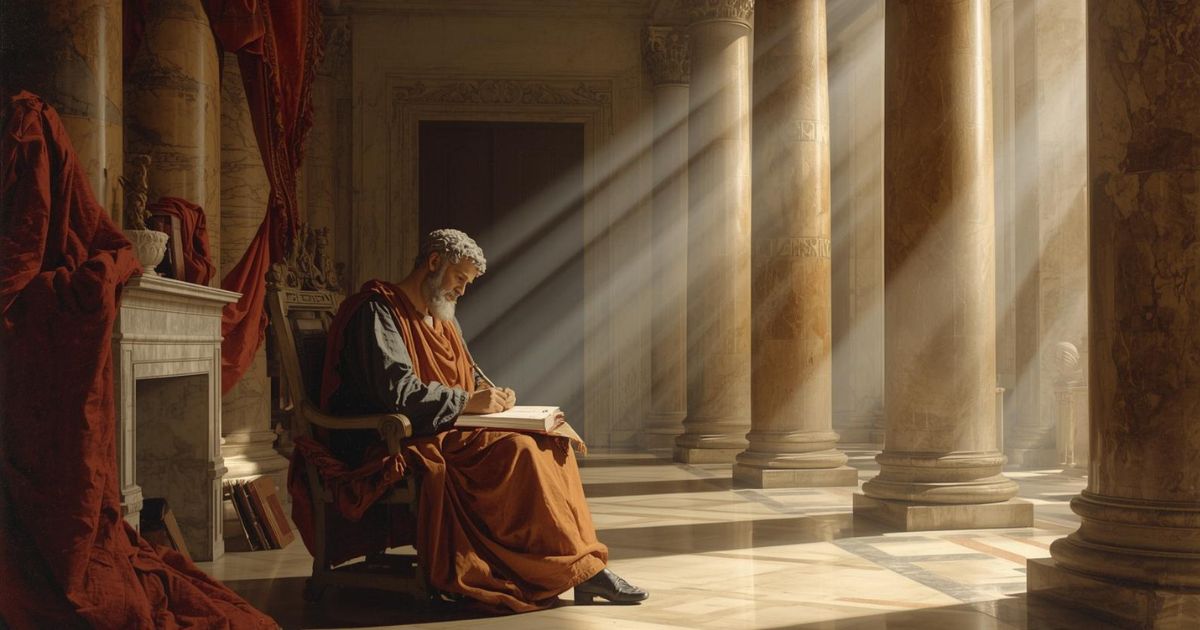
Letters from a Stoic - The Soldier's Oath to Virtue

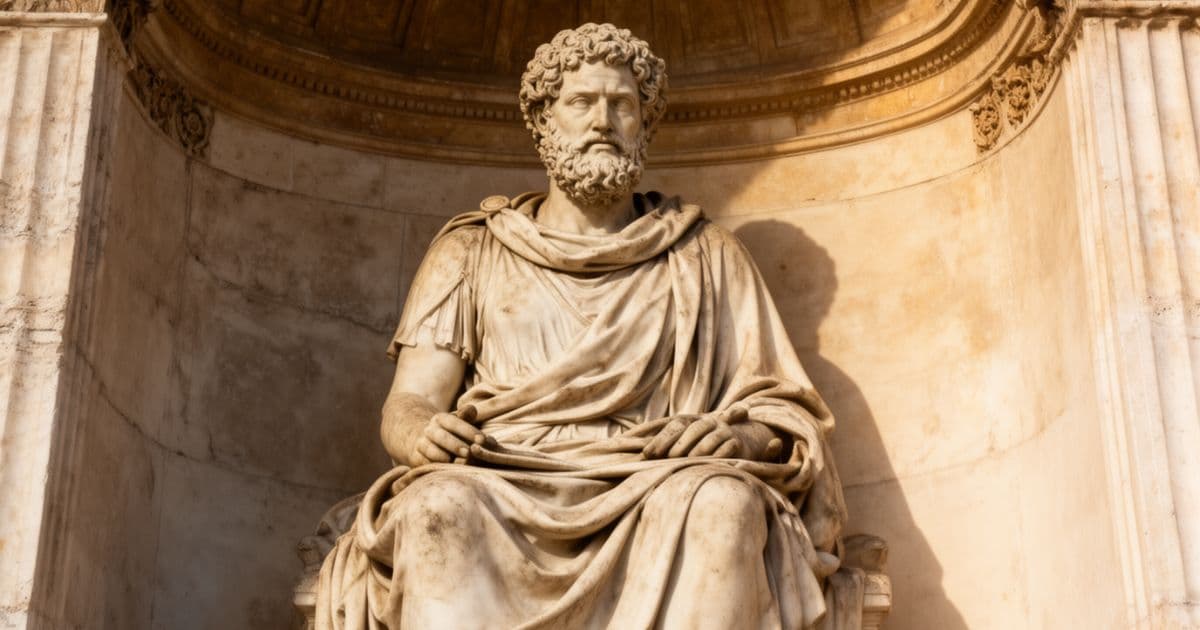
Seneca

Letters from a Stoic

The Soldier's Oath to Virtue

Home›Books›Letters from a Stoic›Chapter 37
Back to Letters from a Stoic
4 min read•Letters from a Stoic•Chapter 37 of 124

What You'll Learn

Why commitment to personal growth requires the same dedication as military service

How to distinguish between what you can control and what you must endure

Why wisdom is the only path to true freedom from life's pressures

Previous
37 of 124
Next

Summary

Seneca delivers a powerful metaphor that transforms how we think about personal development. He tells Lucilius that choosing virtue is like enlisting as a soldier—you've taken an oath that binds you to a higher standard, no matter what hardships come. But unlike gladiators who fight for survival and can beg for mercy, those committed to wisdom must stand firm through every challenge. The comparison isn't meant to intimidate but to clarify the stakes: this isn't casual self-improvement, it's a fundamental commitment to living differently. Seneca acknowledges that life will throw difficulties at us regardless—we're conscripted into struggle from birth. The question isn't whether we'll face hardship, but how we'll face it. Philosophy becomes our training ground, teaching us to overcome what we cannot escape. The letter's most practical insight centers on control: put yourself under reason's command, and you'll gain command over your circumstances. Seneca warns against drifting through life driven by impulse, only to wonder later how we ended up in difficult situations. Instead, he advocates for deliberate living guided by wisdom. This isn't about becoming emotionless or rigid—it's about developing the mental strength to navigate life's inevitable challenges with dignity and purpose. The stakes are freedom itself: not political freedom, but liberation from the chaotic emotions and external pressures that keep most people trapped in reactive patterns.

Coming Up in Chapter 38

Having established the serious commitment required for philosophical living, Seneca shifts to explore how we actually cultivate wisdom in daily life. The next letter reveals why intimate conversation trumps formal lectures for real personal growth.
Share it with friends

Previous ChapterNext Chapter
GO ADS FREE — JOIN US

An excerpt from the original text.(~500 words)

L

←etter 36. On the value of retirementMoral letters to Luciliusby Seneca, translated by Richard Mott GummereLetter 37. On allegiance to virtueLetter 38. On quiet conversation→483006Moral letters to Lucilius — Letter 37. On allegiance to virtueRichard Mott GummereSeneca ​ XXXVII. ON ALLEGIANCE TO VIRTUE 1. You have promised to be a good man; you have enlisted under oath; that is the strongest chain which will hold you to a sound understanding. Any man will be but mocking you, if he declares that this is an effeminate and easy kind of soldiering. I ​will not have you deceived. The words of this most honourable compact are the same as the words of that most disgraceful one, to wit:[1] “Through burning, imprisonment, or death by the sword.” 2. From the men who hire out their strength for the arena, who eat and drink what they must pay for with their blood, security is taken that they will endure such trials even though they be unwilling; from you, that you will endure them willingly and with alacrity. The gladiator may lower his weapon and test the pity of the people;[2] but you will neither lower your weapon nor beg for life. You must die erect and unyielding. Moreover, what profit is it to gain a few days or a few years? There is no discharge for us from the moment we are born. 3. “Then how can I free myself?” you ask. You cannot escape necessities, but you can overcome them. By force a way is made.[3] And this way will be afforded you by philosophy. Betake yourself therefore to philosophy if you would be safe, untroubled, happy, in fine, if you wish to be,—and that is most important,—free. There is no other way to attain this end. 4. Folly[4] is low, abject, mean, slavish, and exposed to many of the cruellest passions. These passions, which are heavy taskmasters, sometimes ruling by turns, and sometimes together, can be banished from you by wisdom, which is the only real freedom. There is but one path leading thither, and it is a straight path; you will not go astray. Proceed with steady step, and if you would have all things under your control, put yourself under the control of reason; if reason becomes your ruler, you will become ruler over many. ​You will learn from her what you should undertake, and how it should be done; you will not blunder into things. 5. You can show me no man who knows how he began to crave that which he craves. He has not been led to that pass by forethought; he has been driven to it by impulse. Fortune attacks us as often as we attack Fortune. It is disgraceful, instead of proceeding ahead, to be carried along, and then suddenly, amid the whirlpool of events, to ask in a dazed way: “How did I get into this condition?” Farewell.   ↑ He refers to the famous oath which the gladiator took when he hired himself to the fighting-master; uri,...

Master this chapter. Complete your experience

Purchase the complete book to access all chapters and support classic literature

Read Free on GutenbergBuy at Powell'sBuy on Amazon

As an Amazon Associate, we earn a small commission from qualifying purchases at no additional cost to you.

Available in paperback, hardcover, and e-book formats

GO ADS FREE — JOIN US

Intelligence Amplifier™ Analysis

Pattern: The Commitment-Drift Choice

The Road of Conscious Commitment

This chapter reveals the pattern of conscious commitment versus unconscious drift. Most people stumble through life reacting to whatever happens, then wonder how they ended up stressed, broke, or stuck. They treat personal growth like a hobby—something to dabble in when convenient. But Seneca shows us a different path: making a deliberate choice to live by higher standards, then honoring that choice even when it's hard. The mechanism works like this: when you consciously commit to principles (whether it's integrity, health, or financial discipline), you create internal accountability. You're no longer just hoping things work out—you're actively choosing your responses. This transforms random struggles into purposeful challenges. Instead of being a victim of circumstances, you become someone who faces difficulties with intention. This pattern appears everywhere today. In healthcare, some workers drift through shifts complaining about management, while others commit to being the nurse patients remember fondly. At home, some parents react emotionally to every crisis, while others commit to staying calm and teaching their kids problem-solving. In relationships, some people make promises they break when things get tough, while others honor their word even during arguments. In personal finance, some people hope their money situation improves, while others commit to specific budgets and stick to them regardless of temptation. When you recognize this pattern, ask yourself: 'Am I drifting or committed?' If you're constantly surprised by your own life circumstances, you're probably drifting. True navigation means choosing your principles in advance, then honoring them especially when it's inconvenient. Write down three non-negotiable standards for yourself. When life tests these standards—and it will—remind yourself that this is exactly when your commitment matters most. The goal isn't perfection; it's consistency in the direction you've chosen. When you can distinguish between unconscious drift and conscious commitment, predict where each path leads, and choose your course deliberately—that's amplified intelligence.

The fundamental choice between living by conscious principles or unconsciously reacting to whatever life throws at you.

Why This Matters

Connect literature to life

Skill: Recognizing the Difference Between Commitment and Convenience

This chapter teaches how to identify when someone (including yourself) is truly committed to a principle versus just going along when it's easy.

Practice This Today

This week, notice when people's actions match their stated values during stressful moments—do they stick to their principles or abandon them for immediate relief?

GO ADS FREE — JOIN US

Now let's explore the literary elements.

Terms to Know

Stoic Oath

A mental commitment to living by philosophical principles, like a soldier's oath of service. Seneca treats choosing virtue as enlisting in an army where you promise to face hardships with courage and wisdom.

Modern Usage:

Like making a New Year's resolution but treating it as seriously as a marriage vow or military service commitment.

Gladiator's Appeal

When gladiators in the arena would lower their weapons and beg the crowd for mercy to save their lives. Seneca uses this as a contrast to how philosophers should face difficulties.

Modern Usage:

Similar to how people might quit when things get tough or beg for special treatment when facing consequences.

Virtue as Soldiering

Seneca's central metaphor comparing moral development to military service. Both require discipline, courage, and commitment even when conditions are harsh.

Modern Usage:

Like how people talk about 'fighting' addiction, 'battling' depression, or being a 'warrior' for their values.

Philosophical Discharge

The idea that once you're born into life, there's no way to quit or be released from facing challenges. You must learn to overcome rather than escape.

Modern Usage:

Like how adults realize they can't just opt out of responsibilities or difficult situations the way children might.

Command of Reason

Putting your rational mind in charge of your emotions and reactions instead of being driven by impulse or external circumstances.

Modern Usage:

What therapists call emotional regulation or what people mean when they say 'think before you react.'

Moral Letters

Seneca's collection of philosophical advice written as personal letters to his friend Lucilius. They combine practical wisdom with deep philosophical insights.

Modern Usage:

Like a mentor texting life advice or a self-help book written as personal messages to a friend.

Characters in This Chapter

Seneca

Philosophical mentor

The letter writer who uses military metaphors to challenge Lucilius about the seriousness of moral commitment. He's both encouraging and demanding, showing that wisdom requires real dedication.

Modern Equivalent:

The tough-love coach who won't let you make excuses

Lucilius

Student seeking wisdom

The recipient of Seneca's advice who has apparently made some commitment to virtue but may not understand the full implications. Represents anyone trying to improve themselves.

Modern Equivalent:

The friend who says they want to change but keeps making the same mistakes

The Gladiator

Symbolic contrast

Represents someone who fights only for survival and will beg for mercy when threatened. Used to show how philosophical commitment should be different and stronger.

Modern Equivalent:

The person who gives up at the first sign of difficulty

The Hired Fighter

Example of forced commitment

Arena fighters who are bound by contract to endure suffering whether they want to or not. Shows how philosophical commitment should be voluntary but equally binding.

Modern Equivalent:

Someone stuck in a job they hate but can't quit

Key Quotes & Analysis

"You have promised to be a good man; you have enlisted under oath; that is the strongest chain which will hold you to a sound understanding."

— Seneca

Context: Opening the letter by reminding Lucilius that choosing virtue is a serious commitment

Seneca reframes self-improvement as a binding contract with yourself. The 'chain' isn't restriction but strength—it keeps you anchored to your values when emotions or circumstances try to pull you off course.

In Today's Words:

You said you wanted to be better, so now you're committed—that promise is what will keep you on track when things get tough.

"The gladiator may lower his weapon and test the pity of the people; but you will neither lower your weapon nor beg for life."

— Seneca

Context: Contrasting how gladiators can appeal for mercy versus how philosophers must face challenges

This isn't about being stubborn or refusing help. It's about maintaining dignity and commitment to your principles even when facing difficulties. You don't abandon your values when life gets hard.

In Today's Words:

Other people might give up and ask for a break when things get tough, but you're going to stick to your principles no matter what.

"You cannot escape necessities, but you can overcome them."

— Seneca

Context: Answering Lucilius's question about how to free himself from life's difficulties

The most practical advice in the letter. Life will always have problems, losses, and challenges—that's not optional. But how you respond to them is completely under your control.

In Today's Words:

You can't avoid life's problems, but you can learn to handle them better.

"There is no discharge for us from the moment we are born."

— Seneca

Context: Explaining why we can't simply escape life's challenges

A reality check disguised as philosophy. Seneca acknowledges that being human means facing difficulties whether you signed up for them or not. The goal isn't to escape but to develop strength.

In Today's Words:

From the day you're born, you're stuck dealing with life's challenges—there's no way out except through.

Thematic Threads

Personal Growth

In This Chapter

Seneca frames wisdom-seeking as a binding commitment, not casual self-improvement

Development

Builds on earlier letters about consistent daily practice

In Your Life:

You might recognize this in how you approach health goals—are you committed or just hoping?

Class

In This Chapter

References military service as universal experience of commitment regardless of social status

Development

Continues theme that wisdom transcends economic circumstances

In Your Life:

You might see this in how working-class dignity comes from honoring commitments, not job titles.

Identity

In This Chapter

Choosing philosophy becomes who you are, not just what you do occasionally

Development

Deepens earlier discussions about authentic versus performed identity

In Your Life:

You might notice this in how you introduce yourself—by your job or by your values.

Social Expectations

In This Chapter

Society expects people to drift through life; conscious commitment stands out

Development

Expands on earlier themes about swimming against cultural currents

In Your Life:

You might feel this pressure when friends question why you're 'trying so hard' at self-improvement.

You now have the context. Time to form your own thoughts.

Discussion Questions

  1. 1

    What does Seneca mean when he compares choosing virtue to enlisting as a soldier, and how is this different from being a gladiator?

    analysis • surface
  2. 2

    Why does Seneca argue that we're all 'conscripted into struggle from birth' regardless of whether we choose philosophy or not?

    analysis • medium
  3. 3

    Think about someone you know who seems to drift through life versus someone who lives by clear principles. What differences do you notice in how they handle challenges?

    application • medium
  4. 4

    Seneca says putting yourself under reason's command gives you command over circumstances. How would you apply this idea to a current challenge in your life?

    application • deep
  5. 5

    What does this chapter reveal about the relationship between commitment and freedom? How might making firm commitments actually increase rather than limit your choices?

    reflection • deep

Critical Thinking Exercise

10 minutes

Map Your Drift vs. Commitment Zones

Draw three columns: 'Drifting Areas', 'Committed Areas', and 'Stakes'. In the first column, list areas of your life where you react without clear principles. In the second, list areas where you have firm standards you stick to regardless of convenience. In the third column, write what you're risking by drifting versus what you're protecting by staying committed.

Consider:

  • •Be honest about areas where you make excuses or bend your own rules
  • •Notice which areas cause you the most stress - are they drift zones or commitment zones?
  • •Consider how your drift areas might be affecting people who depend on you

Journaling Prompt

Write about a time when you switched from drifting to commitment in one area of your life. What triggered the change, and what concrete differences did you notice in your results and stress levels?

Coming Up Next...

Chapter 38: The Power of Quiet Conversation

Having established the serious commitment required for philosophical living, Seneca shifts to explore how we actually cultivate wisdom in daily life. The next letter reveals why intimate conversation trumps formal lectures for real personal growth.

Continue to Chapter 38
Previous
Choosing Peace Over Status
Contents
Next
The Power of Quiet Conversation

Continue Exploring

Letters from a Stoic Study GuideTeaching ResourcesEssential Life IndexBrowse by ThemeAll Books

You Might Also Like

Meditations cover

Meditations

Marcus Aurelius

Explores personal growth

The Dhammapada cover

The Dhammapada

Buddha

Explores suffering & resilience

The Consolation of Philosophy cover

The Consolation of Philosophy

Boethius

Explores suffering & resilience

The Enchiridion cover

The Enchiridion

Epictetus

Explores suffering & resilience

Browse all 47+ books

Share This Chapter

Know someone who'd enjoy this? Spread the wisdom!

TwitterFacebookLinkedInEmail

Read ad-free with Prestige

Get rid of ads, unlock study guides and downloads, and support free access for everyone.

Subscribe to PrestigeCreate free account
Intelligence Amplifier
Intelligence Amplifier™Powering Amplified Classics

Exploring human-AI collaboration through books, essays, and philosophical dialogues. Classic literature transformed into navigational maps for modern life.

2025 Books

→ The Amplified Human Spirit→ The Alarming Rise of Stupidity Amplified→ San Francisco: The AI Capital of the World
Visit intelligenceamplifier.org
hello@amplifiedclassics.com

AC Originals

→ The Last Chapter First→ You Are Not Lost→ The Lit of Love→ The Wealth Paradox
Arvintech
arvintechAmplify your Mind
Visit at arvintech.com

Navigate

  • Home
  • Library
  • Essential Life Index
  • How It Works
  • Subscribe
  • Account
  • About
  • Contact
  • Authors
  • Suggest a Book

Made For You

  • Students
  • Educators
  • Families
  • Readers
  • Finding Purpose

Newsletter

Weekly insights from the classics.

Amplify Your Mind

Legal

  • Privacy Policy
  • Terms of Service
  • Cookie Policy
  • Accessibility

Why Public Domain?

We focus on public domain classics because these timeless works belong to everyone. No paywalls, no restrictions—just wisdom that has stood the test of centuries, freely accessible to all readers.

Public domain books have shaped humanity's understanding of love, justice, ambition, and the human condition. By amplifying these works, we help preserve and share literature that truly belongs to the world.

© 2025 Amplified Classics™. All Rights Reserved.

Intelligence Amplifier™ and Amplified Classics™ are proprietary trademarks of Arvin Lioanag.

Copyright Protection: All original content, analyses, discussion questions, pedagogical frameworks, and methodology are protected by U.S. and international copyright law. Unauthorized reproduction, distribution, web scraping, or use for AI training is strictly prohibited. See our Copyright Notice for details.

Disclaimer: The information provided on this website is for general informational and educational purposes only and does not constitute professional, legal, financial, or technical advice. While we strive to ensure accuracy and relevance, we make no warranties regarding completeness, reliability, or suitability. Any reliance on such information is at your own risk. We are not liable for any losses or damages arising from use of this site. By using this site, you agree to these terms.