
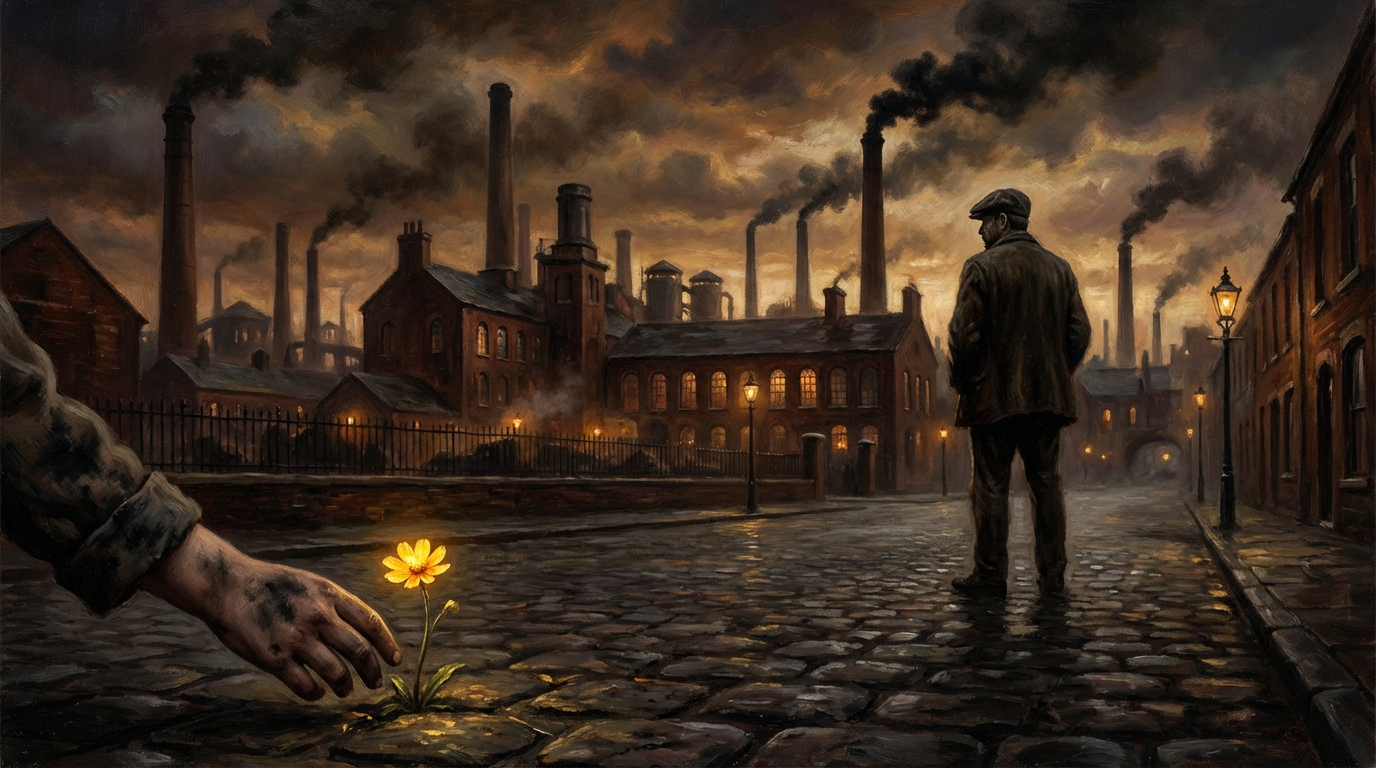
An excerpt from the original text.(complete · 2 words)
unpowder 126
Master this chapter. Complete your experience
Purchase the complete book to access all chapters and support classic literature
As an Amazon Associate, we earn a small commission from qualifying purchases at no additional cost to you.
Available in paperback, hardcover, and e-book formats
Let's Analyse the Pattern
The Pressure Cooker Pattern - When Silent Suffering Explodes
When people suppress needs and grievances too long, minor triggers create explosive consequences that seem disproportionate but result from accumulated, unaddressed pressure.
Why This Matters
Connect literature to life
This chapter teaches how to recognize when accumulated stress is approaching a dangerous breaking point in yourself or others.
Practice This Today
This week, notice when your reactions feel bigger than the trigger - that's your early warning system telling you there's pressure building underneath.
Now let's explore the literary elements.
Key Quotes & Analysis
"The wind was blowing the smoke away, and the air was clearer, but the moral atmosphere was thick and heavy."
Context: Describing the tension building in Coketown
Dickens contrasts physical and moral pollution. Even when factory smoke clears, the social problems remain thick and suffocating.
In Today's Words:
You could breathe the air, but the bad vibes were still choking everyone.
"United we stand, divided we fall, but what if you're not allowed to be united?"
Context: Reflecting on his exclusion from the union
Shows the cruel irony of his position - he believes in worker solidarity but is rejected by the very group that preaches unity.
In Today's Words:
They say we're stronger together, but what if they won't let you join the team?
"She sat looking at the fire, as she had looked at everything else - without hope, without interest, without love."
Context: Describing Louisa's emotional state
Captures her complete emotional numbness after years of being taught to suppress feelings. She's alive but not really living.
In Today's Words:
She stared at the flames like she stared at everything else - completely dead inside.
Thematic Threads
Class Tension
In This Chapter
Workers' frustrations with factory conditions and wages reach dangerous levels while owners remain oblivious to brewing conflict
Development
Escalating from earlier hints of worker dissatisfaction to active threat of upheaval
In Your Life:
You might see this in workplace dynamics where management ignores employee concerns until turnover spikes or conflicts explode
Trapped Identity
In This Chapter
Louisa feels increasingly suffocated by her marriage to Bounderby, caught between duty and personal desires
Development
Deepening from her initial resignation to active internal rebellion against her circumstances
In Your Life:
You might recognize this feeling of being stuck in roles that don't fit who you really are or want to become
Family Burden
In This Chapter
Tom's gambling debts and reckless behavior create additional crisis for Louisa during her own struggles
Development
Tom's problems intensifying from minor concerns to serious threats to family stability
In Your Life:
You might experience this when family members' poor choices create stress during your own difficult times
Social Isolation
In This Chapter
Stephen Blackpool remains caught between workers and management, belonging fully to neither group
Development
His isolation deepening as conflicts intensify and choosing sides becomes unavoidable
In Your Life:
You might feel this when your values or circumstances put you between conflicting groups at work or in your community
Suppressed Needs
In This Chapter
Characters across all social levels feel powerless to express or address their fundamental human needs
Development
Building tension as multiple characters reach breaking points simultaneously
In Your Life:
You might recognize this when you've been putting everyone else's needs first for so long you've forgotten your own
You now have the context. Time to form your own thoughts.
Discussion Questions
- 1
What different types of pressure are building up in the lives of Louisa, the workers, and Tom in this chapter?
analysis • surface - 2
Why does Dickens compare the social tensions to gunpowder - what makes this situation so potentially explosive?
analysis • medium - 3
Think about your workplace, family, or community - where do you see similar pressure building up that people aren't talking about openly?
application • medium - 4
When you feel pressure building in your own life, what early warning signs tell you it's time to address problems before they explode?
application • deep - 5
What does this chapter suggest about the difference between managing symptoms and addressing root causes of problems?
reflection • deep
Critical Thinking Exercise
Create Your Personal Pressure Gauge
Draw a simple thermometer or gauge on paper. Mark different levels from 1-10, then identify what warning signs tell you when pressure is building in your life. At level 3, what do you notice? Level 6? Level 9? Next to each level, write one specific action you can take to release pressure before it gets worse.
Consider:
- •Think about physical signs (headaches, sleep problems) as well as emotional ones (irritability, withdrawal)
- •Consider different types of pressure: work stress, relationship conflicts, financial worries, health concerns
- •Focus on small, realistic actions you can actually do, not major life changes
Journaling Prompt
Write about a time when you let pressure build too long and it exploded in a way that surprised you. What early warning signs did you ignore, and what would you do differently now?
Coming Up Next...
Chapter 24: When Everything Falls Apart
The title 'Explosion' suggests that all the built-up tensions finally reach their breaking point. The carefully accumulated pressures of previous chapters are about to burst forth in ways that will change everything for multiple characters.



