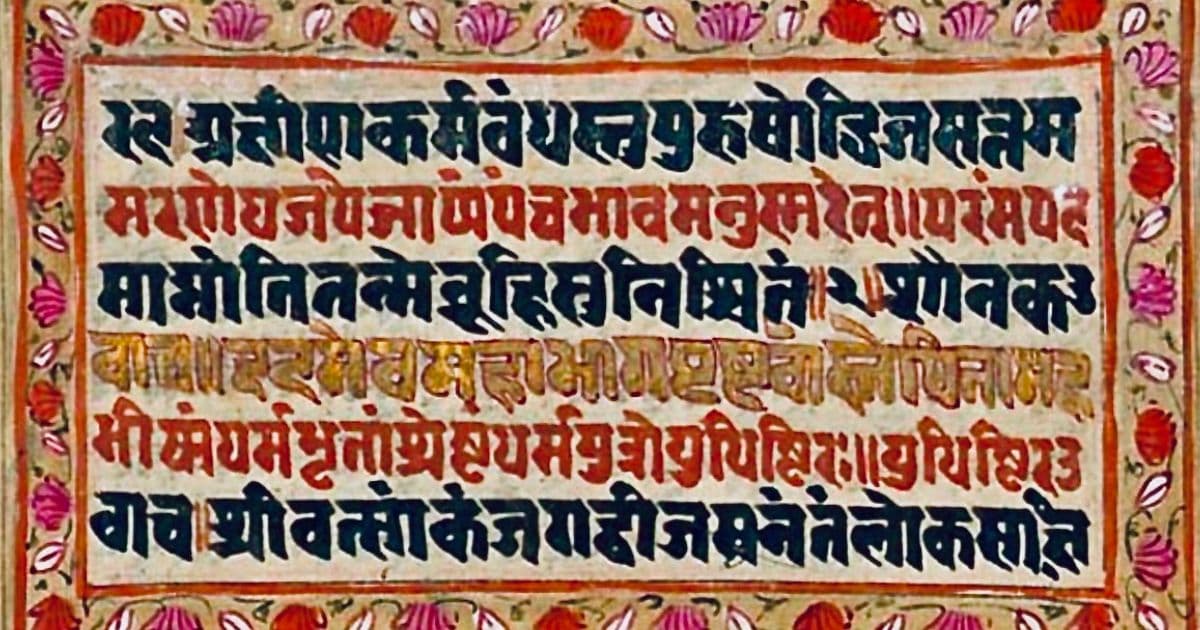
An excerpt from the original text.(complete · 98 words)
xpounds this last line of the first stanza.
"Kindled in love with yearnings": That is, with desires for God. In this dark night of sense, as the soul is being purged, it becomes enkindled with desires and yearnings for God. And this love grows and increases, for it is through dryness and the denial of sweet experiences that the soul is purified and made ready for the experience of union with God.
---
BOOK THE SECOND
Treats of the dark night of the spirit, and explains its nature and how it may be distinguished from that of sense.
Master this chapter. Complete your experience
Purchase the complete book to access all chapters and support classic literature
As an Amazon Associate, we earn a small commission from qualifying purchases at no additional cost to you.
Available in paperback, hardcover, and e-book formats
Let's Analyse the Pattern
True strength develops through deprivation and struggle, not comfort and abundance.
Why This Matters
Connect literature to life
This chapter teaches how to recognize when difficulty is building strength versus when it's tearing you down.
Practice This Today
This week, notice when you feel frustrated or depleted—ask yourself: 'Is this teaching me something I need to learn, or is this just grinding me down for no purpose?'
Now let's explore the literary elements.
Key Quotes & Analysis
"Kindled in love with yearnings"
Context: Describing what happens to the soul during the dark night of the senses
This captures the central paradox - when spiritual life feels most empty, love actually burns strongest. The yearning that comes from spiritual hunger is more powerful than satisfaction ever was.
In Today's Words:
The more you can't have it, the more you realize how much you really want it
"It is through dryness and the denial of sweet experiences that the soul is purified"
Context: Explaining why God withdraws pleasant spiritual feelings
This reveals that spiritual dryness isn't punishment but preparation. Like how muscles grow through resistance training, souls grow through being denied easy rewards.
In Today's Words:
You get stronger by doing the hard stuff when you don't feel like it, not by only doing what feels good
"The soul learns to love God not for the feelings He provides, but for who He truly is"
Context: Describing the mature love that develops during the dark night
This shows the difference between immature love (based on what you get) and mature love (based on who the other person is). It's the spiritual equivalent of moving from infatuation to real commitment.
In Today's Words:
Real love is about the person, not about how they make you feel
Thematic Threads
Personal Growth
In This Chapter
The soul develops authentic spiritual strength only after being stripped of easy consolations and emotional highs
Development
Evolved from earlier chapters about recognizing spiritual dryness to understanding it as necessary preparation
In Your Life:
Your most challenging periods at work or in relationships might be building strength you don't yet recognize
Identity
In This Chapter
The soul learns to love God for who He is rather than for the feelings He provides, developing authentic rather than conditional identity
Development
Builds on earlier themes of moving beyond superficial spiritual experiences to genuine commitment
In Your Life:
You discover who you really are not in your successes but in how you handle disappointment and loss
Human Relationships
In This Chapter
True spiritual union requires moving beyond seeking emotional satisfaction to offering pure love and commitment
Development
Culminates the progression from self-focused spirituality to other-focused love
In Your Life:
The strongest relationships are built not on what you get but on what you give, especially when giving is hard
Class
In This Chapter
The soul graduates from needing constant spiritual 'treats' to sustaining itself on pure commitment, like moving from dependency to self-sufficiency
Development
Reflects earlier themes about spiritual maturity requiring independence from external validation
In Your Life:
True professional growth means doing good work even when no one notices or rewards you
You now have the context. Time to form your own thoughts.
Discussion Questions
- 1
According to John, what happens to the soul's love when it loses all spiritual 'highs' and consolations?
analysis • surface - 2
Why does John compare this process to weaning a child from candy? What's the deeper point about maturity?
analysis • medium - 3
Where do you see this pattern of 'strength through struggle' in modern relationships, careers, or personal challenges?
application • medium - 4
How would you help someone distinguish between productive struggle that builds character and destructive suffering that tears you down?
application • deep - 5
What does this chapter suggest about the difference between conditional love (based on feelings) and unconditional commitment?
reflection • deep
Critical Thinking Exercise
Map Your Strength-Building Seasons
Think of a time when you felt emotionally or spiritually 'empty' but kept going anyway—maybe during unemployment, illness, relationship struggles, or caring for someone difficult. Write down what you lost during that time, then what unexpected strengths or insights you gained. Look for the pattern John describes: how deprivation built something authentic in you.
Consider:
- •Focus on what you learned about yourself, not just what you endured
- •Consider how this experience changed your approach to future challenges
- •Notice if your motivations became more genuine or less dependent on external rewards
Journaling Prompt
Write about a current situation where you're getting no external rewards but continuing anyway. What strength might this be building in you that you can't see yet?
Coming Up Next...
Chapter 15: When Deeper Healing Begins
Having mastered the dark night of the senses, John now introduces an even deeper challenge—the dark night of the spirit itself. This advanced spiritual territory requires new maps and different survival skills entirely.