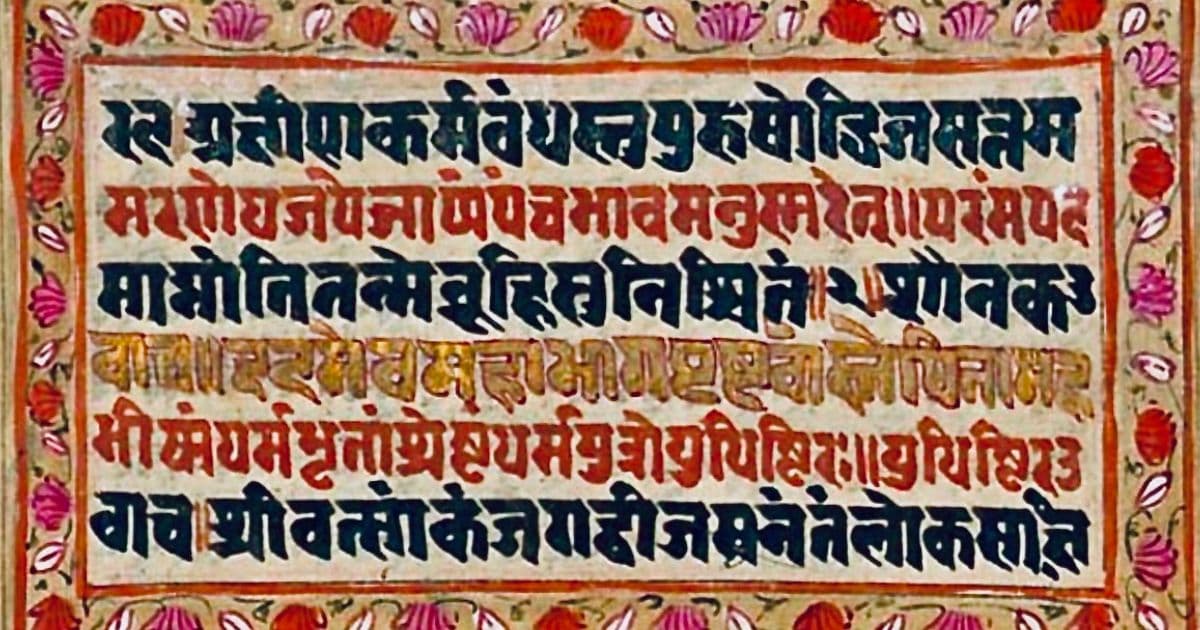
An excerpt from the original text.(complete · 193 words)
f the benefits which this night causes in the soul.
This happy night and purgation of sense brings to the soul innumerable blessings. The first and chief is a knowledge of oneself and of one's own misery. For, besides the fact that all the favors which it receives from God are habitually accompanied by this favor, which is to know oneself and to make oneself vile, at this time the soul is so caged in and so constrained that it can perceive nothing save its own miseries.
The door and entry into these riches of His Divine wisdom is this dark and purgative contemplation. Thus the night of purgation, although it narrows us and straitens us, brings us great riches, because it gives us true knowledge, and in this way purges us.
Another excellent benefit which the soul receives in this dark night is that it exercises all the virtues together, practicing them all in the works it performs and the trials it suffers; for, in the patience and fortitude which it has in these times, it practices and becomes accustomed to temperance, fortitude, justice, and all the cardinal and theological virtues together.
Master this chapter. Complete your experience
Purchase the complete book to access all chapters and support classic literature
As an Amazon Associate, we earn a small commission from qualifying purchases at no additional cost to you.
Available in paperback, hardcover, and e-book formats
Let's Analyse the Pattern
Crisis strips away comfortable illusions and forces the development of genuine strength and self-knowledge.
Why This Matters
Connect literature to life
This chapter teaches how to extract wisdom from failure instead of just surviving it.
Practice This Today
Next time something falls apart in your life, ask yourself: What is this teaching me about myself that I couldn't see when things were going well?
Now let's explore the literary elements.
Key Quotes & Analysis
"The door and entry into these riches of His Divine wisdom is this dark and purgative contemplation."
Context: John is explaining how suffering becomes the pathway to deeper understanding
This quote reveals John's central paradox - that the very thing we want to avoid (dark contemplation of our struggles) is actually the entrance to wisdom. It's not despite our pain but through it that we grow.
In Today's Words:
The way to real wisdom is by sitting with your pain instead of running from it.
"The soul is so caged in and so constrained that it can perceive nothing save its own miseries."
Context: Describing what happens when someone is in the depths of the dark night
John shows how limitation can be revelation. When we're stripped of distractions and comforts, we finally see ourselves clearly - including our flaws. This painful honesty becomes the foundation for real change.
In Today's Words:
When you're backed into a corner, you can't lie to yourself anymore about who you really are.
"In the patience and fortitude which it has in these times, it practices and becomes accustomed to temperance, fortitude, justice, and all the cardinal and theological virtues together."
Context: Explaining how hardship develops multiple virtues simultaneously
This reveals John's insight that crisis is like a complete character workout. Instead of developing one virtue at a time in easy circumstances, struggle forces us to exercise our entire moral toolkit at once. We become stronger faster.
In Today's Words:
Going through hell teaches you patience, courage, self-control, and fairness all at the same time - it's like CrossFit for your character.
Thematic Threads
Identity
In This Chapter
True self emerges only when false personas are stripped away by hardship
Development
Deepened from earlier chapters - now showing how crisis reveals authentic identity
In Your Life:
You discover who you really are not in comfort, but when everything falls apart
Personal Growth
In This Chapter
Growth requires the painful destruction of illusions about ourselves
Development
Evolved to show growth as necessarily disruptive rather than gradual
In Your Life:
Your biggest leaps forward often come disguised as your worst setbacks
Class
In This Chapter
Working-class resilience develops through necessity, not choice
Development
Continued theme of how economic pressure builds character through constraint
In Your Life:
Financial stress, while painful, often forces you to discover capabilities you never knew you had
Social Expectations
In This Chapter
Crisis reveals which social roles were authentic versus performed
Development
Extended from earlier - now showing how breakdown exposes performed versus genuine identity
In Your Life:
When you can't keep up appearances anymore, you learn which parts of your image actually matter
Human Relationships
In This Chapter
Hardship reveals who offers real support versus surface-level connection
Development
Developed to show how crisis tests and clarifies relationship authenticity
In Your Life:
Your worst moments show you who your real friends are and who was just along for the good times
You now have the context. Time to form your own thoughts.
Discussion Questions
- 1
According to John of the Cross, what valuable thing do we gain when we're stripped down by difficult circumstances?
analysis • surface - 2
Why does John argue that comfort can actually prevent us from growing, while constraints help us develop strength?
analysis • medium - 3
Think about someone you know who went through a really tough time - job loss, divorce, illness. What strengths did they discover about themselves that they might not have found otherwise?
application • medium - 4
When you're facing a difficult situation, how could you use John's framework to look for hidden benefits rather than just trying to escape the pain?
application • deep - 5
What does this chapter suggest about the relationship between struggle and self-knowledge? Why might we need both comfort and difficulty to become fully developed people?
reflection • deep
Critical Thinking Exercise
Map Your Breakdown-to-Breakthrough Moments
Think of a difficult period in your life - a time when you felt trapped, limited, or stripped down to basics. Draw a simple before-and-after comparison: What did you believe about yourself before this experience? What strengths, skills, or truths about yourself did you discover during or after it? Look for the pattern John describes - how constraints forced growth you might never have chosen voluntarily.
Consider:
- •Focus on what you learned about your own capabilities, not just what happened to you
- •Notice if the difficulty forced you to develop multiple skills at once - like patience AND problem-solving AND courage
- •Consider whether you would have developed these strengths if life had remained comfortable
Journaling Prompt
Write about a current limitation or struggle you're facing. How might this constraint be forcing you to develop strengths you didn't know you had? What self-knowledge is this situation revealing that comfort might have kept hidden?
Coming Up Next...
Chapter 13: The Hidden Benefits of Spiritual Emptiness
Having explored the benefits of spiritual struggle, John will next examine how this process continues to unfold and what deeper transformations await those who persevere through the darkness.