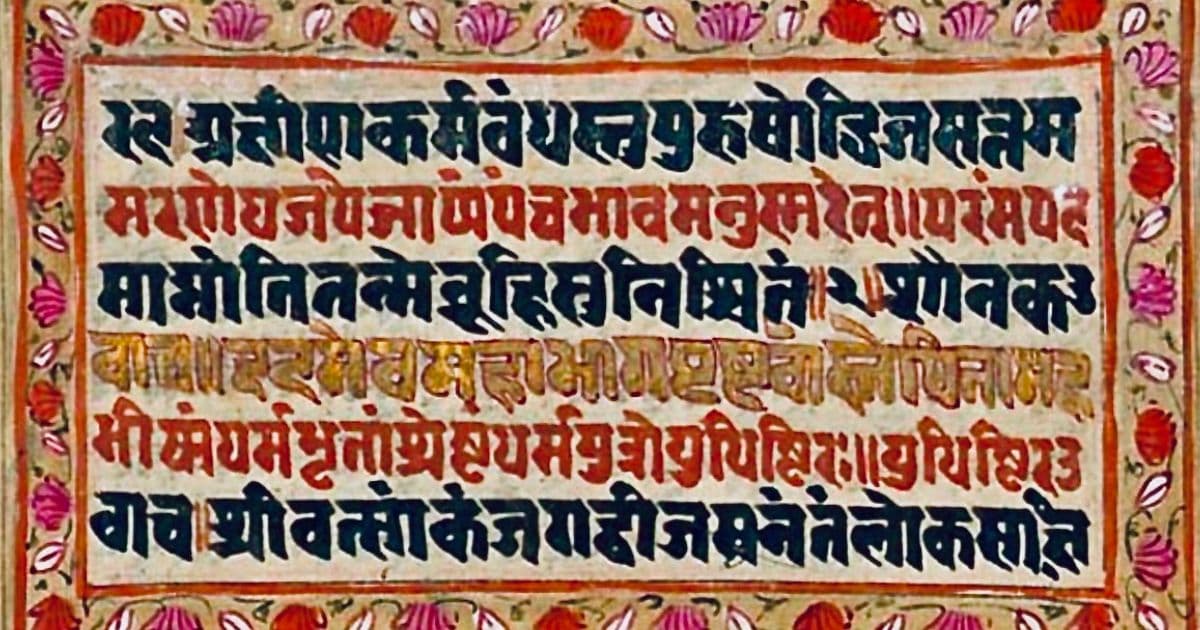
An excerpt from the original text.(complete · 700 words)
18:038:001 hen the LORD answered Job out of the whirlwind, and said,
18:038:002 Who is this that darkeneth counsel by words without knowledge?
18:038:003 Gird up now thy loins like a man; for I will demand of thee,
and answer thou me.
18:038:004 Where wast thou when I laid the foundations of the earth?
declare, if thou hast understanding.
18:038:005 Who hath laid the measures thereof, if thou knowest? or who
hath stretched the line upon it?
18:038:006 Whereupon are the foundations thereof fastened? or who laid
the corner stone thereof;
18:038:007 When the morning stars sang together, and all the sons of God
shouted for joy?
18:038:008 Or who shut up the sea with doors, when it brake forth, as if
it had issued out of the womb?
18:038:009 When I made the cloud the garment thereof, and thick darkness
a swaddlingband for it,
18:038:010 And brake up for it my decreed place, and set bars and doors,
18:038:011 And said, Hitherto shalt thou come, but no further: and here
shall thy proud waves be stayed?
18:038:012 Hast thou commanded the morning since thy days; and caused the
dayspring to know his place;
18:038:013 That it might take hold of the ends of the earth, that the
wicked might be shaken out of it?
18:038:014 It is turned as clay to the seal; and they stand as a garment.
18:038:015 And from the wicked their light is withholden, and the high
arm shall be broken.
18:038:016 Hast thou entered into the springs of the sea? or hast thou
walked in the search of the depth?
18:038:017 Have the gates of death been opened unto thee? or hast thou
seen the doors of the shadow of death?
18:038:018 Hast thou perceived the breadth of the earth? declare if thou
knowest it all.
18:038:019 Where is the way where light dwelleth? and as for darkness,
where is the place thereof,
18:038:020 That thou shouldest take it to the bound thereof, and that
thou shouldest know the paths to the house thereof?
18:038:021 Knowest thou it, because thou wast then born? or because the
number of thy days is great?
18:038:022 Hast thou entered into the treasures of the snow? or hast thou
seen the treasures of the hail,
18:038:023 Which I have reserved against the time of trouble, against the
day of battle and war?
18:038:024 By what way is the light parted, which scattereth the east
wind upon the earth?
18:038:025 Who hath divided a watercourse for the overflowing of waters,
or a way for the lightning of thunder;
18:038:026 To cause it to rain on the earth, where no man is; on the
wilderness, wherein there is no man;
18:038:027 To satisfy the desolate and waste ground; and to cause the bud
of the tender herb to spring forth?
18:038:028 Hath the rain a father? or who hath begotten the drops of dew?
18:038:029 Out of whose womb came the ice? and the hoary frost of heaven,
who hath gendered it?
18:038:030 The waters are hid as with a stone, and the face of the deep
is frozen.
18:038:031 Canst thou bind the sweet influences of Pleiades, or loose the
bands of Orion?
18:038:032 Canst thou bring forth Mazzaroth in his season? or canst thou
guide Arcturus with his sons?
18:038:033 Knowest thou the ordinances of heaven? canst thou set the
dominion thereof in the earth?
18:038:034 Canst thou lift up thy voice to the clouds, that abundance of
waters may cover thee?
18:038:035 Canst thou send lightnings, that they may go and say unto
thee, Here we are?
18:038:036 Who hath put wisdom in the inward parts? or who hath given
understanding to the heart?
18:038:037 Who can number the clouds in wisdom? or who can stay the
bottles of heaven,
18:038:038 When the dust groweth into hardness, and the clods cleave fast
together?
18:038:039 Wilt thou hunt the prey for the lion? or fill the appetite of
the young lions,
18:038:040 When they couch in their dens, and abide in the covert to lie
in wait?
18:038:041 Who provideth for the raven his food? when his young ones cry
unto God, they wander for lack of meat.
Master this chapter. Complete your experience
Purchase the complete book to access all chapters and support classic literature
As an Amazon Associate, we earn a small commission from qualifying purchases at no additional cost to you.
Available in paperback, hardcover, and e-book formats
Let's Analyse the Pattern
When personal pain shrinks our worldview so small that we lose sight of larger systems and start demanding explanations we're not equipped to understand.
Why This Matters
Connect literature to life
This chapter teaches how to step back from personal pain and see the larger forces that shape individual outcomes.
Practice This Today
This week, notice when you're demanding simple explanations for complex problems—at work, in relationships, or in news stories—and ask instead: 'What am I not seeing?'
Now let's explore the literary elements.
Key Quotes & Analysis
"Who is this that darkeneth counsel by words without knowledge?"
Context: God's opening challenge to Job after listening to chapters of human debate
God immediately reframes the entire conversation. Instead of answering Job's complaints, God questions Job's qualifications to even have this discussion. The phrase 'words without knowledge' suggests all the previous arguing has been missing crucial information.
In Today's Words:
Who do you think you are, talking about things you don't understand?
"Where wast thou when I laid the foundations of the earth?"
Context: The first in a series of unanswerable questions about creation
This question exposes Job's fundamental limitation—he wasn't present for the universe's creation, so how can he judge how it should operate? It's both humbling and perspective-shifting, reminding Job of his place in the cosmic order.
In Today's Words:
Where were you when all this got started?
"Gird up now thy loins like a man; for I will demand of thee, and answer thou me."
Context: God's challenge to Job to prepare for a serious confrontation
God is essentially saying 'brace yourself' and completely reversing the power dynamic. Job has been demanding answers from God, but now God will demand answers from Job. It's a dramatic role reversal that shows who's really in charge.
In Today's Words:
Buckle up, because now I'm going to ask YOU the hard questions.
"When the morning stars sang together, and all the sons of God shouted for joy?"
Context: Describing the celebration that accompanied creation
This beautiful imagery shows creation as a joyful, cosmic celebration that Job missed entirely. While Job sees his suffering as the center of the universe, God reveals that the universe began in joy and wonder far beyond human experience.
In Today's Words:
When the whole universe was celebrating something you weren't even there to see?
Thematic Threads
Class
In This Chapter
God reveals the vast hierarchy of creation, showing Job his actual position in the cosmic order—not the central position he assumed
Development
Builds on earlier themes of Job's social status by revealing an even larger system of power and position
In Your Life:
You might recognize this when you realize how little you understand about the systems that affect your daily life.
Identity
In This Chapter
Job's identity as someone deserving answers is completely dismantled by questions that reveal his limitations
Development
Culminates Job's identity crisis by forcing him to see himself as he actually is, not as he imagined
In Your Life:
You might see this when life events force you to question who you really are versus who you thought you were.
Social Expectations
In This Chapter
Job expected the universe to operate according to his understanding of fairness and justice
Development
Challenges all the social expectations about how suffering and reward should work that have driven the entire story
In Your Life:
You might experience this when systems don't work the way you expected them to work.
Personal Growth
In This Chapter
Growth comes not through getting answers but through accepting the limits of human understanding
Development
Redefines growth from 'getting what you want' to 'understanding your place in larger realities'
In Your Life:
You might find this when real maturity comes from accepting what you can't control or fully understand.
Human Relationships
In This Chapter
The relationship between humans and the divine is redefined as one of humility rather than negotiation
Development
Transforms the transactional relationship Job assumed into something based on recognition of different levels of existence
In Your Life:
You might see this in any relationship where you've been making demands based on assumptions about what you're owed.
You now have the context. Time to form your own thoughts.
Discussion Questions
- 1
What strategy does God use instead of directly answering Job's questions about why he suffered?
analysis • surface - 2
Why do you think God chose to overwhelm Job with questions about cosmic management rather than explain the reasons for his suffering?
analysis • medium - 3
Where do you see people today demanding explanations from systems or people who can't possibly provide the full picture?
application • medium - 4
Think of a time when you felt entitled to an explanation but weren't getting one. How might approaching with curiosity instead of demands have changed the outcome?
application • deep - 5
What does this chapter suggest about the relationship between suffering and our sense of proportion about our place in larger systems?
reflection • deep
Critical Thinking Exercise
Map Your Complaint Chain
Think of a recent frustration where you demanded explanations or felt the system was unfair to you. Draw a simple chain showing: you → the person you complained to → their boss → their boss → the actual decision maker. Then list three factors that might influence decisions at the top level that you can't see from your position.
Consider:
- •The person you're angry with might have as little control as you do
- •Systems often have competing priorities you're not aware of
- •Your problem might be one of hundreds the decision-makers are juggling
Journaling Prompt
Write about a situation where you later learned there were factors you couldn't see that explained why things happened the way they did. How did this change your perspective on demanding explanations?
Coming Up Next...
Chapter 39: Nature's Wild Independence
God's cosmic tour continues as He shifts focus from the forces of nature to the wild creatures that roam the earth, each one a reminder of the untamed complexity of creation.