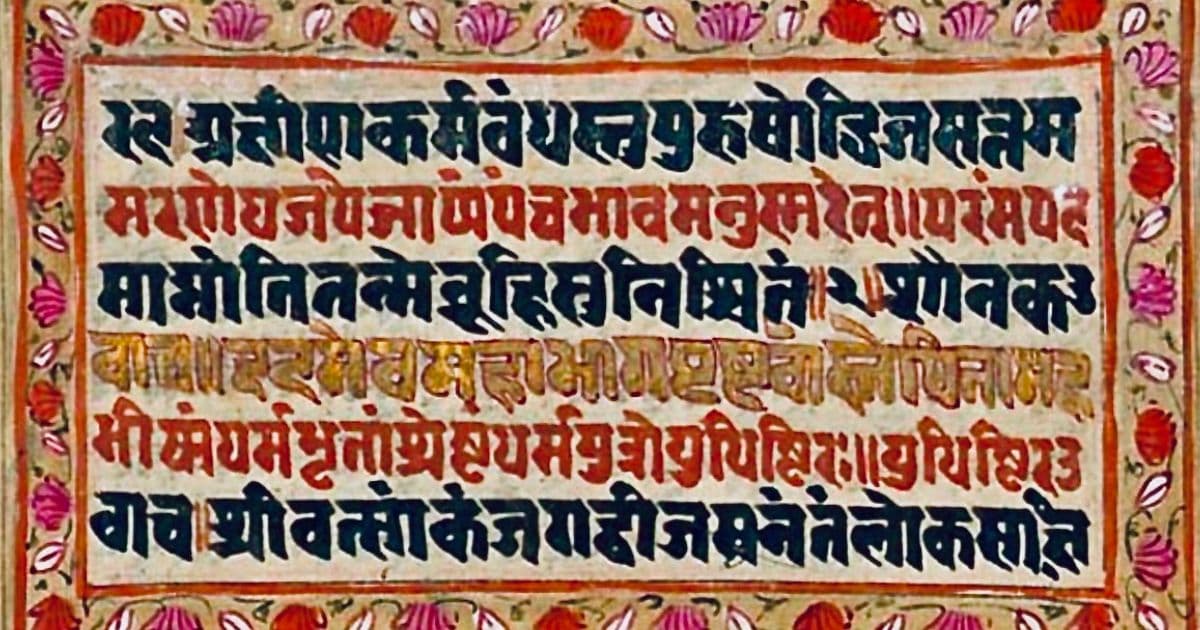
An excerpt from the original text.(complete · 483 words)
18:028:001 urely there is a vein for the silver, and a place for gold
where they fine it.
18:028:002 Iron is taken out of the earth, and brass is molten out of the
stone.
18:028:003 He setteth an end to darkness, and searcheth out all
perfection: the stones of darkness, and the shadow of death.
18:028:004 The flood breaketh out from the inhabitant; even the waters
forgotten of the foot: they are dried up, they are gone away
from men.
18:028:005 As for the earth, out of it cometh bread: and under it is
turned up as it were fire.
18:028:006 The stones of it are the place of sapphires: and it hath dust
of gold.
18:028:007 There is a path which no fowl knoweth, and which the vulture's
eye hath not seen:
18:028:008 The lion's whelps have not trodden it, nor the fierce lion
passed by it.
18:028:009 He putteth forth his hand upon the rock; he overturneth the
mountains by the roots.
18:028:010 He cutteth out rivers among the rocks; and his eye seeth every
precious thing.
18:028:011 He bindeth the floods from overflowing; and the thing that is
hid bringeth he forth to light.
18:028:012 But where shall wisdom be found? and where is the place of
understanding?
18:028:013 Man knoweth not the price thereof; neither is it found in the
land of the living.
18:028:014 The depth saith, It is not in me: and the sea saith, It is not
with me.
18:028:015 It cannot be gotten for gold, neither shall silver be weighed
for the price thereof.
18:028:016 It cannot be valued with the gold of Ophir, with the precious
onyx, or the sapphire.
18:028:017 The gold and the crystal cannot equal it: and the exchange of
it shall not be for jewels of fine gold.
18:028:018 No mention shall be made of coral, or of pearls: for the price
of wisdom is above rubies.
18:028:019 The topaz of Ethiopia shall not equal it, neither shall it be
valued with pure gold.
18:028:020 Whence then cometh wisdom? and where is the place of
understanding?
18:028:021 Seeing it is hid from the eyes of all living, and kept close
from the fowls of the air.
18:028:022 Destruction and death say, We have heard the fame thereof with
our ears.
18:028:023 God understandeth the way thereof, and he knoweth the place
thereof.
18:028:024 For he looketh to the ends of the earth, and seeth under the
whole heaven;
18:028:025 To make the weight for the winds; and he weigheth the waters
by measure.
18:028:026 When he made a decree for the rain, and a way for the
lightning of the thunder:
18:028:027 Then did he see it, and declare it; he prepared it, yea, and
searched it out.
18:028:028 And unto man he said, Behold, the fear of the LORD, that is
wisdom; and to depart from evil is understanding.
Master this chapter. Complete your experience
Purchase the complete book to access all chapters and support classic literature
As an Amazon Associate, we earn a small commission from qualifying purchases at no additional cost to you.
Available in paperback, hardcover, and e-book formats
Let's Analyse the Pattern
Working harder at the wrong strategy while the real solution requires completely different tools.
Why This Matters
Connect literature to life
This chapter teaches how to recognize when you're working hard in the wrong direction and need to completely change your approach.
Practice This Today
This week, notice when you feel frustrated despite making progress—that's often a sign you're optimizing for the wrong outcome and need to step back and ask what you're really trying to achieve.
Now let's explore the literary elements.
Key Quotes & Analysis
"But where shall wisdom be found? and where is the place of understanding?"
Context: After describing humanity's skill at mining precious materials from the earth
This is the central question of the chapter and perhaps of human existence. Job sets up the contrast between our ability to find material treasures and our inability to locate what really matters. The repetitive questioning emphasizes how urgent and important this search is.
In Today's Words:
We're so good at getting stuff, but where do we find the wisdom to know what really matters?
"Man knoweth not the price thereof; neither is it found in the land of the living"
Context: Explaining why wisdom cannot be purchased or discovered through normal human effort
Job reveals that wisdom operates outside the normal economy of buying and selling. It's not that wisdom is expensive - it's that it can't be bought at any price. This challenges our assumption that everything valuable can be acquired through effort or money.
In Today's Words:
You can't put a price tag on real wisdom, and you won't find it for sale anywhere in this world
"It cannot be gotten for gold, neither shall silver be weighed for the price thereof"
Context: Listing all the precious things that cannot purchase wisdom
Job emphasizes that even the most valuable currencies are worthless when it comes to acquiring wisdom. This directly challenges a materialistic worldview and suggests that the most important things in life operate by different rules than commerce.
In Today's Words:
All the money in the world can't buy you wisdom
"Behold, the fear of the Lord, that is wisdom; and to depart from evil is understanding"
Context: His final answer after eliminating all other sources of wisdom
After all the searching and questioning, Job provides a surprisingly simple answer. True wisdom begins with humility - recognizing that we're not the center of the universe - and practical ethics - avoiding harmful actions. This isn't about religious ritual but about fundamental life orientation.
In Today's Words:
Real wisdom starts with respecting something bigger than yourself and choosing not to hurt others
Thematic Threads
Class
In This Chapter
Job contrasts human mastery over physical labor with powerlessness over life's deeper questions
Development
Builds on earlier themes of material loss revealing what truly matters
In Your Life:
You might notice how working-class skills and intelligence get dismissed while abstract 'wisdom' gets overvalued
Identity
In This Chapter
The chapter questions whether human cleverness and achievement define who we really are
Development
Continues Job's journey from defining himself by possessions to seeking deeper self-knowledge
In Your Life:
You might realize you've been measuring your worth by what you can produce rather than who you are
Social Expectations
In This Chapter
Society values the ability to extract material wealth but has no framework for finding wisdom
Development
Expands on how social systems reward the wrong achievements
In Your Life:
You might feel pressure to chase promotions or purchases while your real needs go unmet
Personal Growth
In This Chapter
True development requires humility and recognition of limits, not just increased capability
Development
Shifts from growth through suffering to growth through proper understanding
In Your Life:
You might discover that admitting what you don't know is more powerful than proving what you do
You now have the context. Time to form your own thoughts.
Discussion Questions
- 1
Job describes humans as incredibly skilled at finding precious metals and gems hidden deep in the earth. What does he say we can't find using these same methods?
analysis • surface - 2
Why does Job emphasize that wisdom can't be bought with gold, silver, or even the most precious stones? What's he really saying about the difference between material success and genuine understanding?
analysis • medium - 3
Think about someone you know who seems to have everything figured out financially or professionally, but struggles with relationships or peace of mind. How does Job's observation about wisdom versus material success apply to their situation?
application • medium - 4
Job concludes that wisdom begins with respecting divine order and turning from evil. In practical terms, how would you apply this to a major life decision you're facing or a problem you're trying to solve?
application • deep - 5
What does this chapter reveal about why intelligent, successful people sometimes make terrible personal decisions? What's the difference between being smart and being wise?
reflection • deep
Critical Thinking Exercise
Map Your Misplaced Search
Make two columns on paper. In the left column, list three things you're currently working hard to achieve or acquire. In the right column, write what you're really hoping those achievements will give you (respect, security, connection, peace, etc.). Then honestly assess: are your current strategies actually capable of delivering what you truly want?
Consider:
- •Be specific about the feeling or experience you're really after, not just the surface goal
- •Consider whether you're using 'mining' strategies (effort and acquisition) for things that require 'receiving' strategies (humility and relationship)
- •Notice if you're working harder at the wrong approach instead of trying a completely different method
Journaling Prompt
Write about a time when you achieved something you thought you wanted, but it didn't deliver the satisfaction or peace you expected. What were you really searching for, and what might have been a more direct path to finding it?
Coming Up Next...
Chapter 29: When I Had It All
Job now turns from philosophy to raw emotion, beginning what may be his most personal and painful speech yet. He's about to contrast his current misery with memories of better days, creating a devastating before-and-after that will cut to the heart of human loss.