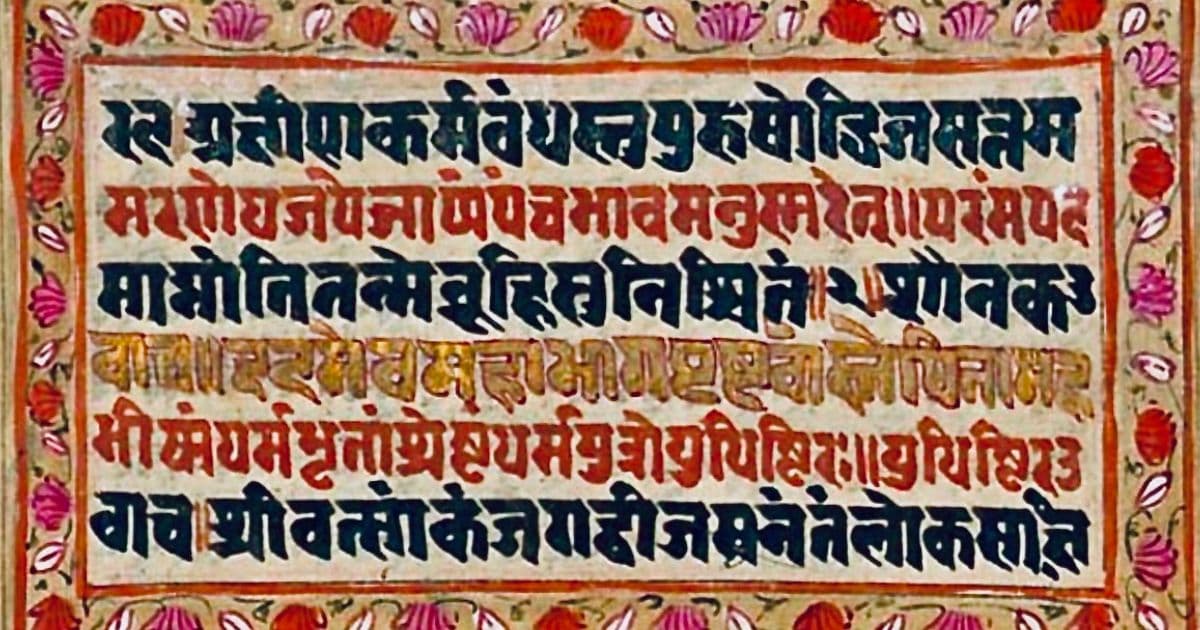
An excerpt from the original text.(complete · 506 words)
18:024:001 hy, seeing times are not hidden from the Almighty, do they
that know him not see his days?
18:024:002 Some remove the landmarks; they violently take away flocks,
and feed thereof.
18:024:003 They drive away the ass of the fatherless, they take the
widow's ox for a pledge.
18:024:004 They turn the needy out of the way: the poor of the earth hide
themselves together.
18:024:005 Behold, as wild asses in the desert, go they forth to their
work; rising betimes for a prey: the wilderness yieldeth food
for them and for their children.
18:024:006 They reap every one his corn in the field: and they gather the
vintage of the wicked.
18:024:007 They cause the naked to lodge without clothing, that they have
no covering in the cold.
18:024:008 They are wet with the showers of the mountains, and embrace
the rock for want of a shelter.
18:024:009 They pluck the fatherless from the breast, and take a pledge
of the poor.
18:024:010 They cause him to go naked without clothing, and they take
away the sheaf from the hungry;
18:024:011 Which make oil within their walls, and tread their
winepresses, and suffer thirst.
18:024:012 Men groan from out of the city, and the soul of the wounded
crieth out: yet God layeth not folly to them.
18:024:013 They are of those that rebel against the light; they know not
the ways thereof, nor abide in the paths thereof.
18:024:014 The murderer rising with the light killeth the poor and needy,
and in the night is as a thief.
18:024:015 The eye also of the adulterer waiteth for the twilight,
saying, No eye shall see me: and disguiseth his face.
18:024:016 In the dark they dig through houses, which they had marked for
themselves in the daytime: they know not the light.
18:024:017 For the morning is to them even as the shadow of death: if one
know them, they are in the terrors of the shadow of death.
18:024:018 He is swift as the waters; their portion is cursed in the
earth: he beholdeth not the way of the vineyards.
18:024:019 Drought and heat consume the snow waters: so doth the grave
those which have sinned.
18:024:020 The womb shall forget him; the worm shall feed sweetly on him;
he shall be no more remembered; and wickedness shall be broken
as a tree.
18:024:021 He evil entreateth the barren that beareth not: and doeth not
good to the widow.
18:024:022 He draweth also the mighty with his power: he riseth up, and
no man is sure of life.
18:024:023 Though it be given him to be in safety, whereon he resteth;
yet his eyes are upon their ways.
18:024:024 They are exalted for a little while, but are gone and brought
low; they are taken out of the way as all other, and cut off
as the tops of the ears of corn.
18:024:025 And if it be not so now, who will make me a liar, and make my
speech nothing worth?
Master this chapter. Complete your experience
Purchase the complete book to access all chapters and support classic literature
As an Amazon Associate, we earn a small commission from qualifying purchases at no additional cost to you.
Available in paperback, hardcover, and e-book formats
Let's Analyse the Pattern
Personal suffering that opens your eyes to see how power structures systematically exploit vulnerability across society.
Why This Matters
Connect literature to life
This chapter teaches how to recognize when wealth accumulates through exploitation rather than creation.
Practice This Today
This week, notice when businesses blame 'economic conditions' for worker cuts while announcing record profits or executive bonuses.
Now let's explore the literary elements.
Key Quotes & Analysis
"Why, seeing times are not hidden from the Almighty, do they that know him not see his days?"
Context: Job opens his complaint by questioning why God doesn't intervene in obvious injustices
This captures the fundamental question of theodicy - if God sees everything, why doesn't divine justice happen? Job is demanding accountability from the divine system he was raised to trust.
In Today's Words:
If God sees everything that's happening, why don't the people who believe in justice ever see it actually work?
"They drive away the ass of the fatherless, they take the widow's ox for a pledge"
Context: Job describes how creditors take work animals from the most vulnerable families
This shows how exploitation specifically targets those who can't fight back. Taking a widow's ox means taking her ability to farm and survive.
In Today's Words:
They repo the single mom's car so she can't get to work, then blame her for being irresponsible.
"Men groan from out of the city, and the soul of the wounded crieth out: yet God layeth not folly to them"
Context: Job observes that despite widespread suffering and injustice, there seem to be no consequences for wrongdoers
Job is pointing out the disconnect between religious teachings about divine justice and the reality he observes. People are crying for help, but help doesn't come.
In Today's Words:
People are literally dying in the streets, screaming for help, and somehow the people causing it never face any consequences.
Thematic Threads
Class
In This Chapter
Job catalogs how the wealthy systematically exploit the poor through property theft, wage cheating, and resource hoarding
Development
Evolved from personal loss to systemic analysis of economic inequality
In Your Life:
You might recognize how your workplace extracts maximum value while minimizing your compensation and security
Social Expectations
In This Chapter
Job challenges the expectation that good people should stay quiet about injustice and accept the status quo
Development
Developed from questioning personal suffering to questioning societal structures
In Your Life:
You might feel pressure to 'be grateful' for exploitative conditions instead of naming them as problems
Identity
In This Chapter
Job's identity shifts from victim of personal tragedy to witness and critic of systemic oppression
Development
Transformed from self-focused suffering to broader social awareness
In Your Life:
You might discover that your individual struggles are actually shared experiences of structural inequality
Human Relationships
In This Chapter
Job reveals how power imbalances corrupt relationships, turning them into predator-prey dynamics
Development
Extended from personal betrayal to systemic exploitation patterns
In Your Life:
You might notice how economic desperation forces you into relationships where others hold all the power
Personal Growth
In This Chapter
Job's growth involves developing the courage to name injustice even when it's uncomfortable or dangerous
Development
Evolved from passive suffering to active truth-telling about systemic problems
In Your Life:
You might need to decide whether to speak up about unfair practices even when it could cost you
You now have the context. Time to form your own thoughts.
Discussion Questions
- 1
What specific examples of exploitation does Job list in this chapter, and how do they affect the most vulnerable people?
analysis • surface - 2
Why does Job shift from complaining about his own problems to cataloging society's injustices - what does this change reveal about his thinking?
analysis • medium - 3
Where do you see Job's examples of exploitation happening today - wage theft, property manipulation, or people working but still unable to afford basic needs?
application • medium - 4
When you've witnessed unfairness at work or in your community, how did you decide whether to speak up, document it, or find ways to protect yourself?
application • deep - 5
Job maintains that wrongdoers will eventually face consequences even when they seem to prosper - what does this suggest about how to maintain hope when fighting systemic problems?
reflection • deep
Critical Thinking Exercise
Map the Power Dynamic
Choose a workplace, housing, or healthcare situation you've experienced where someone with more power took advantage of someone with less. Draw a simple diagram showing who had what kind of power, how they used it, and who got hurt. Then identify what information or resources could have helped the vulnerable person navigate the situation better.
Consider:
- •Power isn't just about money - it includes information, connections, and legal protections
- •Sometimes the same person can be powerful in one situation and vulnerable in another
- •Understanding the pattern helps you recognize it early in future situations
Journaling Prompt
Write about a time when you realized that your individual problem was actually part of a bigger pattern. How did that recognition change how you approached the situation?
Coming Up Next...
Chapter 25: When Friends Make You Feel Small
Bildad returns for one final attempt to defend the traditional view of divine justice. His brief response will mark a turning point in the debate, as Job's friends begin to run out of arguments.