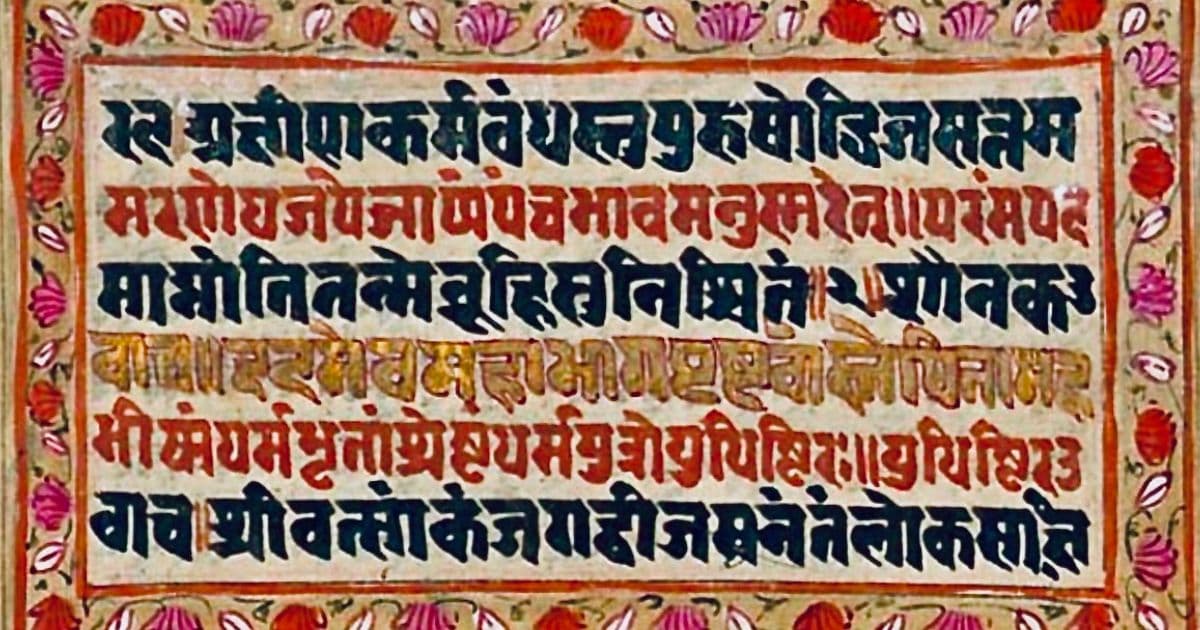
An excerpt from the original text.(complete · 550 words)
18:020:001 hen answered Zophar the Naamathite, and said,
18:020:002 Therefore do my thoughts cause me to answer, and for this I
make haste.
18:020:003 I have heard the check of my reproach, and the spirit of my
understanding causeth me to answer.
18:020:004 Knowest thou not this of old, since man was placed upon earth,
18:020:005 That the triumphing of the wicked is short, and the joy of the
hypocrite but for a moment?
18:020:006 Though his excellency mount up to the heavens, and his head
reach unto the clouds;
18:020:007 Yet he shall perish for ever like his own dung: they which
have seen him shall say, Where is he?
18:020:008 He shall fly away as a dream, and shall not be found: yea, he
shall be chased away as a vision of the night.
18:020:009 The eye also which saw him shall see him no more; neither
shall his place any more behold him.
18:020:010 His children shall seek to please the poor, and his hands
shall restore their goods.
18:020:011 His bones are full of the sin of his youth, which shall lie
down with him in the dust.
18:020:012 Though wickedness be sweet in his mouth, though he hide it
under his tongue;
18:020:013 Though he spare it, and forsake it not; but keep it still
within his mouth:
18:020:014 Yet his meat in his bowels is turned, it is the gall of asps
within him.
18:020:015 He hath swallowed down riches, and he shall vomit them up
again: God shall cast them out of his belly.
18:020:016 He shall suck the poison of asps: the viper's tongue shall
slay him.
18:020:017 He shall not see the rivers, the floods, the brooks of honey
and butter.
18:020:018 That which he laboured for shall he restore, and shall not
swallow it down: according to his substance shall the
restitution be, and he shall not rejoice therein.
18:020:019 Because he hath oppressed and hath forsaken the poor; because
he hath violently taken away an house which he builded not;
18:020:020 Surely he shall not feel quietness in his belly, he shall not
save of that which he desired.
18:020:021 There shall none of his meat be left; therefore shall no man
look for his goods.
18:020:022 In the fulness of his sufficiency he shall be in straits:
every hand of the wicked shall come upon him.
18:020:023 When he is about to fill his belly, God shall cast the fury of
his wrath upon him, and shall rain it upon him while he is
eating.
18:020:024 He shall flee from the iron weapon, and the bow of steel shall
strike him through.
18:020:025 It is drawn, and cometh out of the body; yea, the glittering
sword cometh out of his gall: terrors are upon him.
18:020:026 All darkness shall be hid in his secret places: a fire not
blown shall consume him; it shall go ill with him that is left
in his tabernacle.
18:020:027 The heaven shall reveal his iniquity; and the earth shall rise
up against him.
18:020:028 The increase of his house shall depart, and his goods shall
flow away in the day of his wrath.
18:020:029 This is the portion of a wicked man from God, and the heritage
appointed unto him by God.
Master this chapter. Complete your experience
Purchase the complete book to access all chapters and support classic literature
As an Amazon Associate, we earn a small commission from qualifying purchases at no additional cost to you.
Available in paperback, hardcover, and e-book formats
Let's Analyse the Pattern
The more certain people become of their moral authority, the more justified they feel in causing harm to others.
Why This Matters
Connect literature to life
This chapter teaches how to recognize when people use moral authority to justify harmful behavior toward others.
Practice This Today
This week, notice when someone delivers harsh judgment while claiming to help—ask yourself what they might not know about the situation.
Now let's explore the literary elements.
Key Quotes & Analysis
"That the triumphing of the wicked is short, and the joy of the hypocrite but for a moment"
Context: Zophar opens his speech by stating what he believes is an obvious truth about how the universe works
This reveals Zophar's black-and-white worldview where bad people always get punished quickly. He can't imagine any other explanation for suffering except hidden wrongdoing. His certainty blinds him to the complexity of Job's situation.
In Today's Words:
Cheaters never win in the end, and fake people's success doesn't last
"He hath swallowed down riches, and he shall vomit them up again"
Context: Describing what happens to people who gain wealth through exploitation
Zophar uses disgusting imagery to show how stolen wealth becomes toxic to the person who takes it. This reflects his belief that the universe has built-in justice mechanisms that automatically punish wrongdoing.
In Today's Words:
What goes around comes around - you can't keep what you stole
"His children shall seek to please the poor, and his hands shall restore their goods"
Context: Explaining how even the families of corrupt people eventually have to make amends
This shows Zophar's belief in generational justice - that wrongdoing creates debts that must eventually be paid, even by the next generation. It reveals his systematic thinking about how moral consequences work across time.
In Today's Words:
Even his kids will end up having to pay back what he stole
Thematic Threads
Class
In This Chapter
Zophar focuses on how the wicked exploit the poor and vulnerable, revealing his understanding that power often comes through oppression
Development
Building from earlier discussions of Job's former wealth and status
In Your Life:
You might see this when people assume your struggles must be your fault because of your economic position
Identity
In This Chapter
Zophar defines people entirely by their actions—you are either righteous or wicked, with no complexity
Development
Intensifying the friends' black-and-white view of human nature
In Your Life:
You might feel this pressure to be either all good or all bad when you make mistakes
Social Expectations
In This Chapter
Zophar expects Job to confess and repent, frustrated that Job won't follow the expected script for suffering people
Development
Escalating from disappointment to anger at Job's non-compliance
In Your Life:
You might face this when others expect you to accept blame or apologize for things beyond your control
Human Relationships
In This Chapter
Zophar's friendship has become weaponized—he uses intimacy to deliver devastating personal attacks
Development
The final breakdown of supportive friendship into hostile judgment
In Your Life:
You might experience this when close relationships turn toxic through misplaced righteousness
You now have the context. Time to form your own thoughts.
Discussion Questions
- 1
What specific accusations does Zophar make against Job, and how does he describe what happens to corrupt people?
analysis • surface - 2
Why does Zophar feel justified in delivering such harsh judgment? What makes him so certain he's right?
analysis • medium - 3
Where have you seen people use moral certainty to justify cruel behavior? Think about workplaces, families, or online interactions.
application • medium - 4
When someone attacks you with righteous fury, how can you respond without getting pulled into their certainty trap?
application • deep - 5
What does Zophar's speech reveal about the danger of believing our limited understanding represents complete truth?
reflection • deep
Critical Thinking Exercise
Spot the Righteous Corruption
Think of a time when someone delivered harsh judgment while feeling completely justified - maybe a boss, family member, or public figure. Write down their actions, then identify what made them feel righteous about causing harm. Finally, consider what they might not have known about the situation that could have changed their response.
Consider:
- •The person genuinely believed they were doing the right thing
- •Their certainty prevented them from questioning their actions
- •There was likely information they didn't have or perspectives they couldn't see
Journaling Prompt
Write about a time when you felt absolutely certain you were right about someone's situation. What did you not know then that you understand now? How might this change how you approach judgment in the future?
Coming Up Next...
Chapter 21: Why Do Bad People Win?
Job has heard enough accusations from his friends. His response will challenge everything they think they know about how the world works and who really prospers in life.