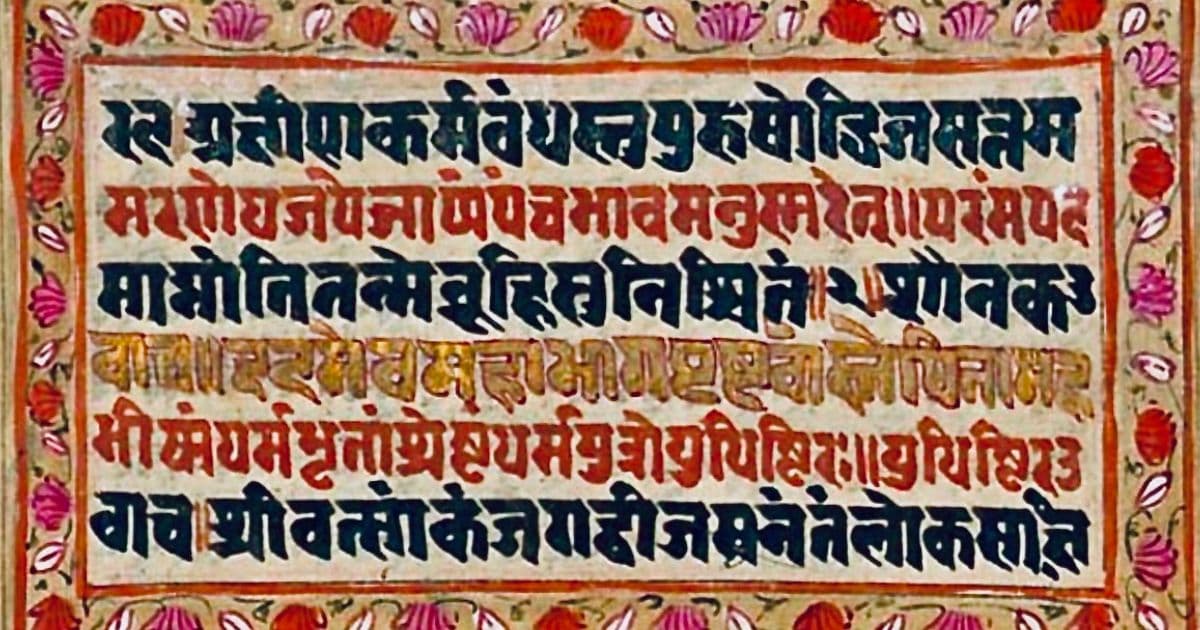
An excerpt from the original text.(complete · 363 words)
18:018:001 hen answered Bildad the Shuhite, and said,
18:018:002 How long will it be ere ye make an end of words? mark, and
afterwards we will speak.
18:018:003 Wherefore are we counted as beasts, and reputed vile in your
sight?
18:018:004 He teareth himself in his anger: shall the earth be forsaken
for thee? and shall the rock be removed out of his place?
18:018:005 Yea, the light of the wicked shall be put out, and the spark
of his fire shall not shine.
18:018:006 The light shall be dark in his tabernacle, and his candle
shall be put out with him.
18:018:007 The steps of his strength shall be straitened, and his own
counsel shall cast him down.
18:018:008 For he is cast into a net by his own feet, and he walketh upon
a snare.
18:018:009 The gin shall take him by the heel, and the robber shall
prevail against him.
18:018:010 The snare is laid for him in the ground, and a trap for him in
the way.
18:018:011 Terrors shall make him afraid on every side, and shall drive
him to his feet.
18:018:012 His strength shall be hungerbitten, and destruction shall be
ready at his side.
18:018:013 It shall devour the strength of his skin: even the firstborn
of death shall devour his strength.
18:018:014 His confidence shall be rooted out of his tabernacle, and it
shall bring him to the king of terrors.
18:018:015 It shall dwell in his tabernacle, because it is none of his:
brimstone shall be scattered upon his habitation.
18:018:016 His roots shall be dried up beneath, and above shall his
branch be cut off.
18:018:017 His remembrance shall perish from the earth, and he shall have
no name in the street.
18:018:018 He shall be driven from light into darkness, and chased out of
the world.
18:018:019 He shall neither have son nor nephew among his people, nor any
remaining in his dwellings.
18:018:020 They that come after him shall be astonied at his day, as they
that went before were affrighted.
18:018:021 Surely such are the dwellings of the wicked, and this is the
place of him that knoweth not God.
Master this chapter. Complete your experience
Purchase the complete book to access all chapters and support classic literature
As an Amazon Associate, we earn a small commission from qualifying purchases at no additional cost to you.
Available in paperback, hardcover, and e-book formats
Let's Analyse the Pattern
When our beliefs are challenged, we often respond with increasing rigidity and cruelty rather than curiosity.
Why This Matters
Connect literature to life
This chapter teaches how to recognize when someone escalates from disagreement to psychological warfare because your experience threatens their worldview.
Practice This Today
This week, notice when someone responds to your struggles by painting worst-case scenarios about your future—that's usually defensive escalation, not genuine concern.
Now let's explore the literary elements.
Key Quotes & Analysis
"How long will it be ere ye make an end of words? mark, and afterwards we will speak."
Context: Bildad opens his speech by expressing frustration with Job's lengthy responses
This reveals Bildad's impatience and his belief that Job is being unreasonable. He wants Job to stop talking and listen to 'wisdom' - meaning, accept their simple explanations.
In Today's Words:
When are you going to stop talking so we can tell you how it really is?
"Wherefore are we counted as beasts, and reputed vile in your sight?"
Context: Bildad feels insulted that Job has rejected their counsel
This shows how threatened Bildad feels by Job's resistance. When someone rejects our advice, we often take it as a personal attack on our intelligence or character.
In Today's Words:
Why are you treating us like we're stupid?
"Shall the earth be forsaken for thee? and shall the rock be removed out of his place?"
Context: Bildad accuses Job of expecting the whole world to change for him
Bildad is essentially saying that Job is being selfish and unrealistic. This reveals his inability to imagine that their understanding of how the world works might be incomplete.
In Today's Words:
Do you think the whole world should revolve around you?
"The light of the wicked shall be put out, and the spark of his fire shall not shine."
Context: Beginning of Bildad's detailed description of what happens to evil people
Bildad uses vivid imagery of extinguished lights to represent complete destruction. By describing this as inevitable, he's threatening Job with this fate unless he repents.
In Today's Words:
Bad people always get snuffed out in the end.
Thematic Threads
Social Expectations
In This Chapter
Bildad expects Job to conform to his worldview that suffering equals punishment
Development
Escalated from earlier attempts at gentle correction to outright intimidation
In Your Life:
You might face this when your struggles don't fit others' neat explanations of how life works
Human Relationships
In This Chapter
Bildad abandons compassion when Job won't accept his framework
Development
Shows how relationships deteriorate when people prioritize being right over understanding
In Your Life:
You might recognize this in relationships where support disappears when you don't respond as expected
Identity
In This Chapter
Bildad's identity as wise counselor is threatened by Job's persistent innocence
Development
Reveals how people attack others to protect their self-image
In Your Life:
You might see this when challenging someone's expertise threatens their sense of who they are
Class
In This Chapter
Bildad uses fear tactics and threats of social erasure to control Job
Development
Shows how social pressure escalates when gentle correction fails
In Your Life:
You might experience this as threats to your reputation or standing when you don't conform
Personal Growth
In This Chapter
Bildad refuses to grow or question his assumptions when challenged
Development
Demonstrates how some people choose rigidity over growth when threatened
In Your Life:
You might recognize this in yourself when you double down instead of staying curious
You now have the context. Time to form your own thoughts.
Discussion Questions
- 1
Why does Bildad get more aggressive in this speech compared to his first one? What changed?
analysis • surface - 2
Bildad paints horrific pictures of what happens to wicked people. What is he really trying to accomplish with these fear tactics?
analysis • medium - 3
Think about times when someone responded to your problems by getting angry or lecturing you instead of listening. What was really happening there?
application • medium - 4
When someone escalates like Bildad does here, what are your options? How do you protect yourself without making things worse?
application • deep - 5
What does Bildad's reaction reveal about his own fears and insecurities? How does this help us understand defensive escalation?
reflection • deep
Critical Thinking Exercise
Recognize Defensive Escalation
Think of a recent situation where someone responded to your problem or concern by getting more aggressive, lecturing you, or trying to shut down the conversation. Write down what you originally said, how they escalated, and what they might have been protecting in themselves. Then brainstorm three ways you could have navigated that situation differently.
Consider:
- •Look for the fear behind their anger - what worldview or sense of safety were you threatening?
- •Notice if they tried to force you into a category that made them more comfortable
- •Consider whether this person was actually capable of holding space for your reality
Journaling Prompt
Write about a time when you caught yourself escalating defensively. What were you protecting? How did it feel to recognize that pattern in yourself?
Coming Up Next...
Chapter 19: When Everyone Turns Against You
Job has heard enough of Bildad's threats and theological bullying. His response will cut through the fear-mongering to address the real issue: what it feels like when the people who should support you become your accusers instead.