
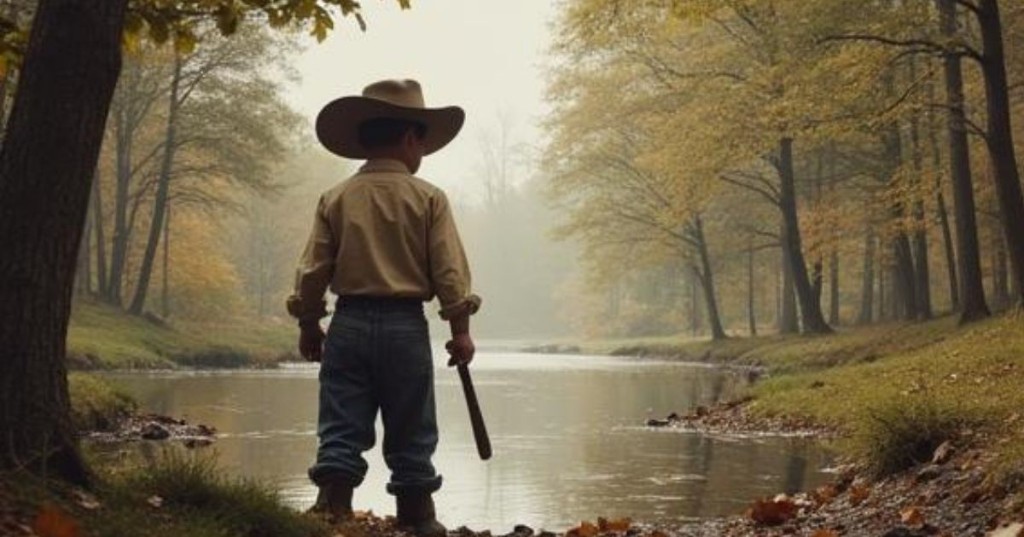
An excerpt from the original text.(complete · 954 words)
he adventure of the day mightily tormented Tom’s dreams that night.
Four times he had his hands on that rich treasure and four times
it wasted to nothingness in his fingers as sleep forsook him and
wakefulness brought back the hard reality of his misfortune. As he lay
in the early morning recalling the incidents of his great adventure, he
noticed that they seemed curiously subdued and far away—somewhat as if
they had happened in another world, or in a time long gone by. Then it
occurred to him that the great adventure itself must be a dream! There
was one very strong argument in favor of this idea—namely, that the
quantity of coin he had seen was too vast to be real. He had never seen
as much as fifty dollars in one mass before, and he was like all boys of
his age and station in life, in that he imagined that all references to
“hundreds” and “thousands” were mere fanciful forms of speech, and that
no such sums really existed in the world. He never had supposed for
a moment that so large a sum as a hundred dollars was to be found in
actual money in any one’s possession. If his notions of hidden treasure
had been analyzed, they would have been found to consist of a handful of
real dimes and a bushel of vague, splendid, ungraspable dollars.
But the incidents of his adventure grew sensibly sharper and clearer
under the attrition of thinking them over, and so he presently found
himself leaning to the impression that the thing might not have been a
dream, after all. This uncertainty must be swept away. He would snatch a
hurried breakfast and go and find Huck.
Huck was sitting on the gunwale of a flatboat, listlessly dangling his
feet in the water and looking very melancholy. Tom concluded to let Huck
lead up to the subject. If he did not do it, then the adventure would be
proved to have been only a dream.
“Hello, Huck!”
“Hello, yourself.”
Silence, for a minute.
“Tom, if we’d ’a’ left the blame tools at the dead tree, we’d ’a’ got
the money. Oh, ain’t it awful!”
“’Tain’t a dream, then, ’tain’t a dream! Somehow I most wish it was.
Dog’d if I don’t, Huck.”
“What ain’t a dream?”
“Oh, that thing yesterday. I been half thinking it was.”
“Dream! If them stairs hadn’t broke down you’d ’a’ seen how much dream
it was! I’ve had dreams enough all night—with that patch-eyed Spanish
devil going for me all through ’em—rot him!”
“No, not rot him. Find him! Track the money!”
“Tom, we’ll never find him. A feller don’t have only one chance for such
a pile—and that one’s lost. I’d feel mighty shaky if I was to see him,
anyway.”
“Well, so’d I; but I’d like to see him, anyway—and track him out—to his
Number Two.”
“Number Two—yes, that’s it. I been thinking ’bout that. But I can’t make
nothing out of it. What do you reckon it is?”
“I dono. It’s too deep. Say, Huck—maybe it’s the number of a house!”
“Goody!... No, Tom, that ain’t it. If it is, it ain’t in this one-horse
town. They ain’t no numbers here.”
“Well, that’s so. Lemme think a minute. Here—it’s the number of a
room—in a tavern, you know!”
“Oh, that’s the trick! They ain’t only two taverns. We can find out
quick.”
“You stay here, Huck, till I come.”
Tom was off at once. He did not care to have Huck’s company in public
places. He was gone half an hour. He found that in the best tavern, No.
2 had long been occupied by a young lawyer, and was still so occupied.
In the less ostentatious house, No. 2 was a mystery. The tavern-keeper’s
young son said it was kept locked all the time, and he never saw anybody
go into it or come out of it except at night; he did not know any
particular reason for this state of things; had had some little
curiosity, but it was rather feeble; had made the most of the mystery
by entertaining himself with the idea that that room was “ha’nted”; had
noticed that there was a light in there the night before.
“That’s what I’ve found out, Huck. I reckon that’s the very No. 2 we’re
after.”
“I reckon it is, Tom. Now what you going to do?”
“Lemme think.”
Tom thought a long time. Then he said:
“I’ll tell you. The back door of that No. 2 is the door that comes out
into that little close alley between the tavern and the old rattle trap
of a brick store. Now you get hold of all the doorkeys you can find, and
I’ll nip all of auntie’s, and the first dark night we’ll go there and
try ’em. And mind you, keep a lookout for Injun Joe, because he said he
was going to drop into town and spy around once more for a chance to get
his revenge. If you see him, you just follow him; and if he don’t go to
that No. 2, that ain’t the place.”
“Lordy, I don’t want to foller him by myself!”
“Why, it’ll be night, sure. He mightn’t ever see you—and if he did,
maybe he’d never think anything.”
“Well, if it’s pretty dark I reckon I’ll track him. I dono—I dono. I’ll
try.”
“You bet I’ll follow him, if it’s dark, Huck. Why, he might ’a’ found
out he couldn’t get his revenge, and be going right after that money.”
“It’s so, Tom, it’s so. I’ll foller him; I will, by jingoes!”
“Now you’re talking! Don’t you ever weaken, Huck, and I won’t.”
Master this chapter. Complete your experience
Purchase the complete book to access all chapters and support classic literature
As an Amazon Associate, we earn a small commission from qualifying purchases at no additional cost to you.
Available in paperback, hardcover, and e-book formats
Let's Analyse the Pattern
The predictable mental process of first questioning overwhelming experiences, seeking confirmation, then shifting into strategic action mode.
Why This Matters
Connect literature to life
This chapter teaches how to move from doubt through confirmation to strategic action when faced with information that seems too big to be real.
Practice This Today
This week, notice when you catch yourself thinking 'did that really happen?' about something important—seek one reliable confirmation, then immediately ask 'what's my next move?'
Now let's explore the literary elements.
Key Quotes & Analysis
"Four times he had his hands on that rich treasure and four times it wasted to nothingness in his fingers as sleep forsook him and wakefulness brought back the hard reality of his misfortune."
Context: Describing Tom's restless dreams after almost getting the treasure
This captures the torture of almost achieving something huge, then losing it. The physical image of treasure slipping through fingers shows how close success felt and how devastating the loss is.
In Today's Words:
He kept dreaming he had the money, then waking up to remember he'd blown his chance.
"He never had supposed for a moment that so large a sum as a hundred dollars was to be found in actual money in any one's possession."
Context: Explaining why Tom doubts the treasure could be real
This reveals the huge gap between Tom's working-class reality and actual wealth. A hundred dollars is so far outside his experience that it seems fictional, showing how poverty limits what people think is possible.
In Today's Words:
He'd never imagined anyone actually had that kind of cash lying around.
"There was one very strong argument in favor of this idea—namely, that the quantity of coin he had seen was too vast to be real."
Context: Tom trying to convince himself the treasure adventure was just a dream
Tom's mind is protecting him from disappointment by making him doubt what he saw. When something seems too good to be true, we often convince ourselves it wasn't real rather than face the loss.
In Today's Words:
The amount of money was so crazy that it had to be fake.
Thematic Threads
Personal Growth
In This Chapter
Tom evolves from passive dreamer to active strategist, learning to process overwhelming experiences
Development
Building on earlier chapters where Tom was more reactive, now showing genuine problem-solving maturity
In Your Life:
You might see this when you move from being overwhelmed by a situation to making concrete plans to handle it
Reality vs Fantasy
In This Chapter
Tom struggles to believe the treasure hunt was real because it exceeded his normal experience
Development
Continues the book's theme of childhood imagination meeting adult realities
In Your Life:
You might experience this when good or bad news seems too extreme to be true
Friendship
In This Chapter
Huck serves as Tom's reality check and partner in planning their next move
Development
Deepening from earlier chapters where their friendship was more about shared mischief
In Your Life:
You might rely on trusted friends to help you process and validate major life events
Class
In This Chapter
The boys investigate the seedier tavern where criminals might hide, exposing them to adult criminal world
Development
Expanding from social class differences to criminal class dangers
In Your Life:
You might find yourself navigating spaces or situations outside your usual social circle
Problem-Solving
In This Chapter
Tom methodically figures out 'Number Two' refers to a tavern room and develops a systematic plan
Development
Introduced here as Tom shows new strategic thinking abilities
In Your Life:
You might break down confusing situations into smaller, manageable pieces you can investigate
You now have the context. Time to form your own thoughts.
Discussion Questions
- 1
Why does Tom wake up doubting whether the treasure hunt really happened, and what finally convinces him it was real?
analysis • surface - 2
How does Tom's approach change once Huck confirms their shared experience? What does this tell us about how people process overwhelming events?
analysis • medium - 3
Think of a time when something big happened to you and you first thought 'did that really happen?' How did you move from doubt to action?
application • medium - 4
Tom shifts from questioning reality to making concrete plans. When you face something overwhelming, what strategies help you move from confusion to action?
application • deep - 5
What does Tom's doubt-to-action pattern reveal about how our minds protect us from information that's too big to process all at once?
reflection • deep
Critical Thinking Exercise
Map Your Doubt-to-Action Pattern
Think of three times something overwhelming happened to you - good or bad. For each situation, write down: What made you doubt it was real? What confirmed it actually happened? What action did you take next? Look for patterns in how you process big news or changes.
Consider:
- •Notice whether you seek confirmation from people, documentation, or repeated experiences
- •Pay attention to how long you typically stay in doubt mode before taking action
- •Consider whether your confirmation sources are reliable and trustworthy
Journaling Prompt
Write about a current situation where you're stuck in doubt mode. What would it take to confirm what's really happening, and what would your first action step be once you have that confirmation?
Coming Up Next...
Chapter 28: The Haunted Room Revealed
The boys put their plan into action, lurking around the tavern after dark with a pocket full of keys. But when you're hunting dangerous criminals, sometimes they end up hunting you instead.



