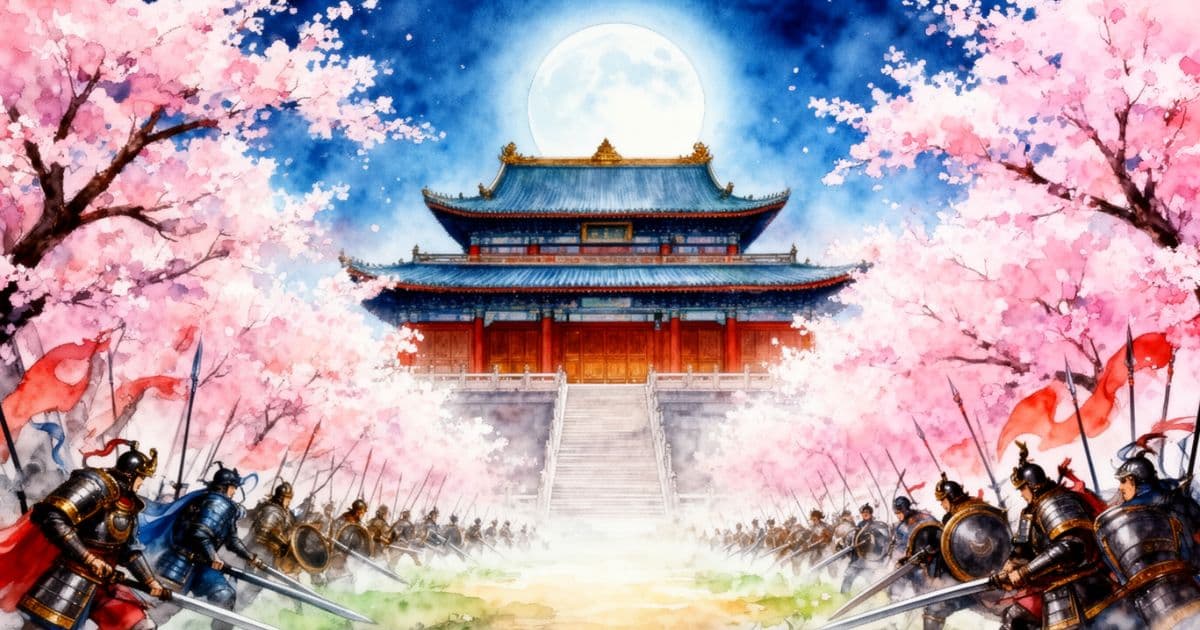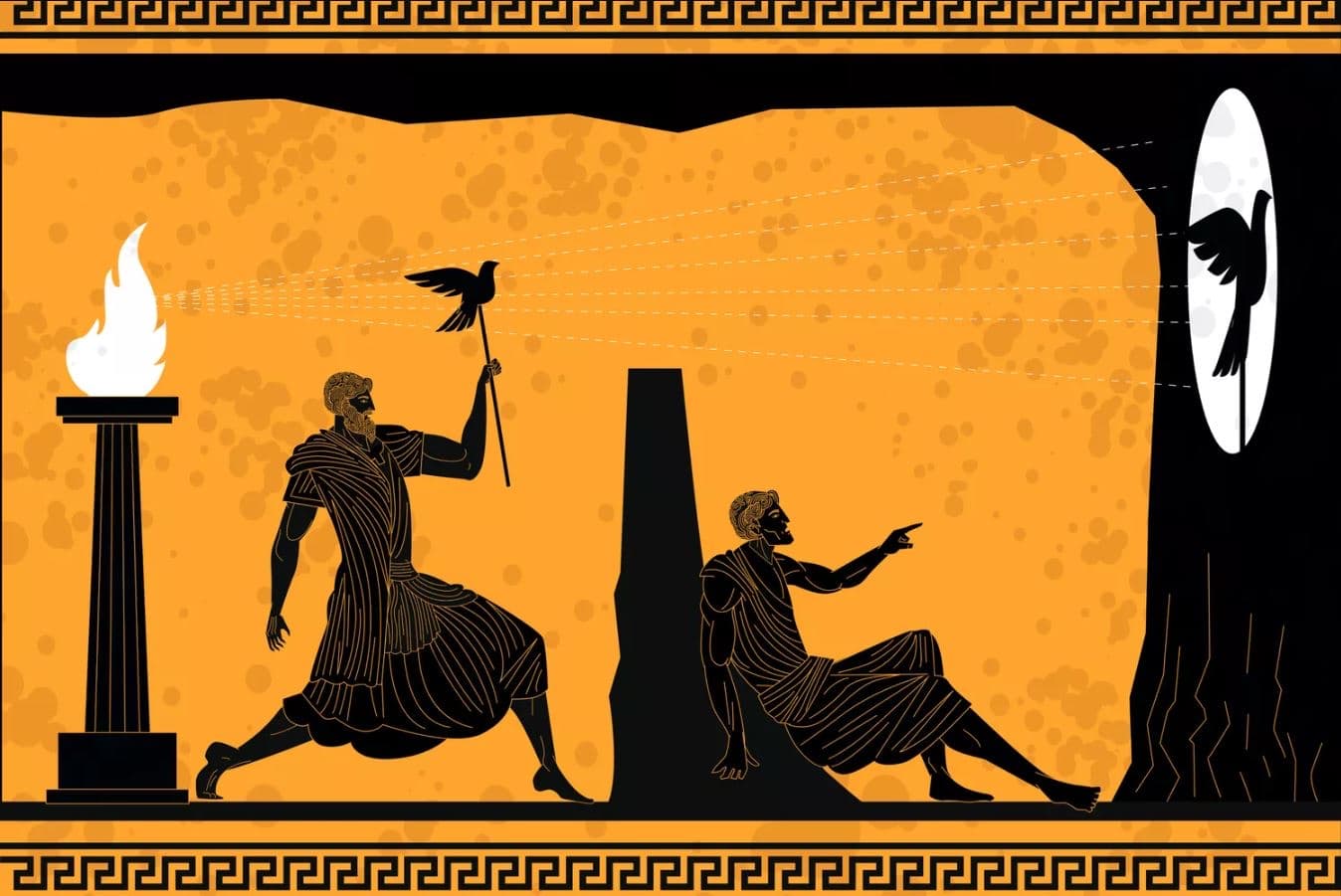
A chapter overview excerpt.(~224 words)
ut the difficulties occur in a new principality. And firstly, if it be not entirely new, but is, as it were, a member of a state which, taken collectively, may be called composite, the changes arise chiefly from an inherent difficulty which there is in all new principalities; for men change their rulers willingly, hoping to better themselves, and this hope induces them to take up arms against him who rules.
When a leader expands their domain—through corporate acquisitions, political annexation, or career advancement—they face what Machiavelli calls the "mixed principality" problem. This chapter explains why growth creates instability and how smart leaders navigate these challenges.
Machiavelli identifies a cruel irony: those who helped you gain power will turn against you, while those you displaced already hate you. People initially welcome new leadership hoping for improvement, but quickly become hostile when reality disappoints their expectations. This pattern explains why mergers fail and promoted managers struggle.
The solution requires four strategic principles. First, maintain physical presence—you cannot manage what you don't directly oversee. Second, eliminate competing power centers by removing previous leadership structures. Third, preserve existing systems wherever possible to avoid breeding resentment. Fourth, act decisively against emerging threats before they gain momentum.
This chapter reveals why organizational change is inherently destabilizing and provides a practical framework for managing expansion through understanding unchanging human nature.
Master this chapter. Complete your experience
Purchase the complete book to access all chapters and support classic literature
As an Amazon Associate, we earn a small commission from qualifying purchases at no additional cost to you.
Available in paperback, hardcover, and e-book formats
Let's Analyse the Pattern
The people who helped you gain new power will become your first enemies when expectations aren't met
Why This Matters
Connect literature to life
The ability to take over or absorb new teams, projects, or responsibilities while maintaining stability and earning loyalty
Practice This Today
Next time you're responsible for 'integrating' something new—a team member, a project, a process—apply Machiavelli's framework: Be present. Minimize early changes. But identify and address competing power centers quickly.
Now let's explore the literary elements.
Key Quotes & Analysis
"Men change their rulers willingly, hoping to better themselves, and this hope induces them to take up arms against him who rules."
Context: Explaining why people initially welcome new leadership
People support change because they imagine it will benefit them. When it doesn't, their hope turns to hostility. This is the fundamental dynamic of every leadership transition.
In Today's Words:
People support new bosses because they think things will get better. When they don't, that hope becomes resentment.
"He who is the cause of another becoming powerful is ruined."
Context: Warning about empowering others who may become rivals
One of Machiavelli's most famous strategic principles. Every time you elevate someone, you create a potential threat.
In Today's Words:
If you help someone else become powerful, you've created the instrument of your own downfall.
Thematic Threads
Hope and Disappointment
In This Chapter
People welcome new rulers then turn hostile when expectations aren't met
Development
This psychological dynamic underlies most of Machiavelli's strategic advice
In Your Life:
When you take a new job, project, or role, others have expectations. Manage them or suffer the backlash.
Presence as Power
In This Chapter
Machiavelli insists on physical occupation of new territories
Development
Remote rule is fragile rule
In Your Life:
You cannot lead from absence. If you're responsible for something, be visibly present.
You now have the context. Time to form your own thoughts.
Discussion Questions
- 1
Have you ever been part of an acquisition, merger, or team reorganization? What did the new leadership do well or poorly?
reflection • medium - 2
Machiavelli says 'He who is the cause of another becoming powerful is ruined.' Do you agree? Can you think of examples?
analysis • deep - 3
Why do people initially welcome new leadership then turn hostile? How can leaders manage this cycle?
application • medium
Critical Thinking Exercise
The Integration Playbook
Imagine your company is acquiring a competitor and you're responsible for integrating their team. Using Machiavelli's principles, design your 90-day plan. Address: How will you establish presence? What will you preserve? What will you change? How will you handle the previous leadership?
Consider:
- •People's hopes and fears during transitions
- •The danger of managing from a distance
- •The political cost of keeping old power structures intact
Journaling Prompt
Think of a time when you were on the receiving end of a 'takeover.' What did you hope would change? What did you fear? How did the new leadership handle it?
Coming Up Next...
Chapter 4: Why Some Conquered Territories Stay Loyal—And Others Always Revolt
Machiavelli uses a historical example to illustrate these principles—examining why the kingdom Alexander the Great conquered stayed stable after his death.